Local, state officials must prepare and act on Kentucky’s new normal of climate change
READ MORE
Waiting for the creeks to rise
As flooding becomes more frequent, vulnerable Eastern Kentucky communities wrestle with how much damage they can take
Expand All
If there are any climate change skeptics left in Kentucky, then surely the past two months have changed their minds.
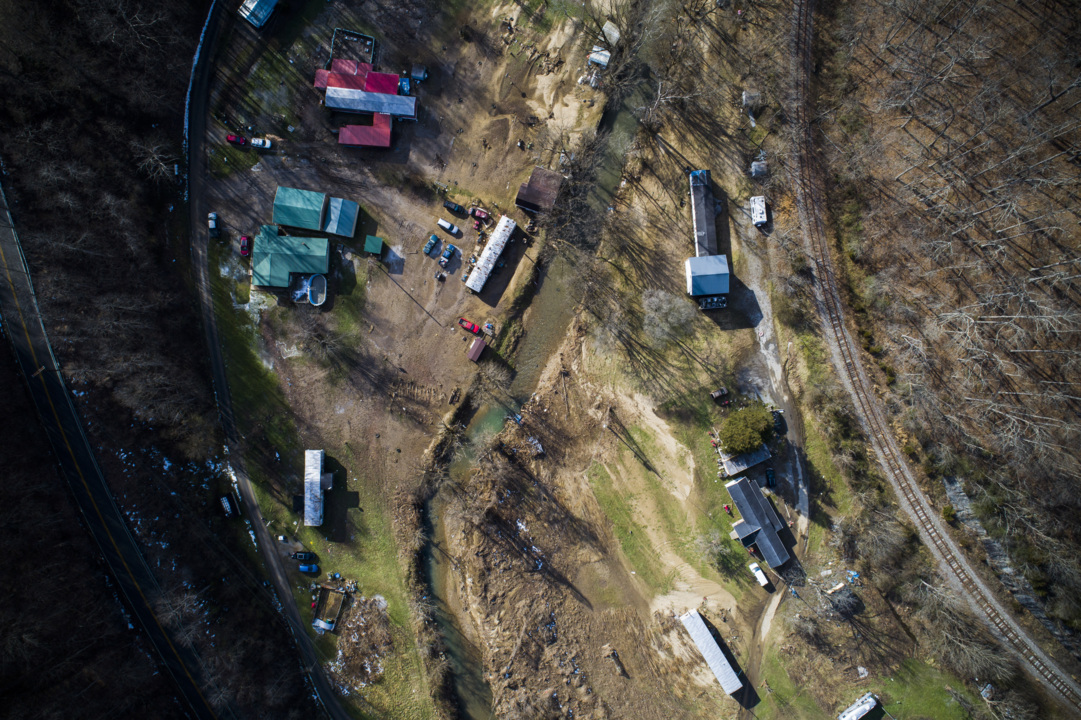
We started December with weeks of 60 and 70 degree weather, only to be nearly wiped off the map by unseasonable and unbelievably large tornadoes in Western Kentucky. New Year’s Day brought another round of tornadoes and torrential rains in Eastern Kentucky that caused flooding, made more difficult by a sudden cold snap. Days later, Lexington was buried under 10 inches of snow.
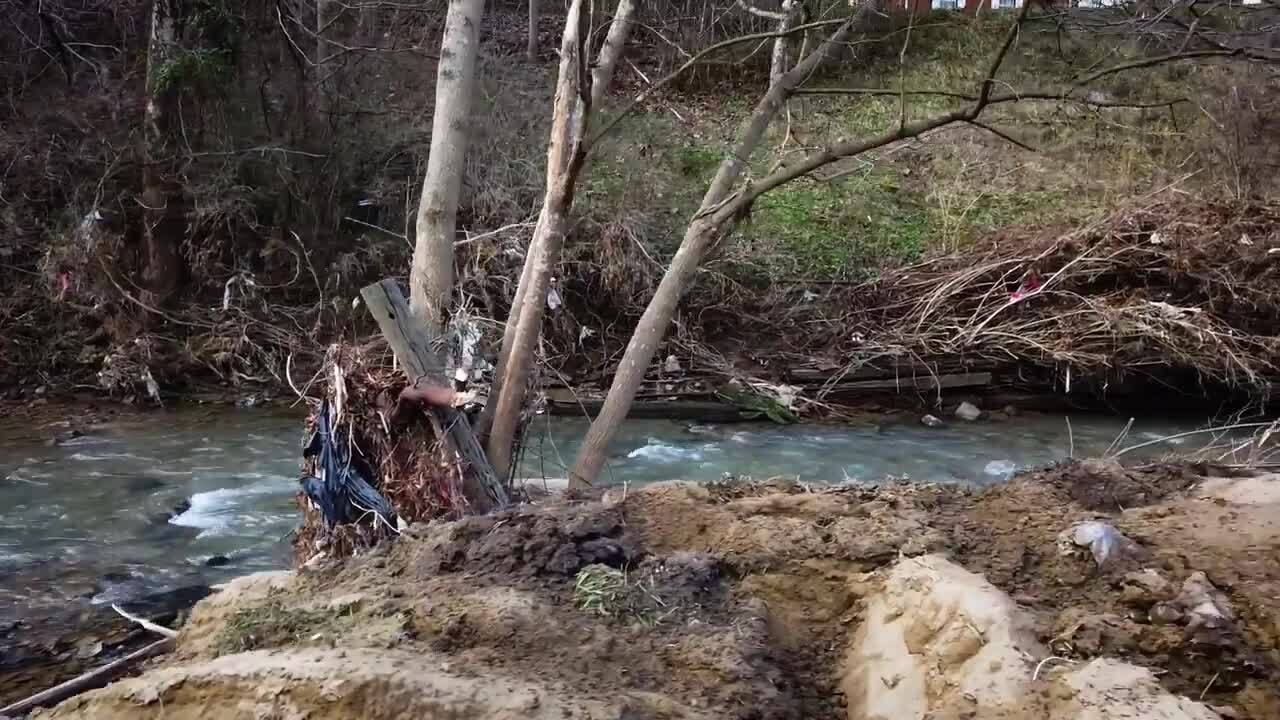
These dramatic weather changes — and horrific results — are not an anomaly. They are here to stay. Our many years of denial about climate change have left many people in Eastern Kentucky literally underwater.
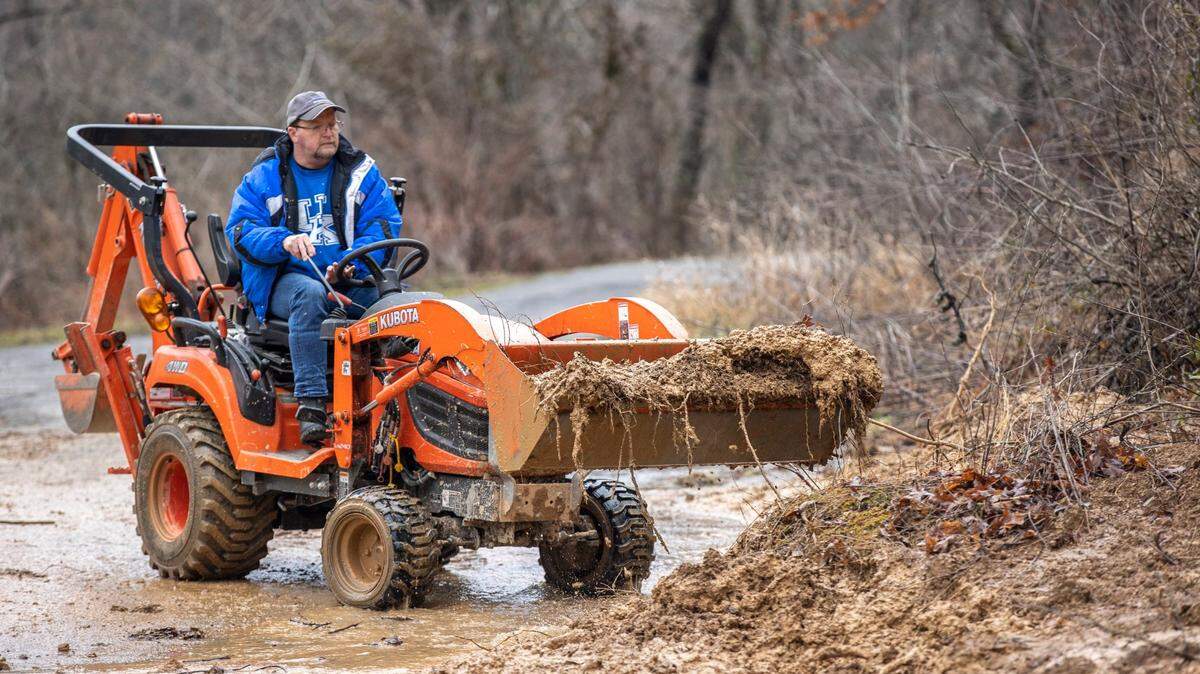
Reporter Alex Acquisto laid out a heartbreaking saga in one community of Eastern Kentucky, where residents must decide if they should simply leave their homes because floods will come again and again. As Acquisto pointed out: “There’s no comprehensive flooding mitigation road map for communities facing severe flood risks in Kentucky. As a result, much of the response to flooding is reactive and slapdash, with individual communities left scrambling to clean up devastation from storms, but with too few resources to preemptively plan for the next one, leaving residents in a lurch.”
Eastern Kentucky, a region already laid low by extractive industries and environmental degradation like strip mining, needs infrastructure and flood planning, plus the infrastructure to actually take on massive flooding. But most county budgets are too small to cope with what’s needed. Federal help only meets part of the need.
For example, Magoffin County saw nearly $5 million in flood damage in 2019. But Judge Executive Matthew Wireman is still waiting to be reimbursed by FEMA for past flooding damage before he can afford to take on the next round. “It’s just a bad system,” he said.
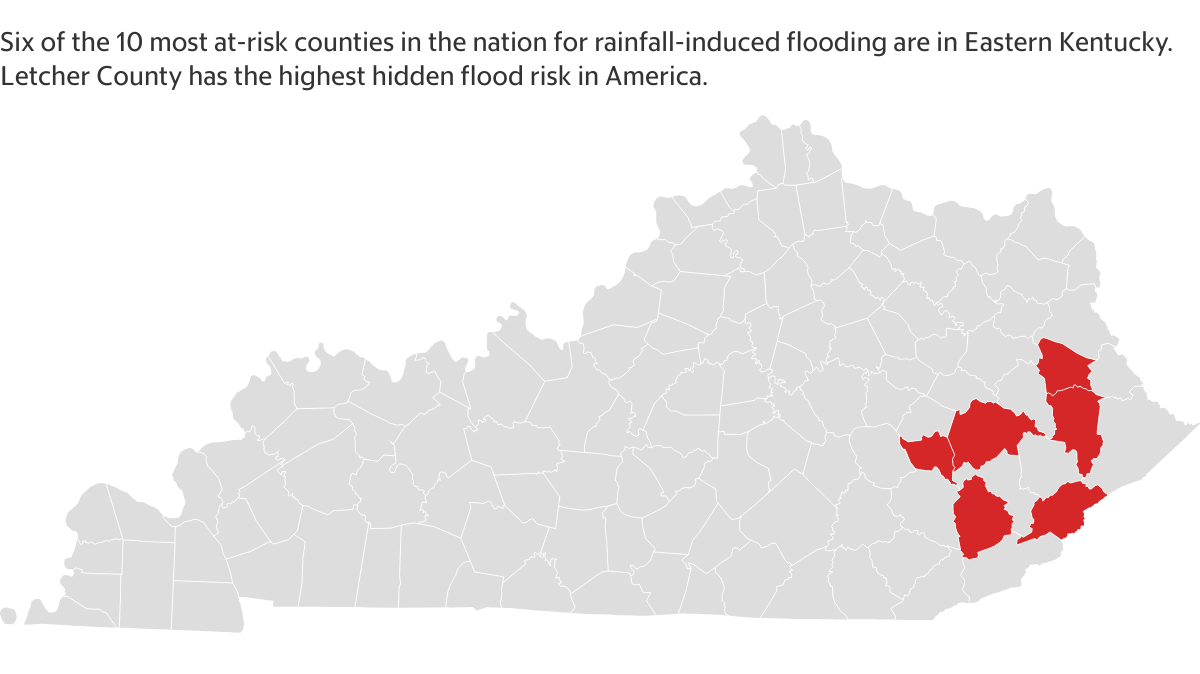
Much of Eastern Kentucky is in danger. As Acquisto writes, six of the top 10 (and nine of the top 20) counties in America with the highest hidden flood risk are in Eastern Kentucky, according to data from the First Street Foundation, a nonprofit flood research and communications group that charts property-level flood risks. And that state is also looking at counties that are at risk for landslides, another danger of too much rain.
The state is currently upgrading its 2018 Flood Risk Assessment plan, but it’s not supposed to be finished until 2023.
In the meantime, local, state and federal governments need to do more. Local county officials need to lay out exactly what infrastructure and mitigation needs — from wider culverts to bigger drainage systems — each county has to prevent flooding. The General Assembly should use some federal infrastructure dollars and Kentucky’s current surplus to set up an emergency fund to help local communities with both short-term and long-term help. The federal government needs to speed FEMA’s pace of reimbursement, particularly when it comes to buying property in flood plains. And all of us need to be more sensitive to the small steps we can take to lessen climate change’s brutality.
It’s no surprise that a state that produced so much of the nation’s energy through fossil fuels would be slow to admit those fossil fuels were dangerous. We haven’t been willing to deal with the realities of climate change on the front end; now we have to find ways to deal with the consequences of inaction over and over again.