Kentucky leaders need to stand up to tobacco lobby, create more local smoke-free laws.
READ MORE
Toll of Tobacco
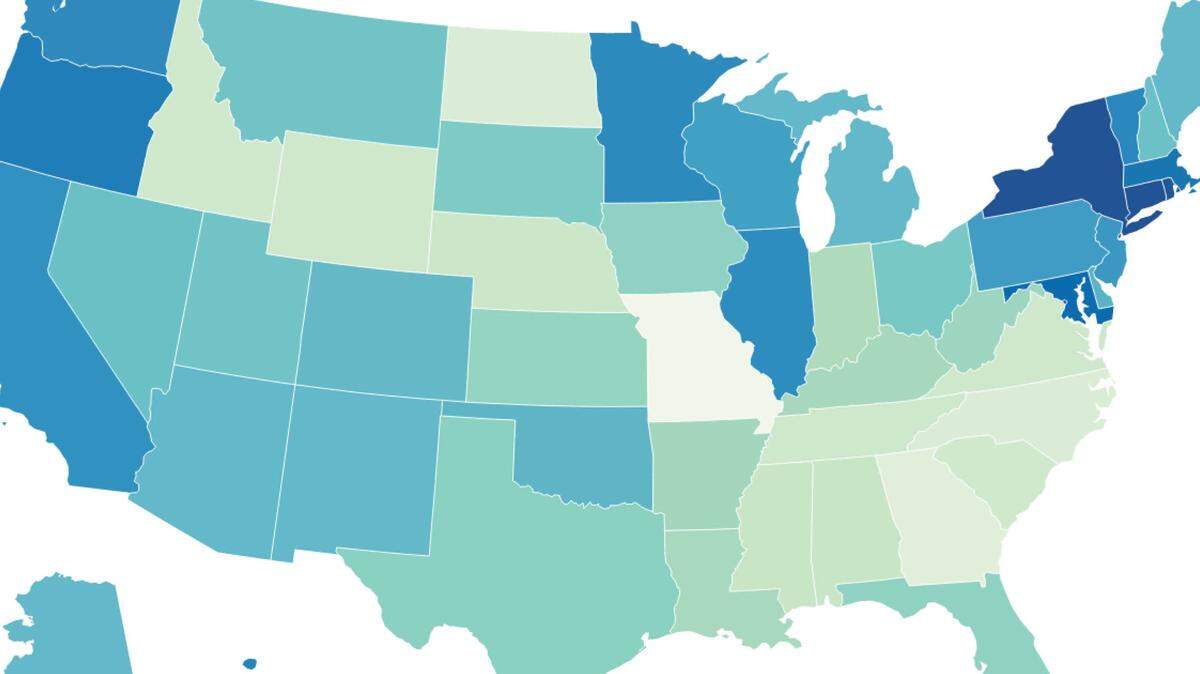
Kentucky is No. 2 in smoking and No. 1 in lung cancer. Why is so much of the state still addicted to cigarettes, and what needs to change?
Expand All
Twenty years ago, Lexington, Kentucky, the heart of the burley tobacco market, banned smoking in public places.
Doom was predicted, restaurants sued. And yet somehow doom was averted and — COVID aside — Lexington’s bar and restaurant scene continues to boom.
On top of that, UK researchers found Fayette County’s adult smoking rate went down almost 32 percent in the 20 months after the law started, even as rates in similar counties without such laws remained steady.
The projected healthcare savings from that drop was $21 million annually, the study said.
As Bill Estep reports: “Other studies have shown fewer new cases of lung cancer in Kentucky communities with comprehensive smoke-free laws; a drop in emergency-room visits for asthma; and a 23 percent decline in heart attacks among women after the Lexington law went into effect.”
More than 40 municipalities have added their own smoke-free rules.
In a perfect world, Kentucky would enact a strong smoke-free ban across the state. But in the current political climate, advocates worry that politicians in Frankfort — still under the financial influence of the tobacco lobby — would create a weak statewide law and get in the way of the good work that local governments are doing. And that work needs to continue because the human and financial costs of Kentucky’s smoking habits are still far too high.
Kentucky still has the highest rates of lung cancer and lung cancer deaths in the nation. The cost of those roughly 8,900 deaths and other healthcare costs from smoking equal close to $1.92 billion a year, not counting any impact from secondhand smoke. Almost $2 billion a year on a disease that is in many cases is preventable.
Of that money, nearly $600 million comes from Medicaid, which is funded out of all of our pockets.
Think about that. We the taxpayers are paying the costs of our legislators’ lack of agency or quid pro quo on making it harder to smoke in Kentucky.
So what should our state do?
▪ Local governments, like the recent example of the Owsley County Fiscal Court, need to continue to enact their own bans. The costs are tiny, for things like signage, and the benefits are enormous. If we believe in local control, and sometimes we do, sometimes we don’t, we should let local governments decide what is best for their people. If enough of them join in, a state-wide ban will become superfluous.
▪ Legislators should increase taxes on every pack of cigarettes. In 2018, they did add a 50 cent tax, despite advocates asking for $1. As Estep noted: “The Foundation for a Healthy Kentucky said in 2018 that while it appreciated the tax vote was difficult for many legislators, an increase of $1 a pack, instead of the 50 cents, would have kept an estimated 23,000 young people from starting smoking, led more than 29,000 adults to quit, and cut healthcare costs.”
▪ Legislators should also pass bills that allow cities and counties to pass their own rules on tobacco. Currently, there is a specific state law that prevents those entities from making their own rules on the display, sale and distribution of tobacco products. (In 2004, the state Supreme Court ruled that smoking bans were not included in this “preemption law.”)
Still the ability of local governments to control local marketing could have a big impact. One of the Republican Party’s leading lights, Julie Raque Adams of Louisville, sponsored such legislation last year. It went nowhere. Advocates hope the legislature will take it up again this session.
Not coincidentally, Altria, a leading tobacco company, spent $73,627 on lobbying in the first three months of the 2021 legislative session to stop that effort, Estep found. The company spent a total of $274,223 on lobbying for all of 2021.
In 2018 as legislators considered and eventually increased the cigarette tax, Altria spent $379,760 on lobbying, “more than double any other company that session.”
▪ Increase state funding for tobacco cessation programs.
The state is set to receive $495 million in 2022 in tobacco-related revenue, but has budgeted only $2 million for tobacco cessation and prevention programs, according to the Campaign for Tobacco-Free Kids. Nicotine is one of the most addictive drugs in existence, and many people need much more help than simply wanting to quit.
With this increase in that spending, the state could also use some of the money to incentivize local governments to pass smoke-free laws with cash for the signs they need or education programs.
This situation, as they say, is not rocket science. Nor is it partisan. Making people pay more for tobacco means people will smoke less and fewer people will get sick and die. It’s about a healthier Kentucky, healthier in body and healthier in the treasury.
This story was originally published February 20, 2022 at 5:00 AM.