For former UK football All-American, it’s still about ‘doing the right thing’
READ MORE
We Meet Again
The Lexington Herald-Leader and Kentucky.com are publishing a series of stories catching up with former University of Kentucky athletes. Click here to read all of the installments published previously.
Expand All
Editor’s Note: This article is part of a series in which the Herald-Leader is catching up with former University of Kentucky athletes.
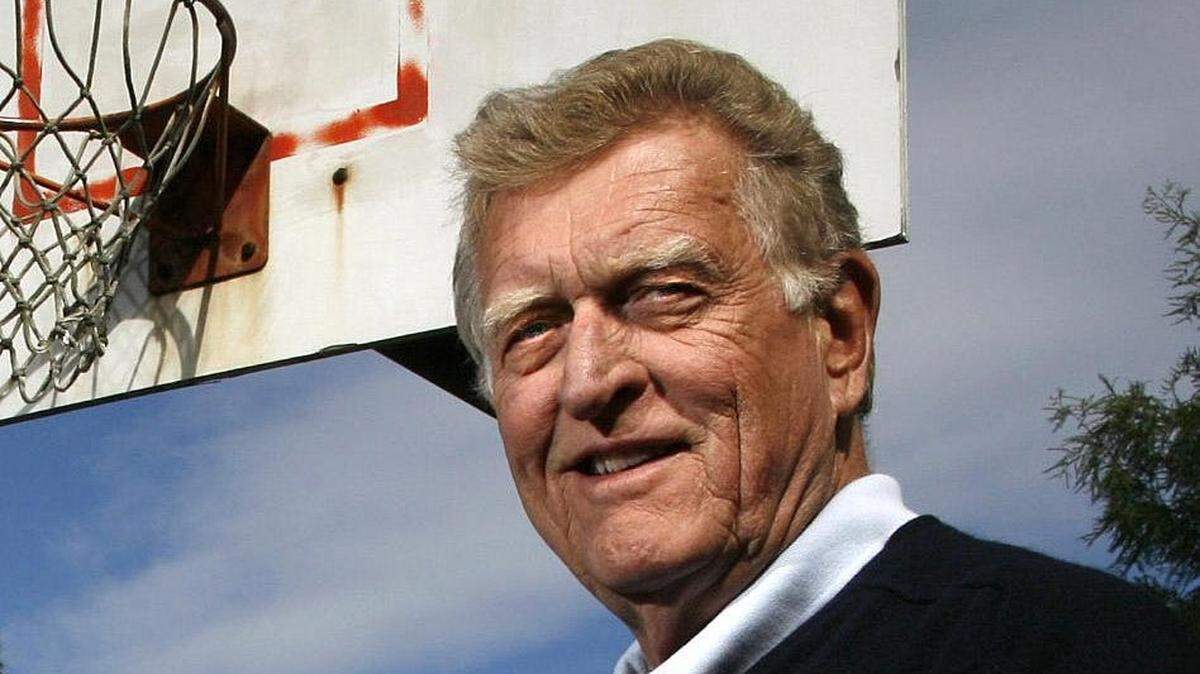
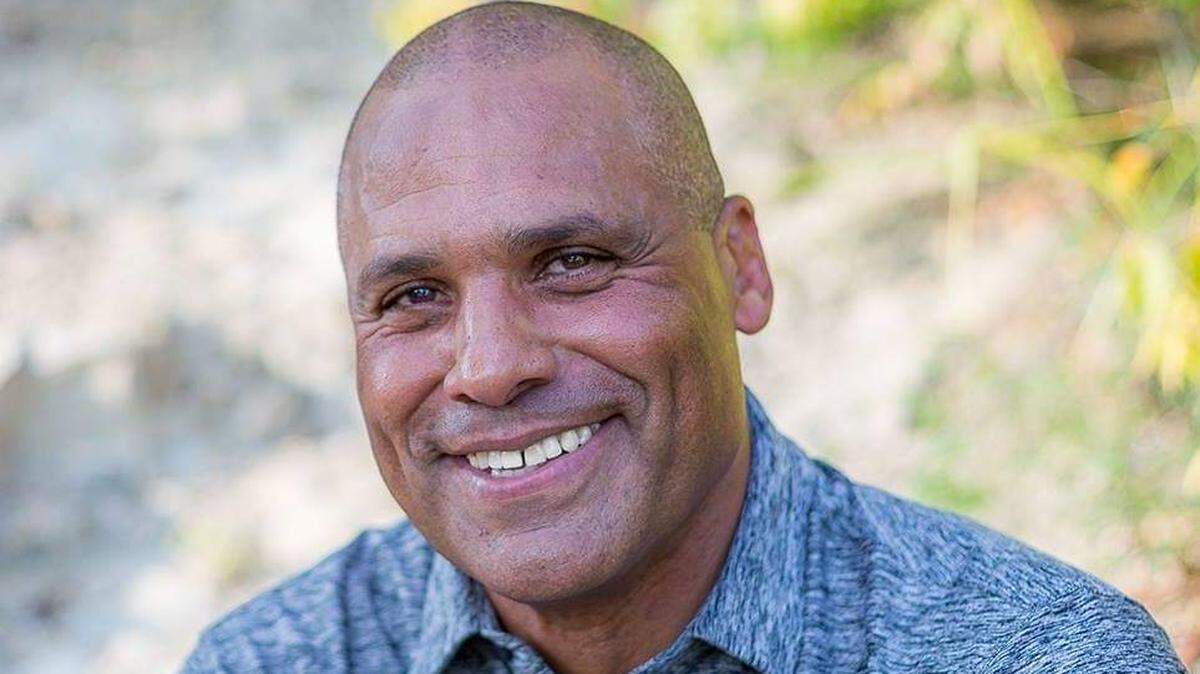
The big guy is 64 years old now, but don’t let that fool you. Slow down? Not for a minute. Not Art Still. The phone rings. The man answers. And off we go.
“Hey man, how are you doing?” says Art and the flip is switched for a fun, energetic, nostalgic, meaningful 45-minute thrill ride.
Two seasons ago, when outside linebacker Josh Allen was terrorizing offenses throughout the SEC, people asked me if Allen was the best defensive player I had ever seen at Kentucky. (Old guys like me get asked questions like that.) In the conversation, I’d say, before casting my vote: Art Still is the best defensive football player I’ve seen play at the University of Kentucky.
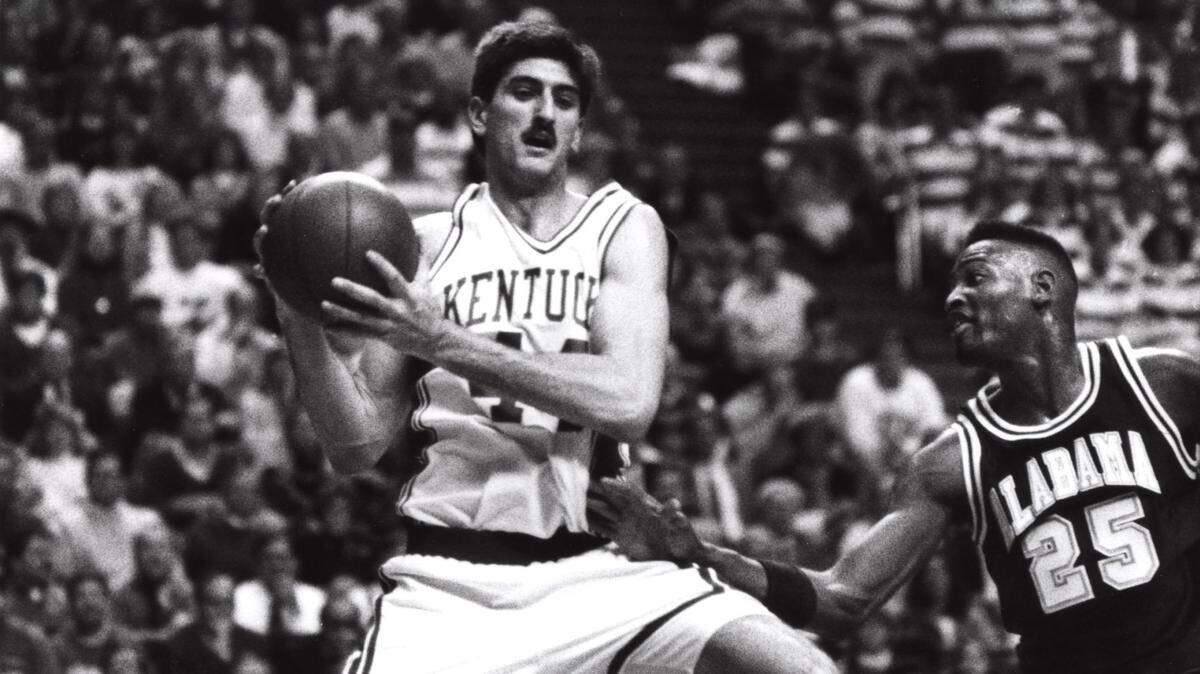
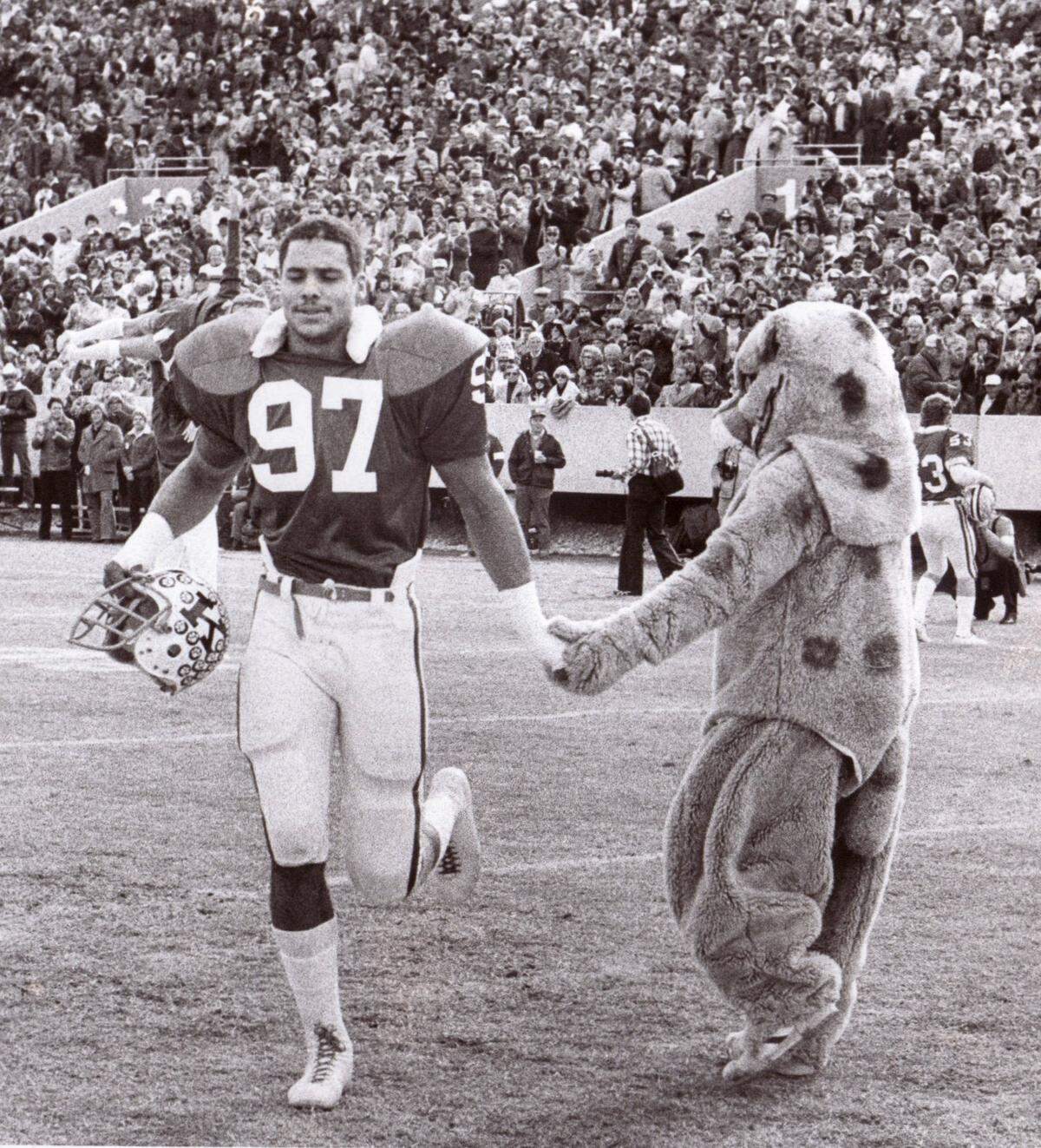
That was over 40 years ago, four decades since Still helped lead Kentucky to a 10-1 season in 1977 in which the Cats not only went undefeated in the SEC, on back-to-back Saturdays they defeated LSU 33-13 in Baton Rouge and Georgia 33-0 in Athens. They held six of their 11 opponents to seven points or less. The 6-foot-7 Still, a defensive end, was named first-team All-American.
The No. 2 overall pick by Kansas City in the 1978 NFL Draft, Still played 10 years with the Chiefs — four times earning All-Pro honors — before finishing his pro career with a couple of years for the Buffalo Bills. Afterward, he returned to Kansas City where he and Liz, his wife of 37 years, are into just about anything and everything.
“I’m getting into serious trouble,” Art says. “I can’t get away from that trouble.”
He’s kidding. That’s Art. Ask him about his family these days and Still relays he has 11 children — five girls, six boys — and 20 grandchildren with a 21st on the way. “I’m still reproducing, it’s just at a different stage,” he says.
Pandemic? No problem. It has given him a chance to sit back, take a breath. He can’t get out of the house, so he’ll make best use of his time inside the house, keeping tabs on his different endeavors, including his Still 4 Life foundation, and his new ones, including The Syndicated Coffee Team.
“What we do through e-commerce, subscriptions, 100 percent of the profits go back to the foundations,” he says. “Our lives have been centered around doing the right thing and with this we’re learning about a lot of different organizations that are trying to do the right thing. I enjoy that.”
One of the things Still is into now into is financial education, teaching young people about money and how to handle their own finances. Mark Jackson, formerly of the Denver Broncos, introduced Still to UCES Protection Plan, which focuses on financial skills that are not always taught in school.
“I grew up in the projects in Camden, New Jersey, man,” Still says. “I didn’t know anything about that stuff. I wish somebody had taught me.”
Even past his playing days, the one thing Still has remained has been obsessed with fitness. He’s always been one to think outside the box. I remember years ago talking to him for a story in which he was on an all-fruit diet. Now, he refrains from meat but has branched out a bit. He’ll eat some seafood. Eggs. He’s modified some things.
Recently, Still has followed the works of Dr. William Davis, who has published the “Wheat Belly” series of books on nutrition and health.
“I’ve talked to him a couple of times and his people,” Still says. “We’ve talked about wheat and a couple of other things. It just made a lot of sense what’s in that book for me. That’s what life is all about. You never stay on one course, you do the research until that fourth quarter bell rings.”
For Still, as far as nutrition and health, the first quarter began with his strength coach at UK.
“We had an excellent strength and conditioning coach, Pat Etcheberry,” Still says. “Pat’s thing was self-discipline. He was into the nutritional side and fitness and all that kind of stuff. I think Pat was the big mentor for me.”
An Olympian who competed in the javelin event at the 1964 Tokyo games, Etcheberry was UK’s first strength and conditioning coach, serving from 1973 to 1989 before moving to Florida to concentrate on tennis. His clients have included Pete Sampras, Monica Seles, Martina Hingis, and they have won over 90 grand slam tournaments. He was inducted into the UK Athletics Hall of Fame in 2014.
“The one thing I appreciate about Pat Etcheberry was he didn’t discriminate,” Still says. “He didn’t care if you were a star player or second- or third-team, he treated you the same way.”
Still was the star player. At 6-foot-7, he turned into a terror for opposing offenses, to the point where he was inducted into the College Football Hall of Fame in 2015.
“My credit goes to my teammates, guys I played with side-by-side,” Still says. “I was pretty fortunate that I played with other guys who maybe should have got the same recognition. Maybe it was my hair style, I don’t know.”
When asked, he jokes that he didn’t even know his Chiefs just won the Super Bowl. He’s too busy with other things. He has kept up with his college alma mater, however, and was pleased to be asked by Mark Stoops to stay connected.
“I think he’s doing an excellent job,” Still says. “And to tell you something about the organization and the university, some places even in the pros, if you don’t come back and do something within two or three years, you’re out. (Kentucky’s) looking long-term. I think that tells you something about Mitch Barnhart. I think that’s part of the process.
“Coach Stoops is bringing in ball players and those ball players are his marketing tool. The thing is you know he’s going to be there. He’s going to be around for awhile. To me, he has a great personality where he can talk to anybody. He’s a straight-up dude. That makes a world of difference, especially for young guys.”
In fact, recently Still was on a Zoom call with some other former players, including Josh Allen.
“It was funny, at the end of that call, Josh was like, ‘Who was the greatest team that played at Kentucky?’ And I was like, ‘What about the 1951 team? They were 10-1.’ It was a different era. It’s hard to say. They were 10-1, we were 10-1. And Josh’s team, what were they?”
Kentucky went 10-3 Allen’s senior season.
“Are you sure?” Still asked. “They were 10-3? Then how can they be better than a 10-1 team?”
He laughed.
“Playing the game was fun and all,” Still says, “but the main thing I got out of going to the University of Kentucky, doesn’t matter what shade of color, as a team you become a family. And I tell people all the time, it doesn’t matter who’s womb you came from or who’s the father, you want to make a difference. I couldn’t have asked for a better to place to go to school than Kentucky.”
Q&A
What do you remember most about Coach Fran Curci?
“The thing I appreciated about him, he was the coach but he was the CEO. The man at the top, he’s got to have people who have skills around him that can take it to another level. As a person, he was a straight-up dude. Good group of ball players. He was almost like a father figure and all, but when you act up he was pretty straight up about that and discipline.”
Was there ever a time when you questioned picking UK?
“True story, what happened was I think I signed in the spring time, so right after (high) school I came (to UK) in the summer so I could start working with the program and they got me a job. When I got there I was homesick. It was my first time being away from home, down south and it was a different environment. I had a job where I was tying wires — you know those things in the highway, those concrete dividers. Then they put me on the farm. Man, it was depressing the first time I came down and I was staying in an apartment. When I got my first paycheck, I found me a Greyhound, man, and I took that dog back home.
“Coach Curci came back (to New Jersey) and brought me back to school. I was homesick real bad. But the transition going to school there, from Camden, I grew up in the projects, and then coming to school and the classes were just the complete opposite as far as shades of colors and all.”
If you hadn’t picked UK, which college would you have chosen?
“I was probably going to the University of Hawaii and hang out with the hula girls. No, the place I was going to go was Michigan State. Parents used to be the most important things in child’s life, and still are, but the one who comes next to it is coaches. When I came to high school we had Andy Hinson, another good coach, an excellent coach and there were a lot of things I learned from him. He was almost like a father figure to me and he pulled me over to the side one time before I was making the decision and he had kind of steered me toward Kentucky. His reasoning, which made a lot of sense, was, ‘Hey Art, if you go up to Michigan, Michigan is known for football, it’s Big Ten football. But you have the opportunity of maybe going to Kentucky, maybe starting and making a name for yourself because it’s known for basketball. It made a lot of sense.”
What is your favorite on-field memory as a Wildcat?
“True story, and you probably think it’s an act and I’m playing. We were playing the University of Georgia in 1977 down in Athens. Prince Charles was at the game. At halftime, Coach (Vince) Dooley and I think it was Matt Robinson, where they had a coach and a player go out at halftime and meet Prince Charles in the middle of the field. So when (Coach Curci and I) went out to the middle of the field, they had like railroad tracks, I can still see it right now, a big old sheet dropped down and it said (an off-color sign) about Prince Charles. I was like I’m going to talk about this the rest of my life. Even if I get a third overtime in life, I’m going to talk about that.”
Biggest regret at Kentucky?
“I was thinking that after I got drafted and came to Kansas City I should have came back and stayed at Kentucky in the offseason. It was one of the things that I was committed to Kansas City, but I should have stayed in Kentucky. I loved Kentucky, made it my home and all. My wife would tell you the same thing. A great town, good people and all.”
What’s the most recent UK sporting event you attended?
“I went to the first game last year. I was planning on going to games this year but I don’t know how that’s going to work.”
Who has been your favorite UK player to watch during the past few seasons?
“You know, everybody’s got a different spirit in them. You know when we were coming up, when we were playing ball, there wasn’t a lot of pointing at yourself, like I made a sack and it’s me. That was your job. Today, to me, it does get a little self-centered because football is a team sport. If it was just you and you’re going to do what you do I don’t think you get back (to the quarterback), there are the other 10 guys on the field. They may not have the skills you have, but they might be tying somebody up so that you can use your skill. Maybe I’m getting old, but it’s kind of somewhat self-centered. Like, ‘Oh, I made this sack. I did this.’ That’s what you get paid for. I kind of chuckle at that. I think if they’re going to do that there should be a rule that if you get run over or they throw a touchdown on you, you should stand up and say, ‘Yeah, that’s me that got run over. I didn’t do my job. The dude ran me over.’ Just be honest.”
Who was your sports idol growing up?
“To this day, I’ve still got my jacket and I had the opportunity to play side-by-side with him in the Pro Bowl, and it was Ted ‘The Mad Stork’ Hendricks. In high school and all, and I’ve still got it on my jacket, they called me ‘The Mad Stork.’ My number was 83. His number was 83. When I finally made it to the pros and one of the Pro Bowls, I’m down in my stance and I was little ‘Mad Stork’ playing next to big ‘Mad Stork.’ It was one of those kind of moments. It was almost bigger than the Prince Charles situation. Nah, ain’t nothing going to top that.”
What do you wish someone had told you before you began your college sports career?
“You know, it’s kind of funny and I’ll bring up another guy, Rick Fromm. This is a true story. Rick Fromm went to school in Cherry Hill, New Jersey. And there was another guy, Jim Ryan, who played for the Broncos. We were the inner-city school. We couldn’t stand the suburbs. You know how that goes. They were in the suburbs, we were in the projects. That was a big, big rivalry. It was like, ’They’re keeping us down so we’re going to take care of them on this.’ My senior year we were 8-0-1 and the one was a tie against them it was 0-0.
“But when I came to Kentucky, Rick Fromm took me under his wing because I was from New Jersey. The one problem I had at Kentucky was getting back home to see my family. Rick used to have a green Nova. So when we got our breaks from school, Thanksgiving and Christmas time, Rick would take that Nova and we’d go (I-)64 and over the mountains. Rick was one of those guys, those guys they took us under their wing. It made the transition nice for me.”
Which of your former UK teammates do you stay in contact with the most?
“Jerry Blanton was my roommate at Kentucky, we played side-by-side, and we played together with the Chiefs (1979-85). I talk to Jerry all the time. I talk to Derrick (Ramsey) but not as much, you know we got family and all. But whenever I talk to them it’s like we’re still family. It’s just like it was yesterday.”
This story was originally published May 25, 2020 at 7:49 AM.