He helped save UK basketball at one of its lowest points. ‘I take a lot of pride in that.’
READ MORE
We Meet Again
The Lexington Herald-Leader and Kentucky.com are publishing a series of stories catching up with former University of Kentucky athletes. Click here to read all of the installments published previously.
Expand All
Editor’s Note: This article is part of a weekly series in which the Herald-Leader is catching up with former University of Kentucky athletes.
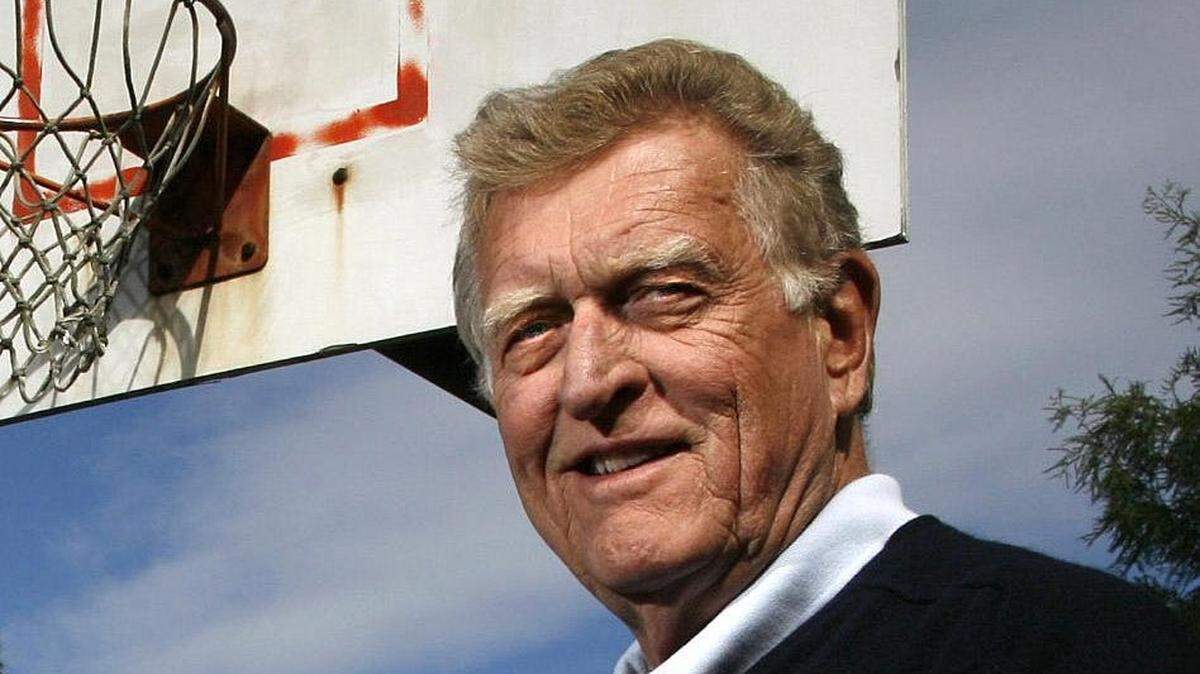
Before he became one of the most important players in a new era of Kentucky basketball, Reggie Hanson was partial to a different shade of blue.
Moving from the Charlotte area to Somerset in the early 1980s, the middle-schooler’s allegiance was already established, and — where he came from — it was all about Michael Jordan, Sam Perkins and the rest of the North Carolina Tar Heels.
In his new home, such talk amounted to basketball blasphemy.
“All my teammates were talking Kentucky this and Kentucky that. I was like, ‘What are you talking about? Carolina — Jordan and Perkins and Dean Smith.’ So we were always kind of back and forth,” Hanson told the Herald-Leader last week.
Hanson made the move to Kentucky with his family after his older brother’s entry into the Job Corps took him to McCreary County. Dave Fraley, the basketball coach at nearby Pulaski County, was known to help kids get out of the Job Corps and back into high school. Hanson’s older brother ended up being one of those kids, and he told Fraley that he had two brothers who were also good at basketball. The coach talked Hanson’s mother into moving the family to Somerset, and that ultimately shifted the future Wildcat’s basketball fandom from one blue blood to another.
The transition wasn’t an easy one.
Hanson laughed as he recalled a barnstorming event that brought the Wildcats to Somerset early in his high school days. On the day they arrived, he made his way into the locker room where the Cats would be dressing and added some off-color decorations.
“I put North Carolina stuff all over the locker room,” Hanson laughed. “I heard they didn’t like it too well.”
As Hanson got older — and college recruiters started paying attention — he warmed up to the Wildcats.
“Once they started recruiting me, that kind of forced me to be a little more open to what my teammates and the people around me were saying about Kentucky,” he said. “So, once they started recruiting me, it was like, ‘OK, this is crazy. This is wild.’”
Most of the teams in the SEC and ACC were pursuing his commitment, but Hanson decided that he wanted to give Kentucky — his new home-state school — the first shot. He took an official visit to Lexington, and nobody else ever got a chance.
“Once I took that visit, it was the first and the last,” he said.
Stay or go?
Hanson’s original decision to play for the Wildcats might have been an easy one, but the choice of whether to stick around when things turned sour wasn’t as simple.
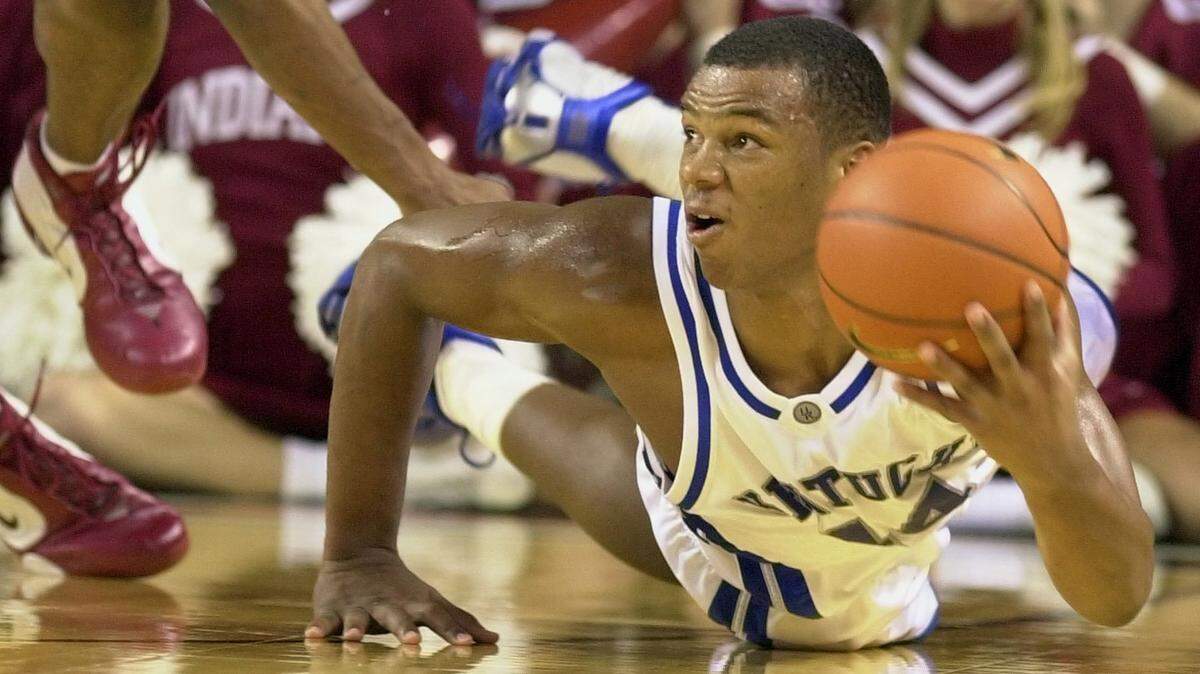
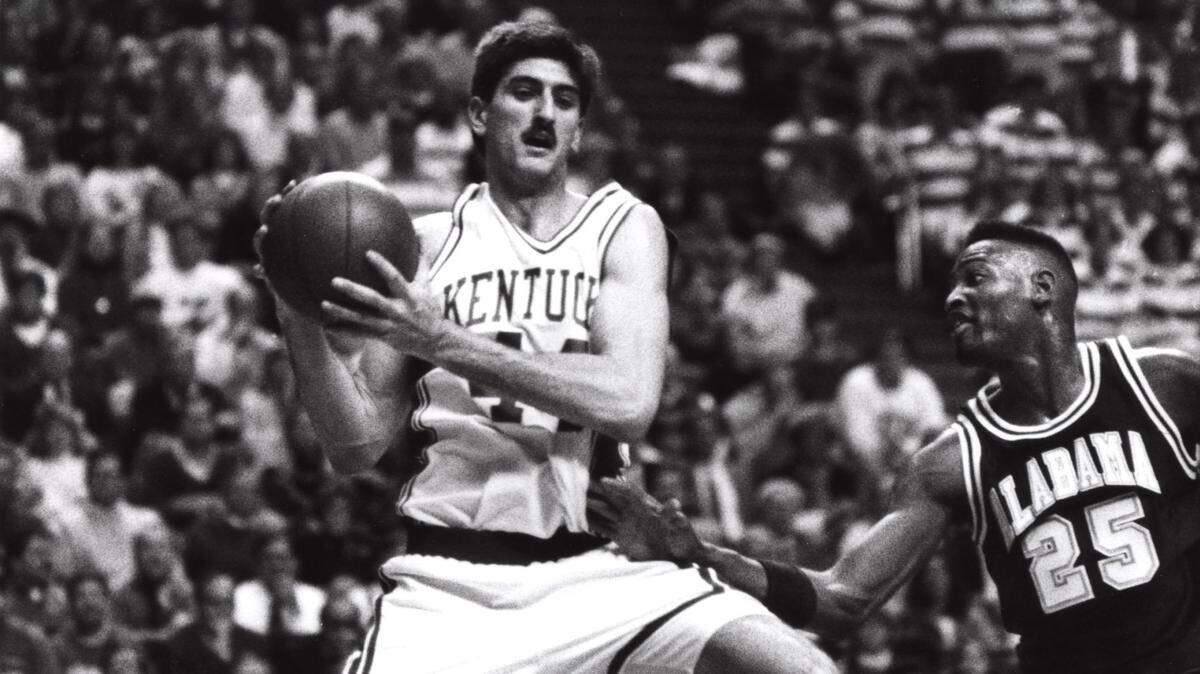
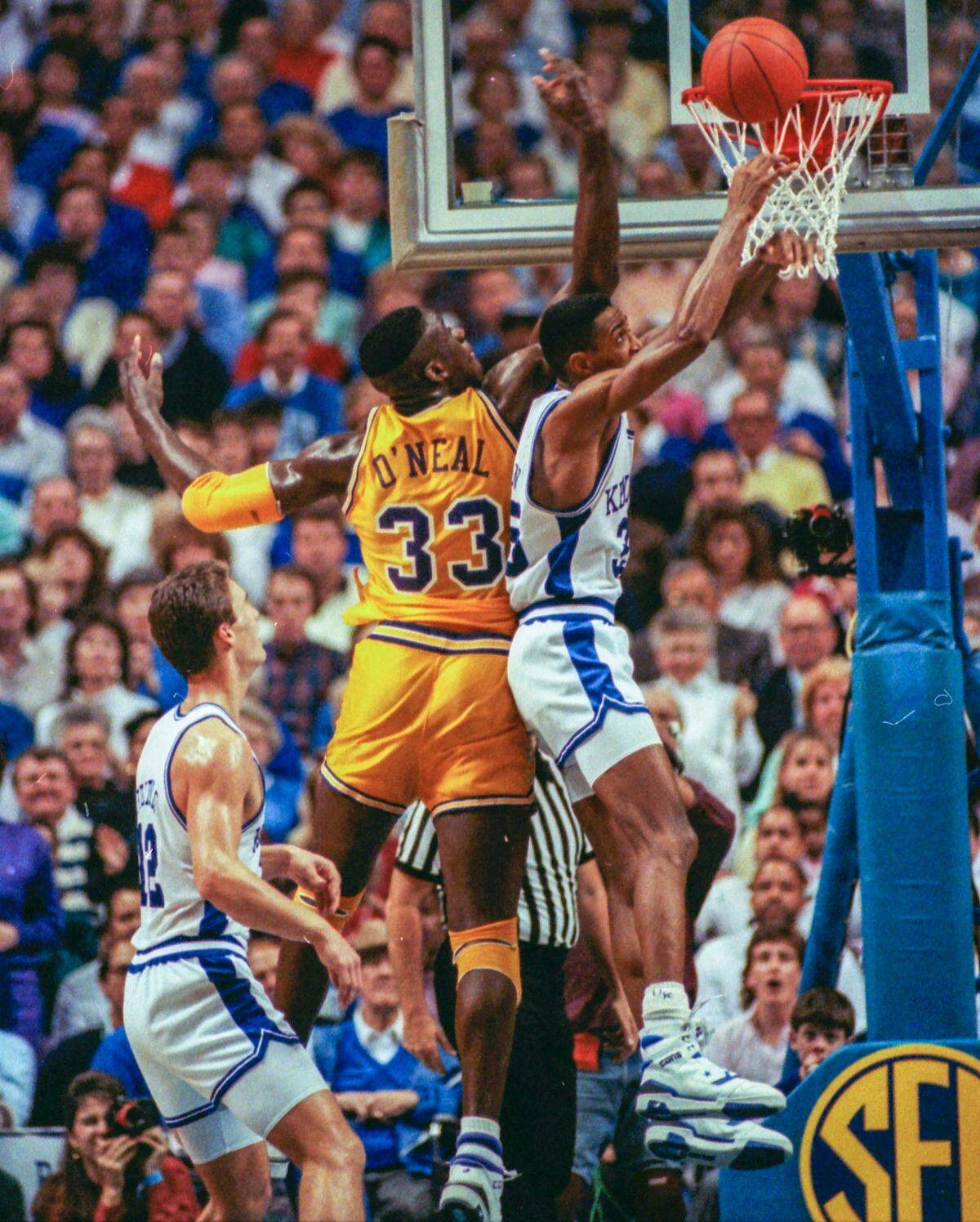
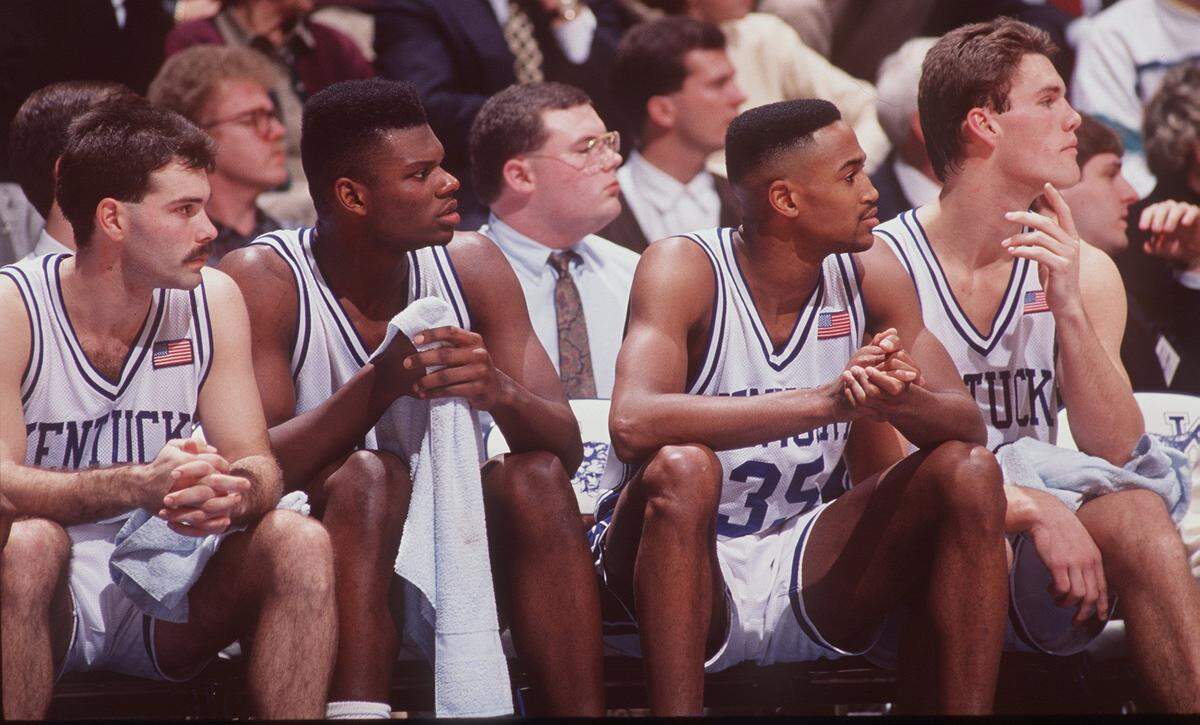
The 6-foot-7 forward played sparingly as a freshman, but he emerged as one of UK’s key players during his sophomore season and appeared to have a bright future ahead of him.
It was after that sophomore year — the 1988-89 season — that Kentucky basketball imploded.
The program was hit with a two-year postseason ban as part of the NCAA’s penalties stemming from an investigation into the team. Coach Eddie Sutton resigned.
For Hanson, staying put would mean the uncertainty of a new head coach plus no chance of playing in the NCAA Tournament. If he had left, NCAA rules would have allowed him to transfer to another school and play right away, since he had nothing to do with the scandal and the postseason ban would have stretched through his senior season.
When he got to college, Hanson had goals of winning the SEC Tournament, competing for an NCAA title, and — hopefully — positioning himself to be an NBA Draft pick. The postseason ban would torpedo those team goals, and that penalty — along with a TV ban from the NCAA — would limit his ability to showcase his skills for NBA scouts.
Still, Hanson stayed.
“I said to myself, ‘If I go to another school, the exact same thing could happen. I said, ‘I didn’t have any control over this happening. I had nothing to do with it. And the exact same thing could happen. Am I going to run every time something happens that’s out of my control?
“‘I’m going to stay here, and I’m going to rewrite my story, and I’m going to make a change here and do what I need to do to help this university get back to prominence.’ And, at the end of the day, I ended up accomplishing more goals than what I had set for myself going into Kentucky.”
Back to prominence
Hanson said the transition from Sutton to Rick Pitino was like a “shock,” especially with the grueling conditioning drills implemented by the new coach. It obviously paid off in the end.
Under Sutton, Hanson was used as more of a post player, and he told Pitino up front that he saw more in his own game.
“You don’t have to worry about that,” Pitino told him. “You’re going to post up. You’re going to handle the ball. You’re going to shoot threes. You’re going to do everything guards do. We’re going to develop your game. … You just have to worry about getting in shape.”
“That was the toughest part,” Hanson recalled. The new coach’s drills started with everyone on the team mandated to run a mile in an allotted time. Then it stretched to two miles. (Hanson recalled 12 minutes as the time for that one). Players did their runs in the afternoon. If they didn’t make time, they’d return the next day at 6 a.m. If they didn’t make that, they’d be back later that afternoon. And so on. Until everyone made it.
UK’s players weren’t used to being pushed like that. Hanson said he threw up before every run — out of anxiety — and Pitino noticed and was concerned he might be “on drugs.” He sent strength and conditioning coach Rock Oliver to the Wildcat Lodge to have an intervention of sorts with the college junior.
“Reg, you can talk to me,” Oliver told him. “I know we’re a new staff, but we’re here to help you guys. If you need some help with something, let me know.”
Hanson laughed at the implication.
“Rock, I have never tried an illegal drug in my life,” he said. “I have anxiety from having to do those runs every day. I can’t sleep. I can’t eat. That’s what my deal is.”
Then it was Oliver’s turn to laugh. He told Hanson to just keep working and push through it, and he’d be fine. He was right, of course, and Hanson’s game blossomed under the new regime.
Hanson, who shot a grand total of zero three-pointers in his first two seasons as a Wildcat, shot 96 of them — at a 36.5 percent clip — on that first Pitino team. He was second on the team in scoring and led the squad in rebounds and blocked shots in each of his last two seasons.
More importantly, he played a major role in turning the program around in just two years.
Even with no postseason goal to shoot for, the 1990-91 Wildcats achieved a 22-6 record, an SEC-best 14-4 mark, and finished the season as the No. 9-ranked team in the nation. Hanson, the only senior on that squad, was a first-team All-SEC selection.
The Unforgettables would go on to immortality a year later and Jamal Mashburn would lead the Cats to the Final Four a year after that, but Hanson will also forever hold a place in UK basketball lore for his willingness to stick it out, knowing the NCAA glory would never come.
Nearly 30 years later, he said he still hears the “thank-yous” from Kentucky fans every day.
“Everywhere I go, they show appreciation,” Hanson said. “And even Rick mentioned years ago that he didn’t know what would have happened if I had not stayed. … Looking back on it, I can still feel that excitement that surrounded the program at that time.
“I take a lot of pride in that. And it goes back to what I said and what I tell people: ‘You can’t run from everything. Some things, you have to stand and hold your ground, fight through the adversity.’ That’s what I was proud of. I knew I’d made the right decision. And that’s something that I take a lot of pride in — that decision I made.”
Return to Kentucky
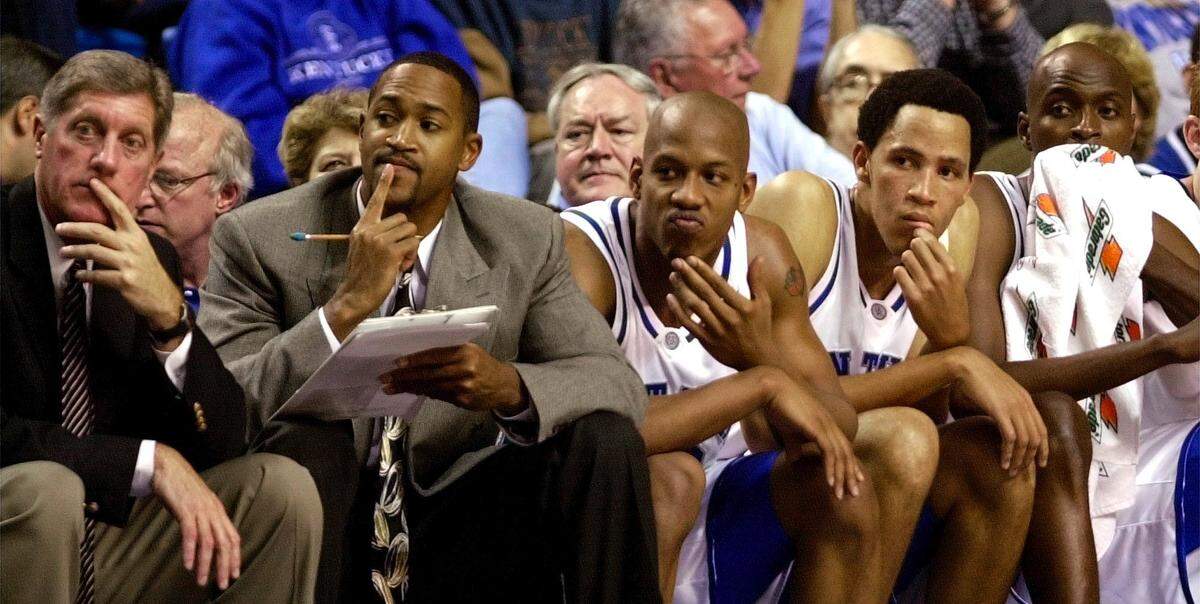
Hanson’s natural leadership abilities on the basketball court made his transition into coaching a no-brainer. Following a professional playing career that included a short stint with the Pitino-coached Boston Celtics and several seasons in Japan, Hanson returned to Lexington as a member of Tubby Smith’s coaching staff.
Hanson said that — during his playing days — teammate Henry Thomas would tell people of the chain of command on UK’s team: “It was Reg, then it was Rick.”
“I had my teammates’ back. And that’s something they knew,” Hanson said. “I would be on them. I’d drive them. But I would work just as hard as they did. That’s what you had to do as a leader. And I always got joy out of helping people be better. Helping my teammates be better.
“It just came natural to me. And when I got into coaching, I just loved having the impact that coaches can have on peoples’ lives. You have a serious impact on which way someone’s life can go. And I loved that. I got so much joy out of that. So many kids you recruit come in struggling, whether it’s their economic background, social background, divorced parents, single parents, drug situations — that you have to do a lot to help them change themselves in order to help them and help your program.”
Hanson was on Smith’s staff for seven seasons. His experience as a UK player paid off when dealing with the younger Wildcats and helping them transition to college.
“The good thing about it is I understood the pressures of Kentucky. And that’s what most people — whether you’re a coach coming in that’s never coached there before or a player coming in that’s never played there — you don’t understand the pressures and responsibilities that go with that until you’re there,” he said. “So going in there as a coach, I understood that from a player’s perspective. So that gave me a leg up, in a sense.
“If you haven’t really been through it, sometimes athletes will challenge you on that. ‘You ain’t been through none of this — how do you know? How can you tell me this?’ They’ll challenge you on it. So it didn’t matter what I said to any of the players I coached at Kentucky … they couldn’t say anything. Because I’d been there, too.”
Following Smith’s departure for Minnesota, Hanson joined the coaching staff at South Florida and later returned to Japan to become a head coach in the professional ranks there.
These days, he calls the Tampa, Fla., area home, and — though he’s no longer coaching on the basketball court — he’s still guiding people and changing lives.
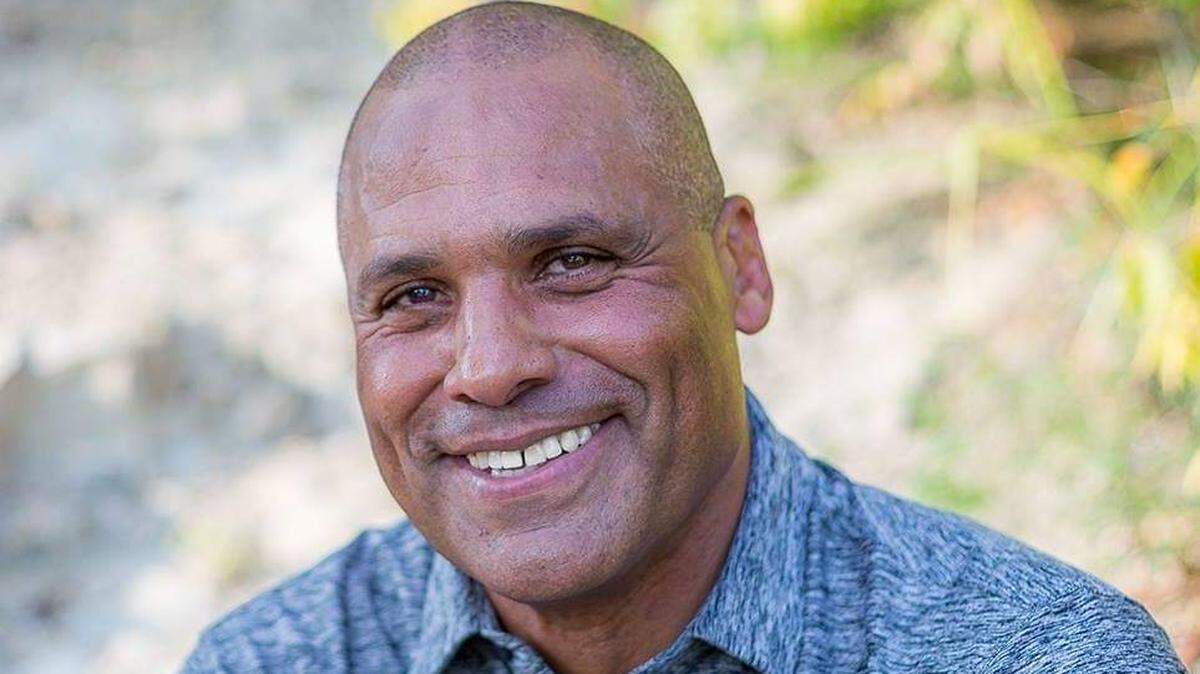
Hanson, 51, started his own company — Hanson Coaching & Consulting — that helps people navigate life changes and solve problems they can’t overcome on their own. He also wrote a book using his experiences in basketball as a metaphor for getting through life’s challenges.
“It’s a book that can add value to peoples’ lives about life lessons and showing you how to adjust to them and how to learn from them,” he said. “That’s what my whole life has been about — adding value to people and helping people.
“I’m enjoying it. … I’m coaching people.”
Q&A
What do you remember most about Coach Sutton?
“Probably just his intensity, in terms of (wanting us to be) such a great defensive player and defensive team. I definitely learned to be a tough, tough defender and understood from there that that’s how you win games.”
What do you remember most about Coach Pitino?
“Just the intensity in everything. Offensively, defensively — everything was intense, no matter what it was. It had to be intense. I don’t care what it was. I don’t care if it’s breakfast — it had to be intense. And it had to be at a high, high level. It had to be at a level of exhaustion.”
Was there ever a time when you questioned picking UK?
“No. Never. I’ll tell you this: when Rick was hired, and we started going through conditioning, I questioned whether I should have stayed. Jokingly. Jokingly. But I was like, ‘What have I gotten into?’ I’ve never questioned picking Kentucky. I tell people all the time, it’s an unbelievable university.”
If you hadn’t picked UK, which college would you have gone to?
“I really don’t know, because — like I said — I was heavily recruited by the ACC and the SEC, but I don’t know. Once I took that visit to Kentucky, it was all over. I didn’t really give anybody else a chance to get to know or for me to get to know them or much more about their schools.”
What is your favorite on-court memory as a Wildcat?
“I would say cutting those nets down after that last game against Auburn and we had won the SEC my senior year. Just cutting those nets down. My teammates were holding me up to cut the nets down, and that was the best memory that I had.”
What’s the most recent UK sporting event you attended?
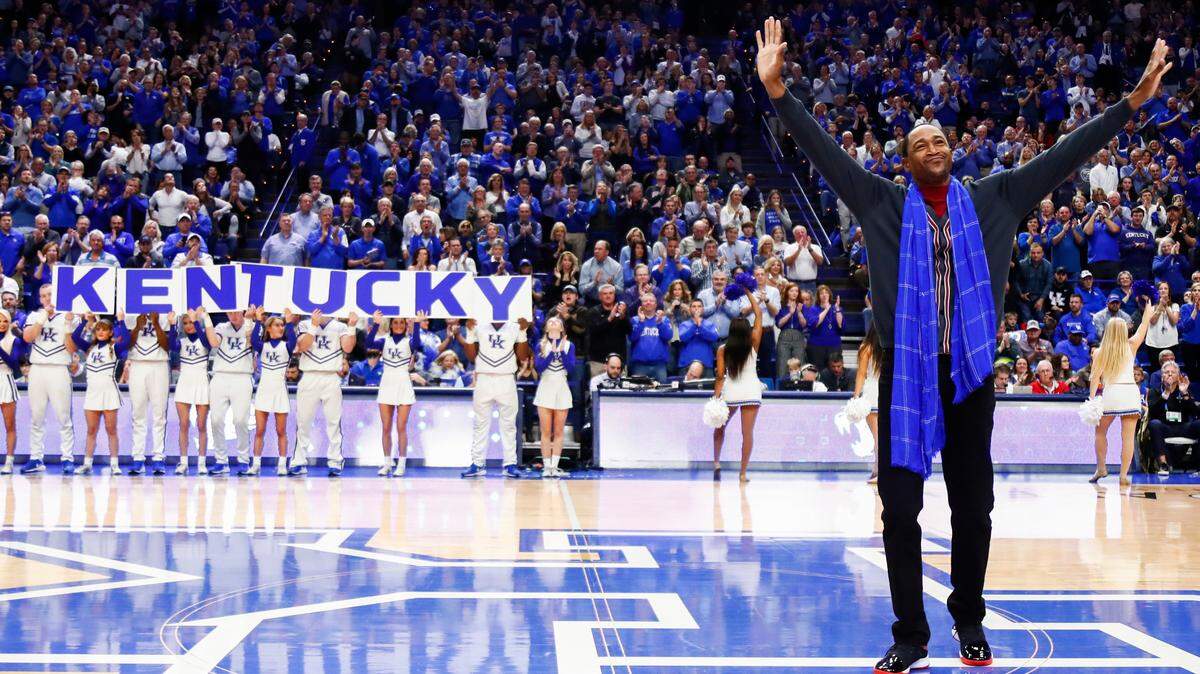
“I went to a game in January (against Alabama) and performed the Y.”
Who has been your favorite UK player to watch during the past few seasons?
“What I love to see is players that from one year to the next improve. And I think Nick Richards is that guy. We haven’t had the type of talent — even though it’s been the top talent in the country — we haven’t had like the John Walls and the Anthony Davises — it hasn’t necessarily been that level of talent in the country. So I look for players that come in that are getting better each year. You can see them growing. You can see them developing. I like to see players that do that.”
Who was your sports idol growing up?
“Charles Barkley was my favorite player. I just loved his intensity. There was no fear. He was 6-4, 250, and it didn’t matter who he was going up against. I loved his intensity. I loved it.”
What do you wish someone had told you before you began your college sports career?
“How much you have to manage. From your academics to your time with anything — practicing, getting rest and eating … I would have loved to have known more about how to manage all those types of things. And thank goodness we didn’t have social media back then, because that’s a management course itself.”
What is your biggest regret from your time at Kentucky?
“I really don’t know. The biggest decision I made while I was there was staying. And that turned out great. So in terms of something that I really regretted, I can’t think of anything. When I look back on it, that would be the only thing that I could say could have been some type of regret, but it wasn’t.”
Which of your former UK teammates do you stay in contact with the most?
“Me and Rex Chapman stay in contact. Other teammates, we stay in contact, but it’s more through social media or on Father’s Day or a birthday or something. In terms of teammates I stay in touch with the most, it would probably be Rex.”
This story was originally published July 6, 2020 at 7:20 AM.