
Does the Kentucky Derby still matter? The ‘greatest two minutes in sports’ is a global icon.
READ MORE
Does the Derby still matter?
Lexington Herald-Leader columnists John Clay and Linda Blackford argue the significance of our state’s most recognized sporting event in today’s rapidly changing cultural landscape.
Expand All
Editor’s note: Lexington Herald-Leader columnists John Clay and Linda Blackford argue the significance of our state’s most recognized sporting event in today’s rapidly changing cultural landscape. Click here to read Linda Blackford’s opinion.
Even after the controversy and the bad publicity and the accusations and violations and disqualifications, we are here to illuminate the “official” sign on the following pronunciation.
The Kentucky Derby matters.
“Why wouldn’t it?” said Thoroughbred racing owner Jack Wolff.
Why wouldn’t it indeed? Heading into its 148th renewal at Churchill Downs on May 7, the Kentucky Derby remains not just “the greatest two minutes in sports” but America’s greatest and most important horse race, the one race the general public devotes its short attention span to year after year after year. It’s a tradition.
“You can’t beat tradition,” said the 85-year-old trainer D. Wayne Lukas, who has won the race four times. “You take a race and you put it in the mecca of the horse industry and then give it 148 years of tradition, this is one of a kind. It will always stand by itself.”
Tradition does matter, especially in our ever-changing world. Since its very first running, won by Aristides in 1875, the Kentucky Derby has been conducted in the same town (Louisville), on roughly the same patch of ground (off Central Avenue) at normally the same time of year (the first Saturday in May).
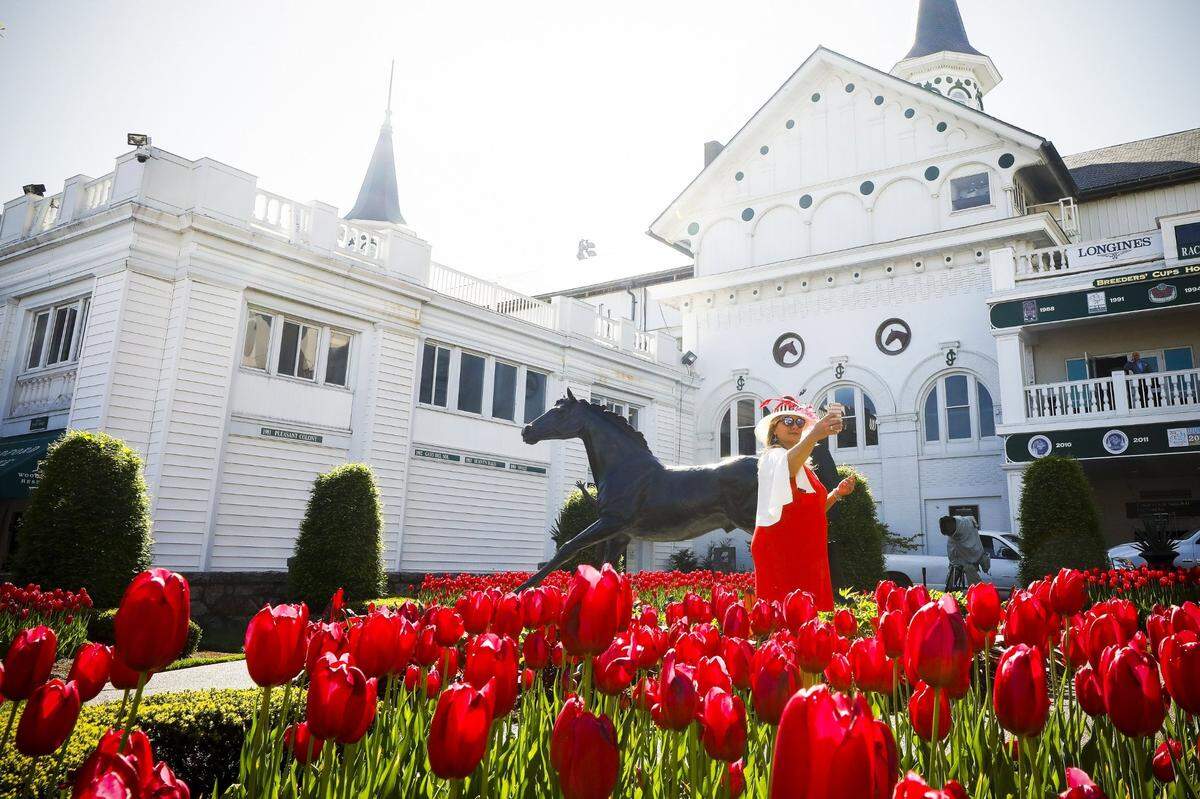
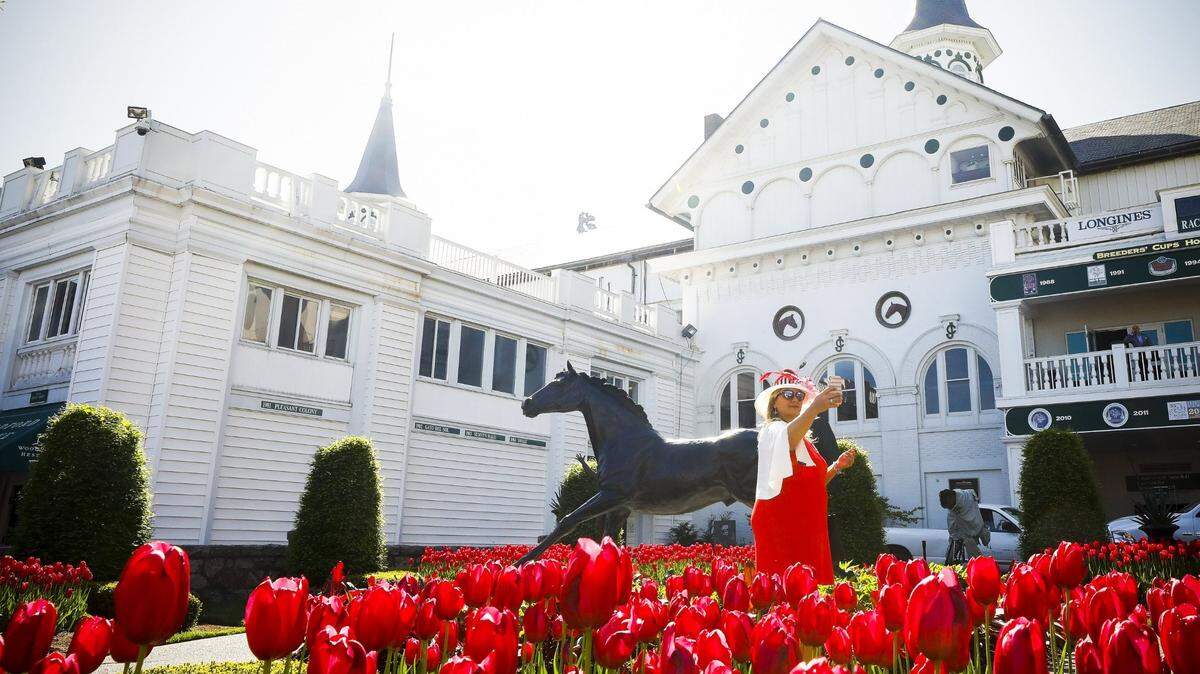
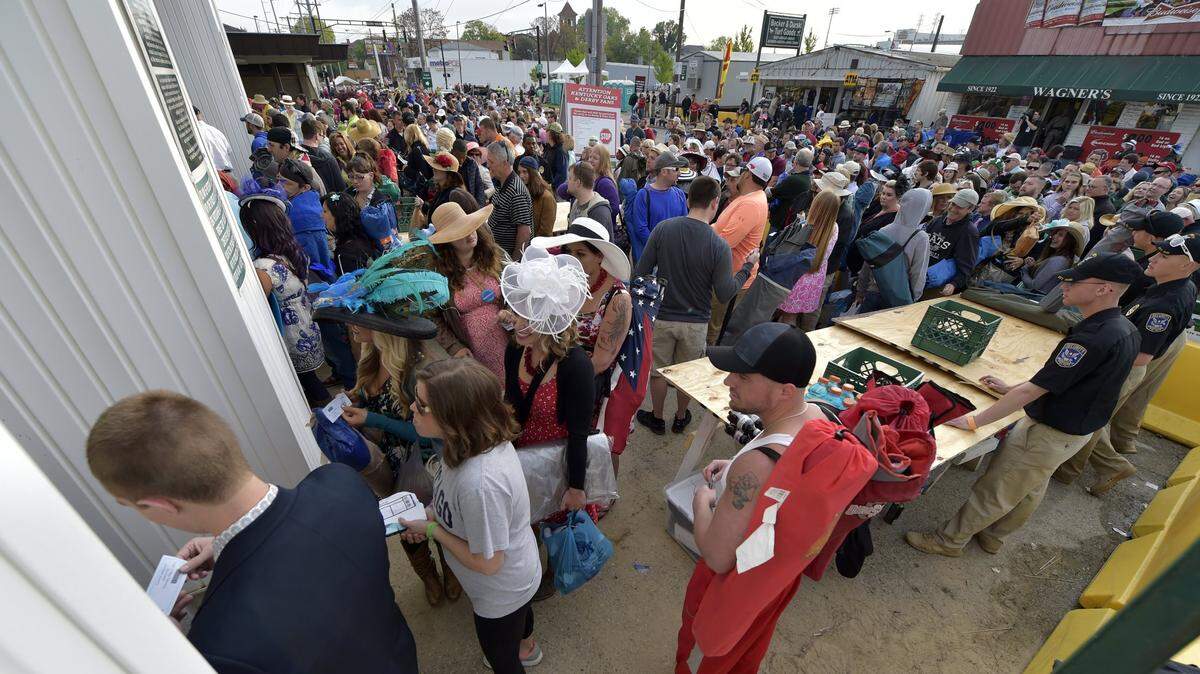
It matters as our state’s signature event, one that attracts not just this country but the world to the mint juleps, the dresses, the stylish suits, the crazy hats, the wagering, the equine athletes, the beautiful scenery, the sentimental story lines, all in the name of having a good time. And, oh yes, the parties. Derby parties aren’t just here, they’re everywhere.
“You capture the whole country on one day,” Lukas said.
The Derby matters because it blends sports and culture and entertainment and — yes — gambling into one pleasing package. Where else can you mix $2 bettors with millionaires row, mix hot-walkers in the horse barns with the “Kentucky Derby Festival Queen,” mix the hard-core race race fans with NFL celebrities like Tom Brady and Aaron Rodgers.
“It’s an event,” said the trainer Kenny McPeek, who will have two entries in this year’s Derby. “There’s an aura about it. There will always be an aura about it.”
It matters as a participatory event. Over $233 million was bet on the 2021 Kentucky Derby Day program, surpassed only by the $250.9 million bet in 2019. There was $155.4 million bet just on the Kentucky Derby race alone. And for Derby week, Churchill Downs reported a near-record handle of $314.6 million.
It matters as an economic event. Recent studies have shown that the Kentucky Derby has a $217 million impact on the city of Louisville alone and a $3 billion impact on the equine industry. Chump change that is not.
“Selfishly,” said Wolff, himself a Louisvillian, whose Starlight Racing was a co-owner of 2018 Triple Crown winner Justify and 2020 Kentucky Derby winner Authentic, “it’s an opportunity to get all the family together and friends.”
NBC believes the Derby matters. This year the television network is devoting 12 hours of live coverage on NBC and the USA Network — including 15 live races — over a two-day period, encompassing both the Kentucky Oaks on Friday and the Kentucky Derby on Saturday. Included will be five hours on the main NBC network alone. And, for the first time ever, the Saturday coverage will be simul-streamed on Peacock.
“I think it’s one of the most iconic events in all of sports entertainment,” NBC executive Jon Miller said. “I’m not just talking about the U.S., I’m talking globally. I’d put it up there with the Super Bowl, with the Olympics. There are very few properties that rise to that level like the Kentucky Derby does in terms of entertainment, importance, cultural effects. It’s just such a spectacular, enduring event.”
NBC would not devote that much coverage if people were not watching that much coverage. Miller says the Derby is among “the most-watched events in the second quarter of the sports year.” The numbers bear that out. In 2021, the Derby averaged more viewers than the first round of the NFL Draft or the Academy Awards.
“I think when you hear the term ‘bucket list,’” Miller said, “you talk to a lot of people who love sports and love events and the Kentucky Derby to me is very high on their bucket list. There is nothing like the Kentucky Derby.”
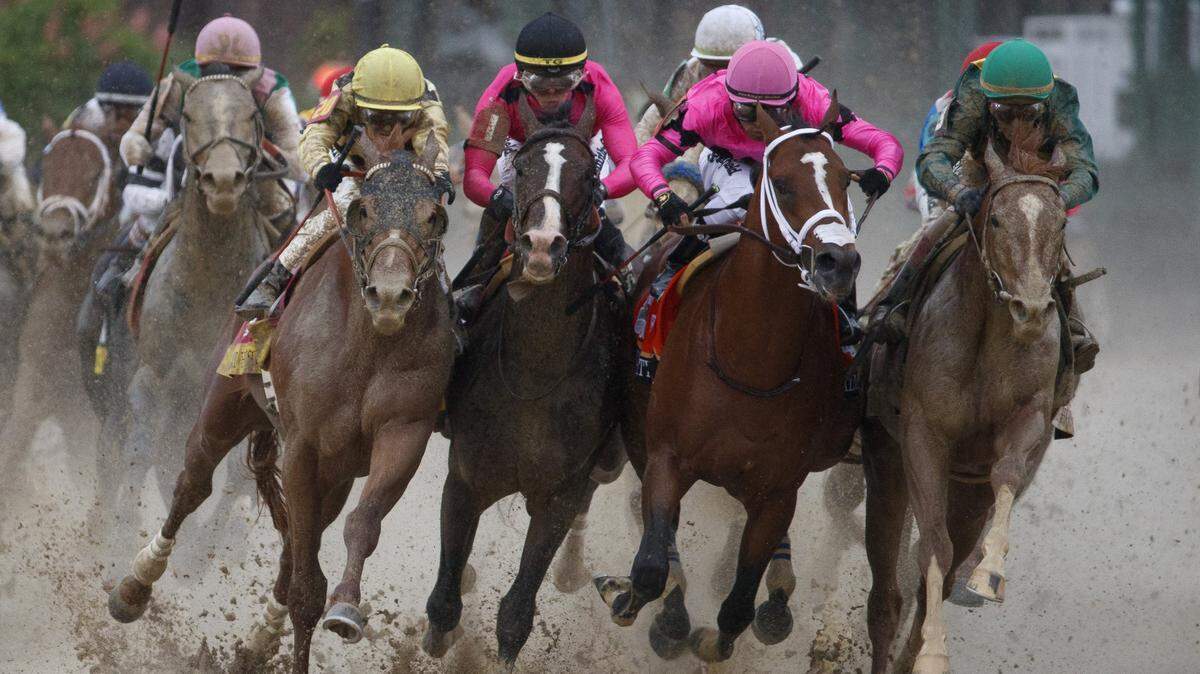
To be sure, the race and the sport itself have faced their own sets of challenges. The rash of equine fatalities at Santa Anita in 2018-19 not only cast the sport in an unflattering light but threatened its existence. That was followed by the Derby’s messy in-race disqualification of Maximum Security in 2019. Last year brought the disqualification of Derby winner Medina Spirit and a two-year suspension of record-setting trainer Bob Baffert, the most recognizable figure in the sport, over a positive drug test for a banned substance.
“It didn’t help it any,” said Lukas, who calls Baffert a friend. “That was a lot of unjust, unfair publicity. The public was making opinions and judgments and they didn’t understand what was happening.”
“I don’t think it hurt the Derby at all,” Miller said. “I think the Derby moved quickly. The Derby is very protective of what they have and they made, in my mind, in our minds, the right move.”
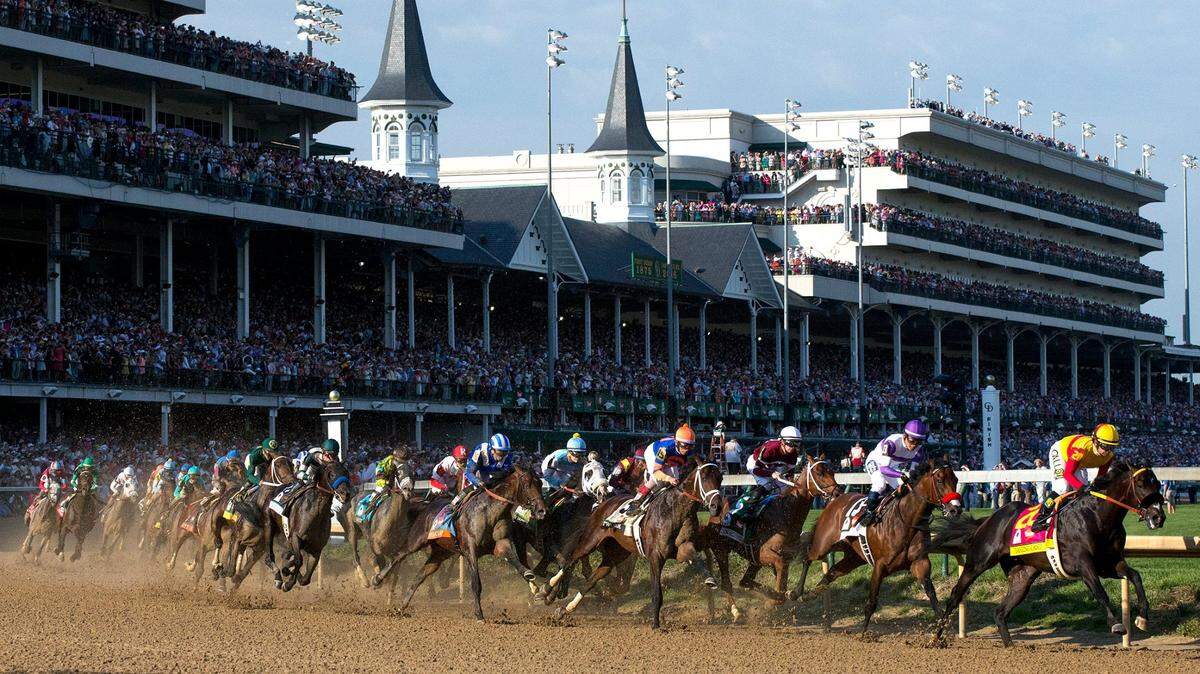
Despite all that, come Saturday, May 7, there will be millions watching on television, over 150,000 people in the stands and suites at Churchill Downs and 20 horses in the starting gate for the $3 million Kentucky Derby.
“It’s the hardest race to win,” said trainer Brad Cox, who won the 2021 Kentucky Derby through disqualification with Mandaloun and will have three entries in 2022. “It’s the only race we run in the country that has 20 horses. It’s demanding. It’s hard to get horses there and harder to win. And it impacts everything.”
There is only one Kentucky Derby winner each year. The Jockey Club reported that 20,363 live foals were born in 2019. Only one will win the 2022 Kentucky Derby. One 3-year-old colt. One trainer. One owner or group of owners. There is something romantic about that. And immortal. Once a Derby winner, always a Derby winner.
It’s why only once since 2005 have fewer than 18 horses raced in a Derby field limited to 20. The exception? The COVID-19 pandemic year of 2020, when the race was delayed until Sept. 4 and only 15 horses made it to the starting gate. Second to winning the Kentucky Derby is having a horse in the Kentucky Derby.
.JPG "AmericanPharoah2 (1).JPG")
“I thought maybe 20-head entries would be a one- or two-shot deal,” Lukas said. “Here we are every year 24, 25, 26 horses (try to enter the Derby). It is the premier, No. 1 deal.”
And every trainer will tell you the same thing: Once a trainer informs someone of his or her chosen profession, the trainer will inevitably be asked, “Have you ever won the Kentucky Derby?”
Steve Asmussen is the winningest trainer in history with over 9,400 victories. He’s not a household name outside racing, however, because he’s never won a Kentucky Derby. Richard Mandella won four Breeders’ Cup races in a single day. He’s not a household name, however, because he’s never won a Kentucky Derby.
His Highness Sheikh Mohammed bin Rashid Al Maktoum has spent millions of dollars on Godolphin Racing in hopes of winning a Kentucky Derby, only to come up short. Ireland’s Aidan O’Brien, perhaps the world’s most famous horse trainer, has brought six horses from Europe to the United States in hopes of winning a Kentucky Derby, only to come up short.
When the Japanese horse Crown Pride won the UAE Derby last month, trainer Koichi Shintani left no doubt about the colt’s future plans: “I want to go to the Kentucky Derby.”
Because the Kentucky Derby matters.
.JPG "Nyquist (1).JPG")
This story was originally published April 28, 2022 at 10:16 AM.

.JPG)