
Does the Kentucky Derby still matter? Until racing rights itself, it’s a tarnished flagship.
READ MORE
Does the Derby still matter?
Lexington Herald-Leader columnists John Clay and Linda Blackford argue the significance of our state’s most recognized sporting event in today’s rapidly changing cultural landscape.
Expand All
Editor’s note: Lexington Herald-Leader columnists John Clay and Linda Blackford argue the significance of our state’s most recognized sporting event in today’s rapidly changing cultural landscape. Click here to read John Clay’s opinion.
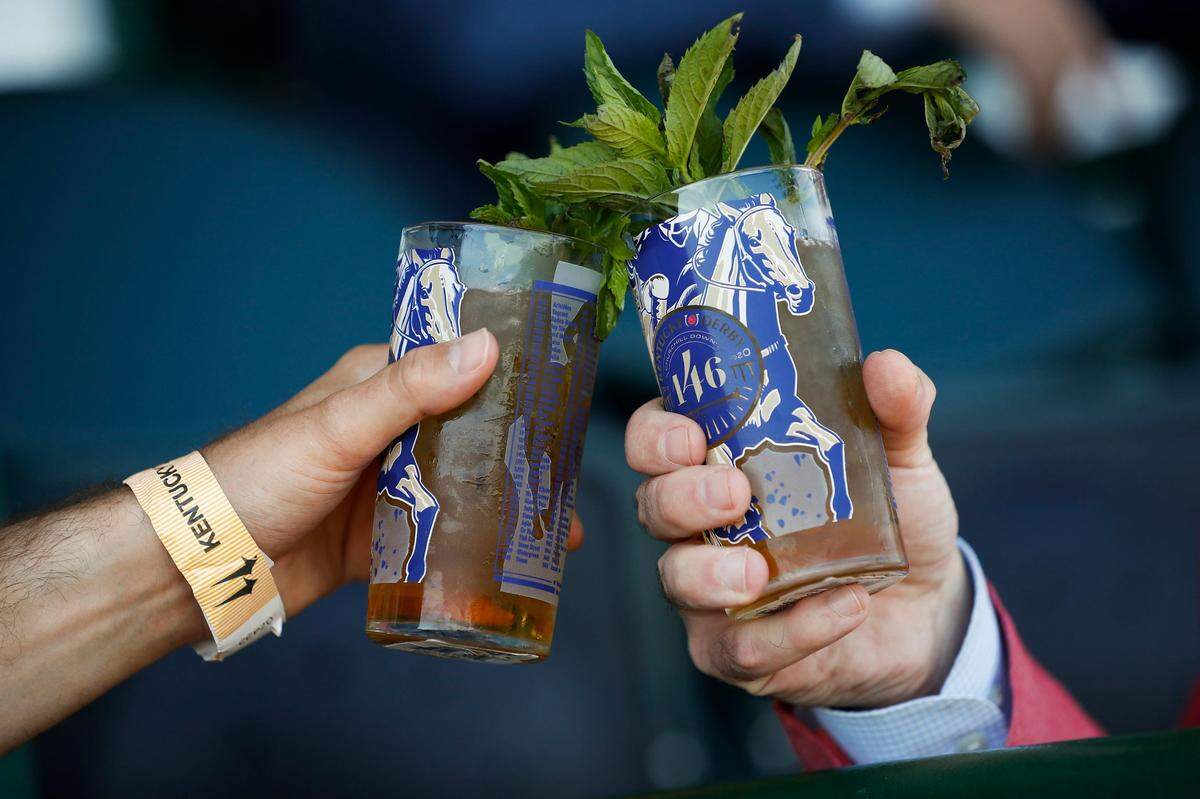
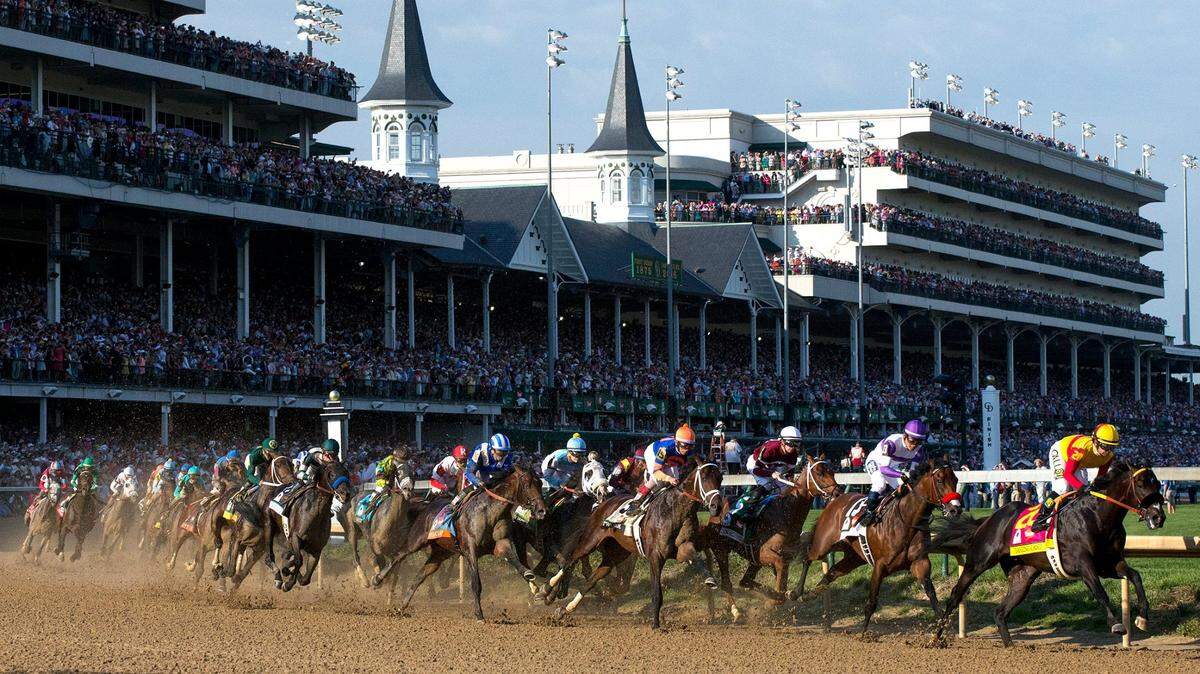
Of course, the Kentucky Derby still matters. It matters to a small group of rich people and a large group of drunk people. It matters to Louisville boosters and Lexington breeders and, as I learned recently, people who really want to sing “My Old Kentucky Home.” It matters to sex traffickers, second only to the Super Bowl, and expatriated Kentuckians all over the world who will serve up mint juleps and fried chicken for parties. As many would say, it’s the only horse race many people have ever heard of or seen, and yes, it’s still an amazing two minutes of sport.
But.
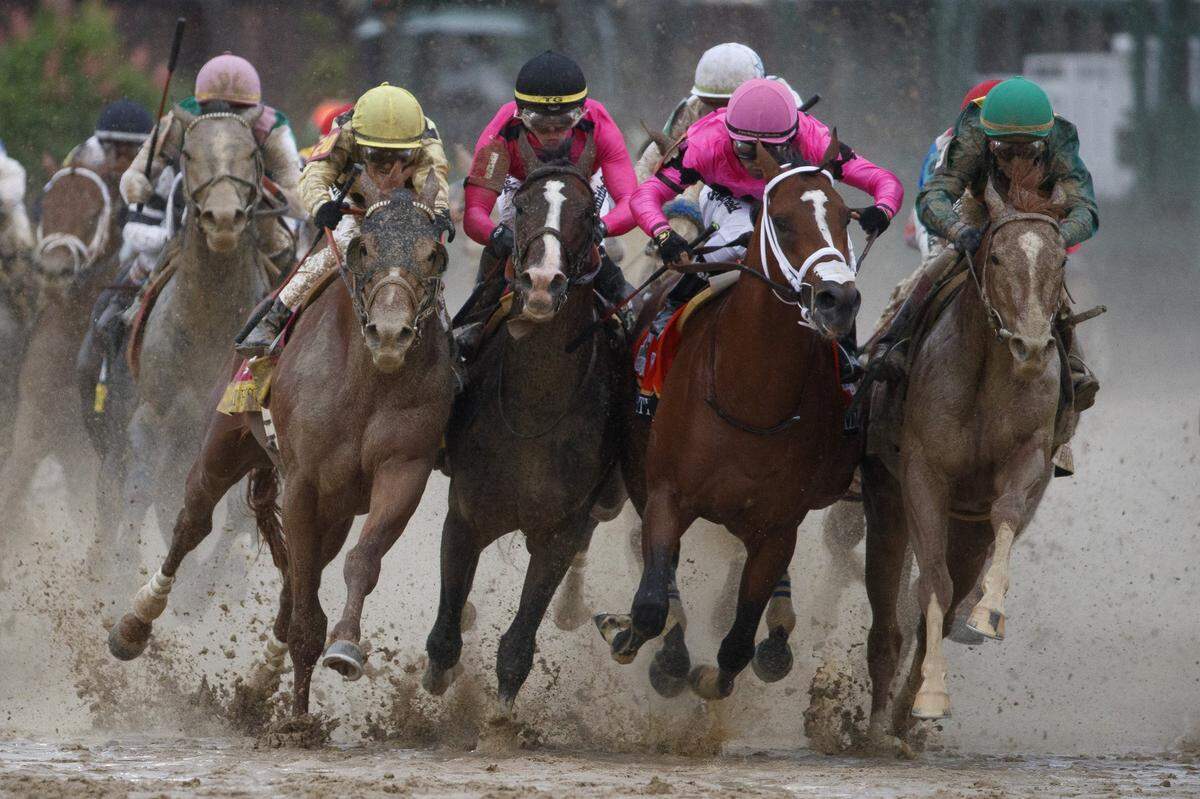
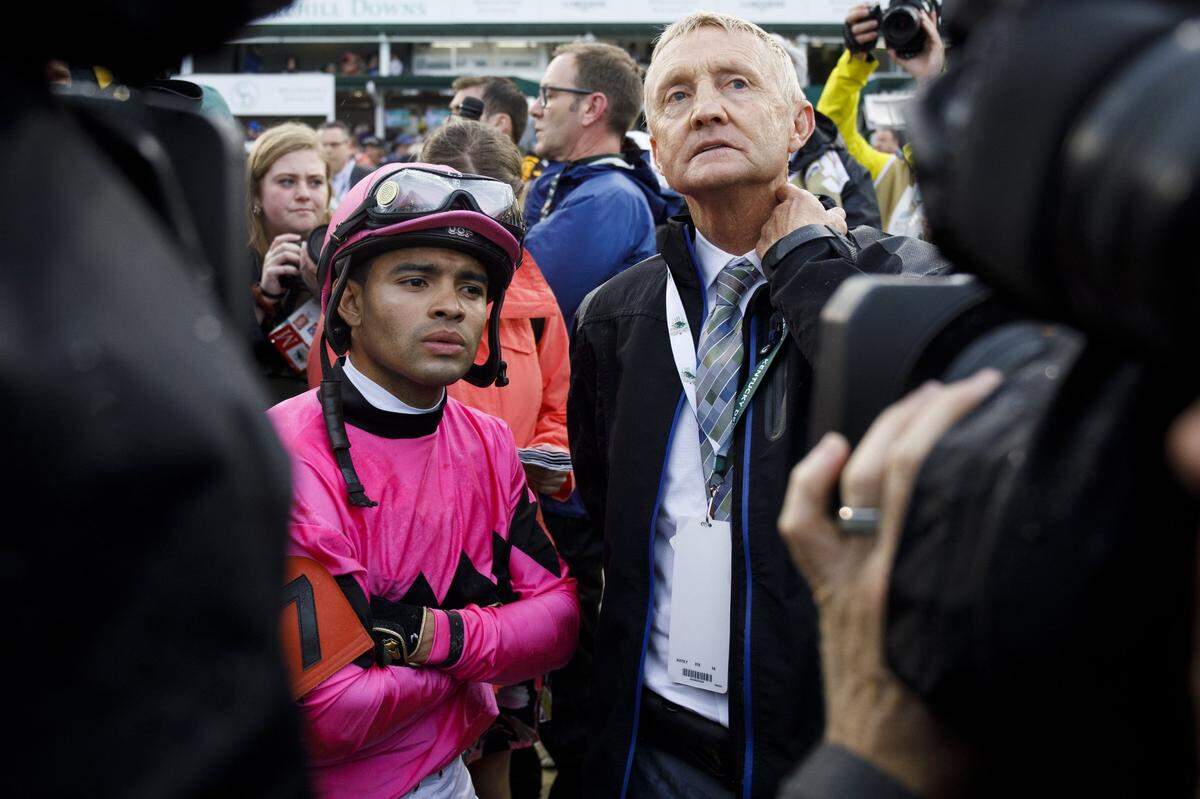
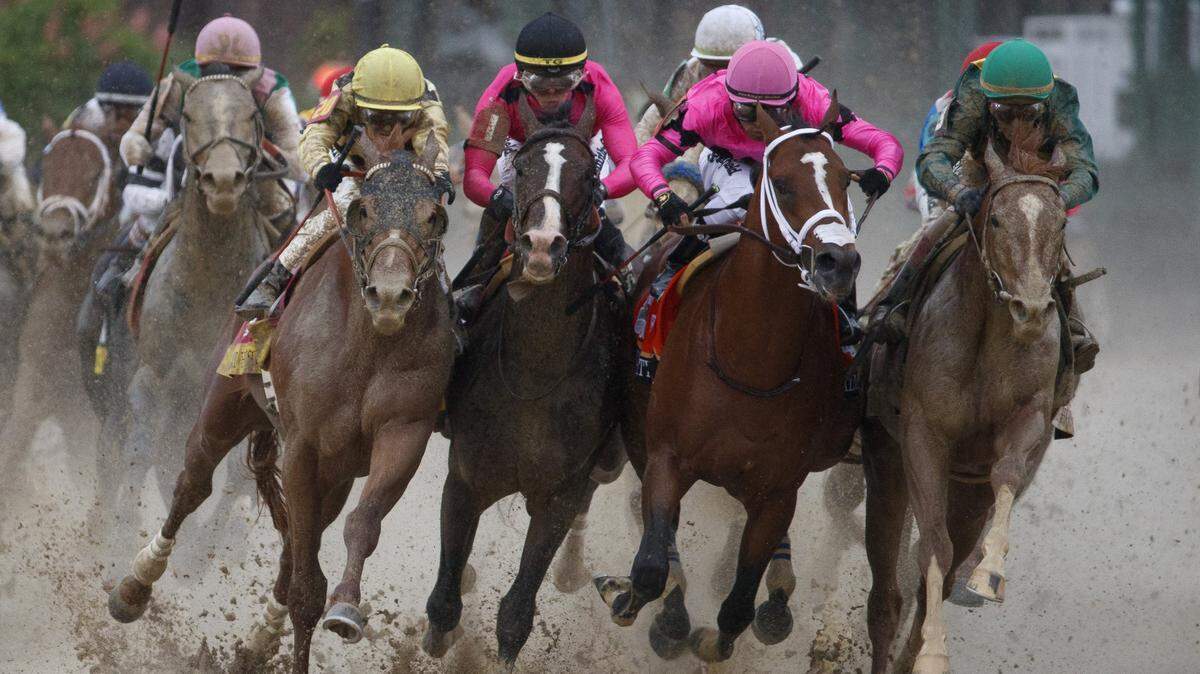
How seriously can we take an event in which two of the past three winners have been embroiled in disqualifications and doping scandals? In 2019, Maximum Security was disqualified for bumping a horse, and a year later, his trainer, Jason Servis was among 27 people indicted for doping and defrauding the betting public. The indictments alleged that Maximum Security was among the affected horses.
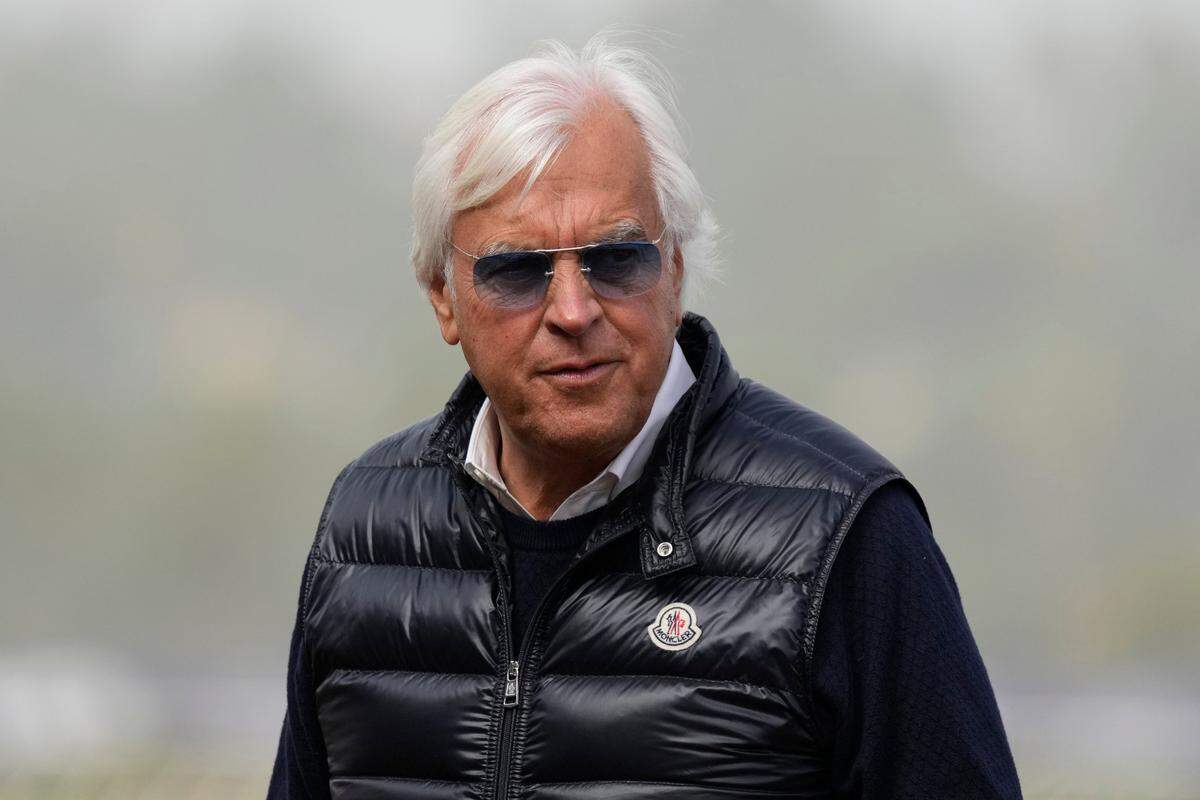
In 2021, the winner Medina Spirit was disqualified for testing positive for a substance banned on race days. He dropped dead seven months later during a workout at Santa Anita of unknown reasons. His trainer, Bob Baffert, said it was a heart attack, but people seem disinclined to believe Baffert these days. The most Derby-winning trainer of all time, is now banned from the Derby and in disgrace with racing commissions in Kentucky and New York who decided they’d had enough of failed test results and lawsuits. How seriously can we take an event that is the showcase of not a racetrack, but a major Internet gambling consortium? A sport in which people have still not figured out how to stop champion horses like Medina Spirit from dying?
As Joseph Grove, a lifelong Louisvillian, said to me, “The Derby still matters ... for now.”
“It remains vibrant and key to who we are as a city,” said Grove, who is director of public relations for The Center for a Humane Economy. “What I wish was true of more Derby goers is an understanding of the incredible risk these horses face when doing our bidding on the track — there is this abusive almost reckless underbelly to a sport too often gilded in our public estimation of it.”
“Once one understands the culture of exploitation of these animals,” he added, “one cannot help have a more jaded eye toward the pretty hats, the fancy suits and the shimmering goblets of mint juleps.”
Dead horses
The uneasiness over racehorse welfare came to a head in 2019, when 23 horses died in three months at the Santa Anita track in races or workouts. Whether it was the track surface or years of drugs that had weakened horses overall, the outcry was so great that some wondered if the future of racing in California was threatened.
Nearly everyone agreed something needed to be done, and U.S. Rep. Andy Barr had an answer with the Horse Racing Integrity Act, legislation he’d worked on since 2013 that would put all the racing agencies under centralized governance with tighter rules and drug protocols. Groups like the Jockey Club and Keeneland quickly got on board. One of the biggest holdouts? Churchill Downs. But when they finally agreed to support the legislation, so did Sen. Mitch McConnell, and in 2020, the law passed.
One of the bill’s biggest selling points was that testing would be given over to the U.S. Anti-Doping Agency, the group that came to prominence when it brought the hammer down on Lance Armstrong. With HISA, horse racing could put its shady past behind and move on to a more ethical and humane future.
Then this past December, USADA announced it could not come to an agreement with HISA, now a governing board. USADA is what persuaded many in Congress to vote for the HISA bill, said Marty Irby, executive director of Animal Wellness Action.
“Everyone agreed USADA was the key to the whole thing,” Irby said.
The new agreement is supposed to be reached by May. The law goes into effect on July 1.
“We are confident that an independent anti-doping and medication control agency will be named in the near future and that the anti-doping and medication control program will begin as planned in early 2023,” said Lisa Lazarus, HISA’s new executive director.
Let’s hope so. The law has lofty goals — new national standards for accreditation, veterinary oversight, surface maintenance, drugs, and data — and at this point, with casinos outnumbering tracks, I’m convinced it’s the only thing that can save horse racing from itself. Racing is important to Lexington because breeding is an integral part of our economy. But if you think horse racing is invulnerable, just ask an elephant trainer or a greyhound owner how it’s going.
Today, tracks are shut down not by politicians but by profit-hungry corporations. Most recently, Churchill Downs Incorporated shut down, then sold the storied Arlington Park racetrack in Chicago, concluding it would be more profitable to redevelop the site. It joined closures like Garden State Park, Longacres, Suffolk Downs, Bay Meadows, Hollywood Park and Hialeah Park, all of which mean fewer horses racing.
Let’s face it, people do not want to watch horses die at the racetrack. It’s a bummer of an afternoon out. The Derby’s crowded field, sometimes with horses that shouldn’t be there, makes it even more dangerous. It’s one thing to see a NASCAR driver scrape the wall, but it’s another to watch a horse’s body vanned off the track.
Cultural relevance?
Jamie Nicholson, the author of “The Kentucky Derby: How the Run for the Roses Became America’s Premier Sporting Event,” said racing has been in more peril before this, when in the 1900s virtue-mongering governments were actively trying to shut down tracks and betting. Now, you have betting on lots of other sports, plus distraction after distraction for pastimes that are much more accessible than horse racing.
He points out that because the Derby has been held the same time of year and in the same place since 1875, it has much to tell us about the condition of American society at any given point in history. “The Derby hasn’t changed much, but the way we consume and experience it has continued to evolve,” he said. “Everything was a bigger deal before we had the entire universe in our cell phones. Who are the biggest movie stars today, or the most popular singers? Everything is fragmented. The Derby is still the biggest event within the small subculture of American horse racing. But the Derby’s persistent appeal to the average viewer probably has less to do with that subculture than ever before.”
The Derby is a spectacle, but it’s also an acquired taste, usually obtained in childhood or because you rode horses or you liked “Seabiscuit.” Horse racing is not easily accessible, after all. It’s mostly for millionaires unless you work on the track or buy a still-expensive share of a racehorse. Wimbledon and the Super Bowl are also spectacles, and if you really like them, you can run down to the tennis court at a park or sign up for flag football.
The Kentucky Derby no longer shuts down the entire state for a day, said author and journalist Maryjean Wall who covered racing at the Herald-Leader for decades.
“At one time everything stopped for Derby,” she said. “There’s been a lot of movement throughout the U.S. of people so you get a place like Lexington populated by many non-Kentuckians. They weren’t raised on the Derby like older generations of Kentuckians, there’s a lot of outsiders who have brought their own cultural habits with them and it’s all a big mix now, therefore I don’t think the Derby matters as much. If people in the horse world stepped back, they might see that.”
The parties used to be legend, too. But when those glamour fests thrown by Mary Lou Whitney and Anita Madden went away, so did a lot of the Derby prestige. Even one of the replacements, and the more recent big charity events, like the former Lexington Ball, turned to golf scrambles for a bigger profit margin.
As for the Derby celebrity scene, the reason that you don’t recognize anyone is because unless you’re under 25, you won’t recognize the various D-list reality and TikTok stars who are the only ones willing to walk the red carpet, hoping against hope that the Derby will springboard them back to relevance.
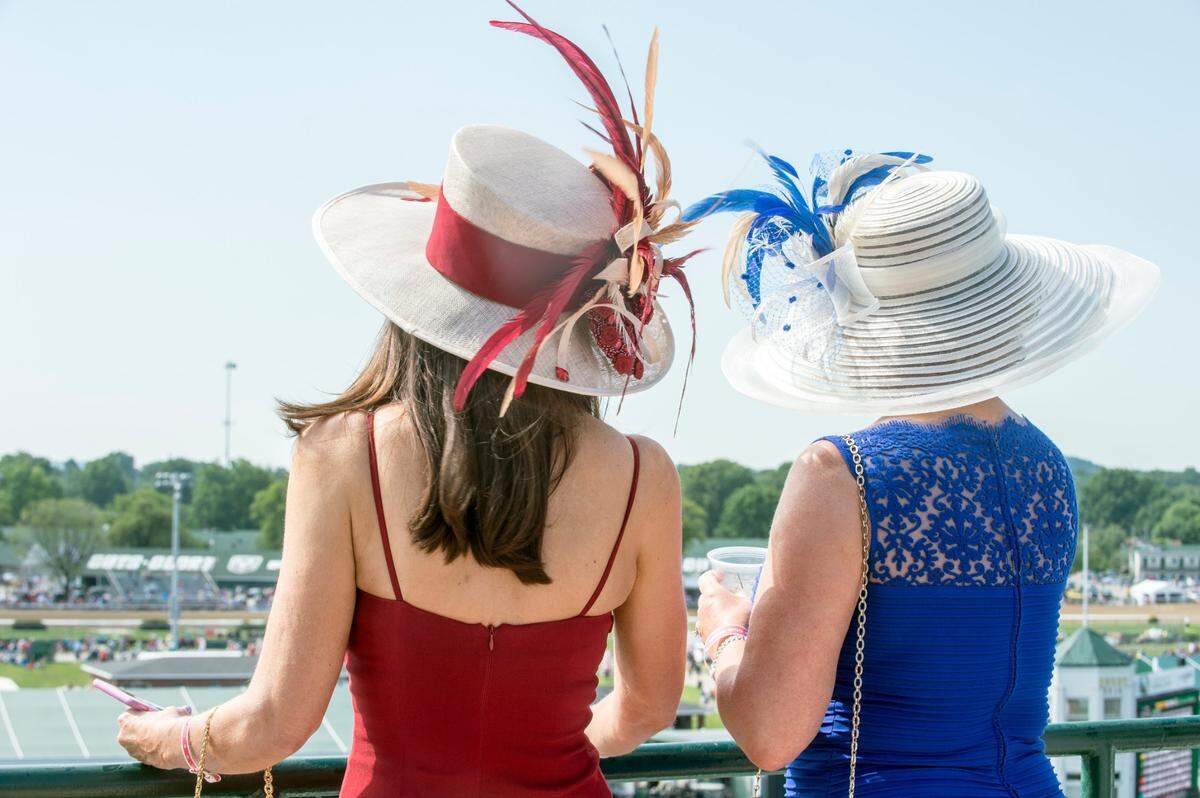
What’s that you say? Donald Trump is coming this year? Hosting a $75,000 fundraiser at Churchill Downs? Perfect. That will make a true Derby experience: pay a whole lot of money to be around a lot of drunk, loud white men, desperate women regretting their very high heels, and a vague sense of despair.
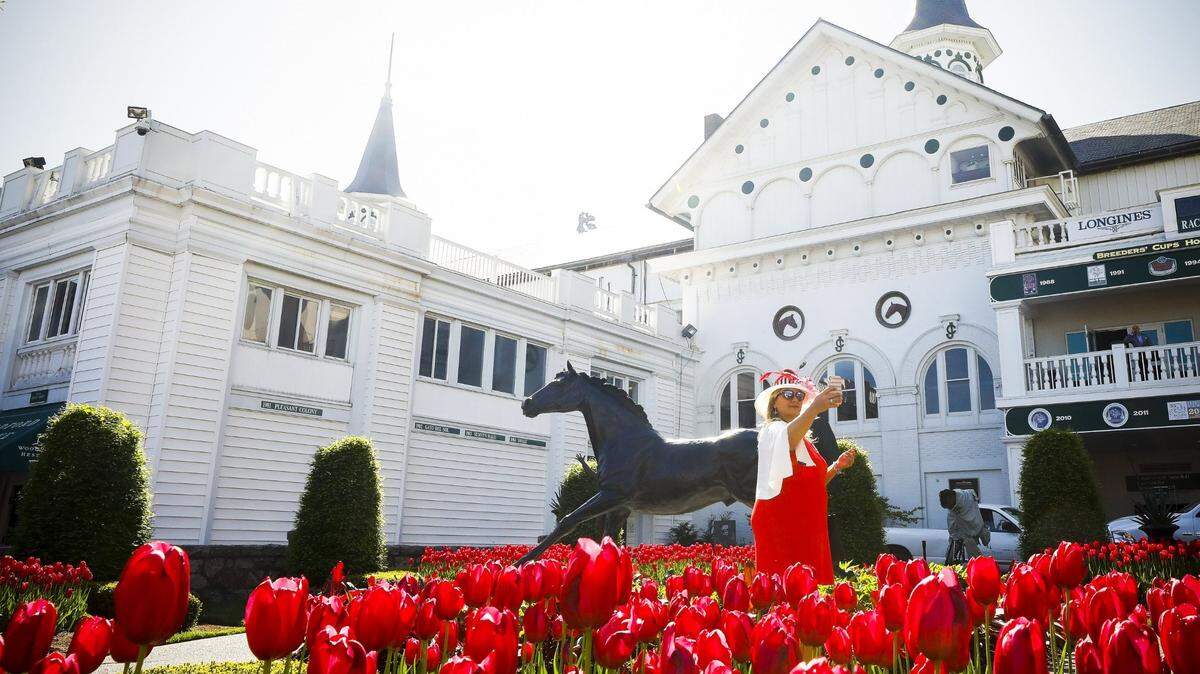
Maryjean Wall wrote a book “How Kentucky Became Southern,” about how post Civil War businessmen made up a world of moonlight and magnolias around the horse industry to lure people to Kentucky. It worked, and the Derby’s Old South mystique of mint juleps and Colonel Sanders look-alikes was certainly part of its allure for many people. Marketers did the same thing at My Old Kentucky Home state park in Bardstown, as historian Emily Bingham has recounted. But in the wake of so much racial reckoning in this country today, that allure seems tarnished or less appealing to many.
“Who cares, or who even knows about the Old South?” Wall said. “That kind of thing was made up to rationalize and justify slavery and made up to absolve the South of their sin and it became an economic engine.”
Mythologies make up cultures; we cling to them and to our traditions. This year, the Derby will probably host a record crowd of people ready to worship at its altar. And so let’s say a little prayer that the Derby will let go of past demons — let it be clean and safe, let no horses or jockeys be hurt, let no doping scandals emerge. Let’s hope that HISA will move forward and the first Saturday in May turns from its tarnished bacchanalia to a new era in Thoroughbred racing.
This story was originally published April 28, 2022 at 10:15 AM.

.JPG)