NCAA’s new ‘5 years, 5 seasons’ rule could keep current stars in Kentucky blue
We all know where the road paved with good intentions leads.
When the NCAA started granting eligibility waivers to athletes, its intent was honorable.
It was to allow the football player who had lost two seasons while fighting cancer to still have a four-year playing window once his disease went into remission. Or to let the women’s basketball player who lost multiple seasons to knee injuries still have a college playing experience of normal duration.
Alas, a waiver process that started out with benevolent intent has, in an era of NIL and revenue sharing, become a vessel for chaos. Players now have a financial interest in having their attorneys search for gray areas — and friendly judges — to extend the athletes’ college playing careers beyond the traditional limits.
In an attempt to restore a uniform standard of eligibility to college sports, the NCAA this week has adopted a new “five years to play five seasons” rule. That will replace the previous “five years to play four seasons” system, a model which also provided ample opportunities to use a waiver process to get around those restrictions.
Under the new plan, a college athlete’s five-year eligibility clock starts the day they first enroll in classes or at the beginning of the first college fall semester after their 19th birthday, whichever comes first.
In a dramatic change from the traditional college sports model, there will be no more redshirting, either for developmental or medical reasons.
Moving forward, the NCAA says that the only “exceptions that could delay or pause a player’s period of eligibility include pregnancy, active-duty military service or an official religious mission.”
The new “five for five” rule will take uniform effect with college athletes entering school in the fall of 2027.
For Class of 2026 high school recruits as well as current college athletes with eligibility remaining beyond the 2025-26 school year, the NCAA says universities can apply whichever eligibility model, old or new, that is most-favorable to each individual player.
Other than for athletes who fall within the three exceptions listed above, the new framework will essentially create an age limit of 24 for college athletes.
If you enter college at 19 and turn 20 during the spring of your freshman year, then you would finish college at age 24 if you stayed in school five years.
The new “five for five” structure does not apply retroactively to athletes whose college eligibility expired in the spring semester of 2026. As a result, those from the 2022 recruiting class who played four seasons of college sports without redshirting are drawing a short straw.
In this decade, both the athletes who came before the Class of 2022 and those who have come afterward either did or will get the chance to play five seasons of college sports.
Every athlete enrolled in college in 2020-21 was granted by the NCAA the opportunity for a fifth year of sports eligibility due to the impact the coronavirus pandemic had on that school year.
Meanwhile, the new eligibility rules taking effect in 2027 will impact all the incoming classes since 2023.
Given that reality, it is the least surprising development of all time that attorneys are filing lawsuits in various jurisdictions seeking a fifth year of college sports participation for the class of 2022 athletes whose eligibility is presently deemed to have expired after four seasons.
As the new rule specifically relates to the University of Kentucky and the competitiveness of its sports teams, it seems to open a path to an extra season of eligibility for some star-level UK athletes — if they want that option.
Under “five for five,” Iowa State transfer Milan Momcilovic, a senior-to-be, could have two seasons of eligibility in which to wear the Kentucky men’s basketball uniform rather than one.
In women’s basketball, Kentucky star center Clara Strack and starting guard Asia Boone are going from one year left to play for UK to, potentially, two.
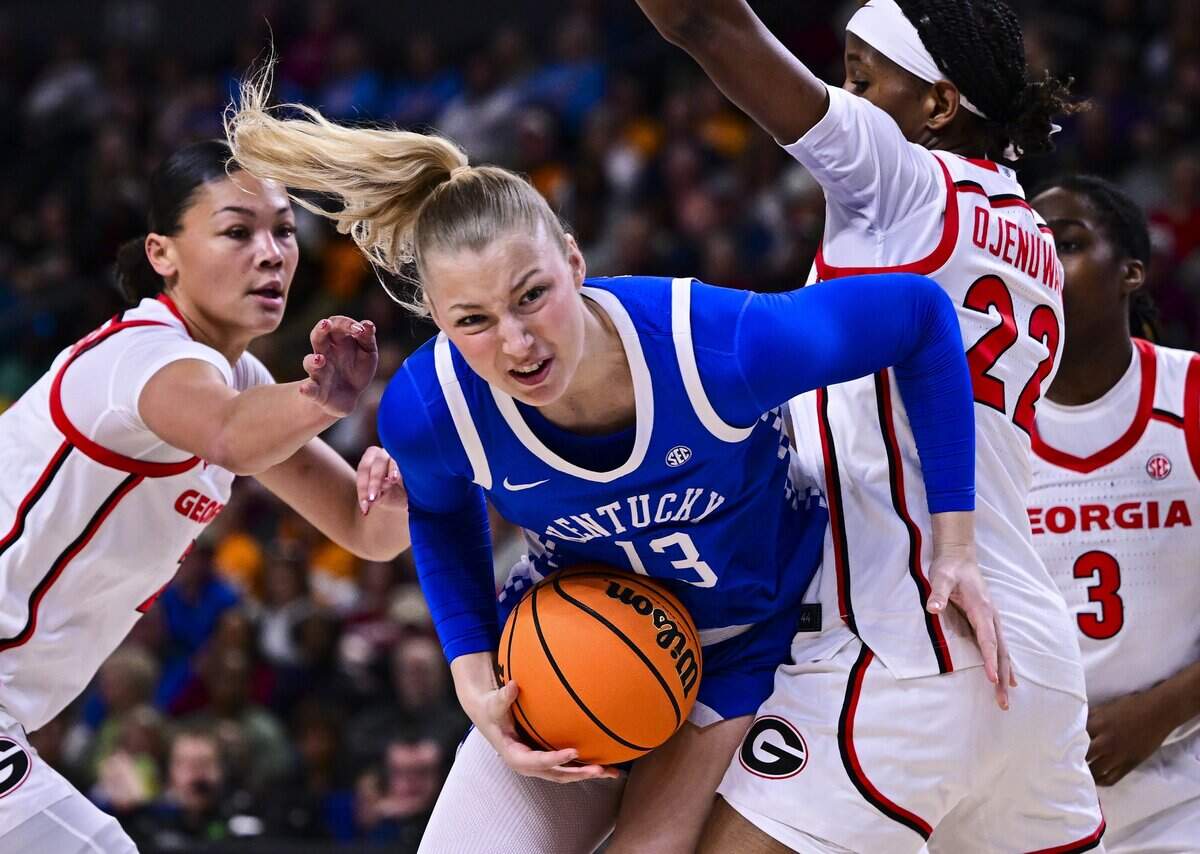
Kentucky football standout safety Ty Bryant and UK women’s volleyball star Brooklyn DeLeye are other Wildcat stars who appear to be gaining a year of additional college eligibility if they want to use it.
The new rule is going to be a big change for future college athletes who have an experience similar to what Kentucky women’s basketball player Dominika Paurova has endured.
A 6-foot-1 wing, Paurova transferred to UK in 2024 after playing her freshman season at Oregon State. But Paurova has yet to play in a game for the Wildcats after being sidelined two straight seasons by torn ACLs.
Because UK can choose to apply the old eligibility rules to Paurova, it would seem likely she can get medical hardship waivers to “get back” the two seasons of eligibility she has missed due to injury.
However, starting in 2027-28 — in a world with no medical redshirts — a future college player who loses two seasons to torn ACLs will just be flat out of luck.