
Bourbon, horses and more: These industries shaped Lexington’s first 250 years
Since its founding, Lexington has been an influential part of the state and the country.
As one of the first settlements in the region, beginning before Kentucky was a state, Lexington was a center of influence in the wilderness. Once Kentucky became a state, Lexington served as its first capital city, an important part of westward expansion as the last big town before the Mississippi River.
As the city grew to prominence for its educational, entertainment and commercial institutions, Lexington became known as the “Athens of the West,” frequented by pioneers heading out into the wilderness of America’s Wild West.
Fayette County is now home to more than 322,000 people, according to the U.S. Census Bureau, with a host of industries supporting its population.
In the city’s 250th year of existence, take a look back at some of the industries and businesses that shaped Lexington’s past, present and future. While this list is not comprehensive, it captures much of the growth in changes that have taken place in Lexington since 1775.
Bourbon
Bourbon has long been a part of the Kentucky experience. While there is plenty of dispute about where bourbon originated, its influence in Lexington is clear.
In 1865, Ashland Distillery, later known as “Old Tarr” and now R.D. #1, was on Manchester Street and produced 6,000 barrels a year at its peak. Using locally-grown corn and water from nearby sources, the distillery helped make the city’s west end a hub for Kentucky bourbon.
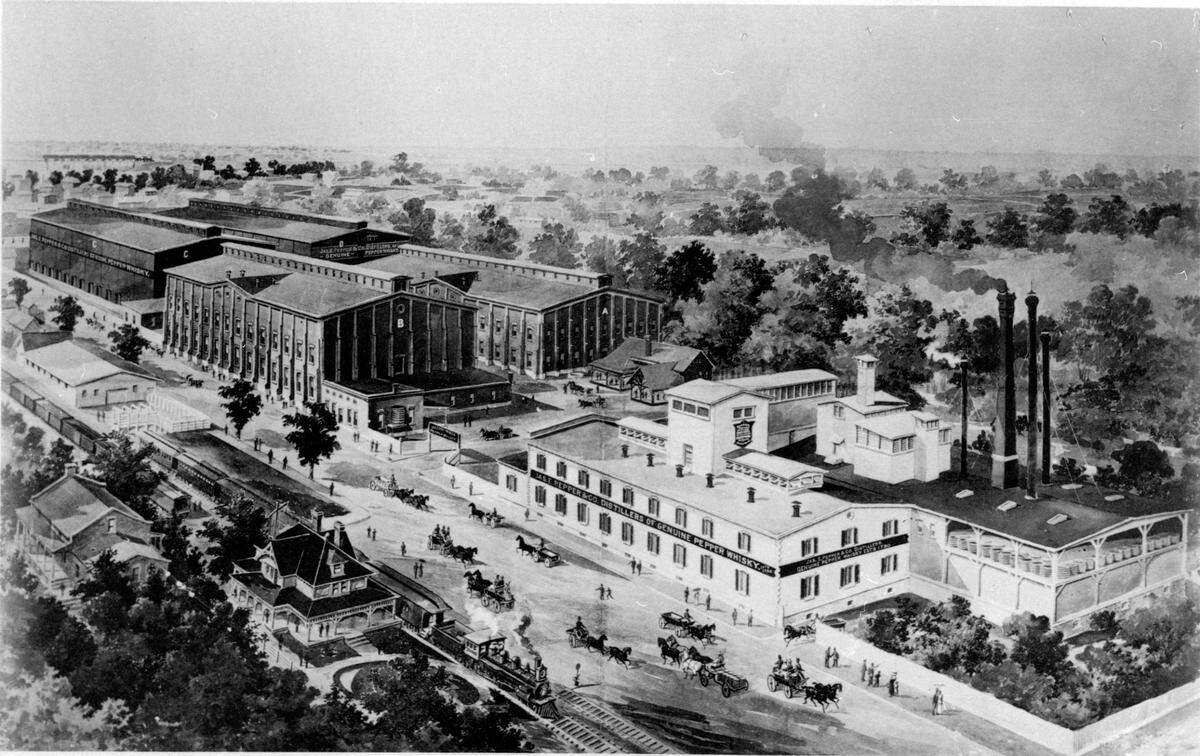
The James E. Pepper Distillery began making bourbon in 1879 on Manchester Street, but the site was abandoned in 1958. Now the 25-acre property is the Distillery District, home to food and entertainment venues, including an updated Pepper Distillery and the Barrel House Distillery.
Entertainment and arts
Lexington was the home of the first newspaper west of the Allegheny Mountains. Established in 1787, the newspaper was started by John Bradford as the Kentucke Gazette.
In 1808, the first theater was established, Luke Usher’s New Theater, in an area now covered by the Central Bank Center. The Lexington Opera House, one of several entertainment venues in Lexington that made the city an entertainment destination in the mid-1800s, was established in 1850.
While that building burned in 1886, it was rebuilt and reopened in 1887. The current building is on the National Register of Historic Places and is the charter member of the League of Historic American Theatres.
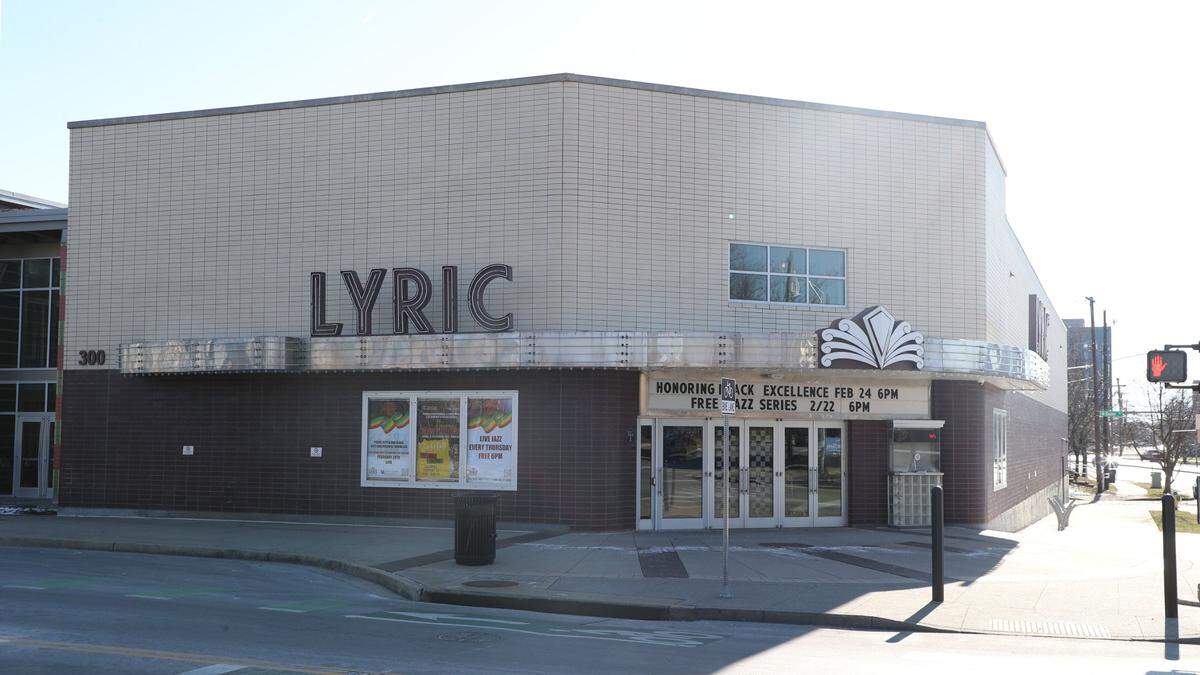
In 1922, the Kentucky Theater was established as the largest of the palace theater houses in the city at the time. The theater still runs on Main Street. The Lyric Theater opened in 1948 as a cultural hub of Lexington’s segregated Black community. While it closed in 1963 and fell into disrepair, it was renovated and reopened starting in 2010 and now stands as a 540-seat theater and cultural center.
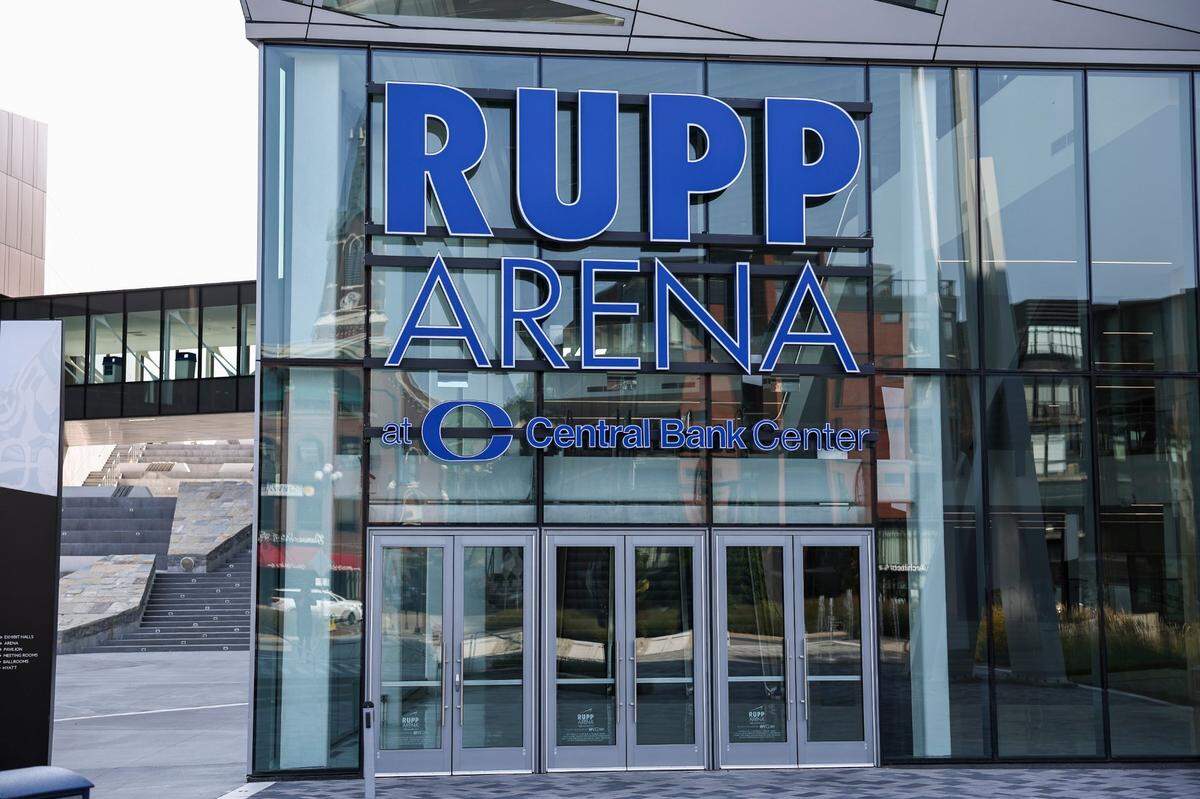
Rupp Arena was established in 1976 and was the world’s largest indoor arena when it opened. Now the Central Bank Center, the facility also includes a hotel and a convention center.
Of course, some of the biggest entertainment aspects of Lexington are college sports and the industry that surrounds them. University of Kentucky basketball and football are major economic draws to the city.
Lexington was also home to the Kentucky Thoroughblades, established in 1996, the city’s first professional ice hockey team. The Lexington Legends minor league baseball team was established in 2001 and continues to play at Legends Field.
Health care and biotechnology
CHI Saint Joseph Health was started in 1877 by the Sisters of Charity of Nazareth as the city’s first hospital, Saint Joseph Infirmary. Over time, it became part of the Catholic Health Initiatives and expanded into CHI Saint Joseph Health. In the 1950s, doctors with the hospital system performed Lexington’s first heart catheterization and open-heart surgery.
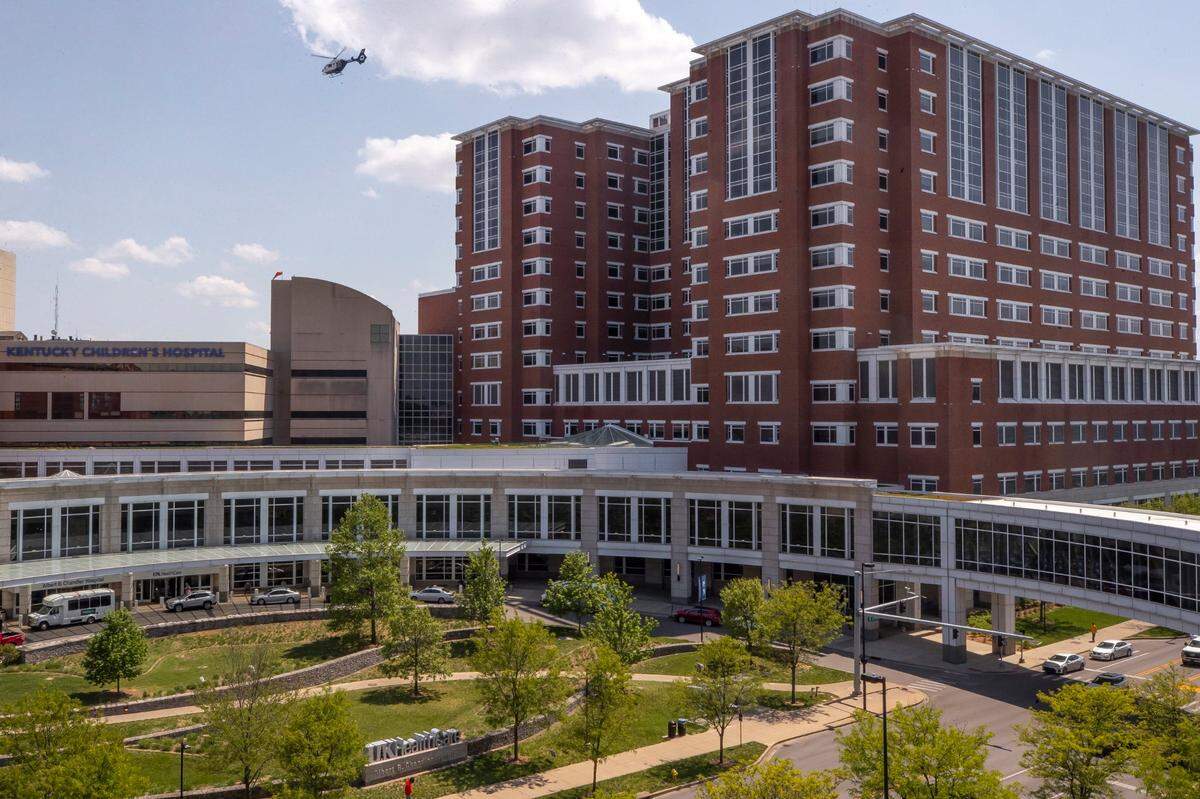
Established in 1957, UK HealthCare is an academic medical center that includes the UK Albert B. Chandler Hospital, Kentucky Children’s Hospital and the UK Good Samaritan Hospital, serving more than 38,000 people as of 2017.
Baptist Health Lexington was established in 1954 as Central Baptist and now has more than 500 physicians on staff representing more than 50 medical specialties.
Lexington is also home to more than 100 biotechnology companies, including Catalent, which offers drug delivery and manufacturing solutions, Neogen, which creates diagnostic products focusing on food and animal safety, and MosquitoMate, Inc., which uses biotechnology to tackle mosquito populations.
Higher education
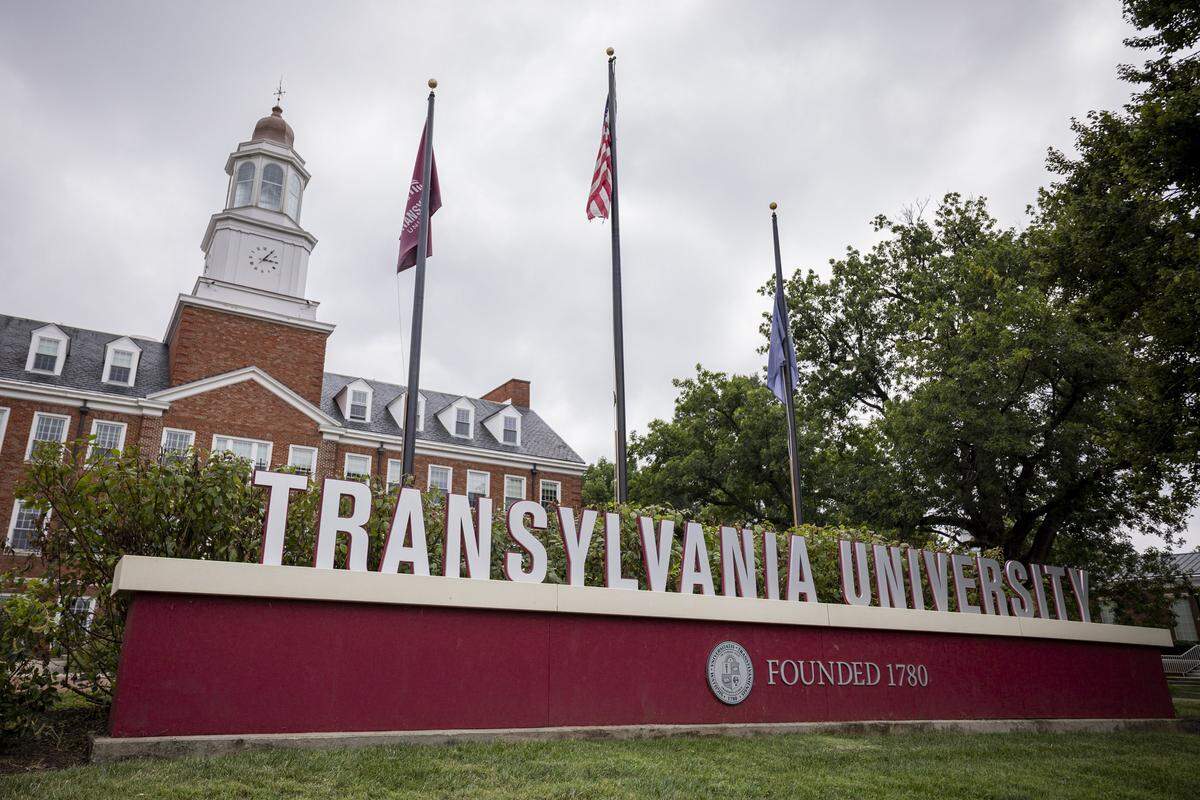
One of the oldest institutions in the state, Transylvania University was established in 1780. It is the oldest university west of the Allegheny Mountains and is the alma mater of two U.S. vice presidents, two U.S. Supreme Court justices, 50 U.S. Senators, 101 U.S. representatives, 36 U.S. governors, 34 U.S. ambassadors and the only president of the Confederate States of America.
The University of Kentucky was established in 1865 and is the largest school in Kentucky. UK was founded as a land grant college, the Agricultural and Mechanical College of Kentucky. UK’s research activities have been estimated to generate $937 million in economic activity across Kentucky and support 4,712 jobs in the state.
Bluegrass Community and Technical College is part of the Kentucky Community and Technical College System, the largest provider of higher education and workforce training in Kentucky. With three locations in Lexington, BCTC has grown from 20 students when it was established in 1965 to more than 18,000 students today.
Horses and equine
Horse racing in Lexington dates back to the late 1700s, when early settlers established quarter-mile courses, with some races running through the middle of downtown. In 1793, Lexington town trustees decided to restrict racing to certain designated areas.
In 1826, a group of prominent citizens, including statesman Henry Clay, established the Kentucky Racing Association to further the breeding of thoroughbreds. The association opened the Lexington Race Course in 1828 to solidify the city as the Horse Capital of the World.
While it closed in 1933, it gave rise to Keeneland, now a prominent part of horse racing the world over.
In 1916, Blood-Horse Magazine was established to cover all aspects of the thoroughbred horse industry.
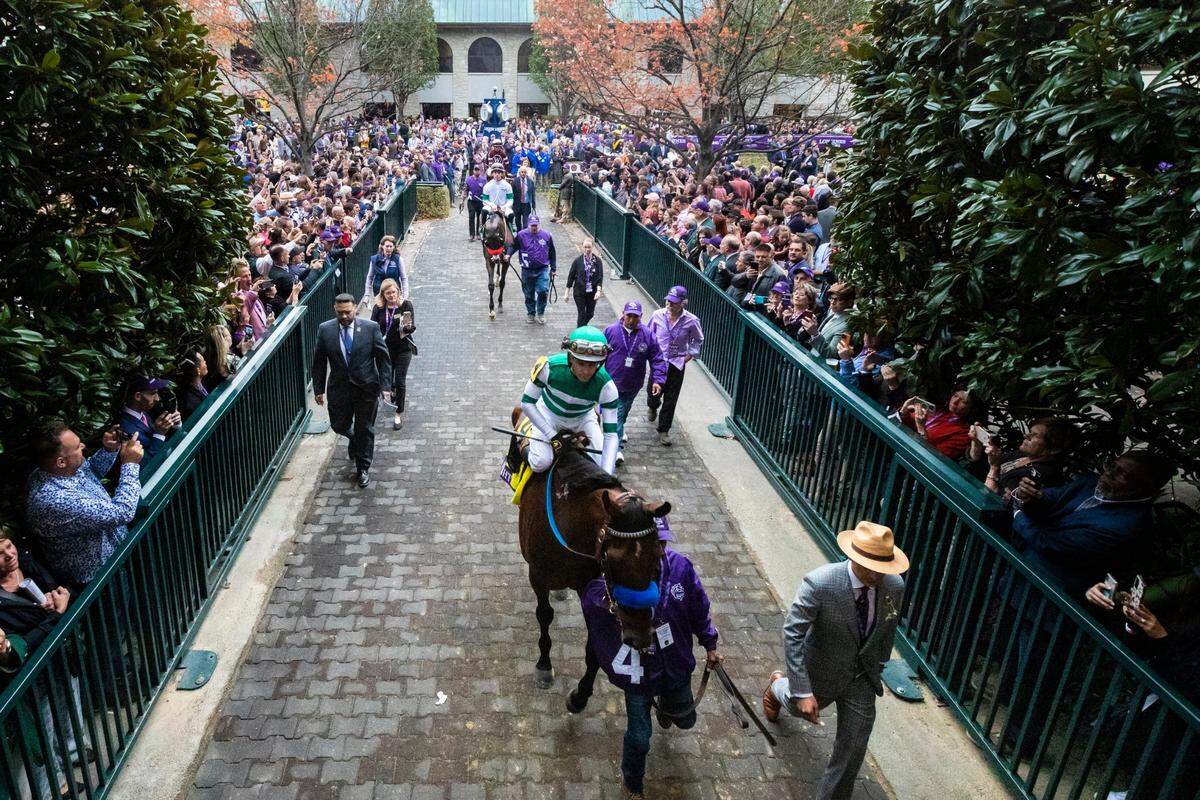
Gainesway Farm, established as Greentree Stud in 1925, is one of the more prominent thoroughbred breeding farms in the country. Its owner, John Gaines, created the prestigious Breeder’s Cup in 1984.
In 1978, the Kentucky Horse Park and the International Museum of the Horse, was established to provide a horse-centric educational theme park and international equestrian competition venue.
Manufacturing
While nearby Georgetown is home to the Toyota Motor Manufacturing Kentucky, Lexington has its share of manufacturing too.
The Jif Peanut Butter Factory was established in 1946. Originally producing “Big Top” peanut butter, it was sold to Procter & Gamble in 1955 and renamed Jif. The factory is the largest peanut butter production facility in the world.
LinkBelt Cranes came to Lexington in 1975, relocating from Cedar Rapids, Iowa. The company was established to produce linked chains in 1874 and produced its first steam-powered coal cranes in 1890. LinkBelt now specializes in telescopic and lattice boom cranes.
IBM/Lexmark was established in 1956 to produce Selectric Typewriters. The facility was later established to produce printers and established as LexMark in 1991.
Big Ass Fans was established in 1999 and produces industrial and residential high volume, low speed fans for the worldwide market. Alltech was founded by Irish biochemist Dr. Pearse Lyons to use yeast fermentation to improve the health of people, animals and plants. The biotech company has grown to the crop science, food and beverages, and sustainability solutions sectors.
Tempur+Sealy, the world’s largest bedding company, has been headquartered in Lexington since 2013, after originally coming to the city as Tempur-Pedic in 1993. And Space Tango, a company providing access to microgravity for R&D and manufacturing in space, has been in Lexington since 2014. Its CubeLabs on the International Space Station have performed experiments related to carbon nanotubes and stem cells, among other things.
Restaurants and food
Phoenix Tavern, established by Capt. John Postlethwaite in 1797, was one of Lexington’s first taverns and its longest lasting. The tavern was converted to the Phoenix Hotel in 1820 and closed in 1977. Where it stood is now the new Phoenix Park in downtown Lexington.
Giron’s Confectionary was established in 1815 and became a famous confectionery, supper room and dance hall. In 1888, Coleman Crest Farm — Kentucky’s first Black-owned USDA Certified Organic produce farm — was established when James Coleman purchased the 13-acre farm from John and Mary Darnaby. Coleman and his family had tilled the soil of the farm as slaves until he bought it for $1,200. His descendants have worked the farm for the past 137 years.
Dolly Johnson Dandridge established the White House Café in 1910 after serving as head cook for President William Henry Harrison. Jerry’s Restaurant opened in 1946 and was franchised in 1957. That same chain gave rise to Long John Silver’s Seafood Shoppes in 1969, and Fazoli’s in 1988.
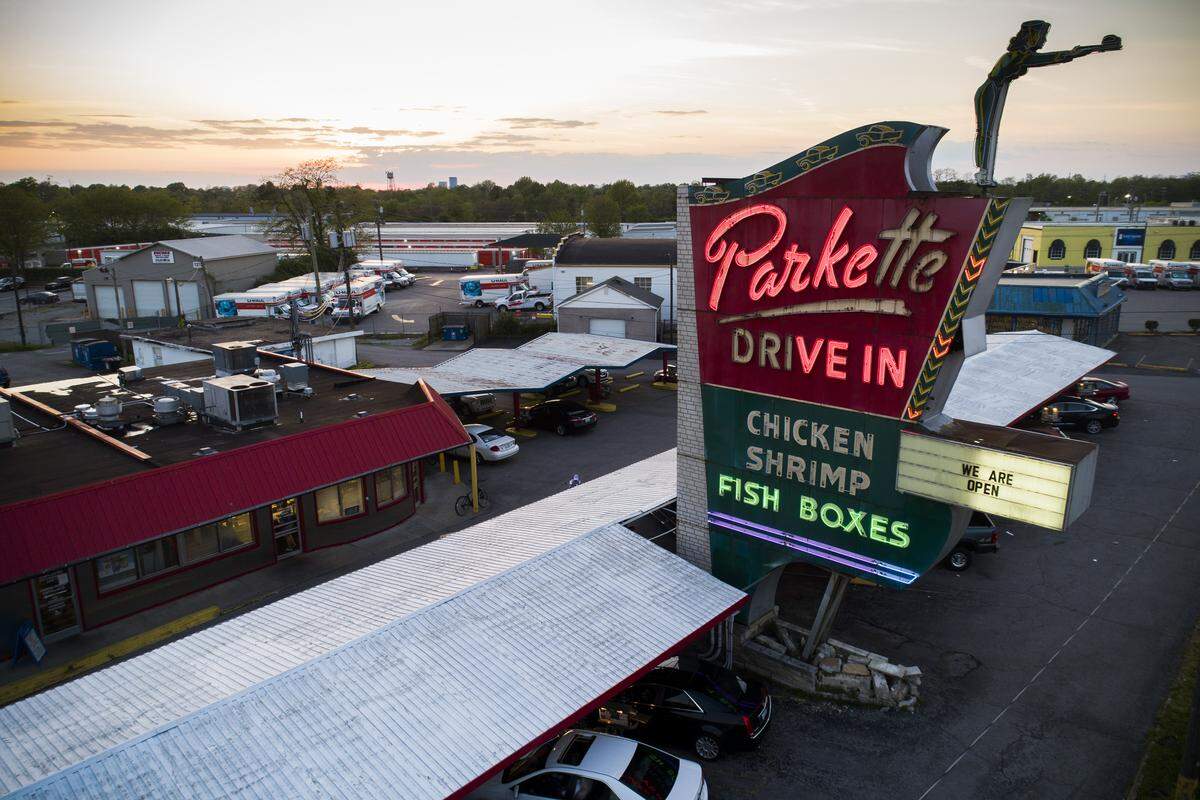
In 1951, Parkette Drive-In was established and continued running until 2022.
The Bar Complex, established in 1963 as the Gilded Cage which was followed by a series of LGBTQ+ friendly bars and clubs in the same space, including The Living Room (1967), Montparnasse (1974), Johnny Angels (1978), and the Bar Complex (1980-present day) at a time when the LGBTQ+ community faced hostility and discrimination across the country.
Retail
Peter January and Gen. James Wilkinson are considered the first known shopkeepers in Lexington, opening up their first store in 1784. January purchased raw hemp to make rope. In 1801, he advertised in the Kentucky Gazette for “two good rope makers, who are sober.”
Since then, many other retailers have risen to prominence.
In 1922, Barney Miller was established as an auto parts store on Main Street before expanding to radios, record players and televisions, and now electronic systems for homes and businesses. Wolf Wile’s Department Store was established in 1950 selling clothing and household goods. The store closed in 1958.
Dawahare’s was established by Syrian immigrant Sarur Frank Dawahare in eastern Kentucky in 1911, selling clothing and other soft goods out of a pack on his back, and the company opened a store in Gardenside in the 1960s. It formally closed all of its stores in 2008.
Wheeler Pharmacy was established in 1958 and is the oldest running pharmacy in Lexington. Zirl Palmer opened Palmer’s Pharmacy in 1952, the first Black-owned pharmacy in the city. He opened a second location in 1966. Two years later, it was the target of a Ku Klux Klan bombing that destroyed the store and injured eight people, including Palmer, his wife and their four-year-old daughter.
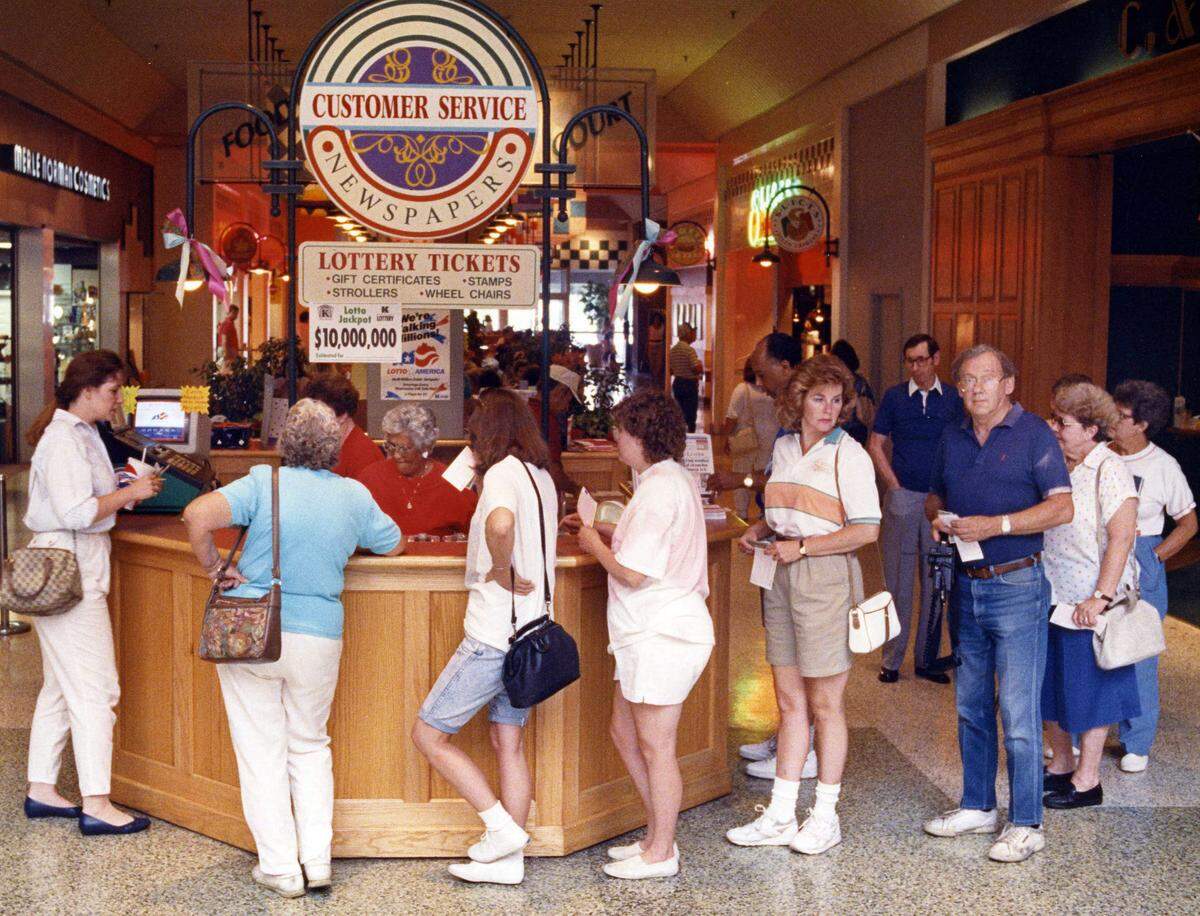
In 1967, Turfland Mall opened as the first enclosed shopping mall in Lexington. It closed in 2008. In 1986, Joseph-Beth Booksellers was established and was named the Small Business of the Year by the Lexington Chamber of Commerce in 1989.
Use of enslaved labor
One of Lexington’s most prominent citizens, John Wesley Hunt (1773-1849) was a slave trader and hemp factory owner. He was considered to be the first millionaire west of the Allegheny Mountains.
The slave trade was a large part of trade in the 1800s Lexington. Cheapside Park was a major marketplace for the slave trade and one of the largest markets in the South for slaves prior to the Civil war. In 2020, it was renamed to the Henry A. Tandy Centennial Park, in honor of freed slave Henry Tandy, whose masonry work built the former Fayette County Courthouse.
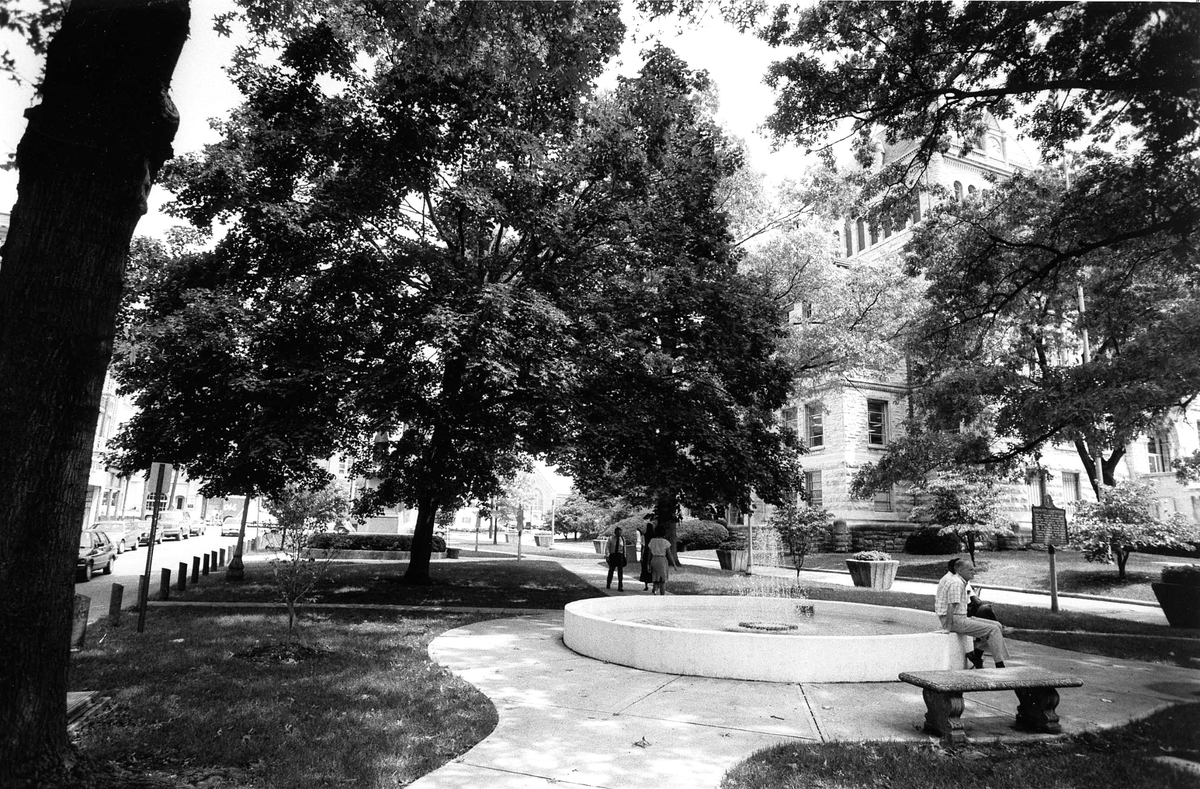
Slavery and the slave trade also influenced the decision by Gov. Beriah Magoffin to take a stance of neutrality in the Civil War. Slave labor not only benefited tobacco plantations, but the slave trade itself influenced the state’s economy.
That trade also gave rise to attorneys in the area using the slave trade to increase their wealth. Henry Johnson was an attorney who negotiated the settlement of debts through the sale of collateralized slaves. Johnson lived in Pope Villa, at 326 Grosvenor Avenue, and started in 1830 with 48 slaves. By 1850, he legally owned 442. He eventually sold Pope Villa and moved to a plantation in Mississippi.
The slave trade also fueled the abolitionist movement and the newspaper The True American, an anti-slavery publication printed by Cassius Marcellus Clay. The writing in the newspaper angered locals so much, they forcibly entered the paper’s offices, removed the printing equipment and shipped it off to Cincinnati.
Transportation
In 1780, Valley View Ferry was established to ferry people and vehicles across the Kentucky River. It is widely regarded as the oldest continually operating business in the state.
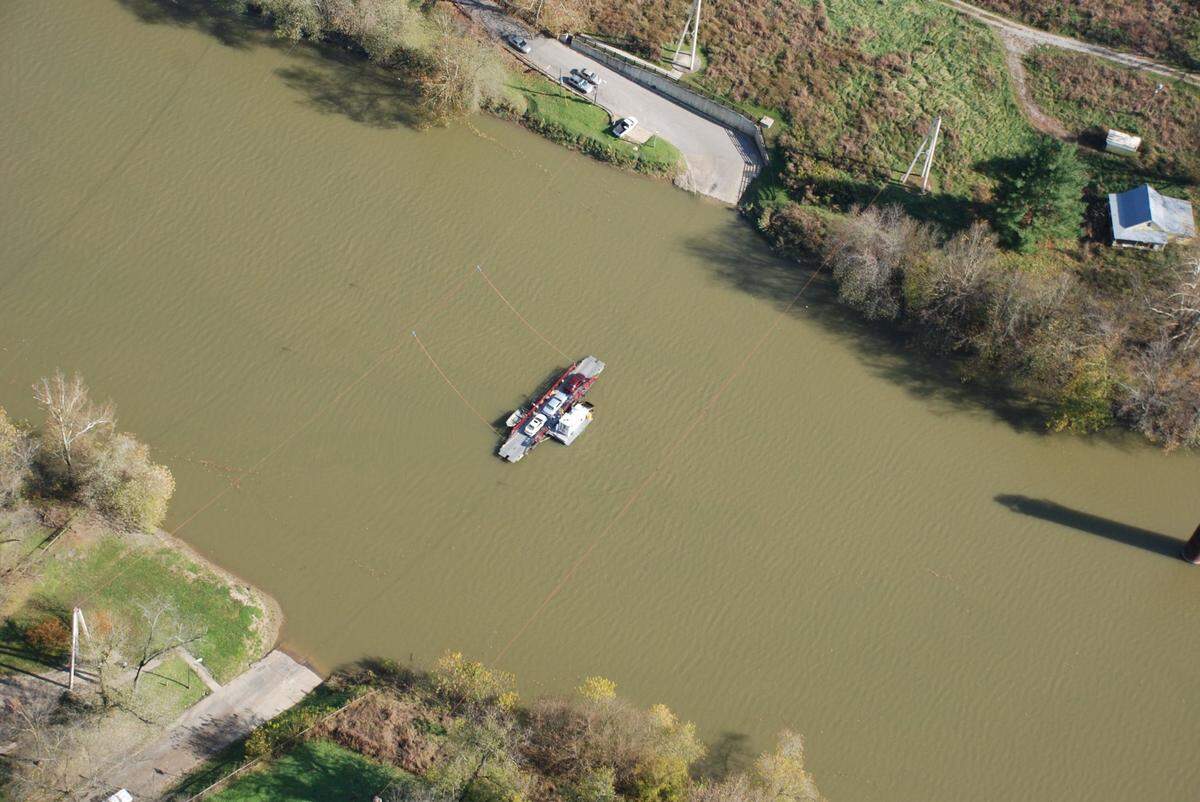
The Lexington & Ohio Railroad was established in 1830, with the first 1 1/2-mile stretch opening in 1832. By 1834, the railroad ran between Lexington and Frankfort on cars pulled by horses. The company collapsed in 1837.
Bluegrass Airport was established in 1933 as a municipal airfield. Since then, it has grown to handle more than 1 million passengers each year.
This story was originally published September 29, 2025 at 5:00 AM.