Beshear wants more juvenile detention centers. KY can’t staff existing ones
AI-generated summary reviewed by our newsroom.
- Kentucky centers reported chronic understaffing through 2025, hindering operations.
- Staff shortages forced overtime, role shifting and routine PREA noncompliance.
- Lawmakers debate new beds versus community prevention as DOJ probes conditions and care.
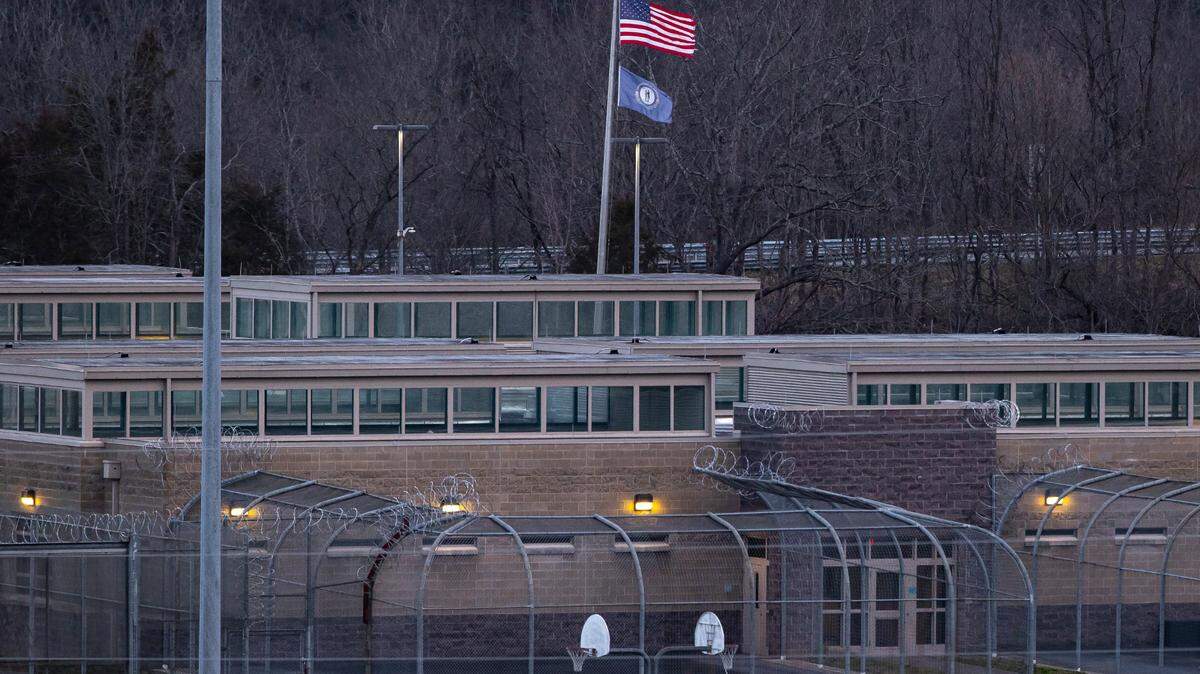
Nearly all of Kentucky’s eight state-run juvenile detention centers struggled through 2025 without enough staff, a problem that has undermined the correctional facilities for years, according to public records obtained by the Herald-Leader.
In monthly reports the centers sent to the Kentucky Department of Juvenile Justice in Frankfort, managers said they needed more employees on duty to safely monitor the youths held in state custody, bring them out of their cells for daily activities and respond to assaults, suicide attempts and other serious incidents.
Mandatory overtime is common, leaving employees exhausted and unhappy, managers said, and in some facilities, staff routinely work 12-hour shifts.
In its response to the Herald-Leader, Gov. Andy Beshear’s administration insisted that staffing levels are being addressed with new hiring and strategic scheduling, such as turning down more requests for days off. In fact, Beshear is asking the General Assembly this winter for the tens of millions of dollars needed to build two more juvenile detention centers for teen girls.
But problems are multiplying inside Kentucky’s existing facilities.
For example: The Adair Regional Juvenile Detention Center in Columbia has been the scene in recent years of a destructive riot; the rape of a teen girl; skipped security checks and falsified security logs; sex abuse perpetrated by a teacher when no one was watching; and lawsuits alleging systemic physical abuse and neglect of youths.
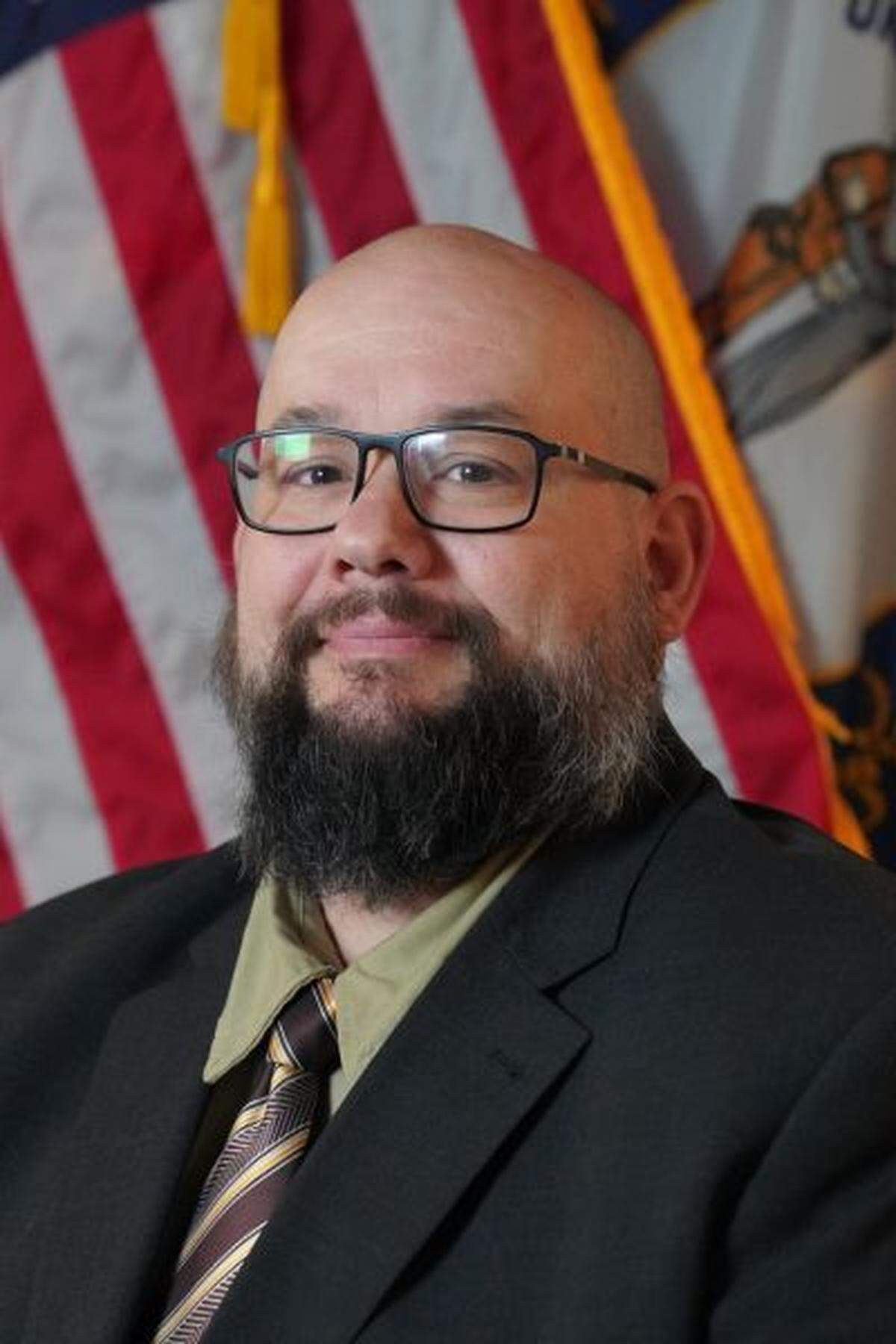
Despite the attention focused on the center’s shortcomings, facility manager Jason Little wrote to his bosses on Dec. 3, 2025, to say that his staff is still stretched perilously thin.
“My biggest concern is staffing. The current staff work nearly 50 hours each week, and we still cannot post a staff member to each unit on most days,” Little warned.
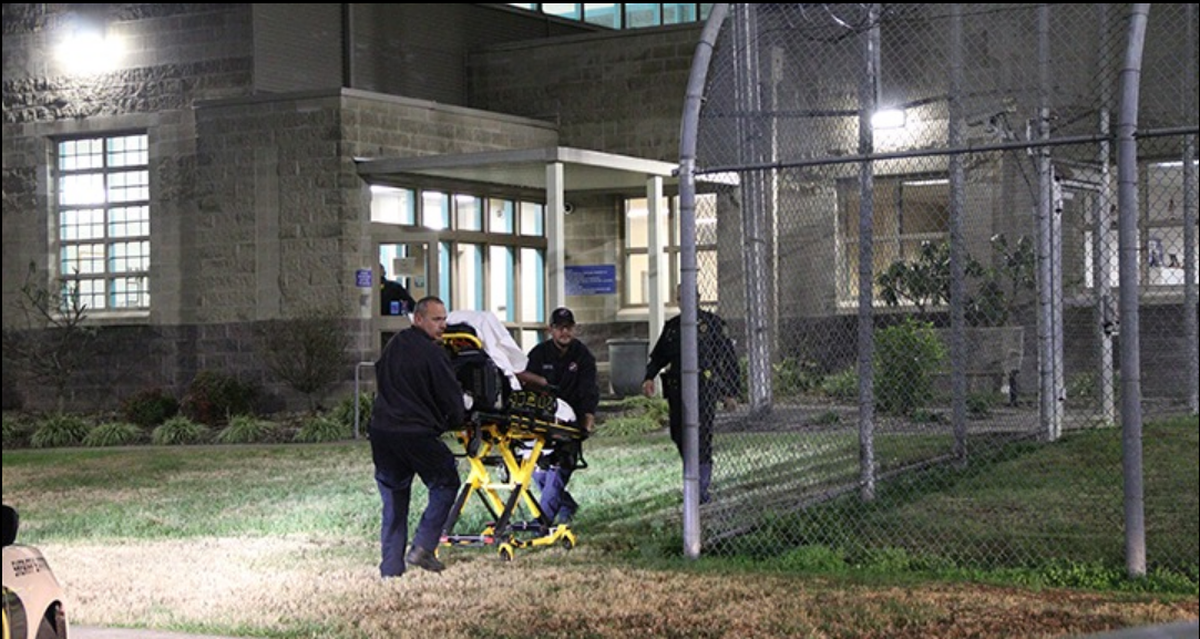
The previous month, the center had an average daily population of 51 teen boys, most of them awaiting court proceedings.
Some months in 2025, there were nearly 30 incidents of fighting, assault or physical restraint by staff inside the Adair County center, often involving the use of pepper spray by staff, according to the reports.
“Our current staffing does not allow freedom of movement, so youth engage in fighting with each other and staff anytime they are out of the cells,” Little wrote.
Ideally, youths in state custody leave their cells to eat, attend school in a classroom in the building, shower and get recreation and exercise. However, because of staffing shortages in Adair County, youths spend less time outside their cells, which “led to boredom and frustration” and ultimately “behavior problems,” the facility warned in a separate report last May.
“Staff are working hard every day and working many hours. We keep reassuring (them) that help is coming, but with every step we take, we fall two steps behind,” Little wrote on Dec. 3. “All they hear when they go to the academy is how bad this facility is.
“Before the staff even begins, they are scared of the youth.”
Other juvenile detention centers around the state echoed similar concerns in their own monthly reports to Frankfort throughout last year.
They said they’ve moved different kinds of employees, like counselors, to temporarily fill security jobs vacancies, and they’ve borrowed employees from other agencies, like the Division of Probation and Parole.
The Herald-Leader obtained the monthly activity reports through the Kentucky Open Records Act.
Other problems identified in the reports paint a harrowing portrait: Youths sleeping in a gymnasium for lack of available beds in cells. Durable anti-suicide blankets used so often that they’re wearing out the dryers. Meal tray slots added to cell doors to avoid the “use of force” sometimes necessary when cell doors are opened.
But the most frequent complaint is staffing.
“The facility continues to survive but struggles with daily tasks and obligations due to low staff numbers. Even at a full complement, we are understaffed. Our security numbers are literally half of similar facilities,” the McCracken Regional Juvenile Detention Center in Paducah reported last Sept. 8.
In just one month, it said, the McCracken County facility spent $30,000 on overtime.
“Need more correctional positions,” reported the Fayette Regional Juvenile Detention Center in Lexington last July 8. “Our current staffing plan will not fully cover the building even when full.”
‘Staff feel overworked and overwhelmed’
Managers at several of the juvenile detention centers say they worry they’re violating the federal Prison Rape Elimination Act, or PREA, due to current staffing levels.
PREA is a 2003 law that tries to curb sexual violence in correctional institutions by requiring minimum ratios of inmates-to-staff. The reasoning is, inmates are safer if there are enough staff on the floor to maintain control.
For juvenile detention centers, the staff-to-youth ratios are 1-to-8 for day shifts and 1-to-16 for night shifts.
That’s impossible under current conditions, managers protest in their monthly reports to Frankfort.
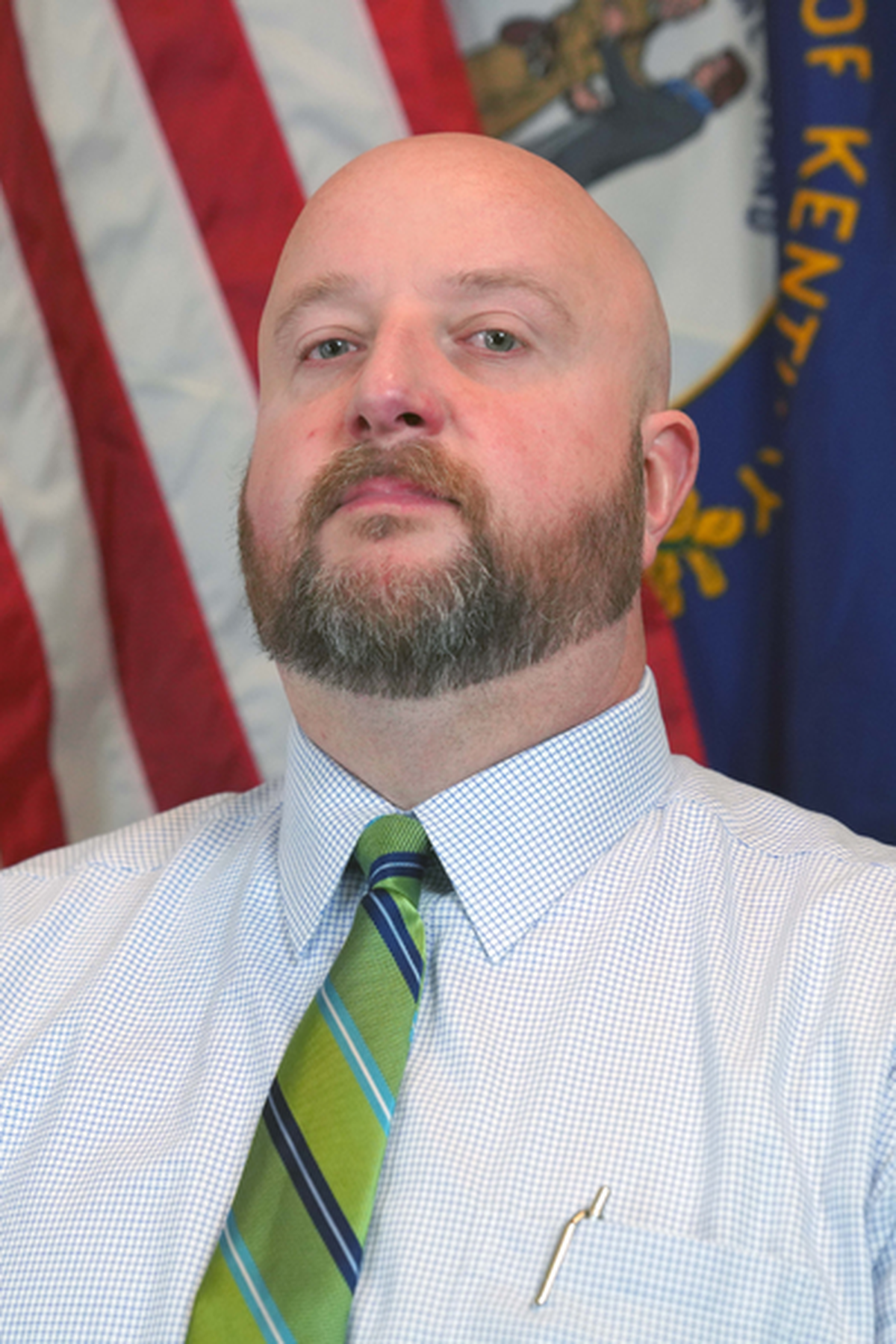
“High census (population) and low staff numbers keeps us in a perpetual state of non-compliance with PREA ratios,” Robert Barron, manager of the Warren Regional Juvenile Detention Center in Bowling Green, wrote last April 7.
Supporting the managers’ claims, the most recently available PREA audits for the juvenile detention centers — posted online by the Department of Juvenile Justice — found repeated violations of the staff ratios.
For the Warren County facility, auditors wrote: “During the time period from 7/15/23 to 8/7/23, out of 24 shifts, 23 shifts did not meet the required staffing ratio of 1-to-8. At any given time, between two and six out of eight units were over the 1-to-8 staff ratio.”
“Staff morale is low,” Barron added in his April report. “Staff feel overworked and overwhelmed.”
State officials: Staffing at ‘all-time high’
Inadequate staffing at the state’s juvenile detention centers has plagued the Department of Juvenile Justice during Beshear’s seven years as governor, despite his attempts to boost hiring by raising salaries to $50,000 a year, a $10,000-to-$15,000 increase.
More controversially, Beshear’s administration also provided staff with pepper spray and tasers to use against the youths as defensive weapons.
Staffing is one factor in the pending investigations of conditions inside the facilities by the U.S. Department of Justice Civil Rights Division and the Kentucky Protection and Advocacy Services Division.
Randy White, a former prison warden whom Beshear appointed in 2024 as juvenile justice commissioner, did not respond to a request seeking comment for this story.
In a prepared statement, the Kentucky Justice and Public Safety Cabinet — which oversees White’s department — brushed off the staffing concerns repeatedly raised by the juvenile detention centers in their reports.
“Staffing levels at the Department of Juvenile Justice have reached all-time high levels thanks to the efforts by the Beshear administration,” cabinet spokeswoman Morgan Hall said in the statement.
Technically, the all-time high arrived in 2024, Hall added, when the total number of filled positions across the juvenile detention centers reached 479. By 2025, when the alarmed monthly reports were coming in, the number had fallen to 418.
Last year, White and his executive team told facility managers to “innovate with staffing schedules to improve staffing coverage,” Hall said. That can include not approving every time-off or shift-change request, and adjusting schedules to be sure that “critical” posts, like living units and control rooms are covered, she said.
Across the juvenile detention centers, there were 61 open security jobs and 321 filled security jobs as of Jan. 14, Hall said. That’s a 16% vacancy rate. The total number of jobs in the facilities — security and otherwise — included 74 open and 450 filled, she said.
However, the day-to-day vacancy rate is worse than it appears on paper.
“Filled” jobs include an unspecified number of people who are away on extended medical or military leave, a constant headache for managers trying to plan work schedules, according to the monthly reports.
“We continue to be grossly understaffed even when all of our funded positions are filled,” Steve Woodward, manager of the McCracken Regional Juvenile Detention Center, wrote last Aug. 2.
“Vacancies, call-ins, lengthy military deployments and Family and Medical Leave Act put the facility with less than favorable staff numbers and the need to work a considerable amount of overtime. It has been necessary to request limited assistance from affiliated agencies.”
Beshear wants two more detention centers
In the two-year state budget that lawmakers will craft this winter, Beshear has asked for two more juvenile detention centers, exclusively for teen girls, and a high-acuity mental-health treatment facility for juveniles in state custody. The cost to the state’s General Fund for the bonded projects would be $125 million.
The governor’s past requests for these projects have been unsuccessful.
A state lawmaker with a master’s degree in corrections and juvenile justice, and who has managed programs for youths in custody, said she questions whether Kentucky is prepared to open any more detention centers.
Despite the pay raises Beshear gave to juvenile justice employees, those are difficult, stressful jobs, as are all corrections jobs, said Sen. Keturah Herron, D-Louisville. And long years of wage stagnation for Kentucky state workers has made employment in state government much less attractive generally, Herron said.
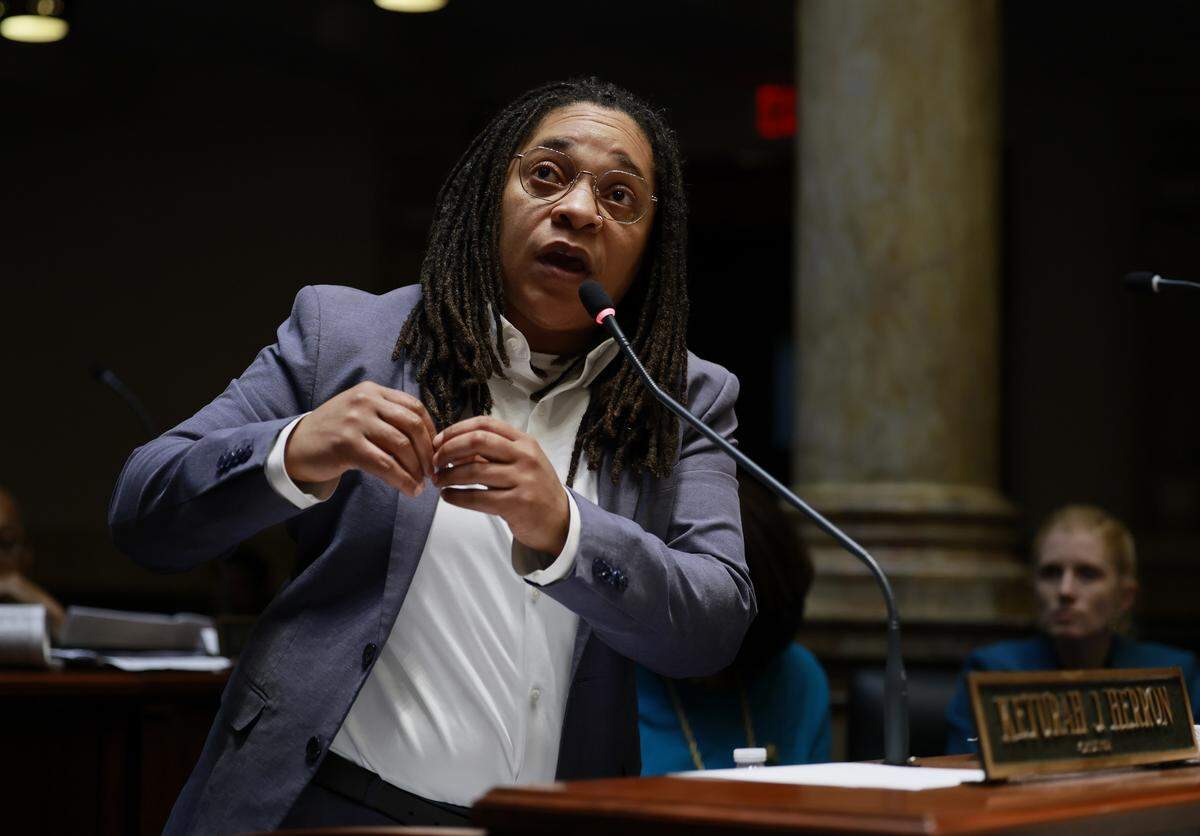
“If we can’t have our current facilities fully staffed, then those other facilities aren’t going to be staffed, either,” Herron said.
“And so when we talk about the safety and security of our youth, of our staff and the communities in which those facilities are going to be, I’m not sure that we’re really solving the problem,” said Sen. Keturah Herron, D-Louisville.
Instead of adding more beds behind bars, Herron said, it would help if Kentucky invested in community programs and services that could reach youths before they get in serious trouble.
“We have put in over $80 million over the last several years on facilities within the state when it comes to our juvenile justice facilities,” the senator said. “We have not put a dime on the prevention, intervention, re-entry or family supports.”
“We as Kentuckians have an opportunity to look at those alternatives to detention. How do we put money and resources more upstream to ensure that youths and families have the things that they need in their communities to keep our kids out of the justice system?”