DEI ban, income tax cut & more: What didn’t pass KY legislature before veto period

So many bills, but only so much time.
During the legislative session, Kentucky lawmakers introduce hundreds of pieces of legislation they hope will make it across the finish line. But in a typical year, especially a budget year, only a fraction of those bills become law.
The General Assembly’s Republican supermajority mainly had to focus on passing the next two-year state budget. Still, lawmakers pitched a plethora of ideas, which ended with more than 1,000 bills filed.
Additional legislation still has a chance to get passed when the General Assembly returns on April 14 and 15. However, lawmakers needed to pass any bills they think Democratic Gov. Andy Beshear would veto by April 1 so they have a chance to override them the final two days of session.
Here’s a look at what the General Assembly didn’t push through before the veto period began Thursday.
No diversity, equity & inclusion ban for K-12 schools
Sen. Lindsey Tichenor, R-Smithfield, filed Senate Bill 26 on the first day of session, which attempted to ban diversity, equity and inclusion practices in Kentucky’s K-12 public schools.
According to the bill, the Kentucky Department of Education, school districts, public schools or cooperative boards must not provide any differential treatment or benefits to an individual, including an applicant for employment, promotion, or contract renewal, on the basis of the individual’s religion, race, sex, color or national origin.
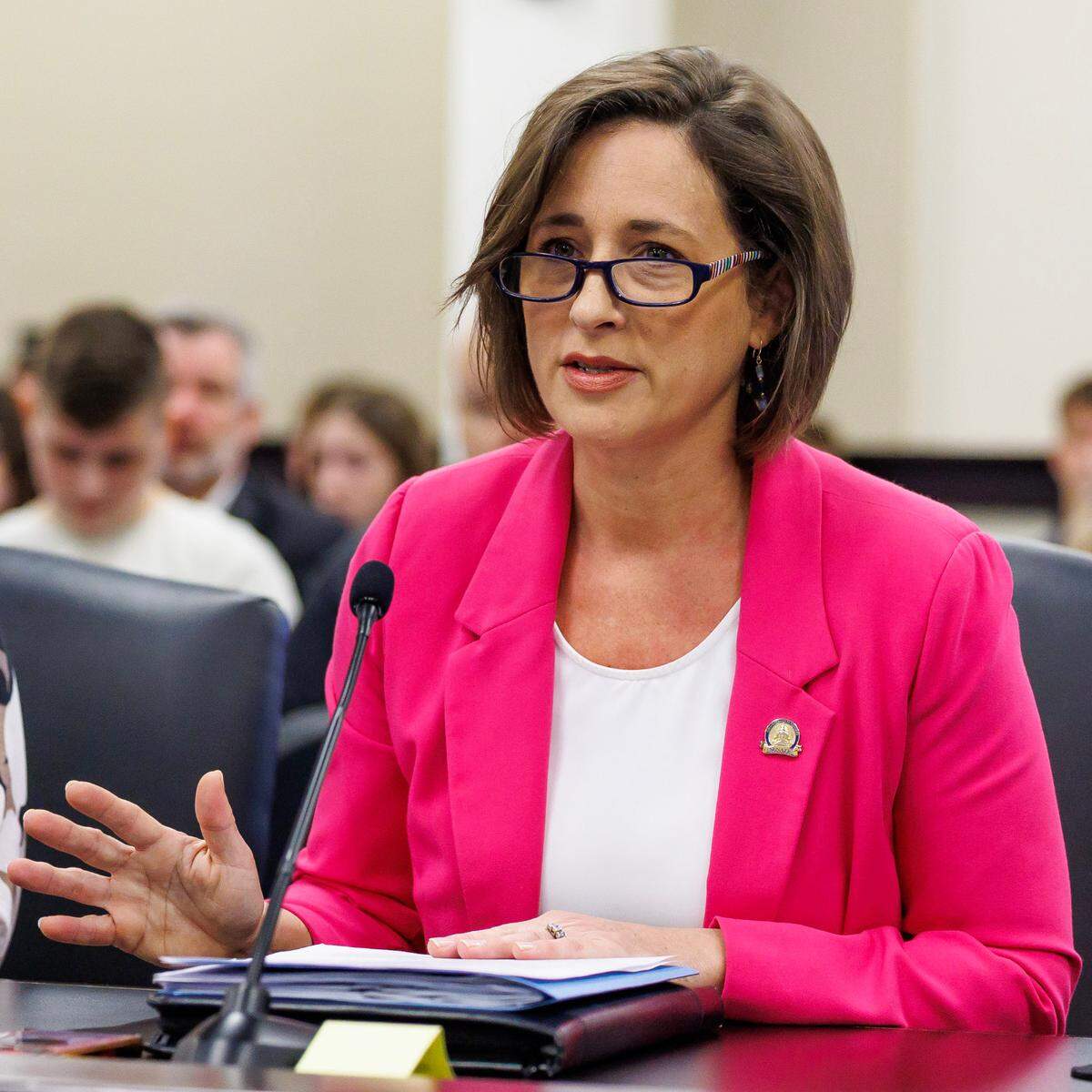
In a previous statement, Tichenor said the legislation makes “sure every student and educator in Kentucky deserve to be treated as an individual — not sorted, labeled, or advantaged based on characteristics they cannot control.”
It was the second year Tichenor targeted DEI, as she filed similar bills in the 2025 session that would ban DEI practices in public schools and a separate bill banning them for state and local governments. But like last year, Tichenor’s SB 26 did not make it through the legislative process. In fact, the bill didn’t get a committee assignment.
SB 26 is unlikely to pass during the final two days of session, but lawmakers have previously addressed DEI in higher education. Last year, the General Assembly passed House Bill 4, which defunded all DEI initiatives, including offices, policies and practices “designed to implemented to promote or provide preferential treatment or benefits to individuals on the basis of religion, sex, color, or national origin” at colleges and universities.
No income tax reduction
Prior to session, House Republicans hinted at the possibility of cutting the state income tax, despite missing the mark needed last year.
But no legislation to reduce that tax was introduced.
The GOP-dominated General Assembly has put Kentucky on a path to reduce the income tax to zero and previously set policy on what “triggers” need to be met before making a reduction. The triggers factor in the size of the state’s Budget Reserve Trust Fund and the pace of revenue streams going into the General Fund, especially from sales and income tax.
Kentucky fell just $7.5 million in revenue short of the mark it set for itself to move forward with an income tax cut from 3.5% to 3% in 2027. The money is part of last year’s total general fund revenue of $15.7 billion.
Rep. Jason Nemes, R-Middletown, said in November that last year’s revenue was calculated too soon, since the state tax deadline was extended to Nov. 3, 2025 due to severe weather events across the state in the spring. House Speaker David Osborne, R-Prospect, also said though the state missed the trigger, the legislature, “can make policy however we want to make it, so it doesn’t really ultimately matter.”
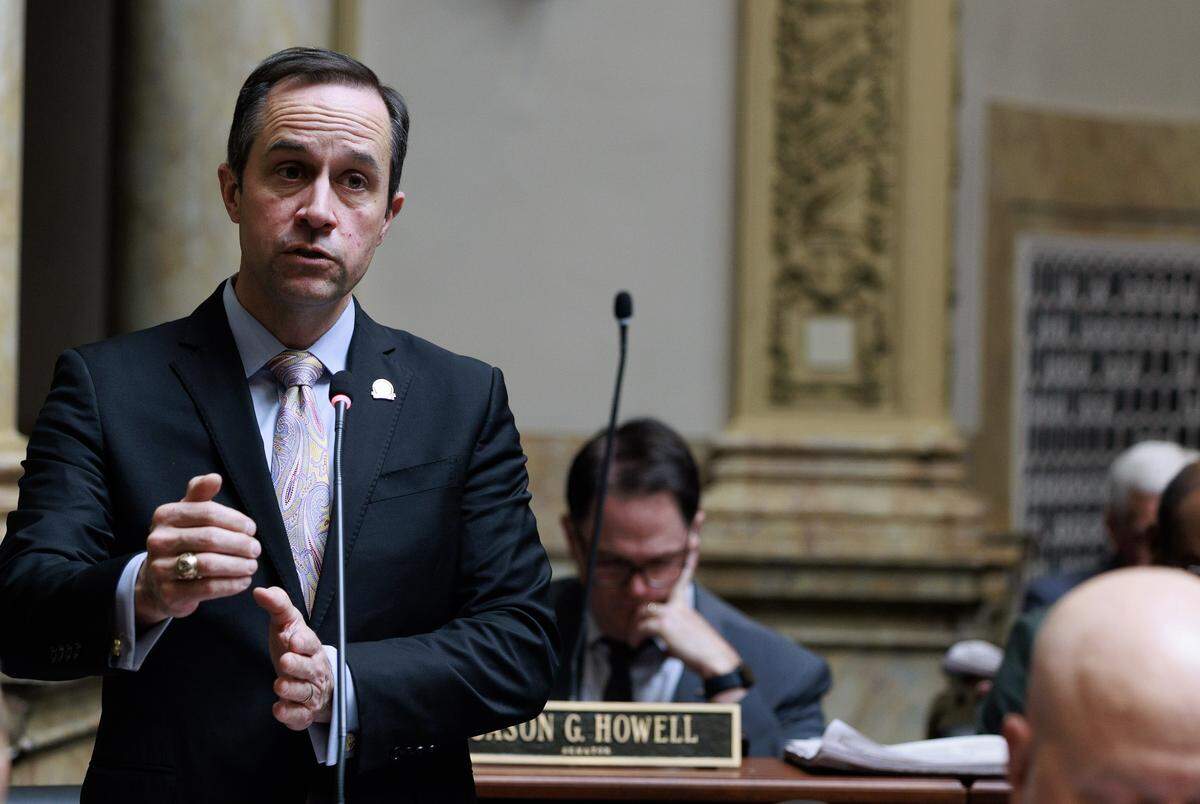
But the Senate seemed less interested in cutting the income tax without hitting those marks. Sen. Chris McDaniel, R-Ryland Heights, who chairs the Senate Appropriations and Revenue Committee, said at the Kentucky Chamber of Commerce’s legislative preview conference in November, “the formula has worked in the past, and it’s set up to stay the course of ‘budgeting discipline.’”
When asked by reporters last week if an income tax reduction was kept in mind when crafting the next state budget, McDaniel said “it’s important, but it’s also important that (to) fund the essential services of government.”
Rand Paul still can’t run for Senate and president — for now
In House Bill 534, Rep. DJ Johnson, R-Owensboro, included a provision to let federal officeholders run for reelection and president in 2028.
House Bill 534, which made sweeping changes to Kentucky’s election law, didn’t pass the Senate. But the chamber added language from the bill, including restricting accepted voter IDs and allowing private voter information to be shared with the federal government, to House Bill 139, which did make it to the governor’s desk.
Language letting federal officeholders run for president and reelection was not included.
The language in the bill added an explicit exception to the rule that a candidate’s name not appear more than once on the ballot. Under HB 534, it can, if they are “a candidate for two different federal offices on the same ballot, if one of the offices is decided by the United States Electoral College and the person currently holds an elected federal office.”
The only office decided by the electoral college is president.
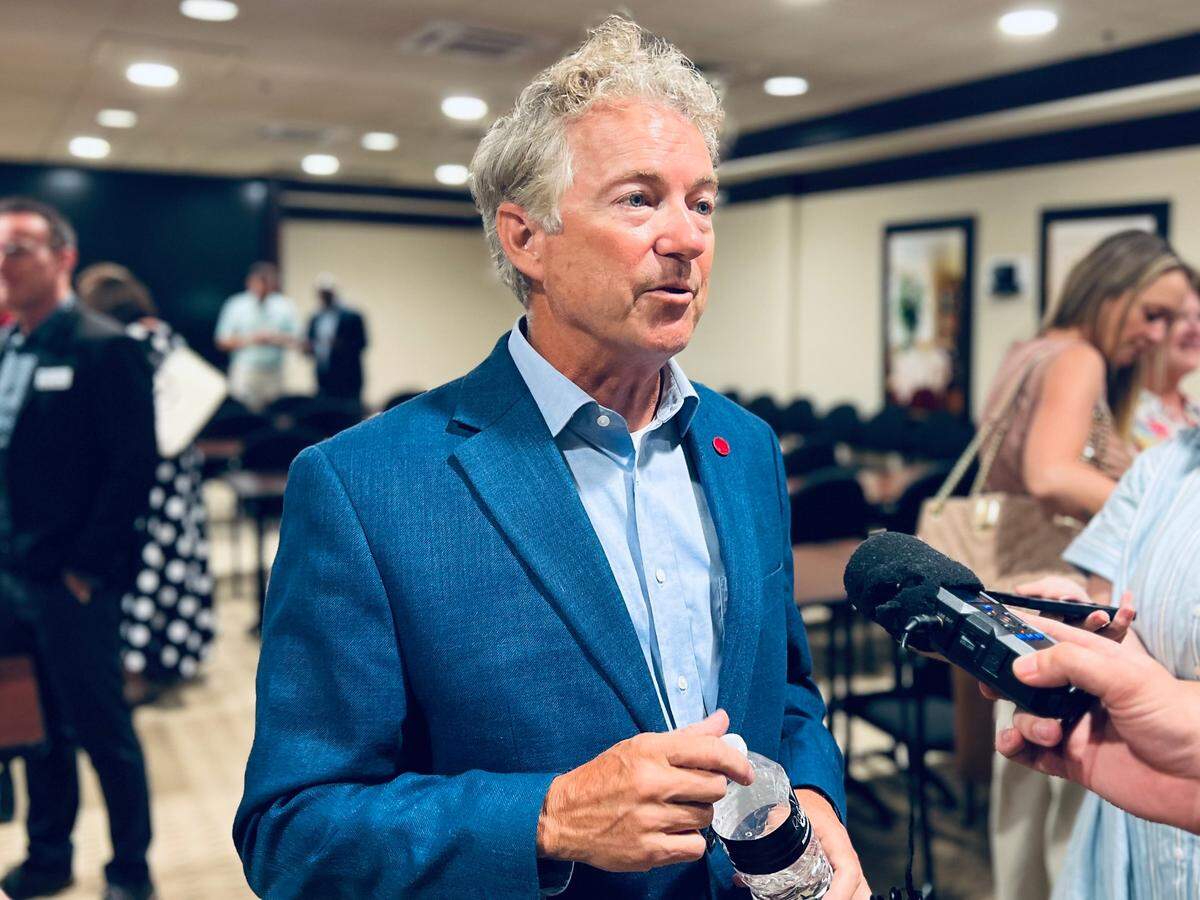
Johnson did not name Republican Sen. Rand Paul while testifying about the bill in committee, but hinted the state’s junior senator was the reason for that provision. Paul’s presidential ambitions are no secret. He is regularly mentioned as a possible 2028 contender and has not denied interest, though he’s asserted his intention to run for reelection.
Paul ran for president in 2016 and supported a similar bill in the lead up to that election, but the then-Democratic House blocked it. The state party eventually allowed Paul to run for both by adopting a caucus-style election that year. Donald Trump eventually won the nomination, and Paul won reelection to his post.
Not all Republicans were supportive of the measure this year, including Rep. Jim Gooch, R-Providence. He said was a no vote on the provision in part because “we have some members of our federal delegation that, to me, are becoming an embarrassment for Kentucky” during a House Committee on Elections, Constitutional Amendments and Intergovernmental Affairs meeting.
Kentucky doesn’t join the call for a balanced budget amendment
Despite bringing in a special guest, Rep. Jason Petrie’s, R-Elkton, resolution calling on Congress to submit a balanced budget amendment to the U.S. Constitution for states to ratify never passed.
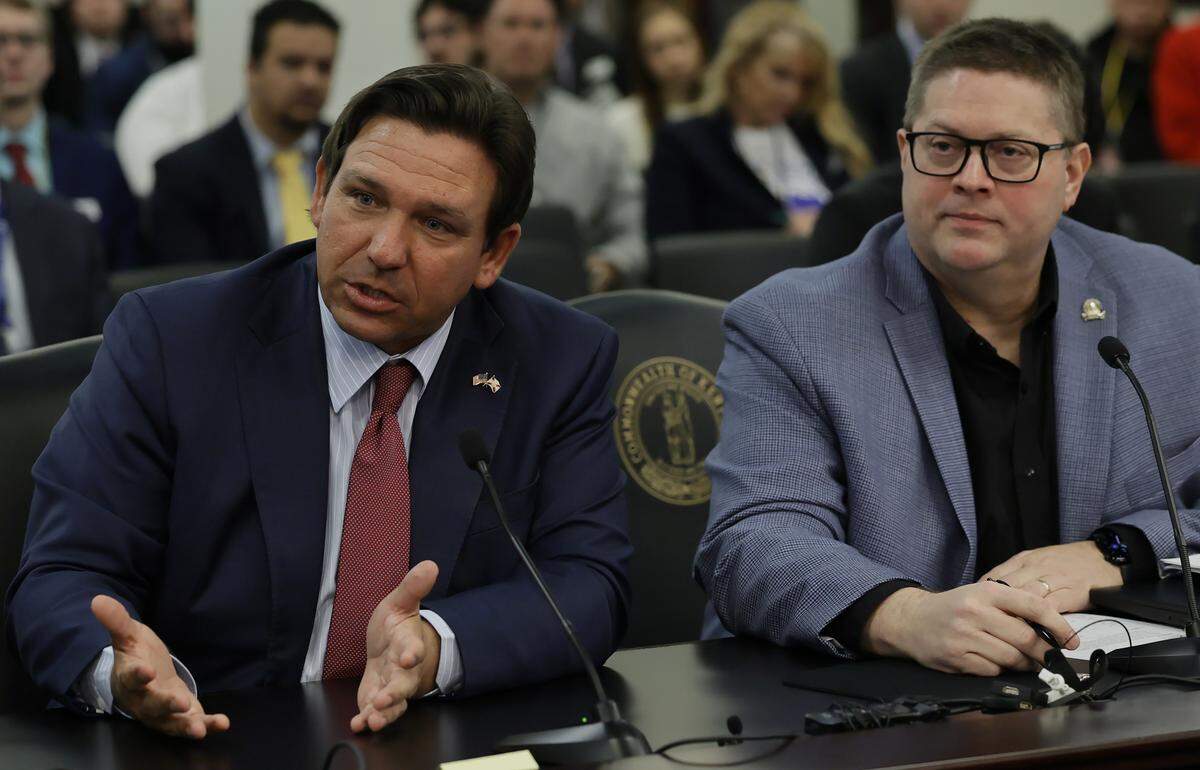
His resolution, House Concurrent Resolution 45, was presented to the House Standing Committee on State Government and the House Standing Committee on Elections, Constitutional Amendments and Intergovernmental Affairs. Florida Gov. Ron DeSantis visited Kentucky to support the measure alongside Petrie, where DeSantis said it’s time for states to step up to fix the country’s fiscal trajectory, and Kentucky “absolutely has to be a part of that.”
Petrie’s resolution would have called for a convention of the states to propose a federal budget amendment in the U.S. Constitution. An amendment was last ratified in 1992, with the 27th Amendment that prohibited Congress from raising its own salary until the next election occurs.
Florida is one of the 28 states that proponents say has passed resolutions calling for a convention under Article V of the Constitution to propose a balance budget amendment, and DeSantis traveled to other states, including Idaho, to advocate for the amendment.
While the committee had an hour-long discussion, the resolution was never brought up for a vote. Supporters say the amendment could help solve the national debt problem, while critics have concerns about whether a convention for the amendment could open up the opportunity for the entire constitution for revision.