
Impeachment, budget & more: 5 things that defined 2026 KY legislative session
Going into this year’s legislative session, the main focus was clear for Kentucky’s General Assembly: get the next two-year state budget across the finish line.
While lawmakers crafted legislation funding state government for fiscal years 2027 and 2028 and a massive one-time spending bill, the legislature also passed more than 100 notable bills, including ones making changes to election law, Medicaid and sending a constitutional amendment to the November ballot.
Unlike past sessions, there wasn’t much appetite this year for policy centering around culture war issues. But one of the more controversial issues among legislators was the impeachment of Fayette Circuit Judge Julie Muth Goodman.
Even though the legislative session ended April 15, senators say Goodman’s impeachment proceedings aren’t guaranteed to be over.
Here’s an update on where that stands and other notable takeaways from Frankfort:
Goodman impeachment
The Senate adopted a resolution on the final day of session that tabled impeachment proceedings against Goodman. But in doing so, the body vowed to rehash the issue if the state’s judicial oversight commission does not act on misconduct accusations made against the judge.
That resolution followed an April 6 Supreme Court ruling that said the responsibility to act on misconduct accusations lies with the Judicial Conduct Commission, which is already considering claims made against Goodman.
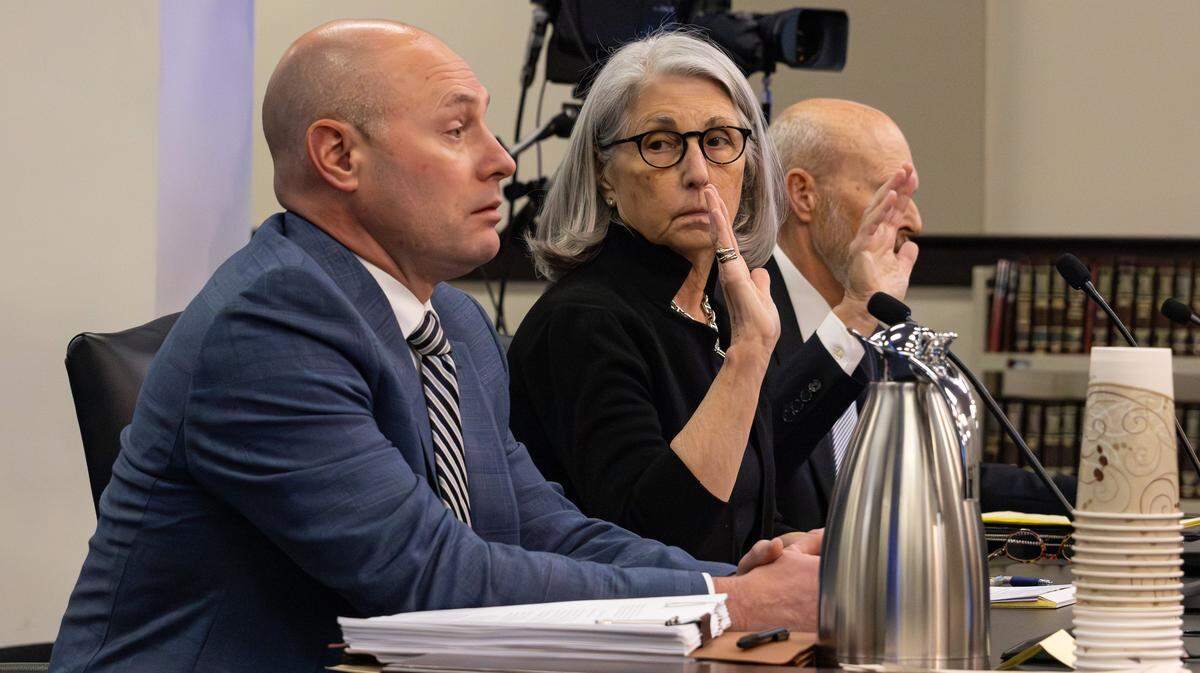
Also on the final day, the House of Representatives approved a resolution declaring the body considers the Supreme Court’s opinion unconstitutional since “no opinion, order or other action of the Court of Justice can limit or circumscribe the Constitution of Kentucky’s vesting of the impeachment power in the House of Representatives and the power to try impeachments in the Senate.”
In his weekly news conference Wednesday, Kentucky Gov. Andy Beshear said impeachment should only be considered if the claims constitute a misdemeanor.
“What the legislature was doing was creating pressure: If we don’t like your rulings, it could be you next year,” Beshear said. “That’s a violation of the separation of powers. I wish the General Assembly recognized the executive branch and legislative, judicial branches are supposed to be co-equal branches of government.
“When the Supreme Court says what you’ve done is not lawful, it’s just not lawful.”
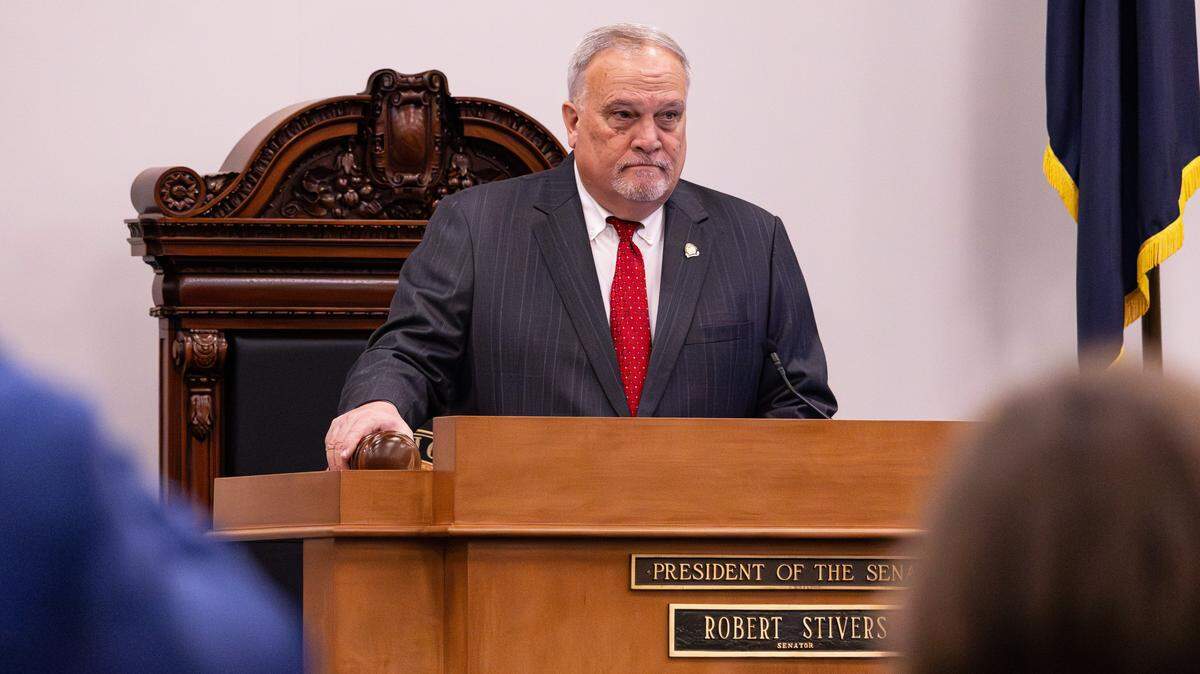
Senate President Robert Stivers, R-Manchester, also filed a resolution relating to Goodman’s impeachment that the chamber adopted. Senate Resolution 305 censures Supreme Court Justice Kelly Thompson for language he used in a ruling on the case of Goodman and filed a judicial ethics complaint over his opinion.
The House passed the same language Wednesday night in House Resolution 141 with a vote of 77-15.
High-profile bills change election law, Medicaid, Public Service Commission
Sweeping changes to Kentucky election law, the state Medicaid program and the Public Service Commission were all highly watched bills that became law.
House Bill 139 started off as a bipartisan election policy clean up bill, but ended up combining several changes that sparked controversy, including removing Social Security and food assistance cards from acceptable ID at the polls. The bill also lets judicial candidates disclose their party affiliation and increases the maximum political donation cap.
Beshear vetoed the bill, saying it would “make it more difficult for Kentuckians to vote” and “erode the independence of judiciary elections.” He also raised concern over a provision that allows private voter information to be shared with the federal government. The General Assembly overrode the governor’s veto.
Legislators also made significant changes to the state Medicaid program via House Bill 2, adopting federal requirements passed by Congress. At first, HB 2 went beyond federal work requirements and copay recommendations. But the Senate’s version, which made it to Beshear’s desk, softened the bill.
Instead of paying $20 to see a doctor and $35 for an in-patient hospital stay, both co-pays were set at $5. The Senate’s version removed language that would have stopped Kentucky from requesting a “hardship waiver” for work requirements in counties with unemployment rates greater than 8% or 150% times the national average.
Beshear vetoed parts of the bill that required Medicaid patients be charged copays and would have added a work requirement, but the General Assembly voted to override it.
Lawmakers reshaped the state utility regulator, the Kentucky Public Service Commission, in passing Senate Bill 8.
SB 8 expands the commission from three to five members, where all five are appointed by the governor and subject to confirmation in the Senate. The bill establishes qualifications for commissioners and limits the number of members from the same political party.
The PSC regulates Kentucky’s utility providers and is charged with protecting customers. It vets power generation plants, utility sales and rate hikes and is responsible for handling complaints and cases related to unfair rates, poor quality service or outages, among other complaints.
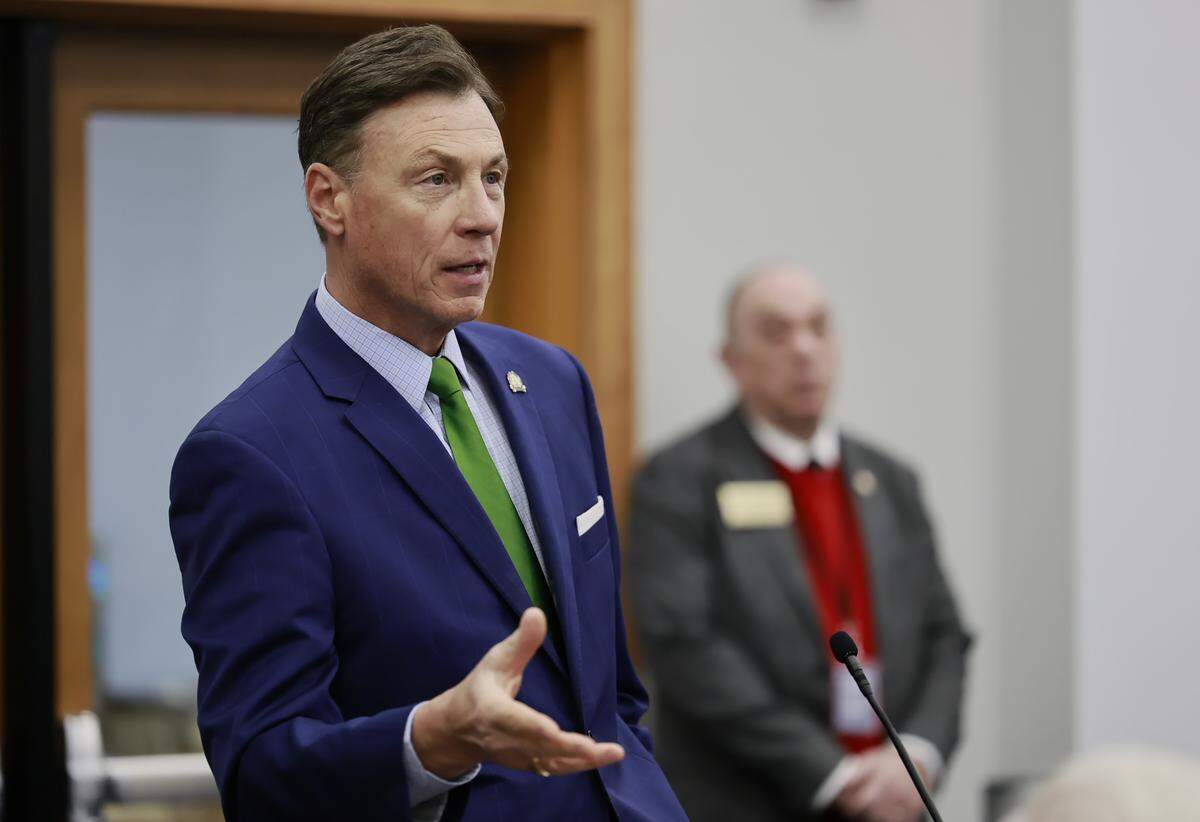
Beshear let SB 8 become law without his signature. Sen. Brandon Smith, R-Hazard, the bill’s sponsor, said in a statement “the entire goal of this bill is to help reduce rates that are bludgeoning families in Eastern Kentucky and to take another step toward lowering costs moving forward.”
One constitutional amendment on the November ballot
Lawmakers passed one constitutional amendment bill that will ask voters in November whether they want to restrict the governor’s pardon powers.
Out of around 40 bills introduced that proposed constitutional amendment questions, Senate Bill 10, sponsored by Sen. Chris McDaniel, R-Ryland Heights, was the only one to pass both chambers. The governor is not allowed to veto constitutional amendment bills.
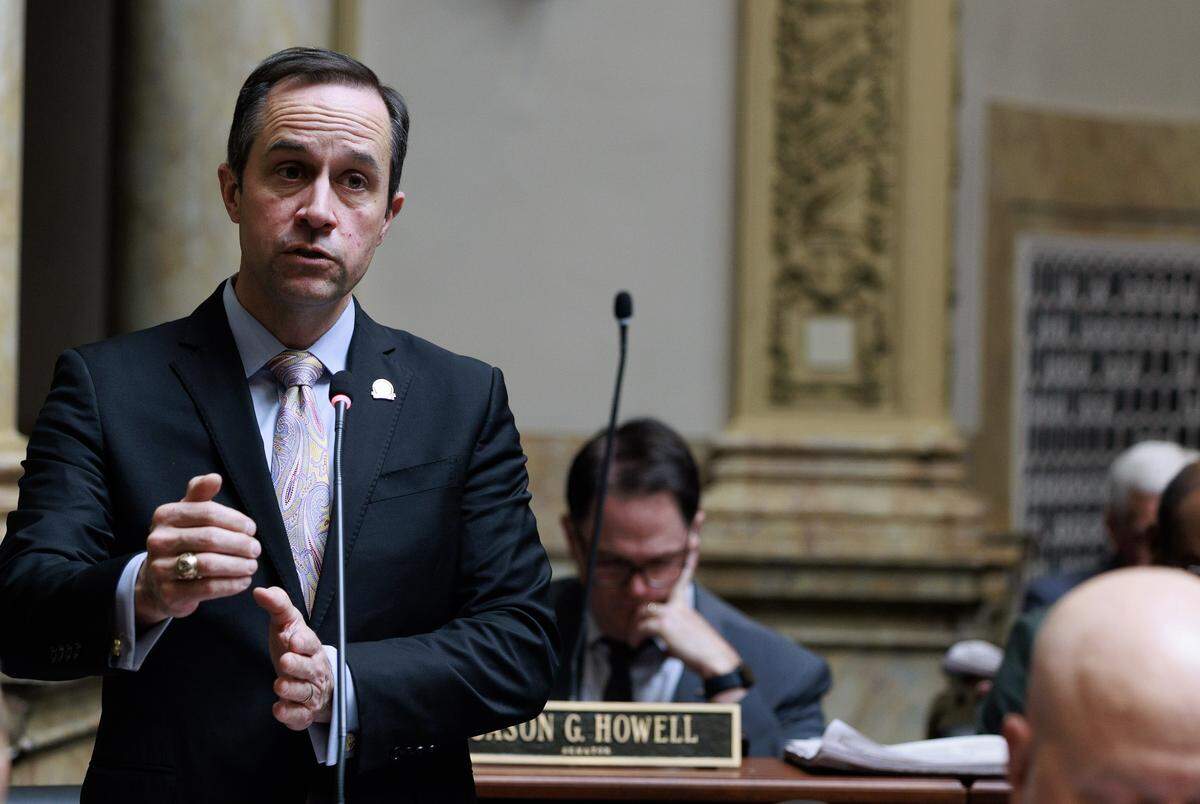
The ballot measure will ask voters if they want to prevent the governor from pardoning someone 60 days before an election and up until inauguration. Currently, the state constitution gives the governor the ability to issue pardons and commute sentences during any point in their term.
McDaniel did not specifically name former Gov. Matt Bevin in a statement following the bill’s passage, but Bevin issued more than 400 pardons, including to violent offenders convicted of homicide, child rape and to some whom Bevin had political and financial connections, during his final days in office.
Notable bills that didn’t make it
Bills introduced focusing on social issues and abortion barely made waves this session.
One of those was Senate Bill 26, filed by Lindsey Tichenor, R-Smithfield, that attempted to ban diversity, equity and inclusion in K-12 public schools.
Another was House Bill 867, that would ban people from using bathrooms in public buildings that don’t align with their sex assigned at birth. Rep. Bill Wesley, R-Ravenna, promised to file the bill last year following an incident near the end of the 2025 legislative session.
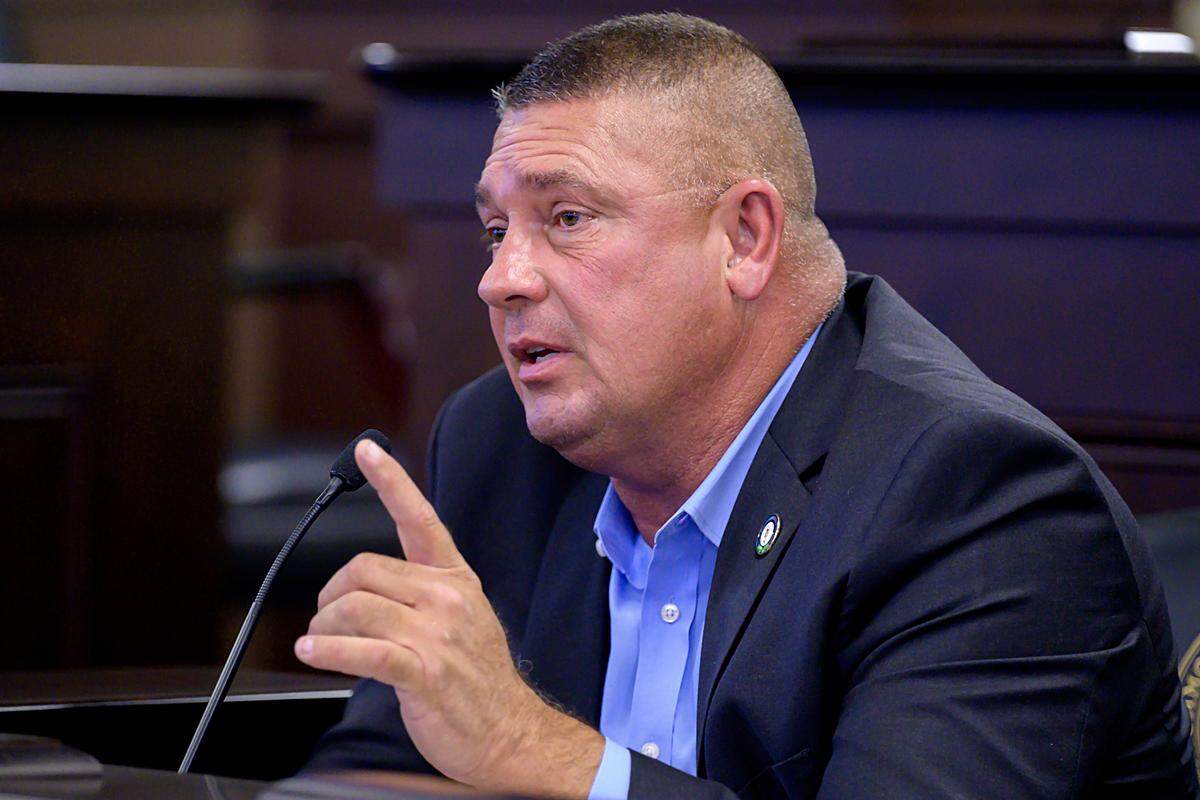
He had summoned the police on a drag queen who is transgender for using a women’s restroom in the state Capitol. While HB 867 was assigned to the House State Government Committee, it never received a hearing.
Meanwhile, multiple abortion bills filed also failed to move. That included House Bill 646, which would criminalize importing “abortion-inducing drugs” to Kentucky with “the intent to sell or distribute,” and House Bill 359, which would require public schools teach students about “human growth and development” by way of a computer-generated video produced by an anti-abortion nonprofit.
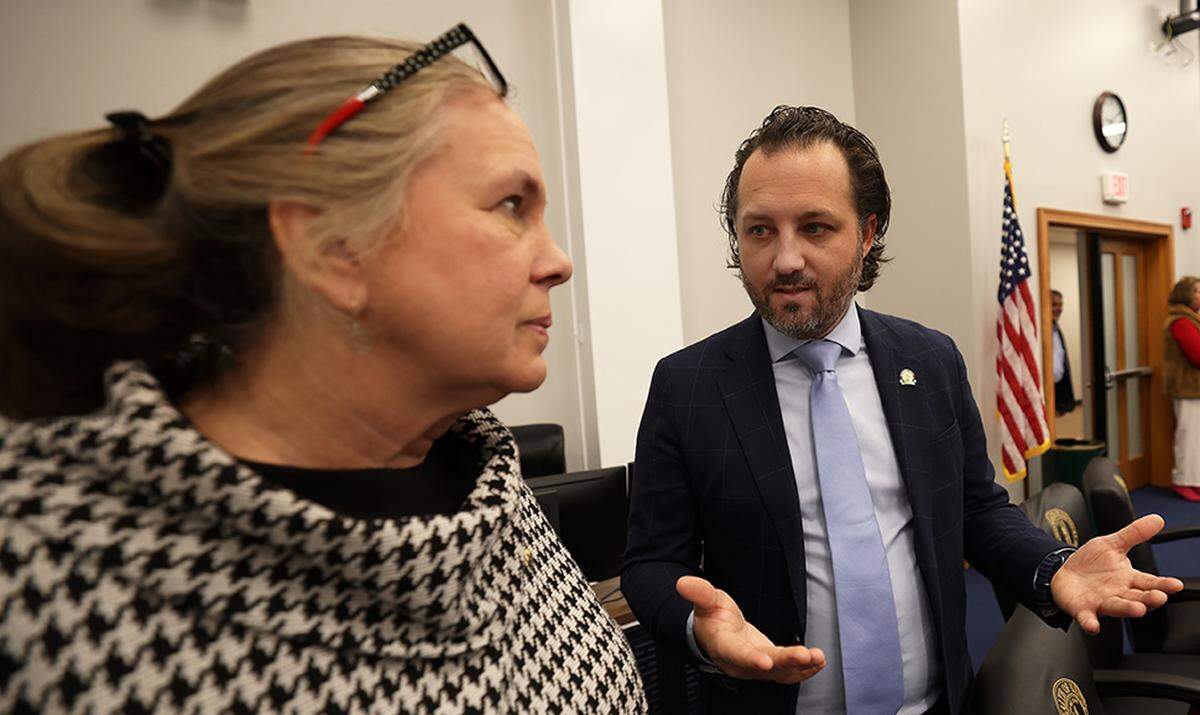
There was also the much-anticipated and interim priority data center legislation in House Bill 593 that didn’t cross the finish line.
It would have made data centers pay their own way by requiring companies cover transmission and infrastructure costs related to their facilities and sign contracts that mandate they generate their own electricity.
Budget highlights
Gov. Andy Beshear nixed a funding cap for natural disaster response, state audits of local school district finances and a designated spot in the Capitol for a statute of Sen. Mitch McConnell as part of line-item vetoes issued in recent days, though lawmakers moved quickly to override them.
In House Bill 500, the next recurring executive branch budget, lawmakers placed a $25 million cap on the Department of Military Affairs in allocated funds it can use to match federal aid when there is a presidentially declared disaster or emergency.
Another part of the same bill allows Republican State Auditor Allison Ball perform audits of school district finances, though the plan says local school districts are responsible for covering the cost of the review.
It also shifts management and final approval of decisions related to the Capitol Annex Renovation project from the executive branch to the legislative branch.
For the current fiscal year, the judicial branch is expected to get $466 million in state money, not counting restricted funds it collects or federal dollars. House Bill 504 will give the state courts $480 million in the first year and $497 million in the second year.
While the amounts have increased, the courts will experience financial strain due to mandated spending increases, such as a 2% pay raise for employees and employer health insurance costs set to rise 24% over the next two years, Jason Bailey, executive director of the Kentucky Center for Economic Policy, projects.
The final version of the Kentucky legislature’s one-time spending bill more than doubles the total funding for projects across the state compared to previous iterations. A long list of projects totalling more than $1.7 billion was the result of a Free Conference Committee Report on House Bill 900.
State legislative leaders allocated more than $57 million to Lexington-area projects and programs including $5.8 million for a new Lexington Children’s Museum and $20 million to a regional industrial park.

.JPG)