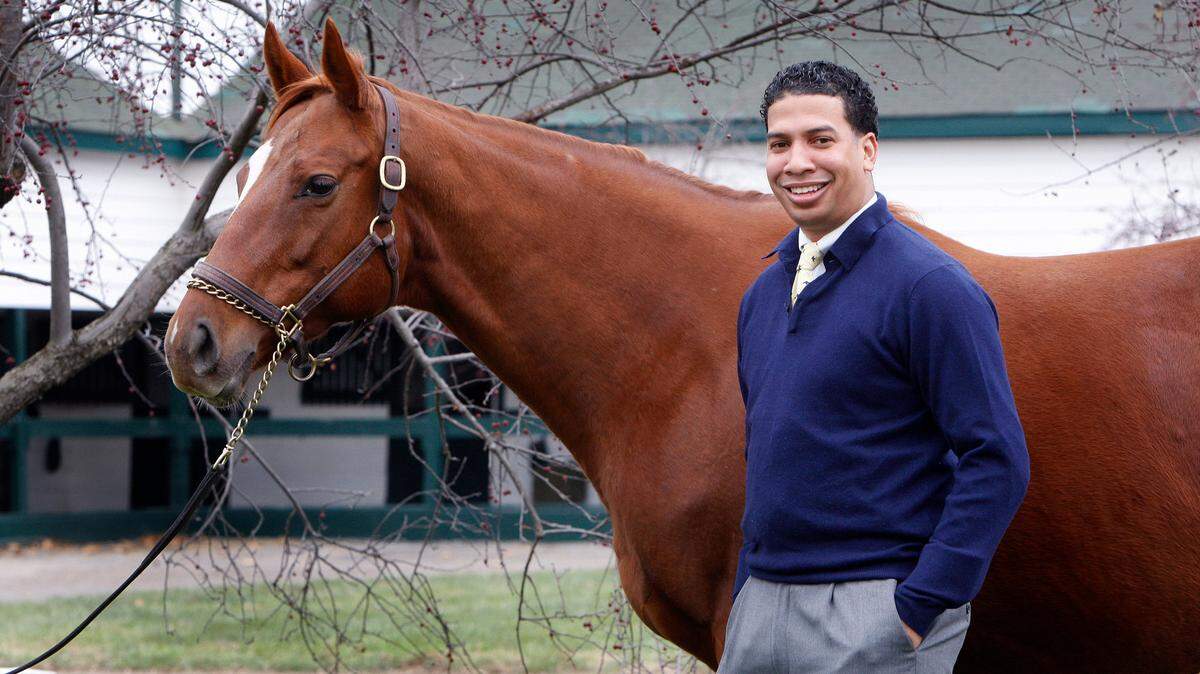
As he heads to ‘bittersweet’ first Derby, owner hopes to reopen industry to Black horsemen
READ MORE
2020 Kentucky Derby preview
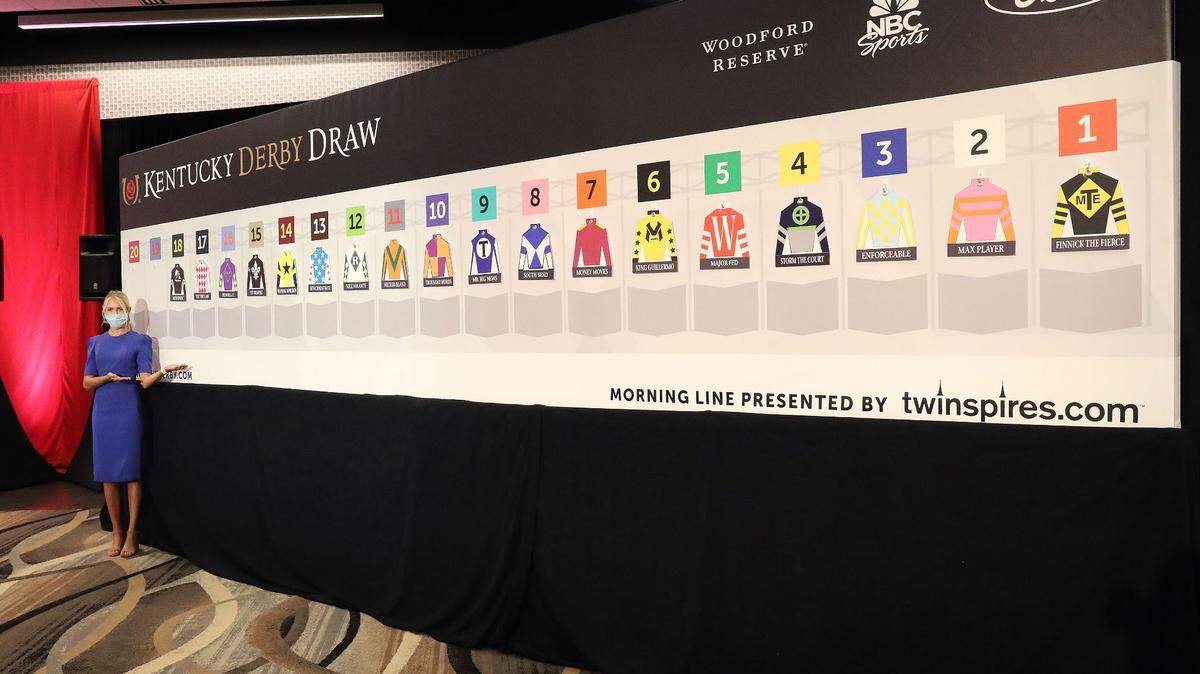
The 2020 Kentucky Derby is scheduled to be run at 7:01 p.m. Eastern Time on Saturday, Sept. 5 at Churchill Downs in Louisville. The Lexington Herald-Leader and Kentucky.com have produced all the content you need to get ready for the 146th running. Click below to get started.
Expand All
Tom Harbut served in World War II and became a groom at Spendthrift Farm, eventually rising to the rank of stallion manager. By 1962, he was part-owner of Touch Bar, who ran in that year’s Kentucky Derby. But because Harbut was Black, he was not allowed to either attend or even have his name listed in the program as an owner.
Almost 60 years later, his grandson, Greg Harbut, 35, will attend the Derby to watch his horse, Necker Island, try to win America’s most prestigious horse race. His name will be listed alongside his co-owners, Ray Daniels and Wayne Scherr. He admits the day will hold a mix of emotions.
“I’m a great fan of the industry, and it’s a great honor for me to work in it as well as be a fan,” Harbut said. “But knowing the history and thinking about my grandfather, well, it’s bittersweet.”
That history is both brilliant and short. It lasted from 1875, enough time for Black jockeys to win 15 of the first 28 Kentucky Derbies, before being kicked out of the top slots for, as most historians conclude, being too successful in a white world. That very first Derby winner, Aristides, was trained and ridden by two Black horsemen, Ansel Williams and Oliver Lewis, as Greg Harbut can tell you off the top of his head. It’s the 125th anniversary of James “Soup” Perkins’ win on Halma, when he was just 15.
The onset of legal segregation left little for Blacks in racing, although Harbut’s great-grandfather, Will Harbut, achieved a certain celebrity as the long-time groom of famed racehorse Man o’ War. There are many who believed that the horse’s 1947 death a month after Harbut’s was due to a broken heart, including Will Harbut’s son-in-law, Gene Carter, another Black horseman kept largely in the margins due to his race.
Tom Harbut’s son, Greg, saw his father’s labors and stayed out of the horse business. But his son, young Greg, knew from an early age that this was where he was meant to be. He got an introduction to Thoroughbreds working for trainer Tom Amoss, then went into the Darley Flying Start program, which moves students to racing sites around the world to introduce them to all sides of the industry, from breeding to sales to racing.
“Once I got in that program, it afforded me a lot of opportunities,” Harbut said. “You get to connect with key industry leaders, see horse management, see different pathways. I just said , I love horses, I can make a living off them.”
He got a job with The Stallion Company in Lexington for a few years, then in 2010 decided to form Harbut Bloodstock. He had some luck in working a private deal for the Yoshida family of Japan, a powerful force in international racing and breeding, which set him up with other international clients that are the backbone of his business.
Harbut is often the only Black man in the room, or paddock or racetrack, a fact that was brought home to him a few months ago when breeder Tom Van Meter was called out over racist remarks on social media as a reminder of how little some attitudes in racing have changed.
“Thankfully, I have never experienced anything directly, but I’m not naive enough to think there aren’t some individuals who don’t want to see me at the table,” he said.
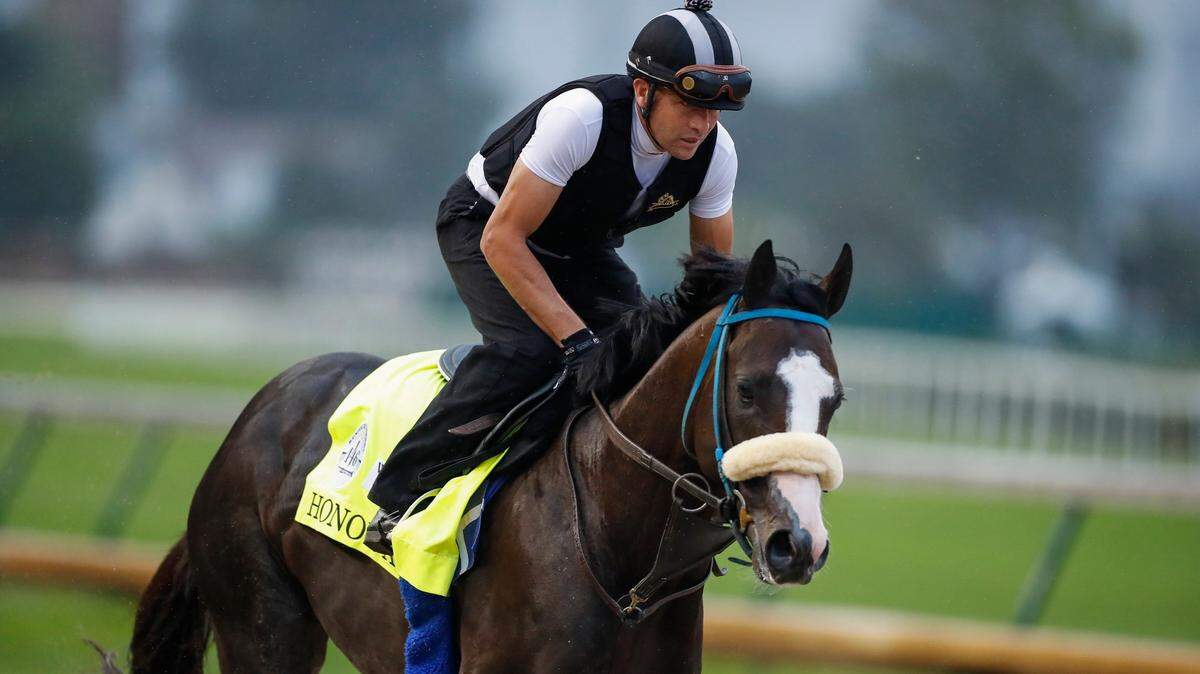
So now, he’s working on trying to expand the world of racing to more people of color, partly with the help of Necker Island, a three-year-old chestnut by Hard Spun. He got the colt in a $100,000 claiming race, putting together the deal with Scherr of North Dakota and Daniels, a Black businessman from Lexington, under the Will Harbut Racing Stable, with the idea of bringing more people into higher end syndicates. He and Daniels have also started the Living the Dream syndicate with the hopes of attracting more African-American owners into the industry.
In addition, the two men are starting the Ed Brown Society to set up scholarships for minority students to get the education and financial assistance to come into the industry and “be the key leaders of tomorrow,” Harbut said. They could have no better role model; Edward Brown was a slave sold to the Alexanders of Woodburn Stud in Woodford County, who rose up as a horseman to win the Belmont in 1870 on Kingfisher, trained Kentucky Derby winner Baden-Baden in 1877. He was not inducted into the Racing Hall of Fame until 1984.
“The industry has been welcoming to us, and in return, this will be good for the industry,” Harbut said. “Businesses that thrive are ones that are diversified and inclusive.”
Bill Cooke, former director of the Museum of the Horse, has known Harbut since he was a teenager who brought his grandfather to the Kentucky Horse Park. “With two incredible horsemen like his grandfather Tom and great grandfather Will, racing must have been in his blood,” said Cooke, currently the president of Phoenix Rising, a nonprofit dedicated to telling the stories of Black horsemen. “His forebears played a major role in building the thoroughbred industry, and thus he and others have earned a seat at the table at all levels now.”
All that’s left is for Necker Island to win the Kentucky Derby, which despite his 50-1 odds, would make history for both sports and America’s fractured racial past on a day that’s sure to have protesters at Churchill Downs seeking justice over police brutality. In a New York Times story on Thursday, Harbut said he’d been privately pressured by civil right activists to boycott the race.
Instead, Harbut told me, “we’re going to run the horse.” As he watches Necker Island race, he’ll be thinking of those who came before him, his forebears and the many others who created the industry, as he walks onto the track. He hopes they’ll see him, too.
“If it is possible,” he said, “I believe they are looking down.”
This story was originally published September 3, 2020 at 9:28 AM.