
‘Common sense’ over Duke Road proposal still absent from Chevy Chase debate | Opinion
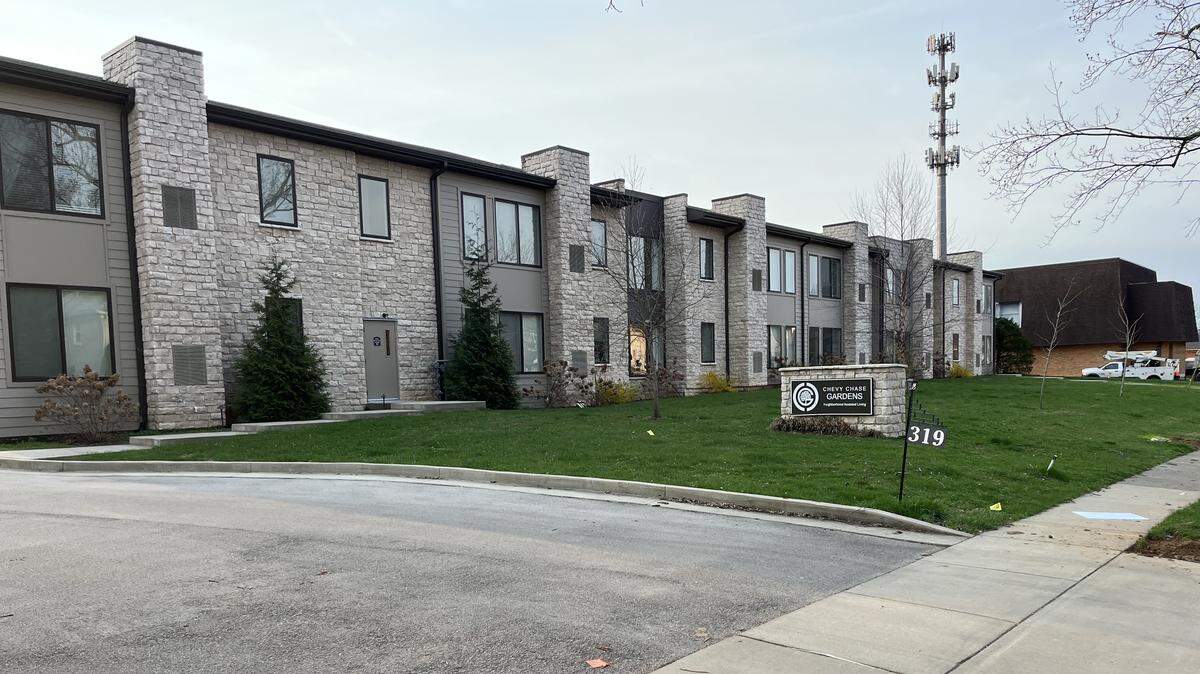
An op-ed published last Thursday in the Herald-Leader asks for “common sense” in the debate over Roaring Brook’s proposal for a mental health center at 319 Duke Rd. The author purports to offer some, then engages in the same thinly-veiled fearmongering that has been called out by others.
The author begins on the topic of zoning, noting the property is in an R-3 medium-density residential zone. He seems to suggest that the conditional use for which Roaring Brook is applying is beyond the pale, without acknowledging that R-3 conditional use is explicitly permitted (with Board of Adjustment approval) for rehabilitation homes like the proposed development, as well as larger operations like hospitals and bed-and-breakfasts, and even frat houses. The simple fact is that the proposal is squarely within the bounds of existing zoning regulations. No common sense yet.
The author next argues that “scale matters,” highlighting the existing facility’s 24 beds and the proposal’s suggested expansion to 60 beds. He goes on: “Even under ordinary residential zoning principles, no one would expect a 1.3-acre R-3 parcel to support a 60-unit apartment building.”
I can’t speak to his math, but my math looks like this: A 1.3-acre property is 56,628 square feet. With an average US apartment size of 908 square feet, you can conservatively fit 40 units on the lot with room to spare, only taking into account the first floor. R-3 buildings can have up to three stories, and the units at the facility are likely smaller than the average apartment. Besides, all of this ignores that the existing building is already licensed for up to 60 beds, which is probably where Roaring Brook’s number comes from. The author’s befuddlement at the proposal I can only imagine is somewhat manufactured.
Similarly artificial are his calculations regarding traffic. He claims 60 residents plus 20 staff members means 80 people coming and going daily. He describes this as an “incredibly large, intensive operation” – oh, the horror!
In reality, not only is this traffic dwarfed by that of Christ the King School, which sees almost six times that many students every weekday, but his figure includes residents of the facility that aren’t likely to be driving in and out frequently. The upcoming Publix on Romany Road seems a much greater harbinger of congestion on the roads. Another swing and miss on common sense.
Eventually, we get to the heart of the issue once more: fear. The author is afraid the building will be used for purposes under the broader definition of “Rehabilitation Home” per the zoning ordinances: to house “persons recovering from the effects of drug or alcohol abuse, psychiatric disorders, or as a condition of their parole or probation.” He also expresses confusion over how the property is currently used, adding that while permitted as a “personal care facility,” the current owner operates a mental health clinic.
The confusion is justified, and residents of the neighborhood should be curious about the permit status of the property under its current owner. But the fear is not justified. We must ask ourselves to use common sense: Which is more likely? That Roaring Brook intends to immediately shift its priorities away from those it has expressed publicly, undermining the premise of their permit and generating immediate pushback from neighborhood residents, disrupting the operations of their clinic? Or that they simply needed to apply for conditional use in a particular manner due to convoluted zoning law?
The author concludes that “the real question is whether established neighborhoods across Lexington… ought to absorb high-intensity, and incompatible uses simply because they are described as morally worthy.” While we’ve already seen that the Roaring Brook proposal is neither high-intensity nor incompatible, he poses a reasonable question here – and the answer is a resounding yes. Others have made this argument better than I can, but simply put, we’ve seen what NIMBY-ism has done to our neighborhoods in Lexington and across the country. It’s time we take a different tack and build our communities for everyone.
Ultimately, the author of the op-ed comes across certainly as more genuine than “Concerned Citizens of Chevy Chase,” an anonymous party that would rather hide behind red text and ominous stock imagery than prove they have anything to do with the folks that actually live here. But the much-lauded common sense he invokes should lead one to conclude that the uproar over this proposal is overblown and under-substantiated, not the other way around.

Parker Smith is a Lexington native and resident of the Hollywood neighborhood.