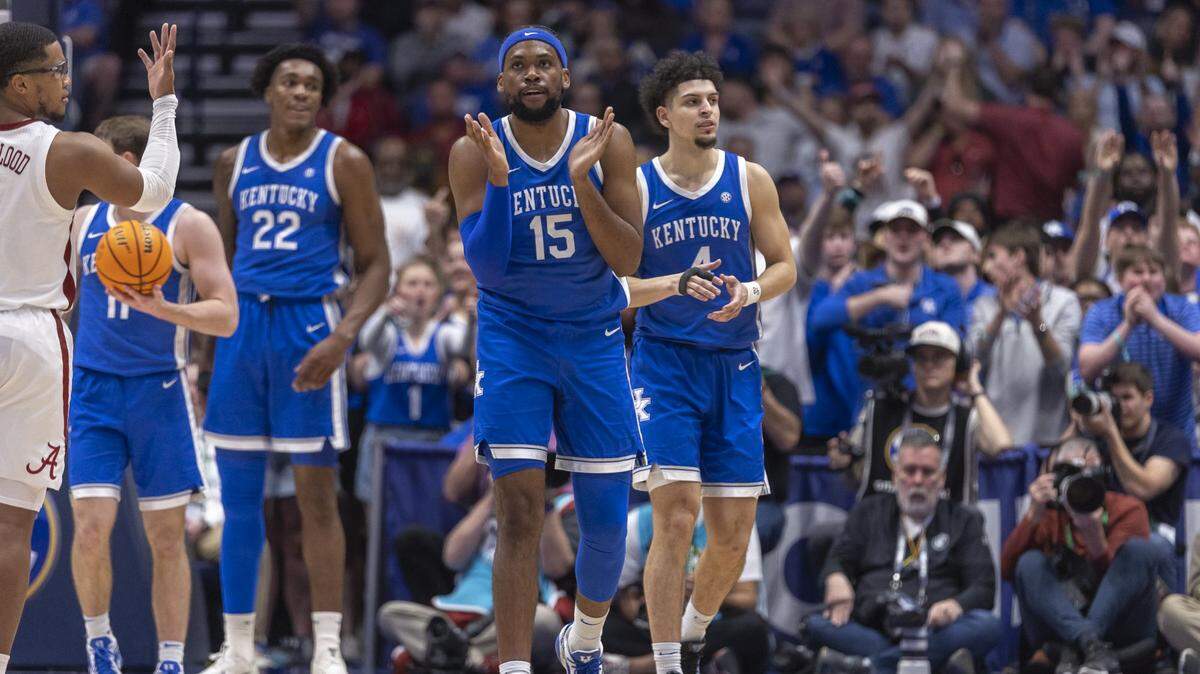
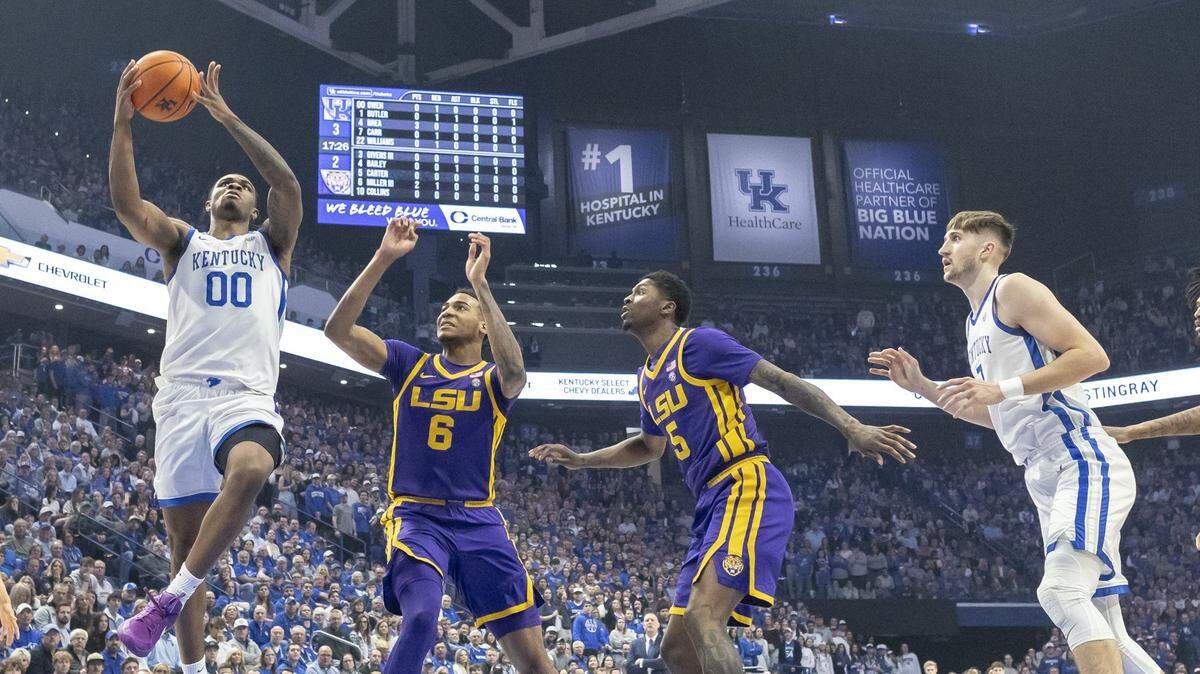
‘He was a little pest.’ The origin of UK basketball star Lamont Butler’s amazing defense
READ MORE
Men’s NCAA Tournament preview: Kentucky vs. Troy
Click below to read more coverage from the Lexington Herald-Leader and Kentucky.com ahead of Kentucky’s men’s NCAA Tournament opener against Troy University in Milwaukee on Friday night.
Expand All
The frustrations began before the first basketball game was played.
Months prior to his debut on the Rupp Arena court, Lamont Butler was already letting everyone around Kentucky’s program know exactly what to expect with his arrival. He was a menace. A nuisance. A bother.
In the best possible way, of course.
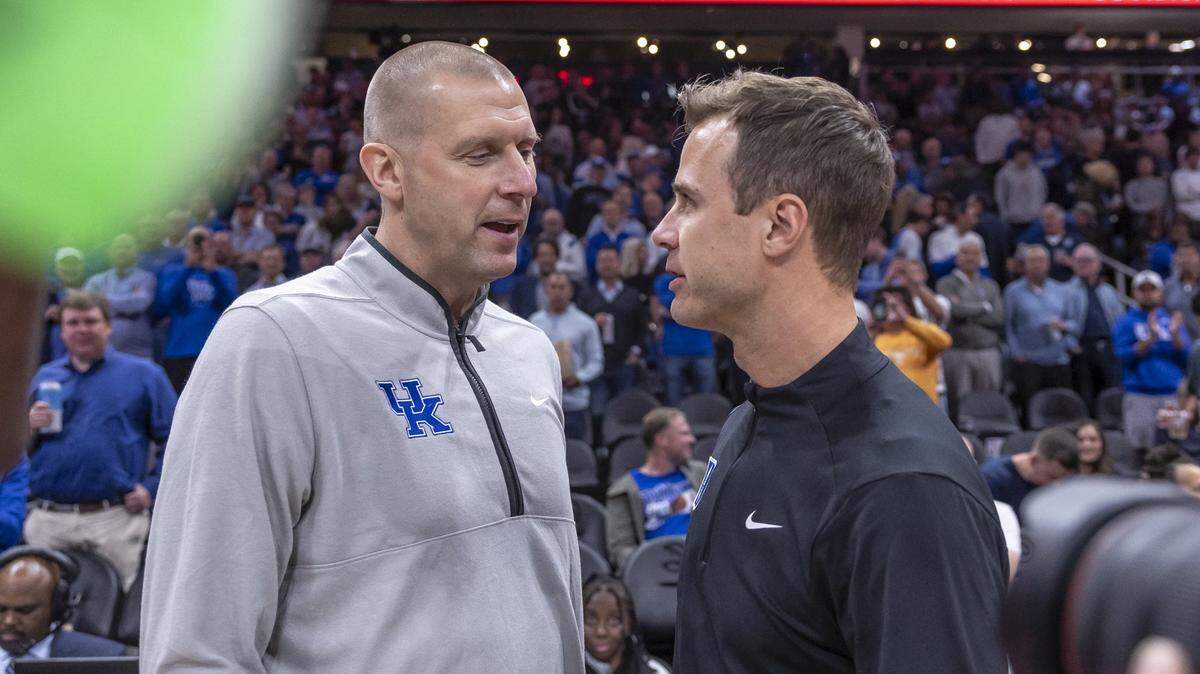
It started behind the scenes, away from the bright spotlight that shines on UK basketball. Over the summer, Butler and his teammates — all of them new in Lexington, the first roster assembled by incoming coach Mark Pope — took the court in the Joe Craft Center and got to work.
It was difficult to get any work done around Butler.
Kerr Kriisa and Jaxson Robinson were the pair most often on the other side of the ball from the 6-foot-2 point guard. An arrangement was reached fairly quickly.
If Butler was defending Kriisa, then Robinson would get the ball. If Butler was defending Robinson, then it would go to Kriisa. Anything else would just be welcoming exasperation.
Pope watched it unfold, laughing out loud months later at the vision of Kentucky’s players — Kriisa, in particular — doing anything they could to get out of trying to score against Butler.
“He was like, ‘I’m not messing with this cat!’” Pope exclaimed as the season approached.
Kriisa, as confident as anyone in Kentucky’s locker room, didn’t deny it. In fact, he brought the subject up on his own. As fall camp was wrapping up, the veteran point guard sat in a room not far from that practice court and talked about how, over time, Butler’s doggedness on defense ultimately made him a better offensive player. Kriisa talked about how his teammate’s approach and mentality lifted everyone around him to want to be better. And he talked about how glad he was that, once the season began, he could finally try and score against somebody else.
Butler, he said, would soon be some other team’s problem. Kriisa grinned at the thought.
“I’m just so happy that this s--- is over now,” he said.
Not long after that, the games began, Butler was unleashed on college basketball at large, and the superlatives started rolling in.
Opposing coaches raved about Butler’s defense. His UK teammates continued to talk, too.
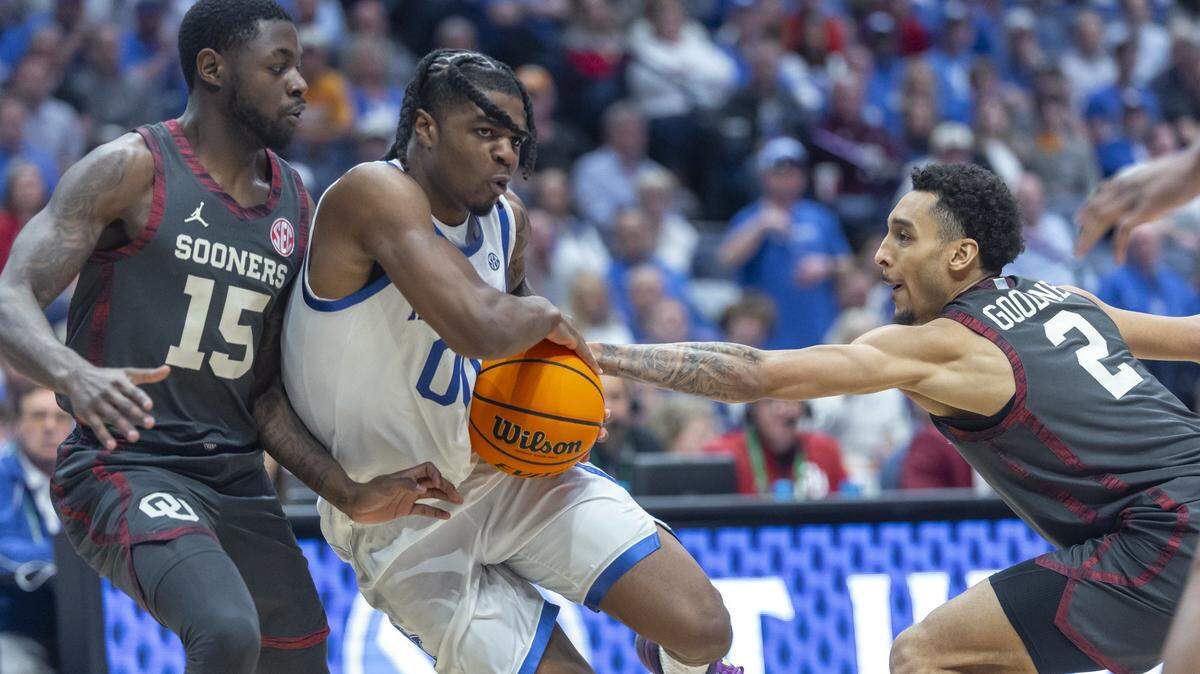
In the Wildcats’ first exhibition game against Kentucky Wesleyan, Butler tallied six steals and two blocks in 25 minutes. Afterward, Otega Oweh interrupted a question about Butler’s ability to get into ball handlers with his body and disrupt their rhythm with his quick hands.
“I’ve never seen it,” he proclaimed, awe in his voice. “It’s crazy. I’ve never seen anyone play defense like Lamont.”
The season progressed, and the fascination with Butler’s ability didn’t fade.
Andrew Carr, a fifth-year college player who talks about the game from an analytical perspective and has acknowledged a desire to pursue coaching at some point down the road, was dumbfounded by what Butler could do on the court.
Carr said Butler has tried to tell teammates about the “science” of what he does, how he sizes up opponents while they’re dribbling and uses a tried and true method to rip the ball away from them at just the right moment.
“He’s thinking about things that I would have never even thought about before when he’s trying to defend someone,” Carr said. “So it’s really just special, what he does. It’s not just physical ability. It’s mental. And he’s able to read someone on the ball, off the ball. I think he’s the best defender, on the ball, that I’ve ever seen.”
As the Wildcats got into the meat of their schedule, other teams’ coaches kept talking.
“I love the way he plays,” said Tennessee’s Rick Barnes.
“Obviously, he is one of the best point guards in the country,” said Ole Miss’ Chris Beard.
“One of the best perimeter defenders I’ve seen in college basketball,” said Alabama’s Nate Oats.
Butler has made strides since he arrived on UK’s campus last June, just like everyone else on this roster. Pope’s offensive approach has allowed him more space and freedom to prove that he’s not the one-dimensional player many presumed him to be.
He has evolved into more of a vocal leader, even on this team filled with veterans, something Kentucky’s coaches challenged him to become early in the offseason.
But you won’t catch anyone associated with UK basketball trying to take credit for the thing Butler does best. He came to Lexington as one of the best perimeter defenders in college basketball, and he’ll leave with the same reputation.
Pope and Kentucky gave him a bigger stage on which to show it. But it started a long time ago.
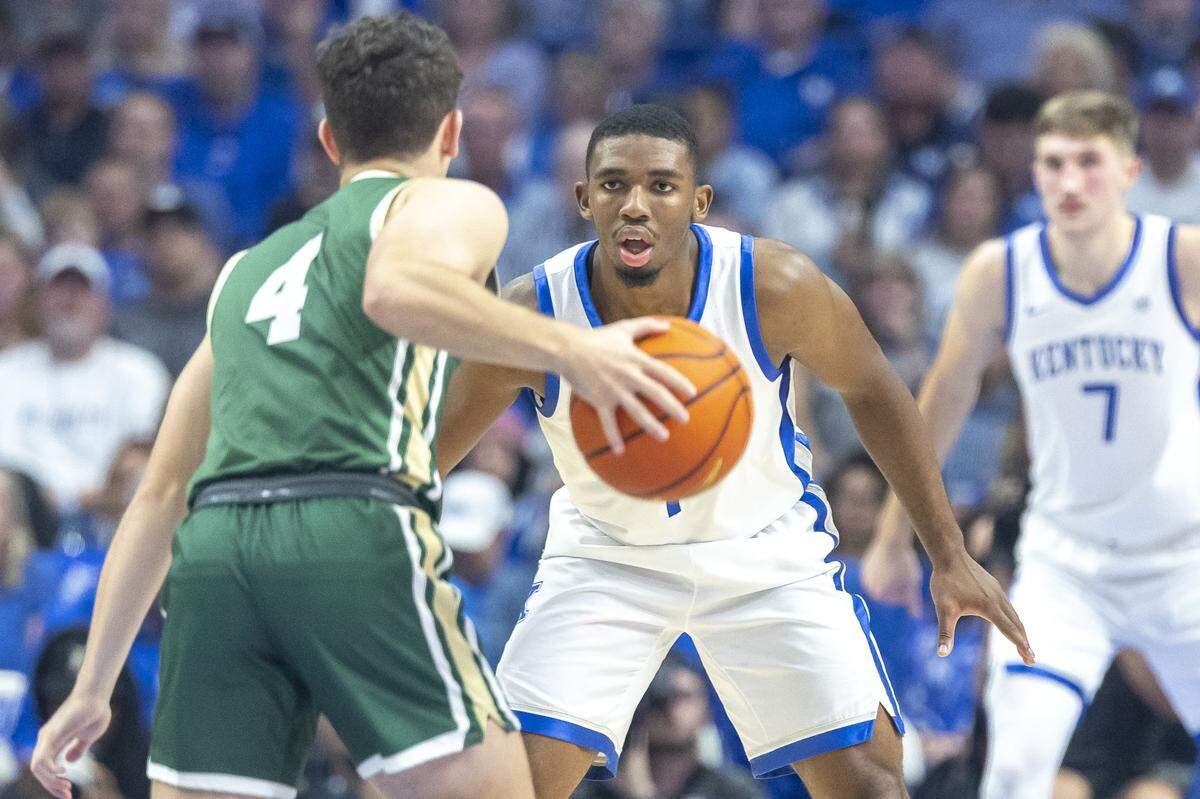
Lamont Butler learns the game
There’s a story about a chance meeting in a mall in California, and without that happenstance when Butler was just a kid, it’s quite possible he never would have made it this far.
But there were glimmers of something special from an even earlier age.
Butler’s three older sisters — Anaiqua, Amani and Asasha — all played basketball growing up. While they did, their little brother watched. Whenever they were on the court, little Lamont was often nearby, sitting on a basketball and studying what was happening.
Lamont Butler Sr. chuckled at one particular memory. Amani was playing in an AAU tournament and got off to a hot start to a game. The parents were sitting up in the stands, and Lamont Jr. hopped off his basketball and scurried up from the court.
“Dad, Mani can shoot!” he exclaimed.
He ran back down and repositioned himself on the floor.
A little while later, Amani shot an air ball, and he came running back up the bleachers.
“Dad! Dad! Dad!” he yelled.
“What?” Lamont Sr. asked.
“Mani can’t shoot,” he said, matter of factly, before running off again.
The family got in the car after the game, and Lamont Jr. wouldn’t shut up. He told Amani that she started missing shots because she didn’t keep her elbow straight. He was 4 years old. Amani, on the verge of becoming an honorable mention All-American and University of Arizona signee, was a teenager.
“He’s sitting here telling her how to play,” Lamont Sr. recalled, still flabbergasted nearly 20 years later. “I’m like, ‘This girl is almost an All-American, and you’re gonna sit here and tell her how to play?!’”
Lamont Jr. kept talking.
“She shot an air ball, Dad!” he yelled, mimicking her technique from the backseat. “If she’d locked her elbow, she could have made it. She didn’t follow through. Her follow-through is over here. That’s why she missed it.”
Lamont Sr. shook his head. “And I’m like, ‘This kid, man. I don’t know where I got him from.’”
A few years later, Lamont Sr. was helping take care of his nephew, and that included trips to and from his 9-and-under basketball league. Lamont Jr. had never played any organized basketball to that point, but he was along for the rides, so his dad decided to sign him up, too.
The weeks passed by, and it came time for the awards ceremony to wrap up the session. Lamont Jr.’s name was called for the “best defensive player” honor. His dad was taken aback. It was a 9U team, but Lamont was only 7 years old. The organizers didn’t even know it until after the ceremony, and they were just as surprised by his ability.
“He always had these great defensive instincts,” his dad explained. “And even as a little kid, you were like, ‘Man, this kid is all over the place.’ He just knew how to play the game the right way and knew how to stop people. … He was a little pest.”
Even then, there was no rush to get him into organized hoops, no reason to think the kid was bound for any kind of basketball glory.
Lamont Jr. was content to tag along with his sisters, put up shots during breaks in their games and play by himself in the backyard. He never pestered his parents to let him pursue it beyond that. Butler Sr. said his wife started talking about signing him up for something more structured. But the family had been running all over the place in support of the girls’ own basketball pursuits, and he wanted to wait.
“I was trying to hold him out as long as I could, because I know the grind that it takes.”
Meeting with a basketball pro
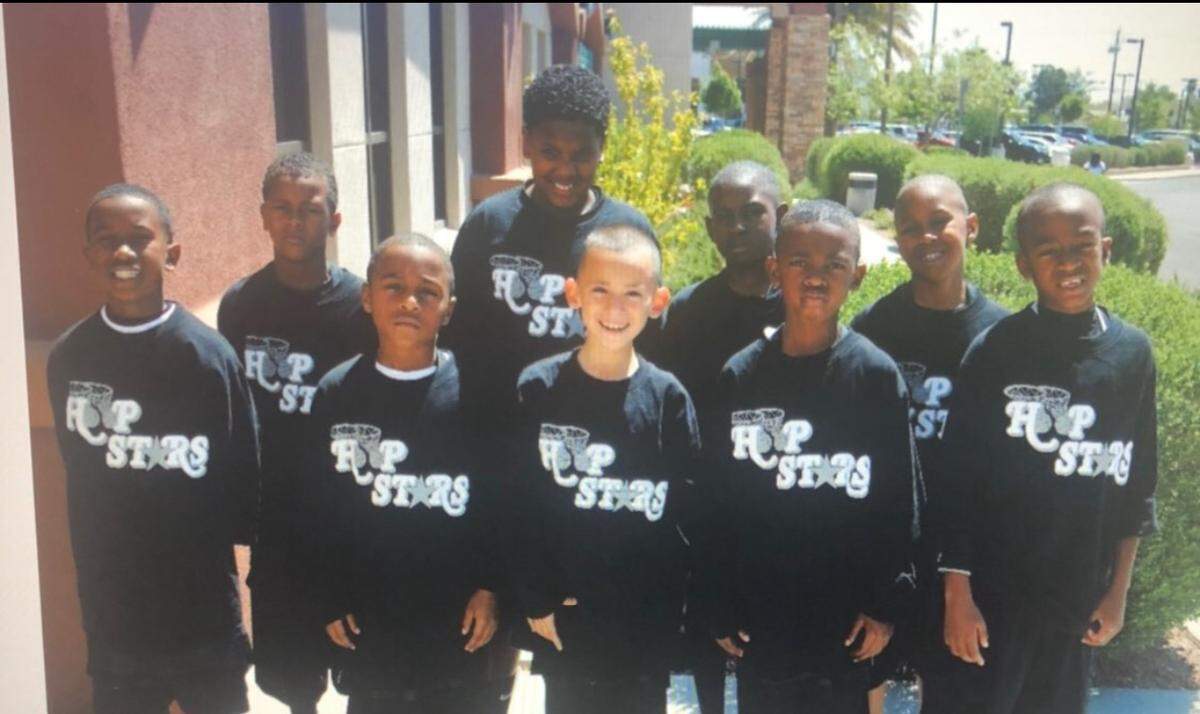
A few years after that brief foray into semi-organized basketball, Lamont Jr. — about 10 at the time — was in the Moreno Valley Mall with his cousin and one of his older sisters. The two boys were pretending to play with an invisible basketball. Fadeaway jumpers, dribbling between the legs, the types of things that young boys do. A large man walked over and got their attention.
He asked Lamont’s sister whose basketball team he played on.
“He don’t play with nobody,” she told him.
The man was shocked. He gave the group of kids his number and told them to give it straight to their parents. His name was Andre Spencer, and he wanted to talk to the adults about Lamont.
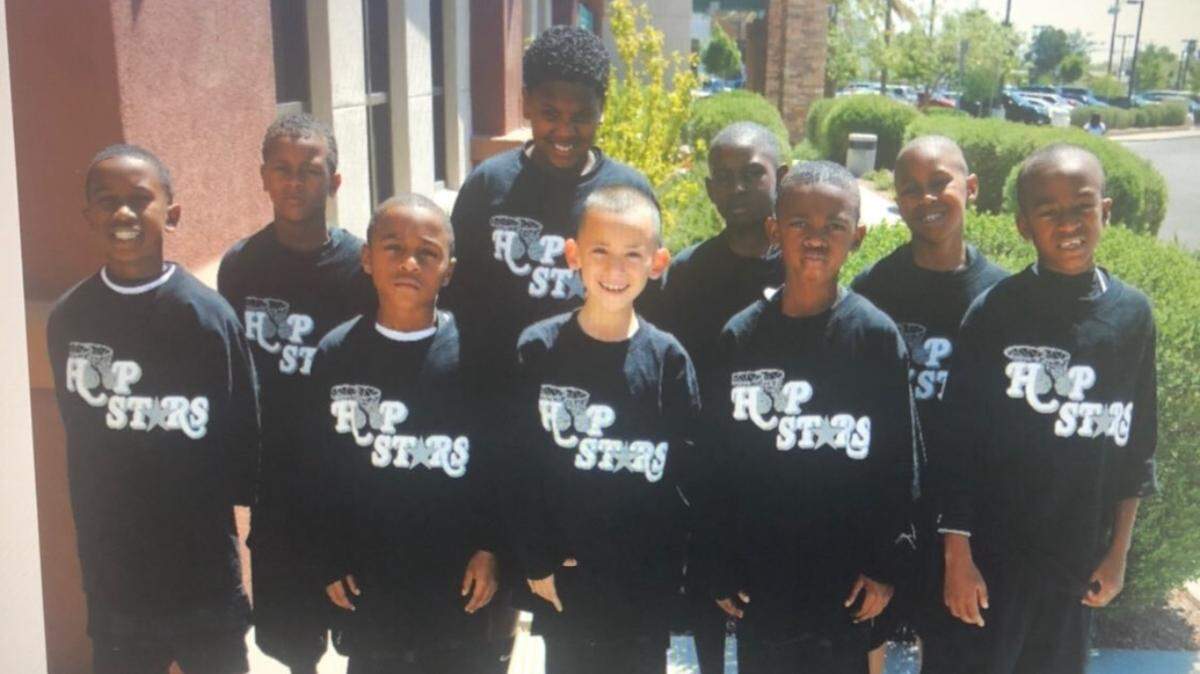
They did as they were told, and Butler’s dad waited a week or two to give Spencer a call. When he did, the man explained that he was the coach of the West Coast Warriors — a youth basketball squad — and he wanted the two boys to come work out with his team. So Butler Sr. took the boys to one of the practices, and Spencer watched Lamont Jr. on the court.
“Wow,” Spencer told the father. “This is a pro.”
“And I’m like, ‘How do you know a person is a pro at this age?’” asked the dad, skeptically.
“Because I was a pro,” Spencer told him. “And I know how they move.”
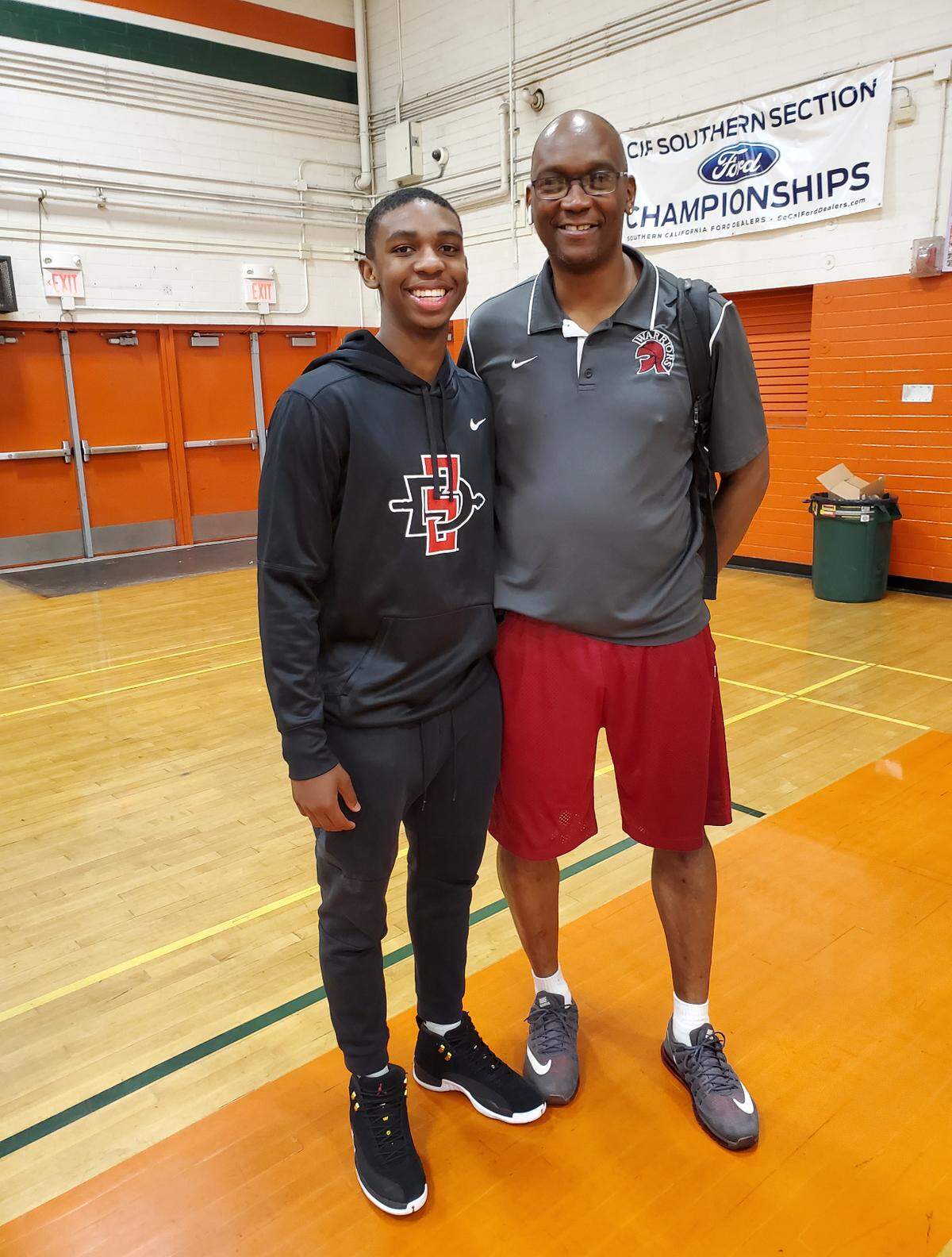
The coach of the West Coast Warriors had played parts of two seasons in the NBA and had a professional career that lasted 16 years and took him all over the world. He wanted Lamont Jr. on his team, and that turned into his first real opportunity to play organized basketball.
“Trust me, Mr. Butler. This guy is going to be a pro,” Spencer would say, telling Lamont Sr. and his wife to pick out whatever house they wanted to live in, because some day it would be theirs.
Lamont Sr. remained skeptical, but his son was having fun, and it was becoming clear that he had something special.
“He was just above everybody else when it came to defense,” his dad said. “I didn’t even see that. I didn’t really pay any attention. But I had other people, like, ‘Man, your son can play some defense. Oh my God.’ And I just looked at it like, ‘Hey, he’s just out there running around.’ But you know how basketball people can look at a kid at a young age and see certain traits? They saw that in him.”
It all started with Spencer, who put Butler to work.
Back in the fall, the Kentucky guard sat in the UK practice facility and talked about the origins of his game, specifically where that ability to be a lockdown defender started.
“I had this coach,” he said then. “Andre Spencer.”
And Butler explained that — as soon as he started working with Spencer — the 6-foot-6 former pro demanded the best from him.
“We used to play full court, man to man,” he said. “And he used to say, ‘If your man catches the ball, you’re coming out. And if you get driven by, you’re coming out.’ I never wanted to come out. So I kind of, you know, locked in defensively. And then as I grew older, I tried to stay with that mindset. I never wanted to get scored on. I never wanted to get blown by.”
Spencer coached Butler for about a year and a half. He found a willing student with exceptional, natural skills as a defender. Near the end of their time together, the West Coast Warriors advanced to a title game against the RC Bulls — the top program at that age group in California — and Butler played so well that the RC Bulls coaches reached out to Spencer afterward.
The man who discovered Lamont Jr. in the mall called Lamont Sr. and told him the kid couldn’t play for him anymore. “What?!” the father said. “What did he do wrong?”
“He’s too good for us,” Spencer told him. “I don’t want to be a selfish coach and hold him back. … He’s a pro. I can’t keep a pro here just because I like him. I got to let him go so he can play against better competition and continue to hone his skills.”
Lamont Butler’s path to Kentucky
Butler kept playing, of course.
“Everywhere he went, he was always known for his defense,” his father said of what followed.
His family had nicknamed him “Man Man” at an early age (and they still call him that to this day) — “Because he’s always been so mature for a kid,” his dad explained — and Lamont Jr. took a professional approach to all things basketball.
He was a promising young player, for sure. One problem. He wasn’t very big, certainly not nearly big enough to come close to fulfilling Spencer’s prophecy that he would one day be a pro.
Butler entered high school at 5-6 and 130 pounds.
“He started on his high school team as a freshman, and he did well,” his dad said. “And he was the smallest one out there. But his heart and his defense and just running the team — it was undeniable.”
A little at a time, Butler grew. There were no great spurts, but by the end of his high school career he was over 6 feet tall. He’s now listed at 6-2 and 208 pounds. Not big, by basketball standards, but certainly big enough to get the job done, considering everything else he has to offer.
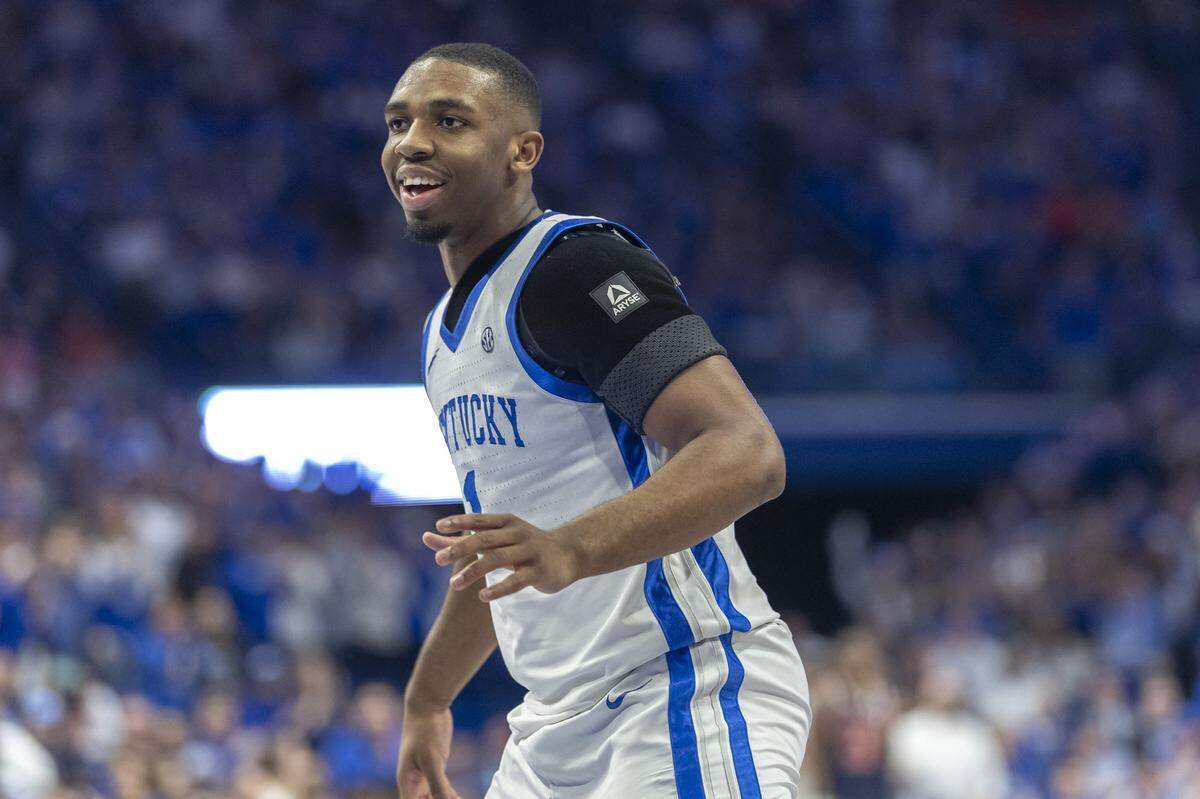
Butler signed with San Diego State out of high school. He spent four years there playing under Brian Dutcher, one of the best defensive coaches in college basketball. Butler’s known around the country as the guy who hit the game-winning shot in the Final Four to send the Aztecs to the national title game two years ago. Anyone who’s watched him play beyond that moment knows there’s so much more to his game.
Butler earned Mountain West defensive player of the year honors last season — one in which the league sent six teams to the NCAA Tournament — and he has had nothing but praise for Dutcher, the opportunity he was given, and the San Diego State program, in general, crediting his time there for helping him grow even more as a defender.
But, for his final season of college eligibility, he wanted to prove himself on an even bigger stage. He found the perfect fit.
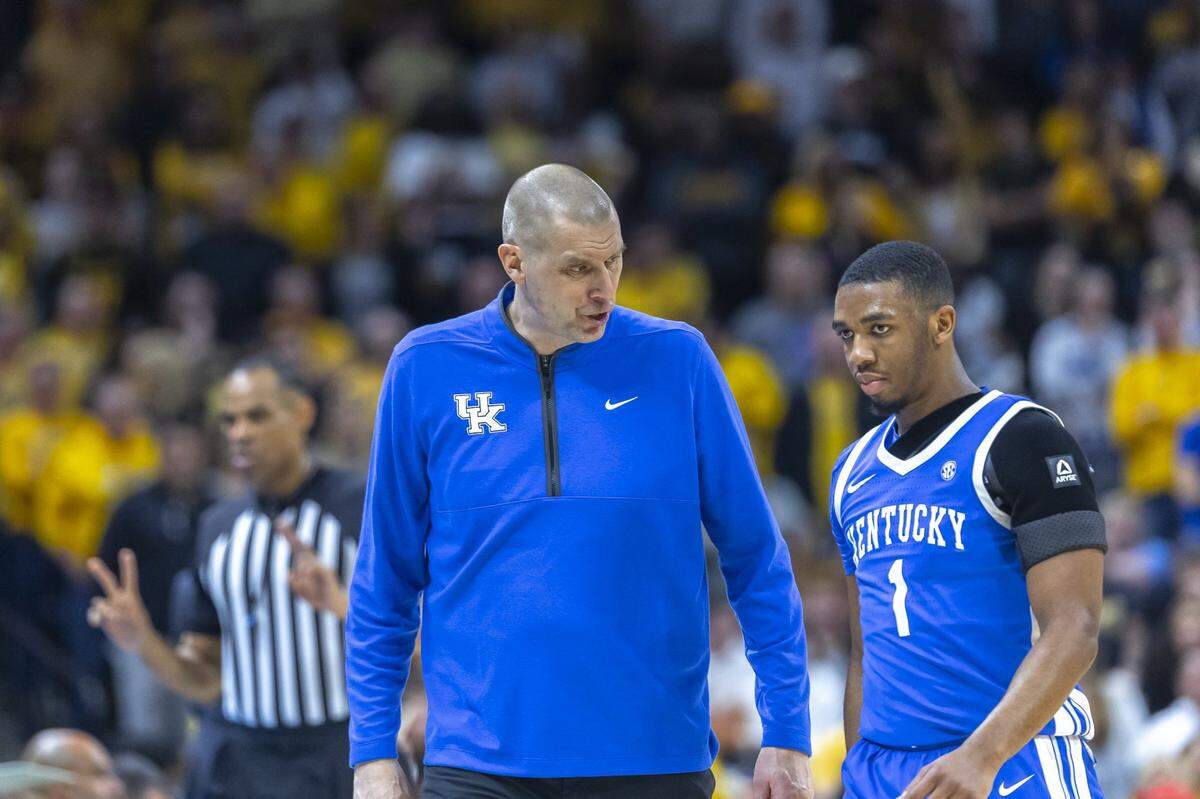
Pope, known for his offensive acumen as BYU’s head coach, wanted a hard-nosed, in-your-face defender at the point of attack on his first Kentucky team. When Butler became available, the UK coaching staff — still scrambling to build a roster — dropped everything and flew west to lock up his commitment.
Butler, known as a lockdown defender, wanted to show everyone that he could be that player in the best league in college basketball. He also wanted to show NBA scouts he was a good enough scorer and playmaker to deserve a long look at the next level.
This season has worked out for both sides.
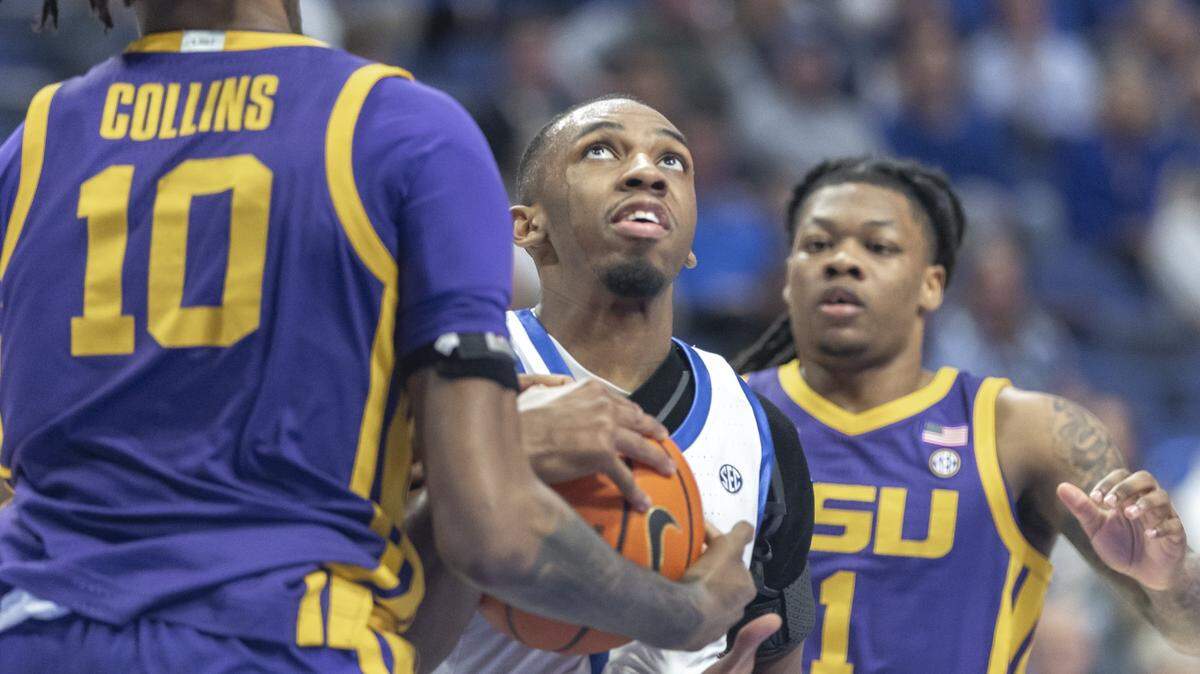
If not for a shoulder injury that caused him to miss a third of the conference schedule — and had him playing hurt for a large chunk of it — Butler certainly would have been in the discussion for SEC defensive player of the year honors. Before he was injured, he was popping up on All-America watch lists.
And through both his presence and his absence, he’s shown himself to be arguably Kentucky’s most important player. When Butler is on the court, everything looks better for the Cats.
Nine months after they all arrived on campus together to form Pope’s first Kentucky team, Butler’s teammates are still in awe of what the 22-year-old guard brings to the court.
Collin Chandler, a freshman, summed it up.
“Lamont is the best defender I’ve ever seen in my life,” he said.
NCAA Tournament time arrives
Pope brought Butler to Kentucky to be his defensive stopper, it’s true.
He also wanted him so badly for a very specific reason.
“I wanted to bring a winner here,” the UK coach said in his office back in October.
Pope was a captain on Kentucky’s 1996 national championship team, but he’s never won an NCAA Tournament game as a head coach, a fact he’s going to hear over and over again until he does. Obviously, the hope is that particular line of questioning will be silenced against Troy on Friday night, when the Cats will make their March Madness debut and Butler will return from his latest shoulder injury.
If UK makes a run, Butler will be a big part of it. And adding a player with his winning pedigree — especially in March — as a foundational piece to his very first UK roster was the driving force behind Pope’s urgency to get Butler on board so quickly last spring.
“I think it matters a lot,” Pope said last week. “There’s no replacement for experience. The only way to get experience is experience. And again, it doesn’t guarantee anything — other than that you walk onto the court and if it feels great, it feels weird, if the game feels fast or if it feels slow, if there’s foul issues, or if there’s big leads or all the things, you’re like, ‘Well, I know I’ve been here before, and we know we’ve come out of this successfully before.’
“And so there’s some comfort level there. And so it matters.”
Butler also knows that this is the end, not that it will change the way he plays. Once you’re giving maximum effort, there’s nothing more you can give. It is contagious, though.
“I’ve told him this so many times,” Oweh said. “It makes you want to go out there and be better, just knowing that his intensity is always going to be at 100. So it makes you want to be better, and it pushes us just to be aggressive, and just do what he’s doing.”
Butler first injured his shoulder in a win over Texas A&M on Jan. 14. He played two more games after that before he was finally forced to take a break. He was sidelined for four games, doing whatever he could behind the scenes to get back onto the court.
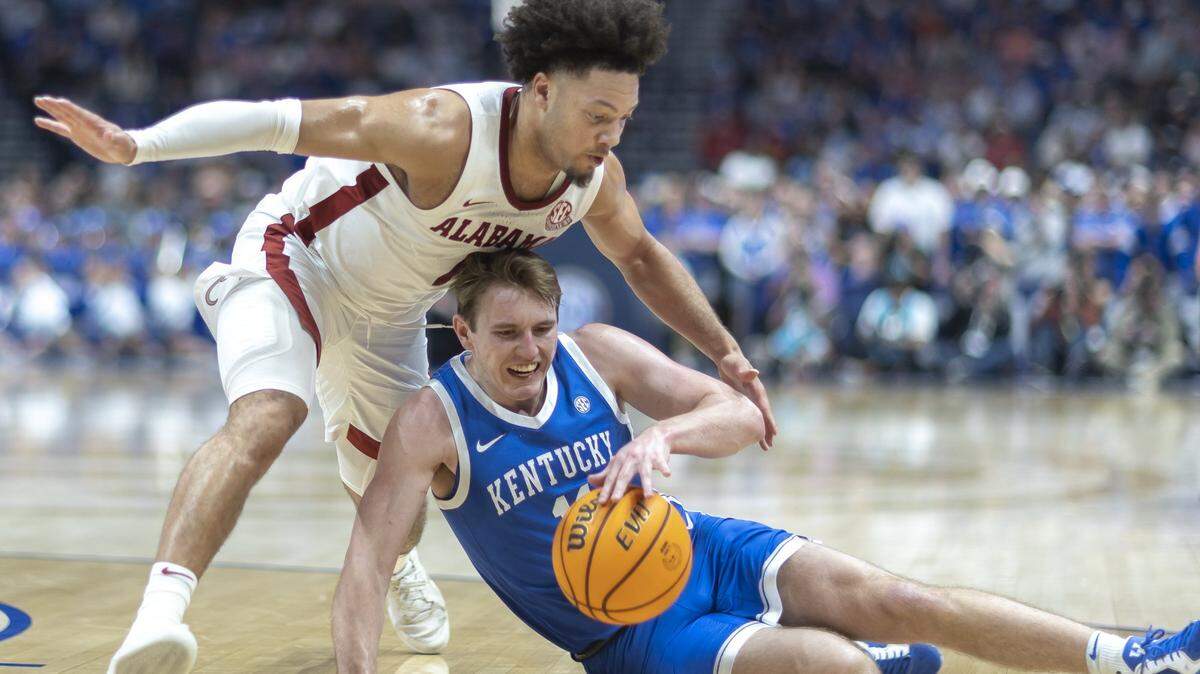
In his second game back, Butler reached in to snatch the ball away from Tennessee’s Chaz Lanier, and both players flung themselves to the floor to try and corral the possession. Lanier landed right on Butler in just the wrong spot, putting more pressure on that injured shoulder.
He winced in pain. He pounded the court with his fist. He was sidelined for another two games.
Butler Sr. said he and his son were talking about that moment just the other day.
“Lamont, why would you do that?” he asked him.
“Dad, I don’t know how to explain it to you, but I take pride in defense,” his son said. “And if somebody beats me, it upsets me.”
Butler Sr. noted that attempting to jump on that loose ball put himself in jeopardy. It was one play — one possession in one game — that could have ended his college basketball career.
“I know, Dad,” Lamont Jr. said. “I can’t explain it to you. I just don’t want to get beat.”
Butler might be one of the best perimeter defenders in college basketball. And he might have been born with the instincts that made him the player he’s become. But that drive came from somewhere else.
“And I think it goes all the way back to Coach Spencer,” his dad said. “Like, ‘If you get beat, you’re going to the bench.’ Lamont never wanted to go sit on the bench.”
Andre Spencer died on Aug. 4, 2020, a couple of weeks after his 56th birthday. He was able to attend Butler’s college signing ceremony, but he never got to see him play at San Diego State. He didn’t get to see him hit that buzzer-beater in the Final Four. He didn’t get to see him earn defensive player of the year honors. He never got to see him play at Kentucky.
“It really affected Lamont. He was the one who really gave Lamont like his eye-opening basketball opportunity,” Butler Sr. said. “And he actually said how good Lamont was gonna be when Lamont was 9 or 10 years old. I still don’t know how he saw it. But everything he said about Lamont has come true.
“And I know he’s looking down on Lamont, and I know he’s proud.”
Butler’s father was back in California a few weeks ago. He ran into another coach in the area, a man who knew Spencer from those days when Lamont Jr. was first starting out. They got to talking about old times.
“Man, that guy, Andre — all he talked about was how good Lamont was gonna be,” the coach told Lamont’s dad. “And we used to say, ‘Andre, you trippin’. That little dude ain’t gonna be no good.’ But every word Andre said turned out to be true.”
Butler said the man started crying.
“It’s amazing how much faith Andre had in Lamont at that age. And nobody else saw it. Nobody else saw it.”
This story was originally published March 18, 2025 at 6:00 AM.