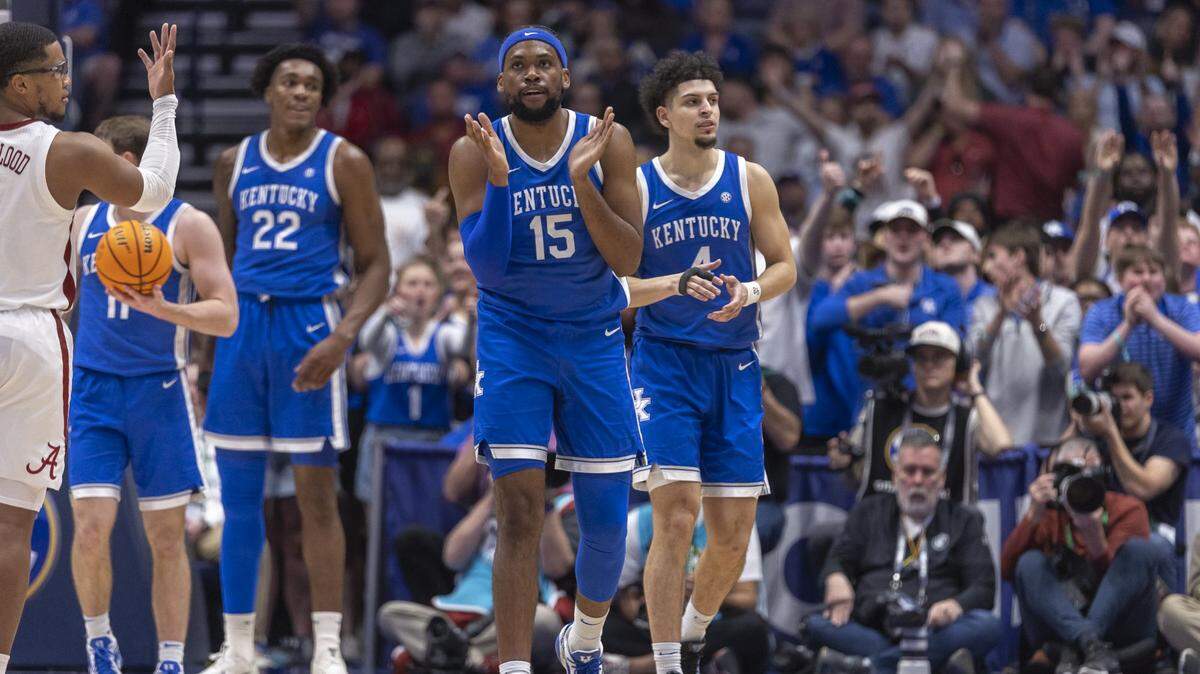
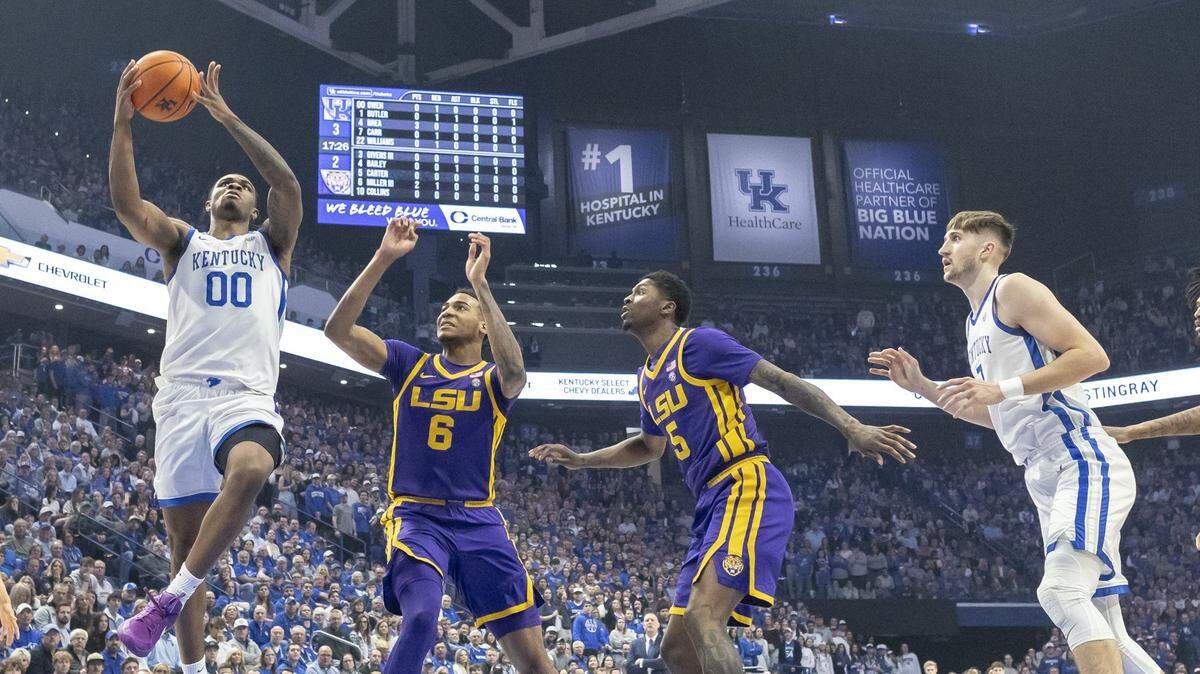
What brought Amari Williams to Kentucky, and what he found out about himself along the way
READ MORE
Men’s NCAA Tournament preview: Kentucky vs. Troy
Click below to read more coverage from the Lexington Herald-Leader and Kentucky.com ahead of Kentucky’s men’s NCAA Tournament opener against Troy University in Milwaukee on Friday night.
Expand All
Sharon Williams stood in the second row of seats behind the baseline in Rupp Arena, a bouquet of white roses in one hand and a smile on her face, watching what was happening on the basketball court in front of her intently.
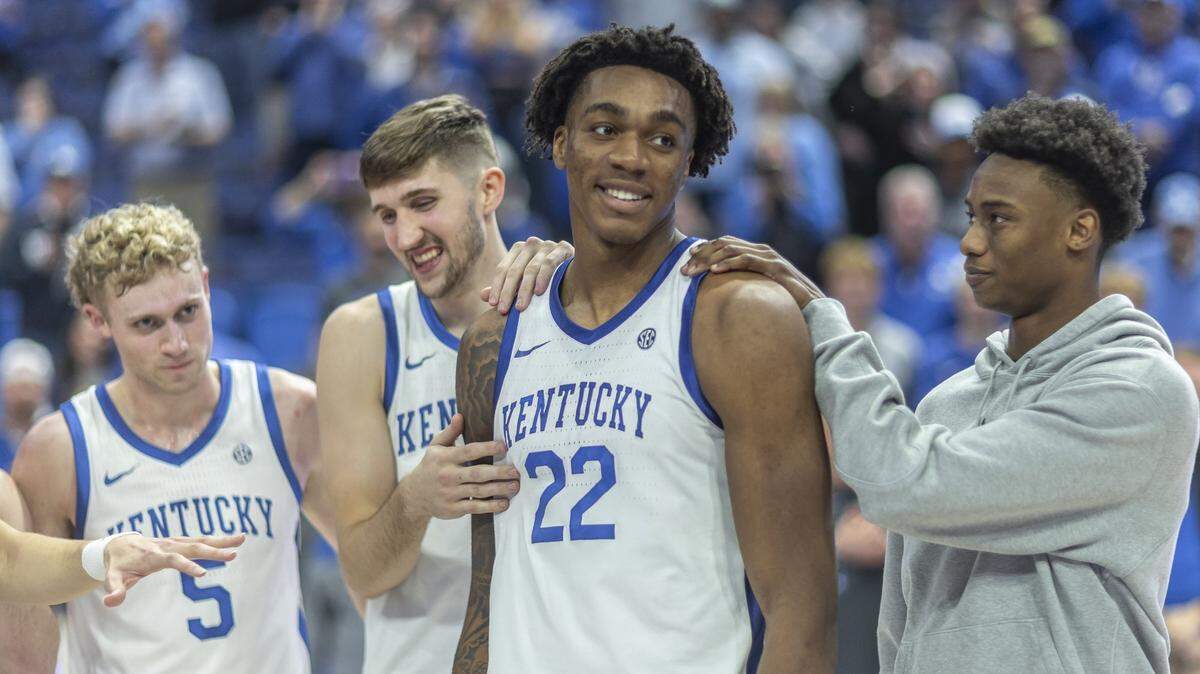
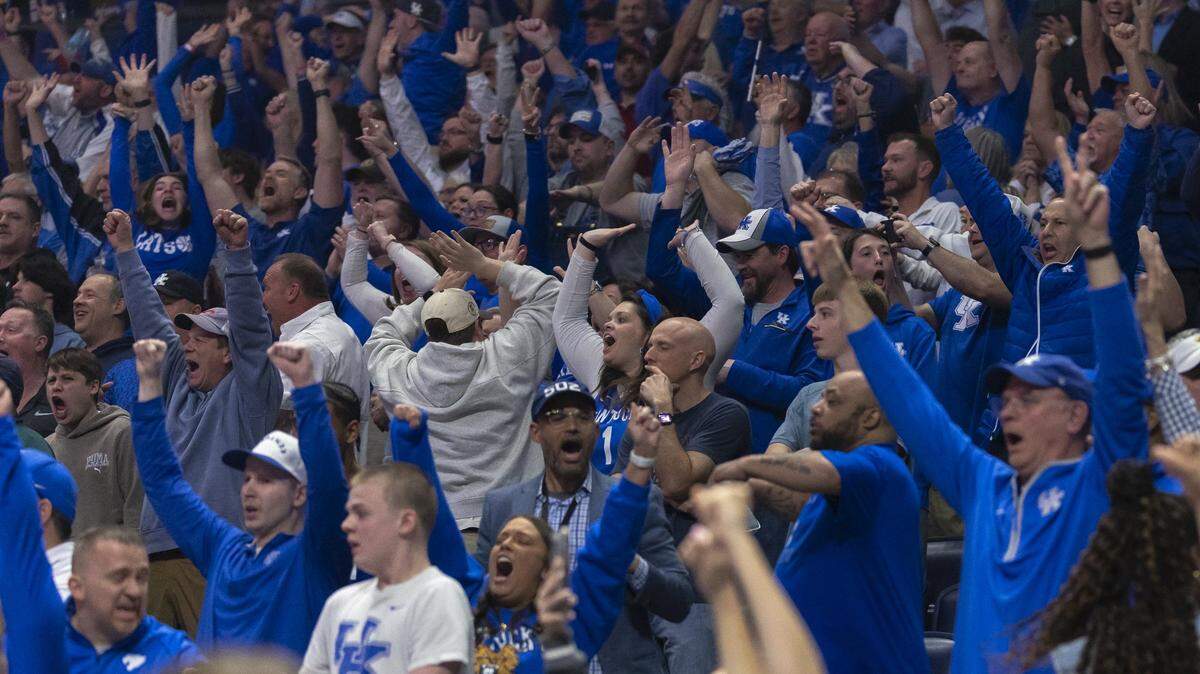
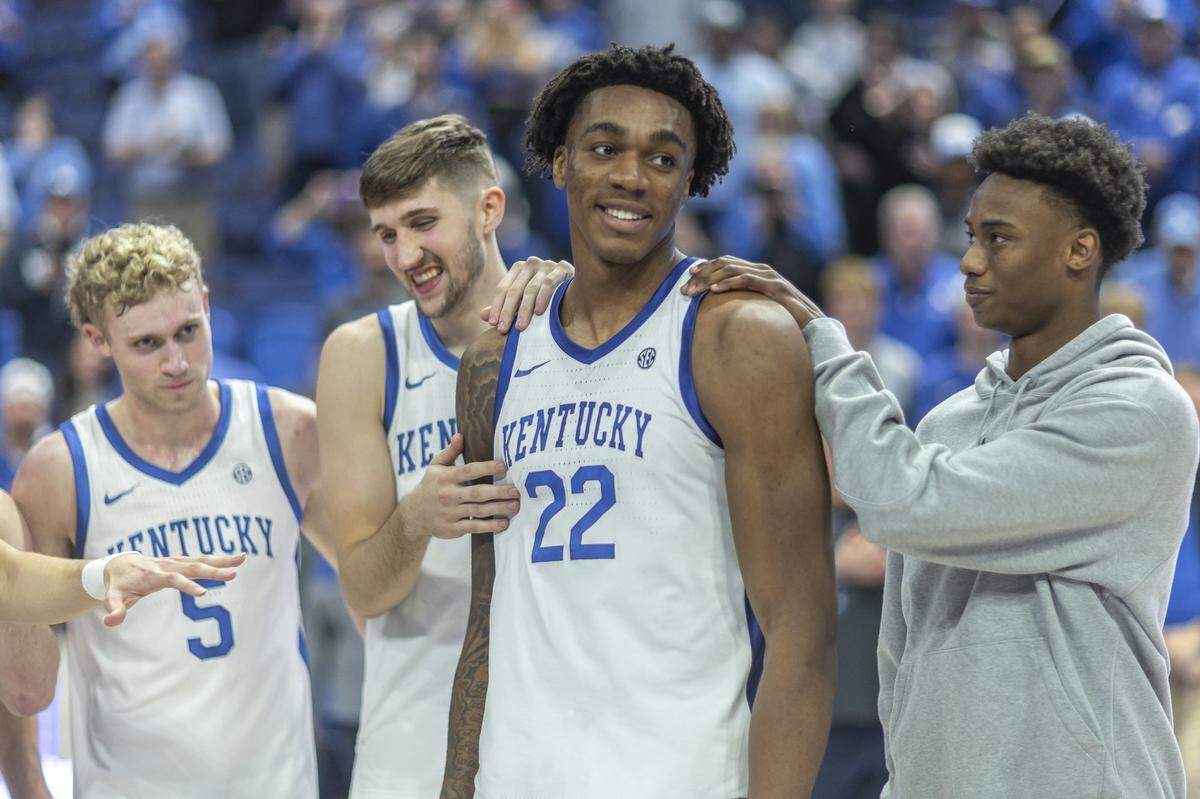
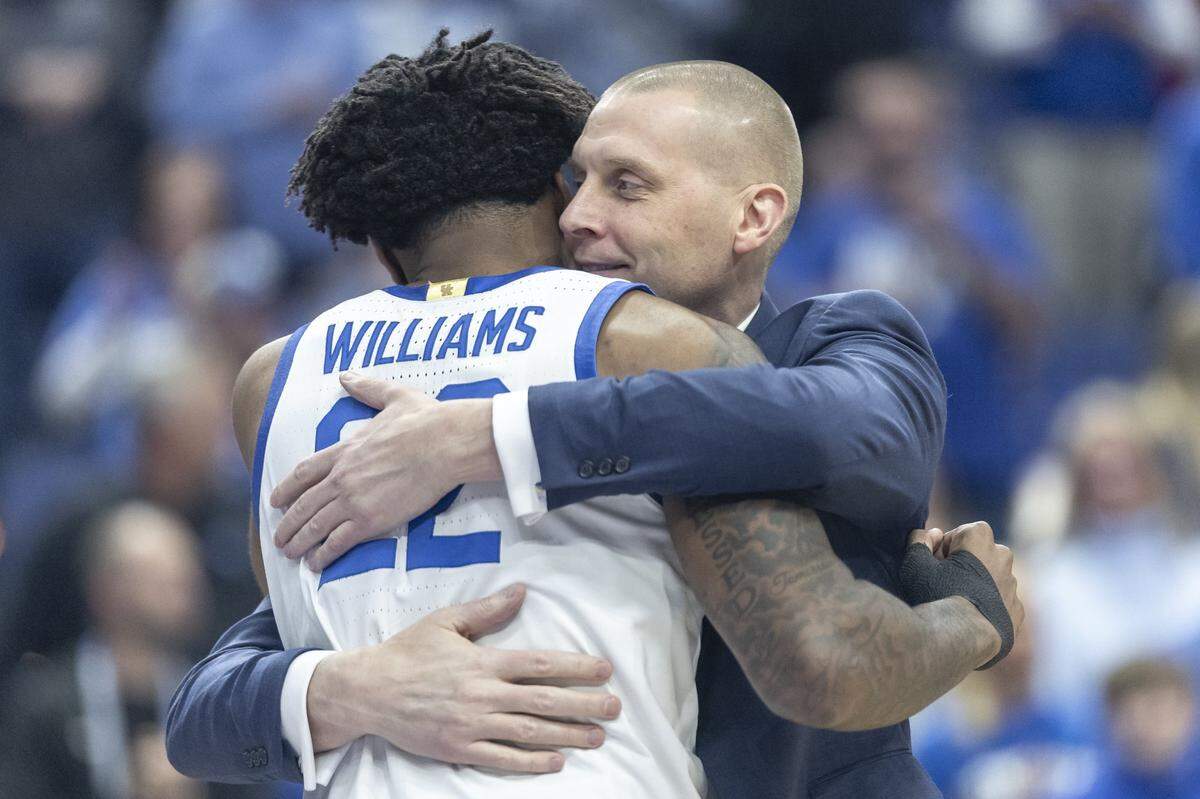
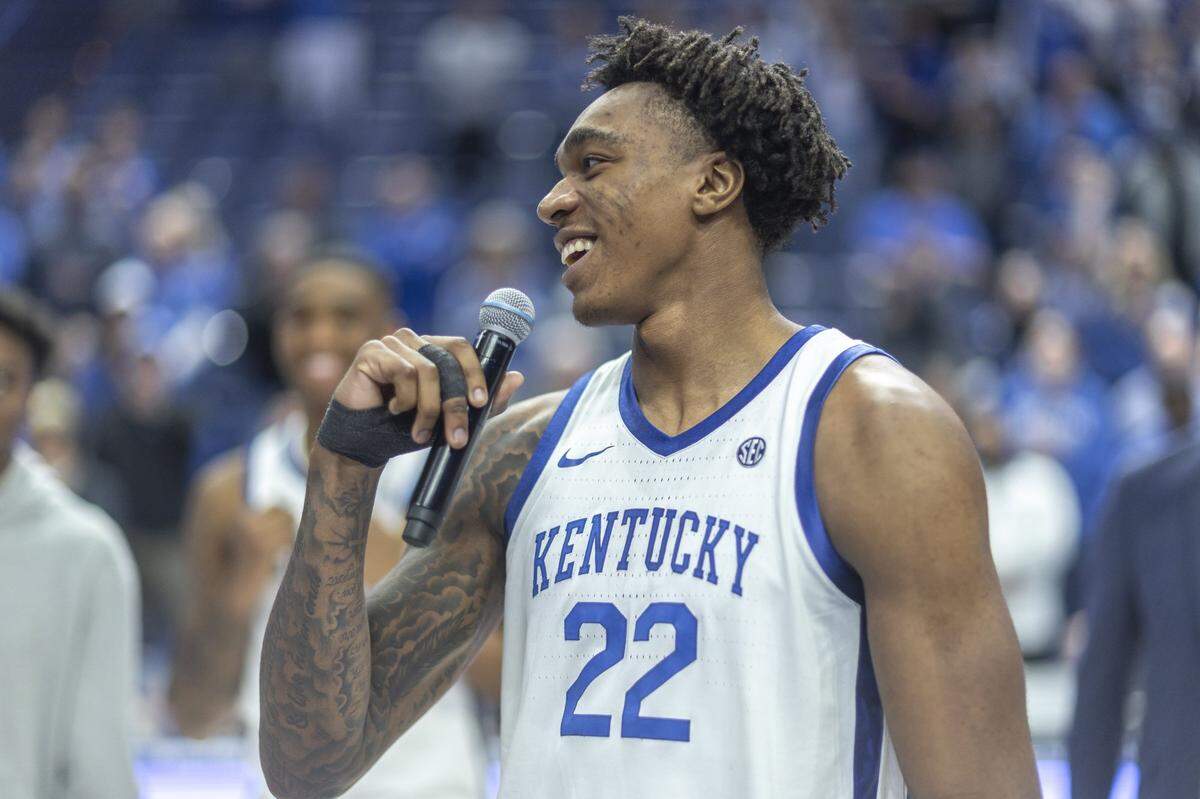
The Kentucky Wildcats had just defeated LSU 95-64 in the final home game of the season. The night itself — from the pregame festivities to this very moment — had been a celebration of coach Mark Pope’s first UK basketball team, specifically the six seniors who were gathered together on the court, a microphone making the rounds.
One by one, Kentucky’s seniors thanked the crowd for their support. Andrew Carr went first. He passed the mic to Lamont Butler, and then it was Jaxson Robinson’s turn. Ansley Almonor spoke after that. Koby Brea went next.
As those players talked, the smile on Sharon Williams’ face grew a little larger. She pulled her phone out of her pocket and pointed it in the direction of the court, capturing video of the moment and waiting for the last speaker to get his turn.
Just before her son finally took the microphone, she shifted the phone to the same hand that held that bouquet of white roses and tried her best to hold it steady. The other hand was now free to wipe away the tears that were welling up.
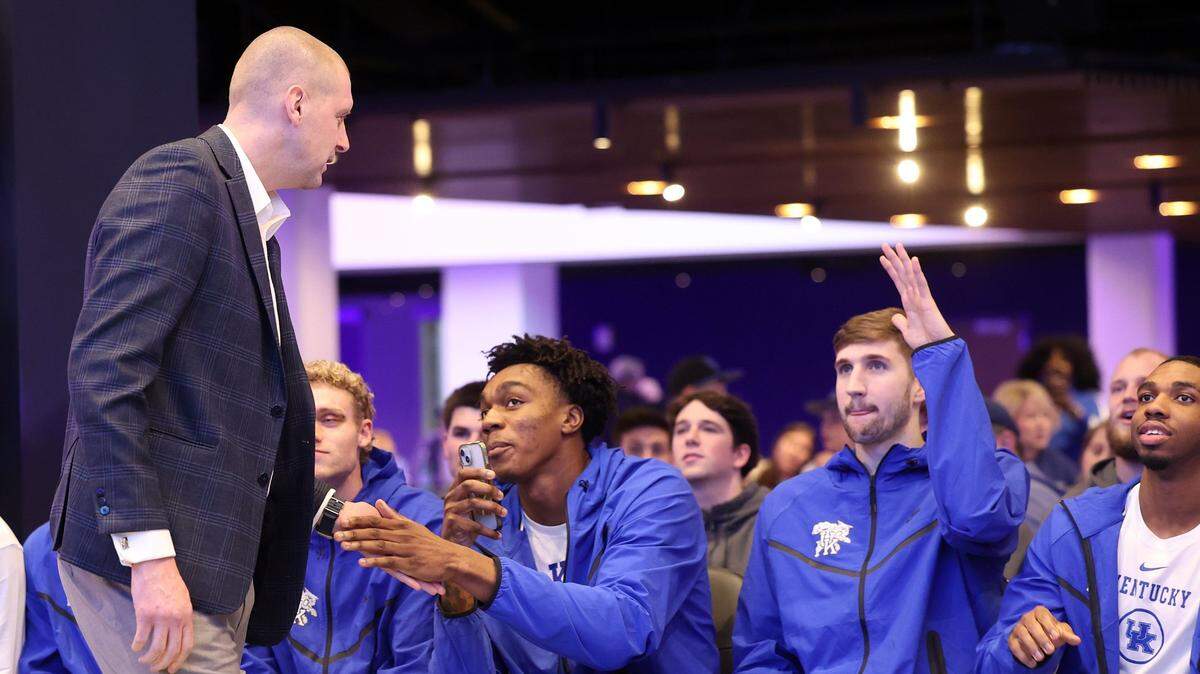
Brea passed the mic to Amari Williams, who stood still for a second. He looked at Robinson, and the two teammates exchanged a smile. Carr and other UK players raised their arms up and down — imploring the crowd to get louder — and Williams stepped slowly forward.
At that moment, Robinson playfully shoved him in the back, pushing him toward center court. Williams smiled. Pope stood to the side of his players, laughing and clapping at the scene.
Kentucky’s 7-footer spoke a few brief words and handed the microphone back to Pope.
Watching from the baseline, Sharon Williams was beaming. That spare hand went to her face. She nodded as her son spoke and then shook her head as she took in the entirety of the scene.
A few minutes later, she was still smiling.
“Oh, I’m so happy I’m here,” said Williams, who would be boarding a plane back home to England the next day. “I’m so proud of him. I think he’s really proved a lot. And just the experience, it’s just …”
She paused briefly, searching for the proper word.
“It’s been amazing,” she said.
When the subject came up that had Williams shaking her head as her son finished speaking, the smile grew larger again. Looking back into the past — even just a year — could she have ever dreamed that Amari would have been standing in the middle of one of the most famous basketball arenas in the world, microphone in hand, addressing a crowd of thousands of cheering fans?
“No,” she acknowledged, without hesitation. “I would never have imagined he would do that.”
A basketball prodigy in England
Like just about every British kid who grows up with an interest in athletics, soccer was the sport of choice for Williams at a young age.
His older brother, Hakim, played soccer, too. But he was also willing to give just about anything a try, and when he hit an early growth spurt and fell in love with basketball, Amari tagged along.
“You know, as a little brother, you always go where the big brother goes,” the Kentucky player said. “So he was practicing, and I would just be messing around on the side basket, shooting at halftime and things like that. And I think that’s just how it came about.”
Hakim, four years older than Amari, had grown to 6-foot-3 by the time he was 13 years old. He joined a club team, and Amari — much shorter but skilled enough to be effective on the court — was placed on a younger team within the program.
Eventually, Amari pushed soccer to the side and concentrated fully on hoops. He was tall for his age, though nowhere near Hakim’s height when he made that decision — 5-11 around age 14 — but he hit his growth spurt soon after. He grew to be 6-5 in about a year’s time, growing so quickly that he had knee problems severe enough to land him in the hospital.
Williams continued to grow gradually from there, but the skills honed before he sprung up remained a major part of his game.
“Having that late growth spurt, I always kind of thought I wasn’t gonna grow, so I just kind of became a point guard,” he explained. “And so I always played on the perimeter a lot.”
The combination of size and dazzling skill landed him a spot on the England junior national team at age 16. He was still living in his hometown of Nottingham at the time, not really dreaming of much beyond that. But every one of his teammates on that national squad had already enrolled in a basketball academy, Williams discovered, and — to further his career — he did the same, ending up at Myerscough in Preston, about two hours away from home.
Williams was a quiet kid. He balked at the idea of leaving his comfort zone in Nottingham, and he didn’t know anyone at his new school.
“My parents thought I had a chance to take basketball further. So it was just something my parents kind of pushed me to do,” he said. “But I remember that I didn’t want to go. I didn’t want to leave home. I wanted to go to a normal college where my friends were going.”
But off he went. There was homesickness at first. He struggled to fit in and find his place.
On the court, however, he excelled.
Myerscough coach Neal Hopkins raved about his passing ability for a big man.
“I feel like my coach at Myerscough, he just gave me that freedom,” Williams said. “We didn’t have position basketball. We always did five-out my second year. And we always just had fun with it. Even my teammates now, they do the same kind of passes I do back home.”
The goal when Williams left home was to end up in the United States.
“Well, I mean, anyone who plays basketball in England, it’s always their dream to come to America. It’s the home of basketball,” his mother said. “So it’s always their dream. So that’s what he was working toward.”
But it was a long shot, and all involved knew it. It’s rare for British kids at that age to jump to NCAA Division I basketball. Williams thought maybe he could go the Division II route. Perhaps junior college. He turned out to be an exception.
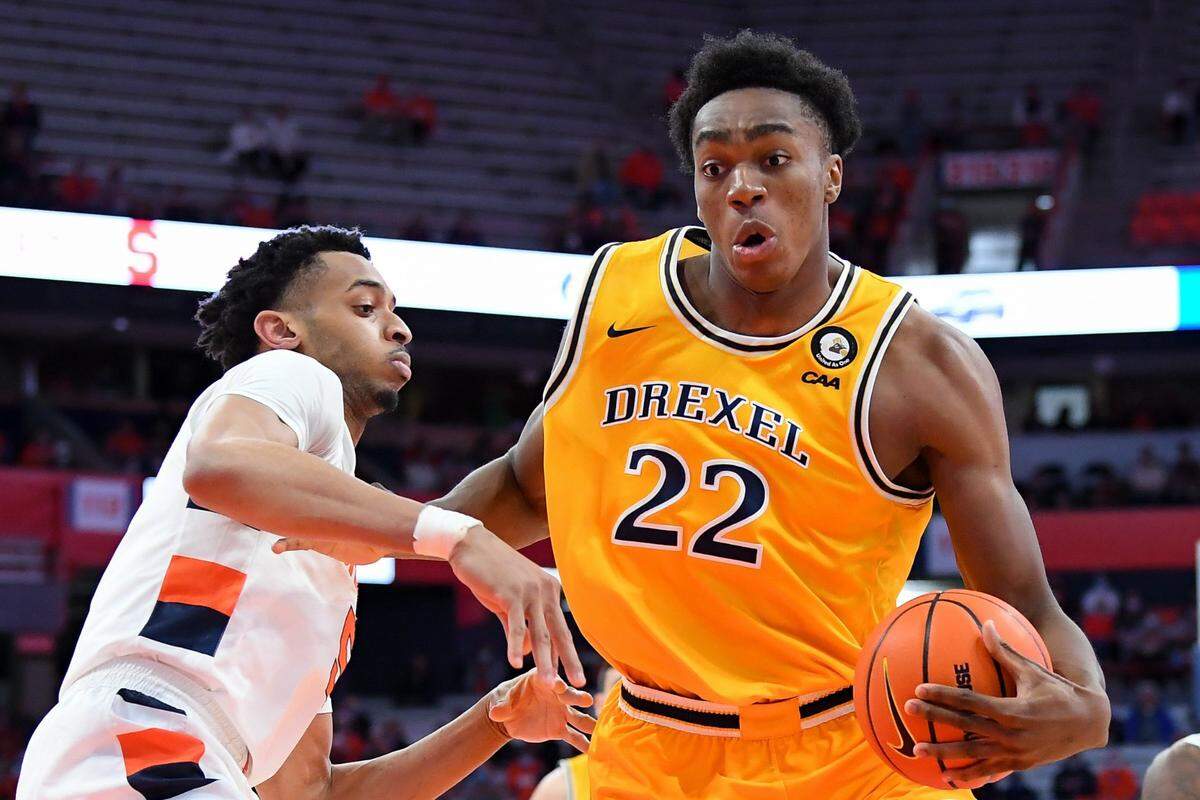
Williams was one of only two players in that class to make it straight to the DI level — Northern Colorado’s Theo Hughes was the other — and he ended up signing with Drexel University in Philadelphia after a series of recruiting visits.
“My freshman year was tough,” he says now.
An opportunity in America
Williams came to America amid the COVID-19 pandemic, which was still in its first few months at the time he left home to attend college in the United States.
Gyms everywhere were shuttered. The only person he could practice against in preparation for his move to Philly was his brother Hakim — who had topped out at 6-3, the same height he was at age 13 — not much of a matchup for the 6-10 Amari, and Hakim tried to even the odds by playing with no foul calls.
“He was quite annoying,” Amari said of the memories of his brother hacking him all over the court.
Drexel played only 20 games that season amid COVID-19 issues. Williams appeared in just 15 of them, and never for more than a few minutes. The homesickness was severe. The pandemic prevented him from visiting England or his family from seeing him in Philly. The food was different. His classes were online. Little things like crossing the road took getting used to.
“You guys drive on the opposite side,” he reminded with a smile.
His parents were concerned about him.
“It was a dream. And it was amazing,” his mother said of the opportunity to play at Drexel. “I couldn’t believe it had happened for him. But at the same time, we were really worried. … We knew that if anything happened to him, we couldn’t go over there and support him. So he was literally on his own when he left England at 18. So it was bittersweet, in that sense. We were happy for him that he got the opportunity, but just not at that time.”
Williams was buried on the Drexel depth chart that first season. But roster circumstances over the year that followed — some departures, some injuries — led to his big break as a sophomore.
He emerged as a starter once league play began.
“And I’ve just been progressing ever since,” Williams said.
He earned league defensive player of the year honors after each of his final three seasons at Drexel, and he was given the freedom to continue to hone his passing skills in a system that allowed the 5 lots of time with the ball in his hands.
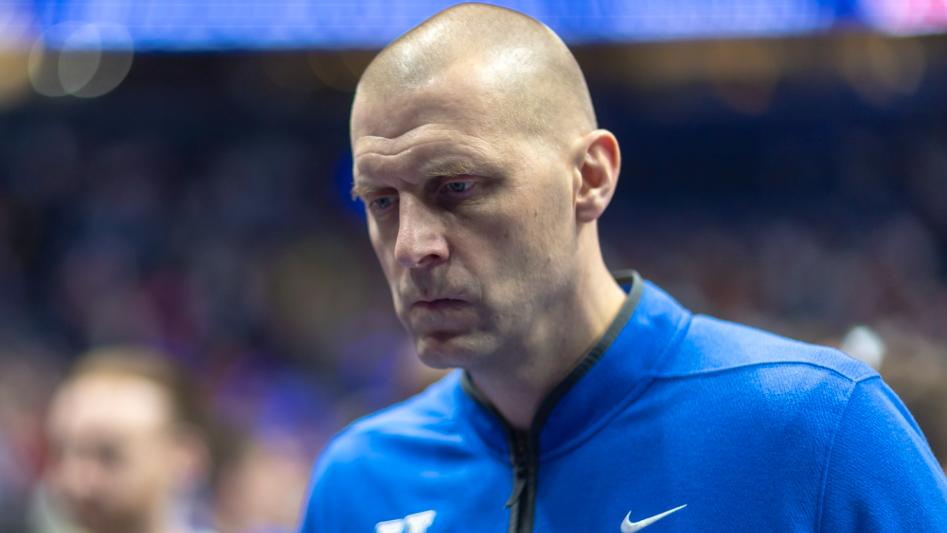
Williams remains grateful for his time there. But at the end of last season, he wanted to prove himself on a larger stage. He put his name in the transfer portal, and Pope — still the coach at BYU at the time — pounced on the opportunity.
When Pope watched Williams on tape, the decision to pursue him was a no-brainer.
“It was easy,” he said. “He was an unbelievable rim-protector. He was an unbelievable rebounder. And he could really pass the ball. And that’s a little bit of a unique makeup of a player that allows us to do some of the things we really like to do offensively.”
Amari Williams meets Mark Pope
Williams recalls getting a call from the entire BYU staff when he first entered the portal. He liked the energy that Pope brought to those conversations.
When the coaching change happened, Pope stayed on Williams just as hard, and his excitement over the possibilities in Lexington were contagious.
“Just the energy he had, and how much he told me about Kentucky — you could tell how much it meant to him,” Williams said.
He watched video of Pope’s offense at BYU — with 6-11, 275-pounder Aly Khalifa slinging the ball around from the perimeter — and loved what he saw. The idea of playing in the SEC and proving he could perform at a high level in an elite conference appealed to him.
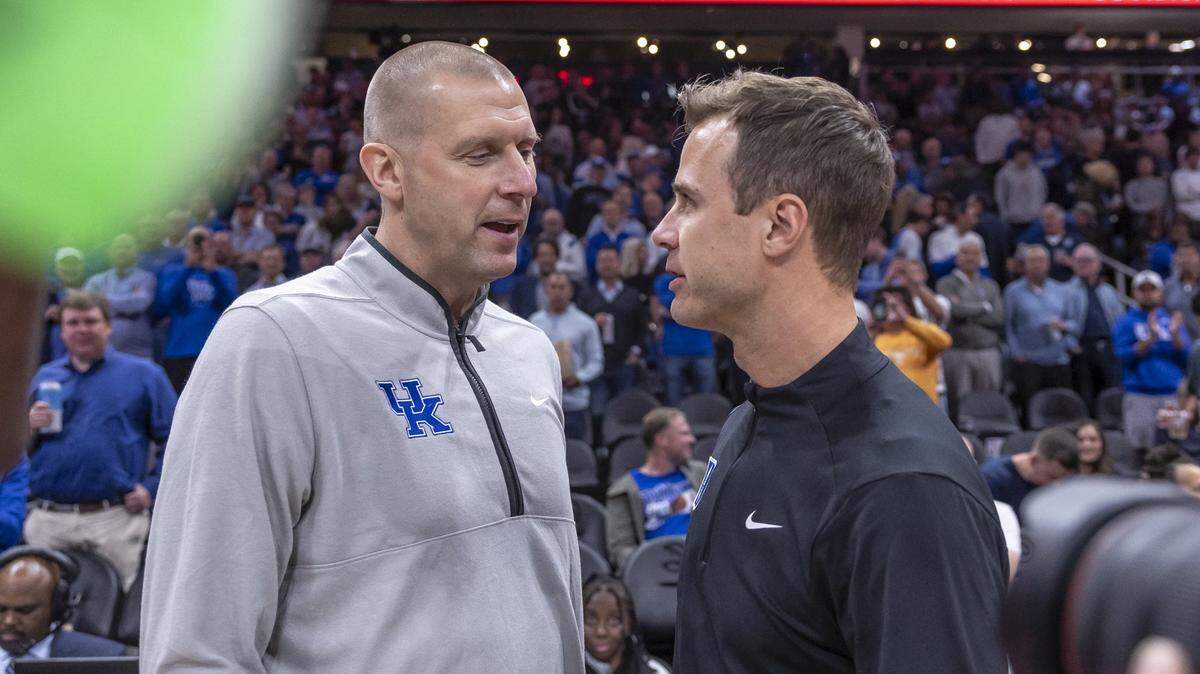
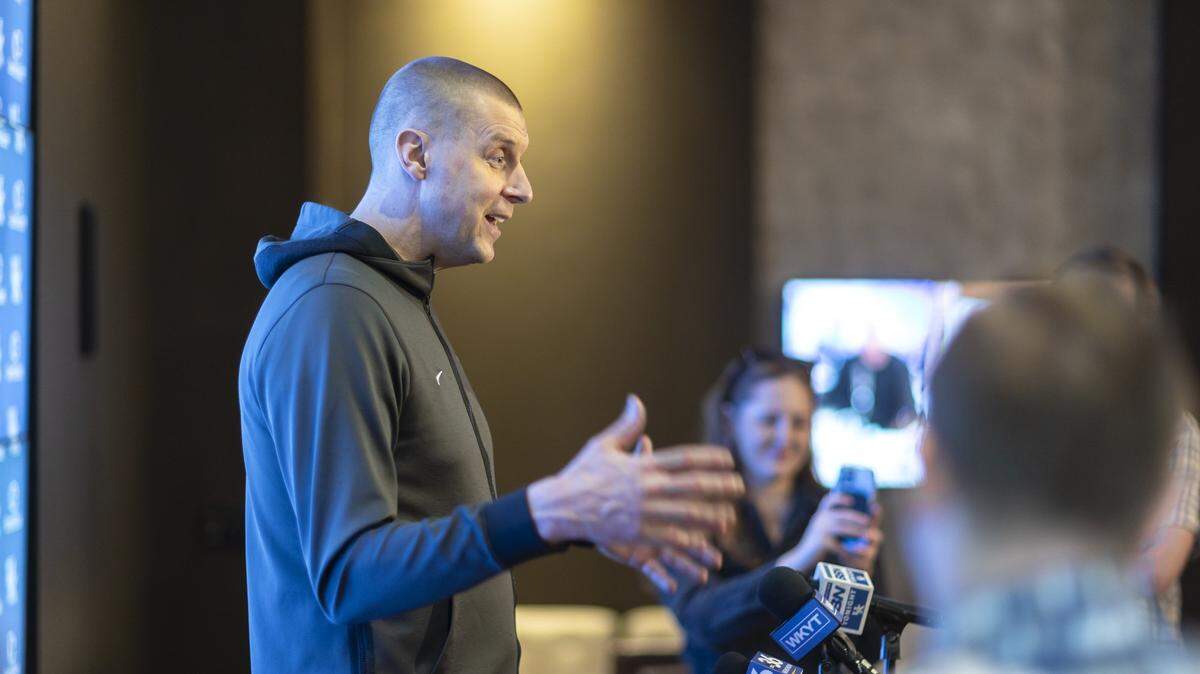
Pope, everything still a blur from the dreamlike nature of his introductory press conference in Rupp Arena that had gone viral across the college basketball world, hopped on a plane to Philadelphia and carried that momentum into his first meeting with Williams.
Things had moved so quickly that his wife, Lee Anne, made that trip with him. They were still discussing the move from Provo to Lexington and everything that came with it, major life decisions best suited for in-person conversations, even as the head coach flew around the country trying to build his first Kentucky roster on the fly.
Lee Anne was along for the ride, but the coach’s wife wasn’t permitted to engage in any off-campus recruiting activities. So when the couple pulled up in their rental to a “not great” area of Philly — “Or was it Jersey?” Pope asks himself aloud now, unsure of the answer — Lee Anne had to stay in the car.
“Is this safe?” she asked, surveying the scene outside.
Pope lit up with laughter as he recalled his response.
“I don’t know if this is safe, babe!” he admitted as he hopped out of the car. And with that, he was outta there, off to try and lock down what appeared to be a dream addition to his frontcourt.
Williams was waiting for him. So were his parents, who had made the trip from England to help him navigate this important final chapter in his college basketball career.
“They were wonderful,” Pope said of Williams’ mom and dad. “He was great. He was quiet. He was really quiet. But I left feeling super impressed.”
But he left still not knowing for sure. There’s a misconception, Pope explains, about such meetings. Yes, he’s there to pitch himself and his program and his vision for the player sitting across from him, but it’s not meant to be a one-way conversation.
“The really important part of recruiting is actually trying to figure out if it fits,” he said. “And so — especially in the portal, when everything’s going so fast — I’m actually trying to know him. The most important thing is not to recruit him. The most important thing is to know him, so we can make a decision together — if this is the right fit or not. Like, I meet a lot of guys where I like them. I think they’re fantastic. But as we get to know each other, like, you know, ‘This is probably not going to be the best fit for you.’ And so that was the part that I was nervous about.”
He felt like he got to know Sharon and Gerry Williams really well. He thought they were great. Amari remained a bit of an enigma.
“I got to know you through mom and dad’s eyes,” Pope recalled. “And you talked a little bit, because I had to, like, force you to talk. But I don’t really know you as well as I want to.”
Still, Pope had seen and heard enough to invite Williams to campus, the first player from the transfer portal to schedule an official visit to Kentucky after he took the job.
A recruiting visit to Lexington
Back in Kentucky, the energy from Pope’s first appearance in Rupp Arena was still palpable by the time Williams and his parents rode down the escalator at Bluegrass Airport.
“That was crazy,” the 7-footer recalled. “I remember I got off the plane and just seeing the Kentucky blue as soon as you step off, as soon as you go to get your bags and everything. We got down there. We couldn’t even see Coach Pope, because everyone’s asking for pictures and everything. It was definitely wild.”
There was basically no coaching staff at that point. Williams recalls meeting “Miss Lee Anne,” as well as Will Barton and Brett Rybak — a couple of UK staffers that had worked under John Calipari and were integral to Pope’s transition — and, other than that, it was a lot of one-on-one time with the new leader of Kentucky basketball.
“We were blown away by it,” Sharon Williams said of the trip.
Pope showed the family around Keeneland, where UK fans gawked at the duo. Williams attended a UK baseball game and got plenty of attention there, too. No matter where he went, he felt the positivity oozing out of everyone he met.
Over those couple of days, Pope continued to size up the recruit. The more he got to know him, the more he liked him. “I get you. I really get you,” the coach remembered thinking as that visit progressed.
Toward the end of the trip, he got Williams away from the crowds, away from the other UK staffers and even away from the player’s own family. Nearly a year after that day, Pope sat in his office, recalling the moment he knew he’d found the right guy.
The head coach’s office at the Joe Craft Center overlooks the UK basketball practice court. Pope turned and pointed out that window, down to the court below. He talked about a conversation the two of them had — just sitting courtside, talking about life and their possible future together — and that’s when it all clicked.
“That’s what I remember the most,” Pope said. “Before that, I didn’t know. I didn’t know. I liked him. I liked his family. I liked the whole thing. And then it was, ‘Yep, this is the guy. This is the guy.’”
Williams also recalled developing complete trust in the Kentucky coach before he left town.
“I remember, on my visit, he sat me down in his office, and he gave me a list of players who he was going after,” he said. “And I always look back to that list. And there were a lot of great players on that list. And, funny enough, I feel like 90% of that list is in the locker room with me. So he went out and got the guys he told me he was gonna get.”
Williams committed to Kentucky shortly after that, the first of many transfers to join Pope’s program. But it wasn’t quite finished.
About a week later, another promising post player — former McDonald’s All-American Brandon Garrison — committed to the Cats, and, around that time, rumor started to spread that Williams was wavering. Pope immediately jumped on a plane and made a second trip to Philadelphia.
Nearly a year later, sitting in an office in the UK practice facility, Williams smiled brightly at the mention of this particular chapter in the story of his move to Kentucky. Later that same day, Pope, who had been poking at his lunch — a bowl of fruit — with a fork as he recalled the pursuit of Williams, told the tale from his point of view.
“Everything happens so fast in the portal,” he said. “It’s constant cycles. And so, every day, you’re recruiting everybody on a roster. You’re recruiting the guys that have been here before, the guys that just committed, and the guys that you’re trying to get to commit. And that process never stops. … I don’t remember a lot of the details behind it, but I knew I just had to go out to keep recruiting him.”
Pope looked up from his lunch, clearly curious what Williams had said about the ordeal.
“It was funny,” the 7-footer recalled, acknowledging hearing the noise at the time but knowing that the rumor hadn’t started with him. “Because — myself and my high school coach — we knew that I wasn’t gonna waver or go anywhere else. Like, I’m not gonna commit to a school, sign everything, and then turn around and say, ‘I’m not coming.’
“But just seeing that — that even that little bit of noise made them do something like that — that meant a lot to me, too.”
As that answer was relayed to Pope, he smiled, and pointed his fork in the air.
“That’s Amari. For sure,” he said. “Amari is the type of person that you trust your family with. He’s that person. He’s special.”
Becoming a UK basketball star
What Williams has achieved on the court this season needs little reminder.
Without him, there’s no telling where this Kentucky basketball team would be.
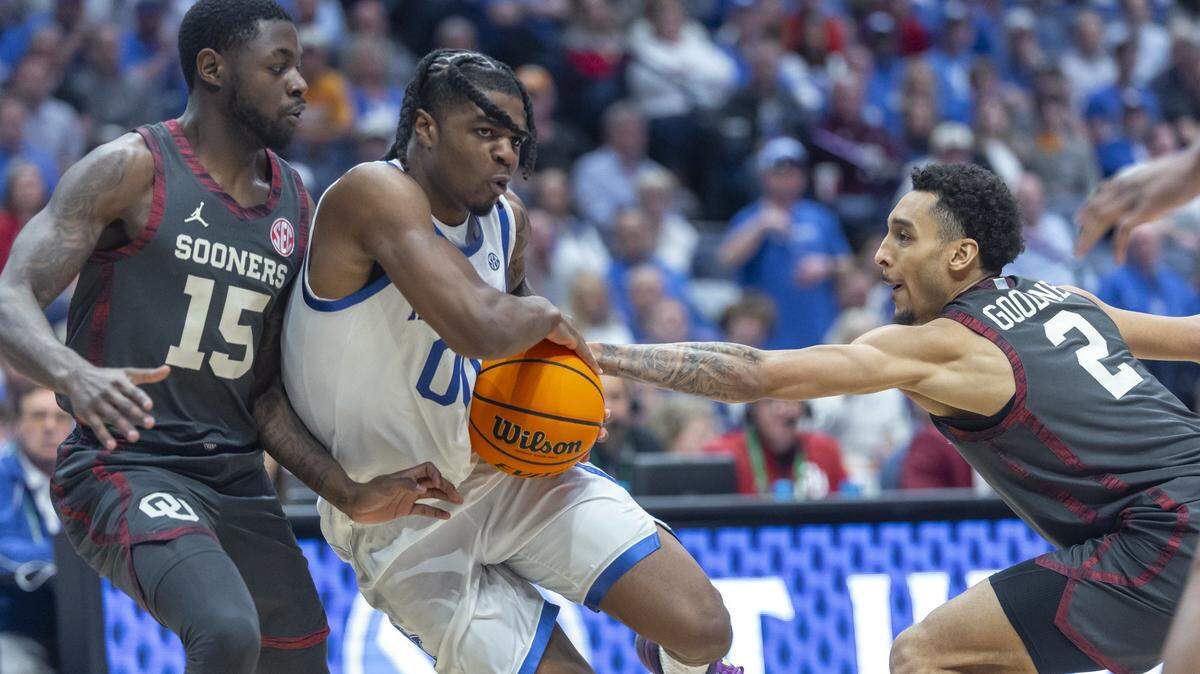
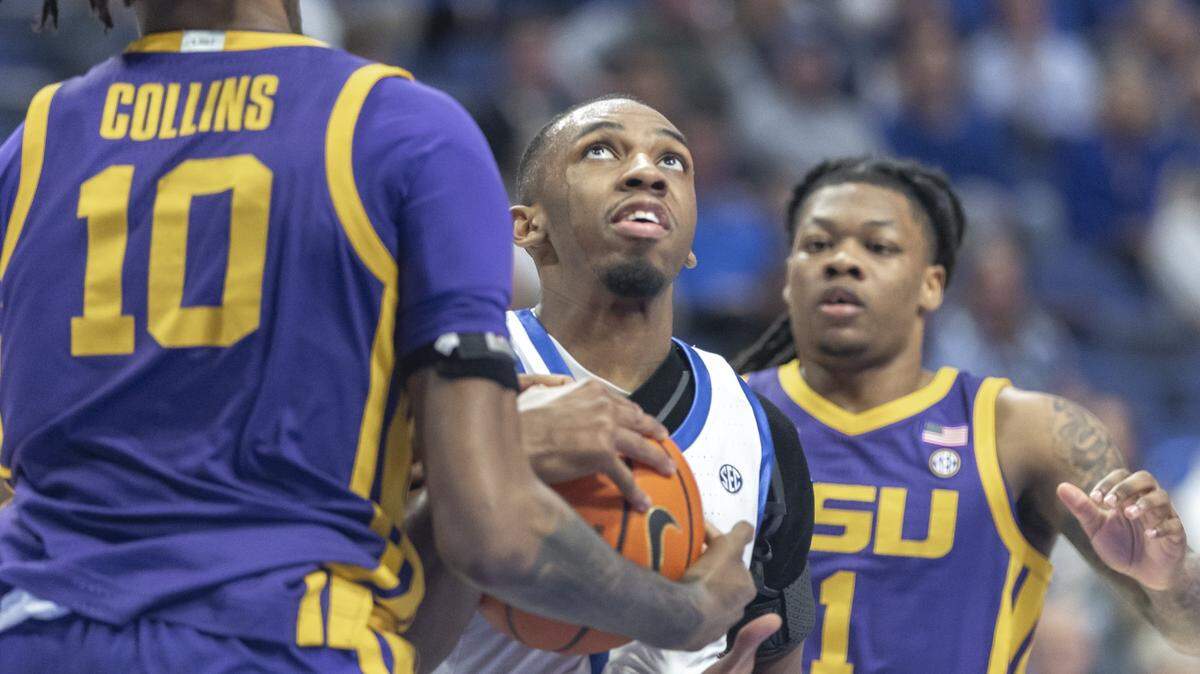
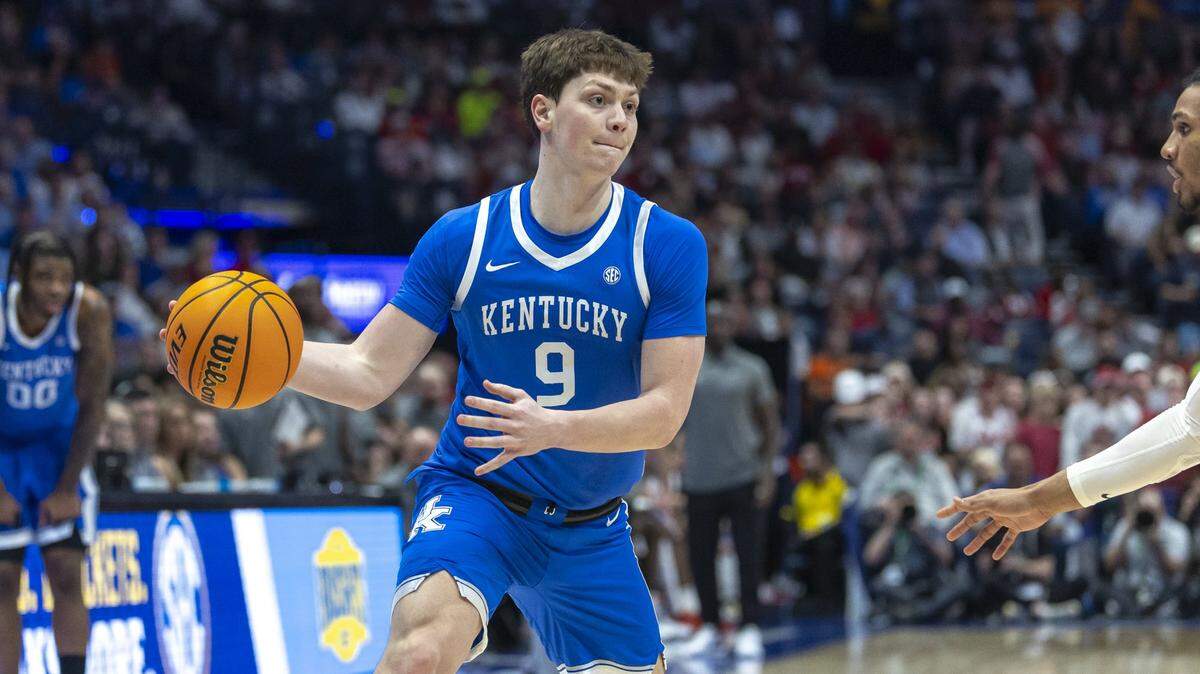
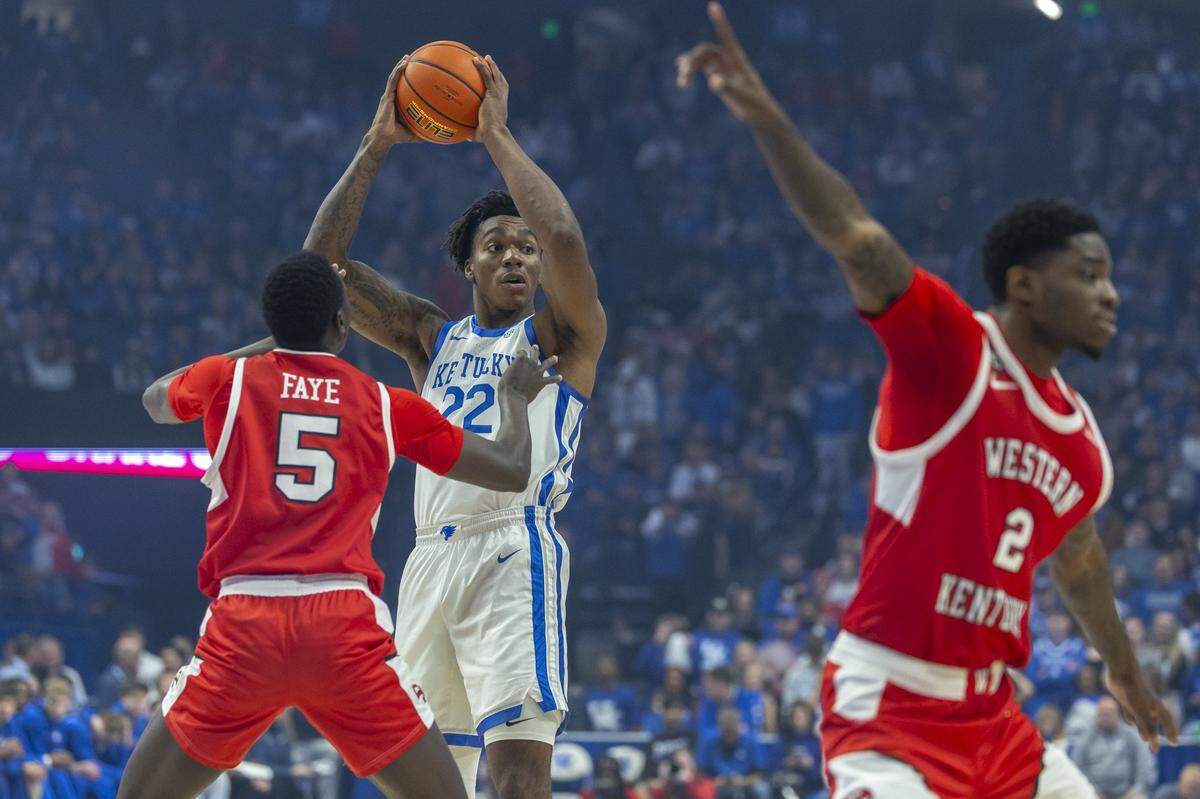
As the Wildcats’ top playmakers — Lamont Butler, Kerr Kriisa and Jaxson Robinson — battled serious injuries, Williams stepped in as a 7-foot point guard that captured the imagination of anyone who watched him play.
When fellow frontcourt starter Andrew Carr hit the injured list, Williams picked up more of the load in the paint. He, somehow, became a more efficient passer on the perimeter and a more forceful presence in the post all at the same time.
He recorded just the fourth triple-double in UK basketball history. There are big games that Kentucky wouldn’t have won without him. Ask around in NBA draft circles, and Williams’ name is often the first you hear.
None of this was expected a year ago.
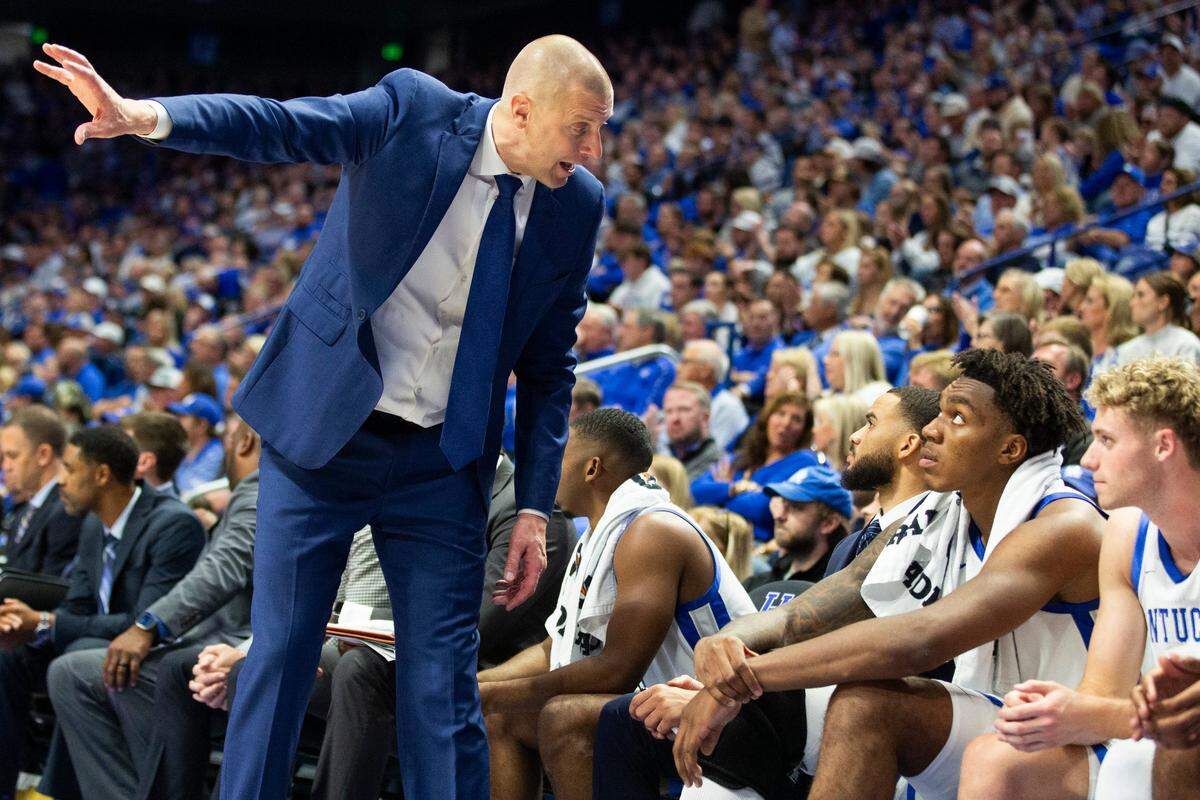
Pope has practically been glowing at times as he’s recounted Williams’ success on the court over the course of this season. He’s just as proud — maybe more — of what he’s seen away from it.
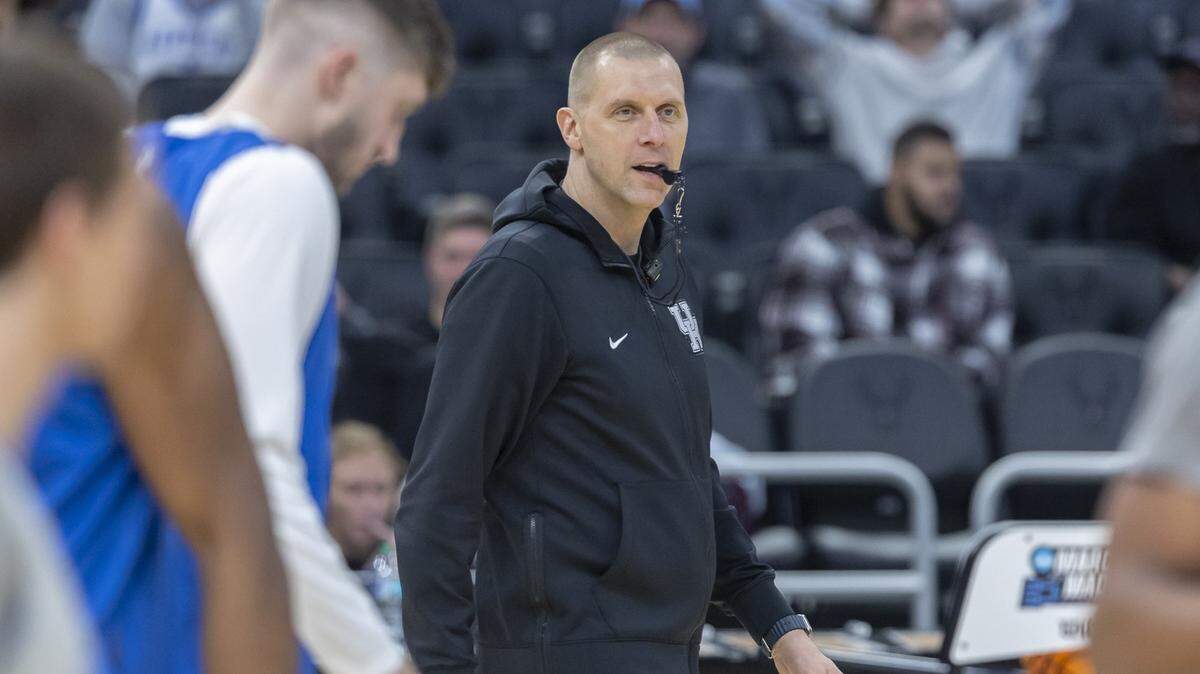
“He’s made incredible strides. He’s grown so much,” Pope said. “To his credit, he’s grown so much. And it’s interesting, because I can map out the steps.”
During the summer — while the UK coach was on an overseas recruiting trip — he made a point to plan out a detour. He stopped in Nottingham, England, so he could meet with Williams’ family — his parents and his older brother Hakim — in their own home. He said he feels it’s “super important” for a coach to do that, if at all possible, to get a better understanding of the player he’s bringing into his program.
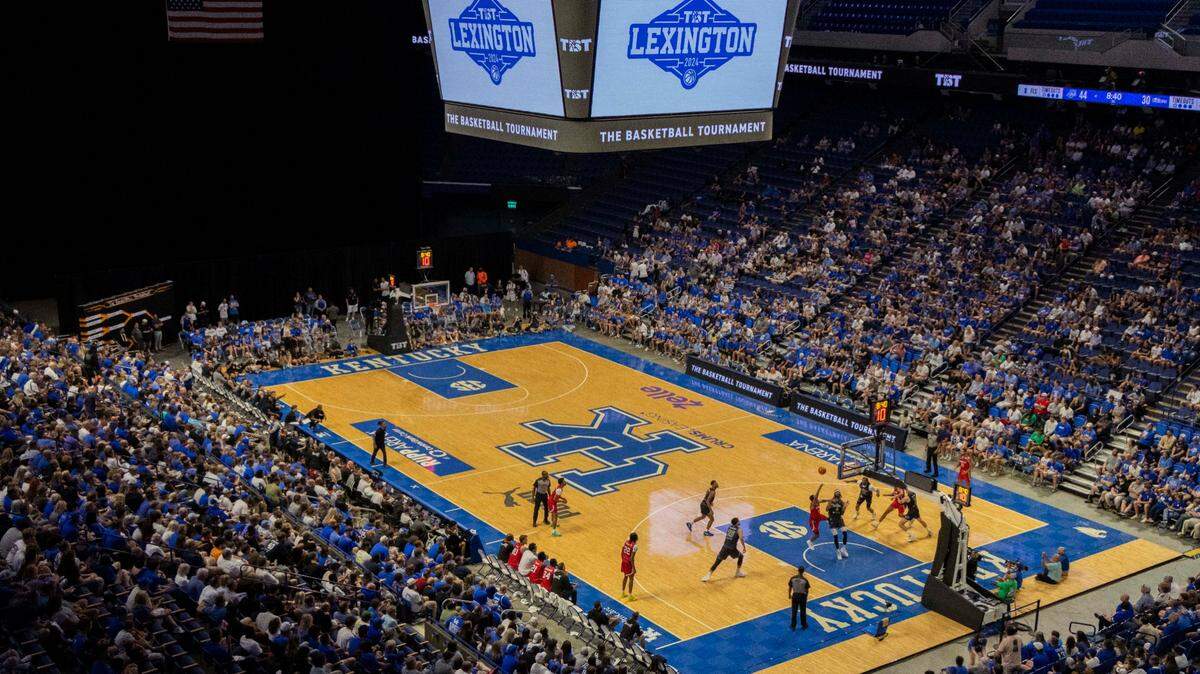
A few weeks later, Pope’s Cats were practicing alongside a team of UK basketball legends preparing for the upcoming TBT event in Lexington.
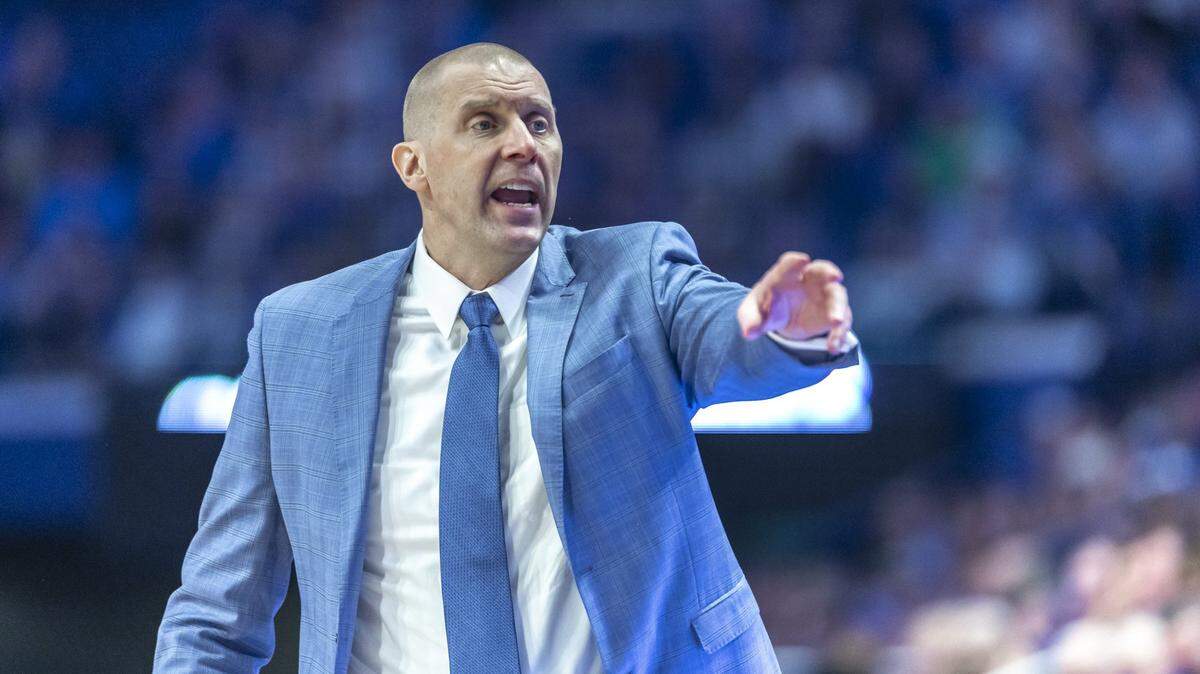
“And that was the first time I really laid into him. Like, I really let him have it,” Pope said. “And he responded brilliantly. He didn’t fold. He went out and competed. It was a pretty brutal, you know, confrontational moment. And so I learned a lot about him in that moment.”
That incident led to Pope and Williams getting to know each other even more. As summer turned to fall, the reserved 7-footer started to show more of himself.
“He’d been so quiet around the team,” Pope said. “And he was also kind of out there on the court like he didn’t want to hurt anybody. And that’s not his skill set. And two things happened. One, he started to have practices where he was actually, you know,” Pope banged his fists together, explaining the physicality Williams began to unleash.
“I’ll never forget — one time we’re scrimmaging, he knocked Lamont to the floor. I thought he almost knocked Lamont out, setting the screen. And it was just helping him understand like, ‘Yes! That’s exactly what this game is asking for.’”
But there was something else, something greater, that followed.
“The real breakthrough for me was walking into practice and seeing him — like a couple consecutive days before we started practice, guys are out there shooting — and he wasn’t off at a hoop by himself, but he was with the guys kind of joking and smiling and laughing,” Pope said. “And I was like, ‘Oh, we’re here.’ So that was all fun — watching that process of him growing, and then he’s grown every step of the way through the season.
“He’s humble, grateful, caring. And one of the things I’ve learned is it’s hard to get Amari mad or super urgent unless he thinks you’re threatening his guys. I mean, it’s such a cliché thing. So I don’t want to make it sound trite, but there’s something in him that — he loves these guys. He’s going to fight for his team. It’s super cool.”
What Williams found in Lexington
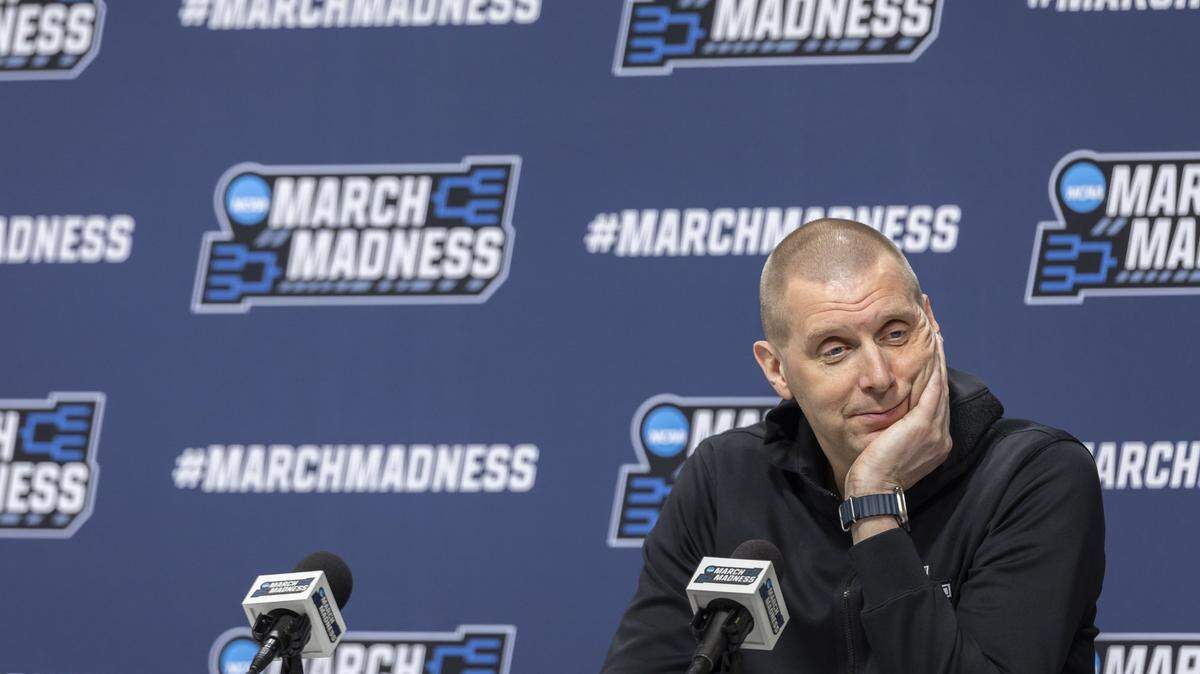
Williams’ story in college basketball isn’t written yet. He knows he’ll carry a heavy load into this week’s NCAA Tournament, but he’s looking forward to the challenge. He’s ready for the moment.
“My mindset is going to stay the same as the rest of the season, even going into that game,” Williams said. “Just knowing that it’s March Madness. You know how it goes — anyone can beat anyone on any given night. So I feel like just keeping the same mentality and treating it like any other game — like I’m still the underdog — I feel like that’s gonna help me moving forward.”
It’s gotten him this far. And it’s the reason he made the journey. He watched teams like Kentucky and Duke on ESPN as a kid in England, falling in love more with the college game than the NBA, in part, because of the pageantry of the sport at this level. He loved seeing the crowds and the passion. He didn’t dare dream that he’d actually get to play in such a situation.
Back in November, the day before Kentucky played Duke in the Champions Classic, a question about the “biggest” game Williams had ever played in needed a moment for consideration. The Big 5 Classic — the series that pits Philadelphia-area universities against each other — was his eventual answer.
Since then, he’s had a hand in beating Duke on national TV. He’s been part of rivalry wins against Louisville and Tennessee. A victory over Gonzaga in Seattle stands out among his favorite memories. He played in Madison Square Garden, the mecca of basketball. And Friday night, he’ll step into a starring role in the NCAA Tournament.
Doing it all in front of a crowd of cheering UK fans has been a dream.
“It’s just the energy they give, especially when the ‘Go Big Blue!’ chants come out,” he said. “It just gives you a feeling. It gives you goosebumps.”
He beamed with pride that his mom got to see him play in Rupp Arena that one final time. The whole family made the trip for the Brown game on Dec. 31, spending Christmas in Lexington — the holiday that brought Williams the most homesickness these past five years — but they couldn’t all make it back for Senior Night.
Sharon Williams might have been the only blood relative in the building that night, but Amari was surrounded by family all the same.
“He’s one of my great friends,” Carr said.
Garrison likened him to a big brother figure.
Other Cats have raved about him.
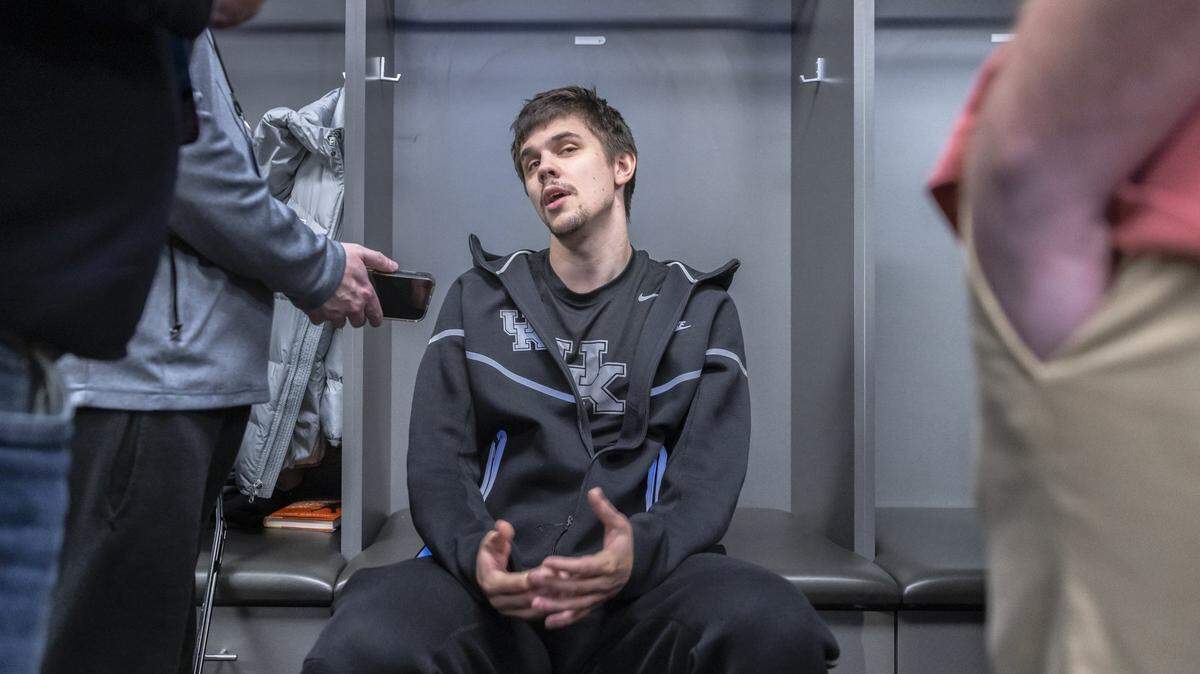
Williams is still quiet. He’s still content to let others do the talking. But — whenever this season ends and these players go their separate ways — he’ll miss the company of his fellow Cats.
He wishes it could have lasted longer.
“We’re always grateful that Coach Pope and the staff even gave us this opportunity to be here for one year,” he said. “And we always imagine, like, what it would have been like if we could have had one more year.”
Ask Williams what his greatest memory of Kentucky will be, and he’ll need no time to think about his reply. It wasn’t the wins over Duke or Louisville or Tennessee. It wasn’t the transformation into a possible NBA draft pick. It wasn’t even the adoring crowds.
It was the experience of traveling around the country with a group of total strangers that became friends for life. Off the court, removed from all that spotlight and an ocean away from his home, Williams found out something more about himself along that journey. And it will serve him well in the years ahead.
“I just learned I always have to be confident,” he said. “I feel like at the start of the year, I was kind of playing timid. Not even just playing, but anything I would do, I was kind of timid with it. I never really put my whole foot forward. But my coaching staff put a lot of confidence in me. My teammates put a lot of confidence in me. And even from the start, it was kind of up to me to go out there and believe in myself.
“That’s something that’s helped me a lot. And I would just say how much being a team matters, especially this year. I feel like we’ve all loved each other from the jump, and that’s something that we’ll always remember.”
Friday
Kentucky vs. Troy
What: NCAA Tournament Midwest Regional round-of-64 game
When: 7:10 p.m. EDT
Where: Fiserv Forum in Milwaukee
TV: CBS
Records: Kentucky 22-11, Troy 23-10
Seeds: Kentucky No. 3, Troy No. 14
Series: Kentucky leads 1-0
Last meeting: Kentucky won 70-62 on Nov. 20, 2017, in the Adolph Rupp Classic at Rupp Arena.
At stake: The winner plays the winner of Friday’s game between Illinois and Xavier on Sunday in Milwaukee in a round-of-32 matchup.
This story was originally published March 20, 2025 at 6:00 AM.