Coaches with larger buyouts have been fired, but UK’s Stoops situation is different
AI-generated summary reviewed by our newsroom.
- Stoops' contract demands 75% of remaining pay — about $38M paid in 60 days.
- Penn State and LSU structured larger buyouts as installment plans through 2031.
- Kentucky likely must seek concessions or payment terms to enable a coaching change.
READ MORE
Preview: Kentucky football at Auburn
Click below to read more of the Herald-Leader and Kentucky.com’s preview coverage ahead of Saturday’s Kentucky-Auburn game in Auburn, Ala.
Expand All
For the portion of the Kentucky football fan base calling for a coaching change as soon as possible, each Sunday seems to ratchet up the frustration.
Since Kentucky’s last win Sept. 13 against Eastern Michigan, seven power-conference programs have fired their coaches, including two in the SEC. Each of the past three Sundays saw a traditional power fire a coach with Penn State, Florida and LSU opening their jobs.
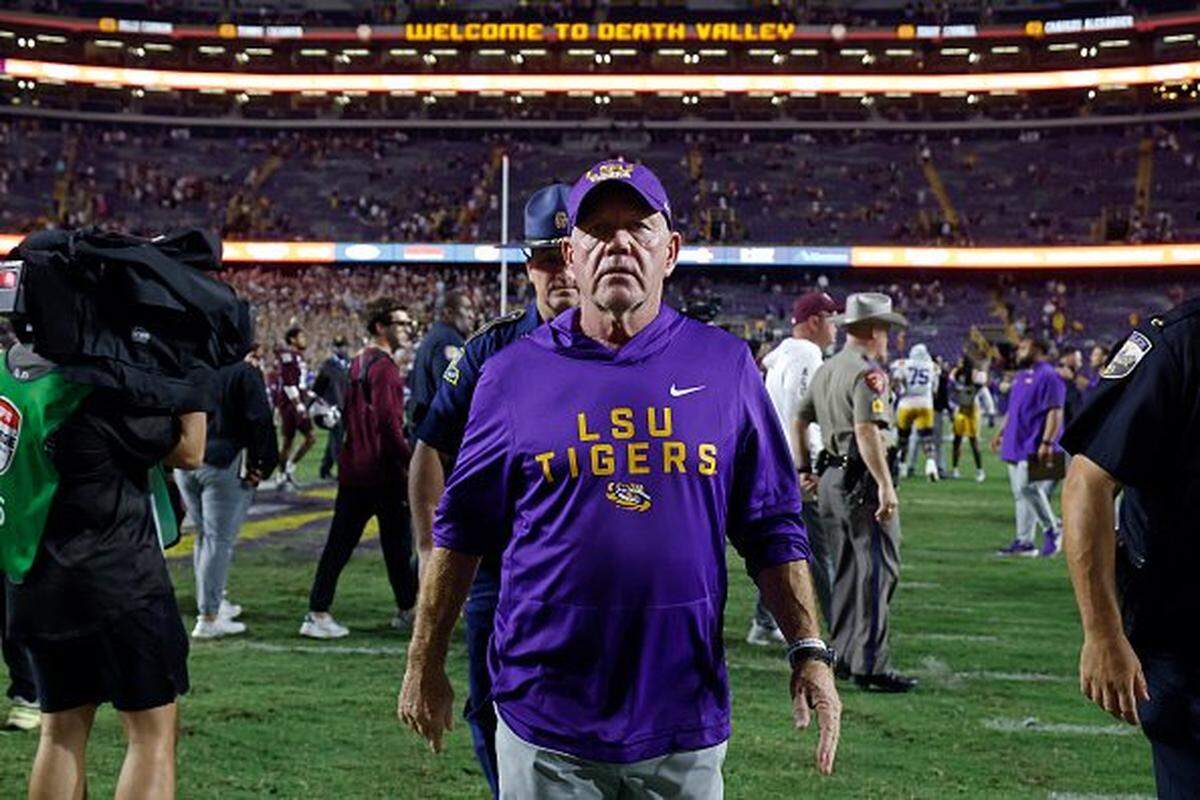
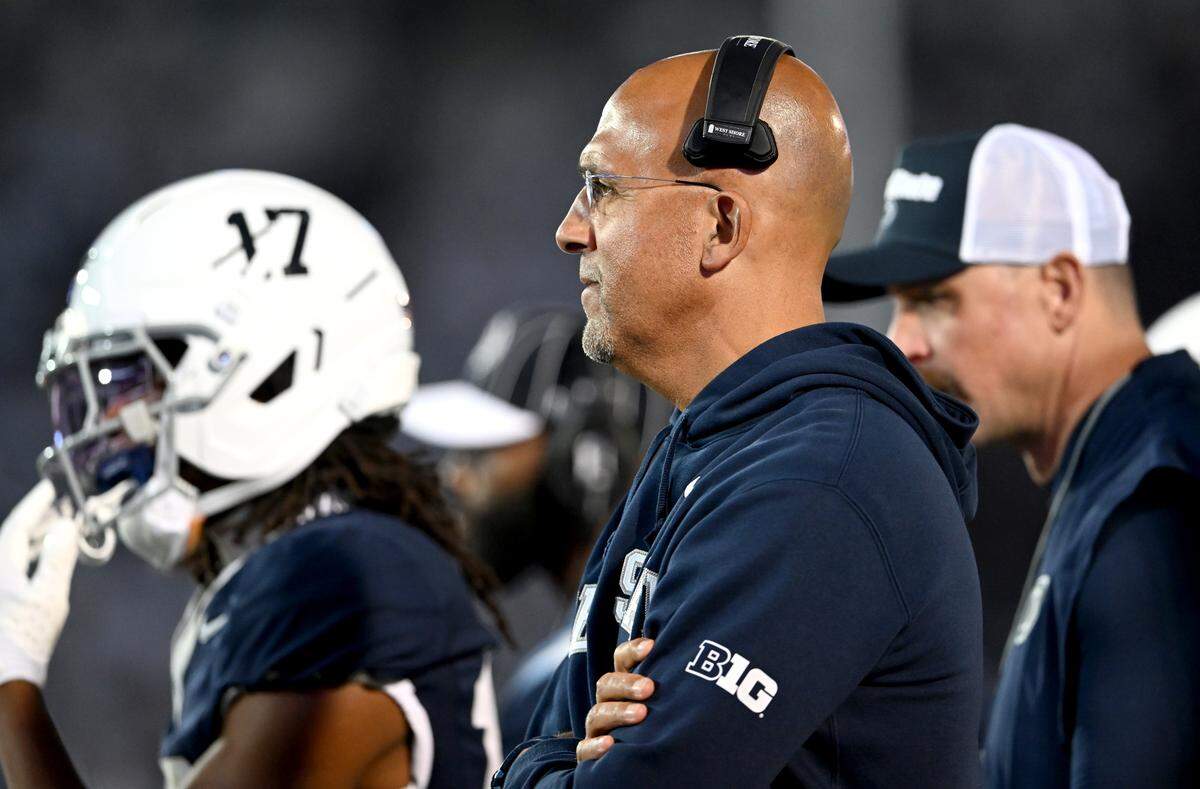
While even the most ardent of Kentucky fans is unlikely to put the Wildcat program in the same tier as those jobs, Penn State firing James Franklin and LSU firing Brian Kelly have been particularly influential in the calls for Kentucky to move on from Mark Stoops.
Since the size of the buyout it would cost to fire Stoops (almost $38 million) has been frequently cited as the biggest obstacle for a coaching change, the fact that the buyouts for Franklin ($49 million) and Kelly ($54 million) are larger than what Stoops is owed has been pointed to as proof by some fans that UK can actually afford to make a change.
That narrative ignores a rather key difference between the three situations, though.
Per the terms of Stoops contract, he would be owed 75% of his remaining salary in one lump sum payment within 60 days of being fired. If he were fired on Dec. 1, that would equate to just less than $38 million.
According to the Centre Daily Times and NOLA.com, the buyouts owed Franklin and Kelly will be paid out in monthly installments through 2031. Both those contracts also specify the amount the school owes the fired coach will be reduced by his salary at his next coaching job, while there is no offset language in Stoops’ contract.
Even the largest buyout ever paid to fire a college football coach — $76 million from Texas A&M to Jimbo Fisher in 2023 — only included a $19.2 million up-front payment due within 60 days. A&M will play Fisher the remaining obligation in annual payments of $7.2 million per year through 2031. There has never been a buyout paid to fire a college coach as the one owed Stoops that was required to be paid in one lump sum.
Stoops’ buyout has been structured this way since he signed his third contract extension at UK in March 2017. Even as his annual salary increased in subsequent extensions, the buyout format remained the same.
That buyout structure is unique to Stoops among UK coaches.
Men’s basketball coach Mark Pope, women’s basketball coach Kenny Brooks and baseball coach Nick Mingione would all be owed their buyouts in monthly installments through the end of their contracts if fired. The fact that Stoops’ buyout would be paid in a lump sum is likely a reflection of the leverage he had in contract negotiations at a time he was frequently mentioned as a candidate for higher-profile jobs.
LSU said in a statement announcing Kelly’s firing Sunday that terms of the separation are still being negotiated, so Kelly might not ultimately receive the full $54 million buyout. The most likely scenario that ends in Kentucky making a coaching change also involves Stoops negotiating either a smaller buyout or agreeing to have his full buyout paid over a longer period of time, but Stoops would have to agree to those concessions.
It is unlikely Kentucky’s next football coach — whether that change happens this year or in the future — has the same lump-sum buyout that Stoops was awarded in his contract, but for a program like Kentucky, where history suggests a quick downturn in results even at the best of times is well within the realm of possibilities, the school will likely again have to decide what contract concessions it is willing to grant in order to keep a successful coach from leaving for a higher-profile job.
Initial predictions that the advent of revenue sharing with athletes that forced schools to find an additional $20.5 million per year in their budgets would rein in spending on coaching salaries appear naive with so many power-conference jobs already open. The competition for top coaches in this cycle will be intense, giving the candidates more leverage. Other sitting coaches are likely to receive new contracts to entice them to stay at their current jobs in the same way Stoops was multiple times at Kentucky.
“The visibility for student athletes, and the visibility for them in the program is a little different than it used to be in some way, shape or form,” Barnhart told the Herald-Leader earlier this month when asked about soaring coaching buyouts. “You had some high-level elite athletes that got a lot of notoriety, but a lot of times the focus was the coach. And you wonder, does that change as time goes by?
“I said to someone, ‘In the NFL or in the NBA or in Major League Baseball, can you name me the head coach or the manager, or that person?’ You could pick out maybe a few, but by and large there’d be many you wouldn’t have an idea who they were. So does that change a little bit over time? Possibly, possibly. And I do believe there is a shifting of the landscape in college athletics and what we’re doing. So, I think the proof will be in sort of what happens.”
This story was originally published October 28, 2025 at 6:30 AM.