With Texas and Oklahoma in the SEC, Kentucky fans now face a conundrum
READ MORE
2024 College Football Preview
The Lexington Herald-Leader has been previewing the 2024 college football season throughout August. Click below to view all the stories that have been published on Kentucky.com.
Expand All
As you know if you’ve spent much time in this space, I think Greg Sankey’s push to expand the men’s NCAA basketball tournament is wrongheaded on multiple fronts.
Nevertheless, I understand the impetus that, in my opinion, forms the true motivation for the SEC commissioner’s drive.
We are now in a college sports world of “super conferences.” The SEC and Big 12 both boast 16 teams. The Big Ten and ACC each have 18 members (that number includes Notre Dame competing in the ACC in sports other than football).
The practical result of grouping all the strongest athletics programs in so few conferences is that teams are going to “beat up” on each other repeatedly.
As a consequence, there are going to be a whole lot of teams with middling records. That will create the incentive for power four league commissioners such as Sankey to secure more March Madness access for “major conference mediocrities.”
For a glimpse into the competitive futures within these massive conferences, one need only look back to the coronavirus-impacted 2020 SEC football season. That year, due to COVID-19 and the efforts to contain it, SEC football teams played only against other league teams in a 10-game regular season.
What resulted was rampant mediocrity. Of the 14 SEC teams in 2020, only five had winning records. Of the nine SEC football programs that did not have winning marks in 2020, eight won between three and five games.
In the case of the SEC, now factor in the additions of traditional Big 12 powers Oklahoma and Texas.
The question that fans of incumbent SEC schools — such as Kentucky — must face is whether to adjust their standards for “success” based on the competitive realities of the newly expanded league?
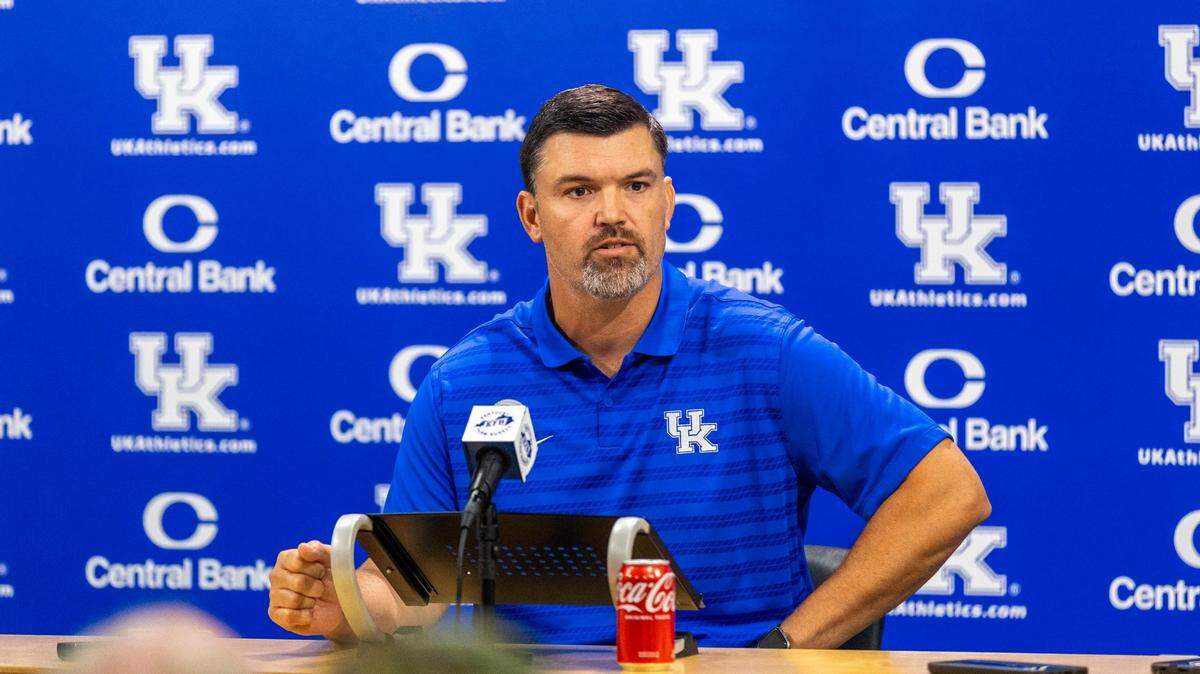
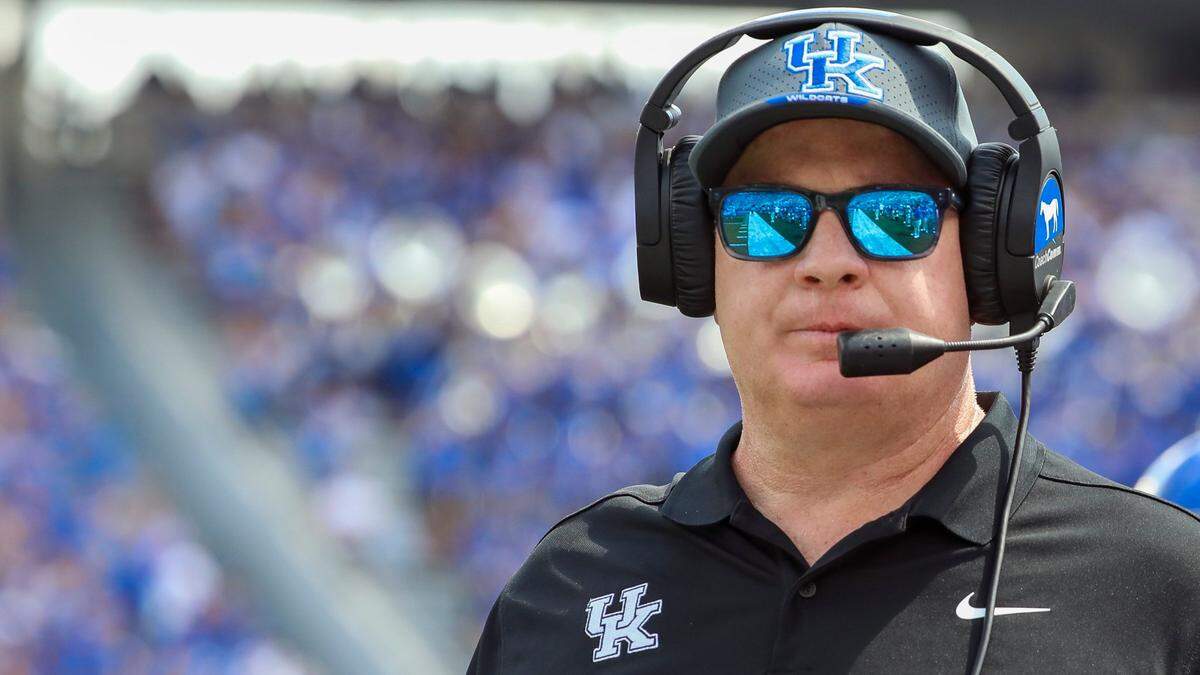
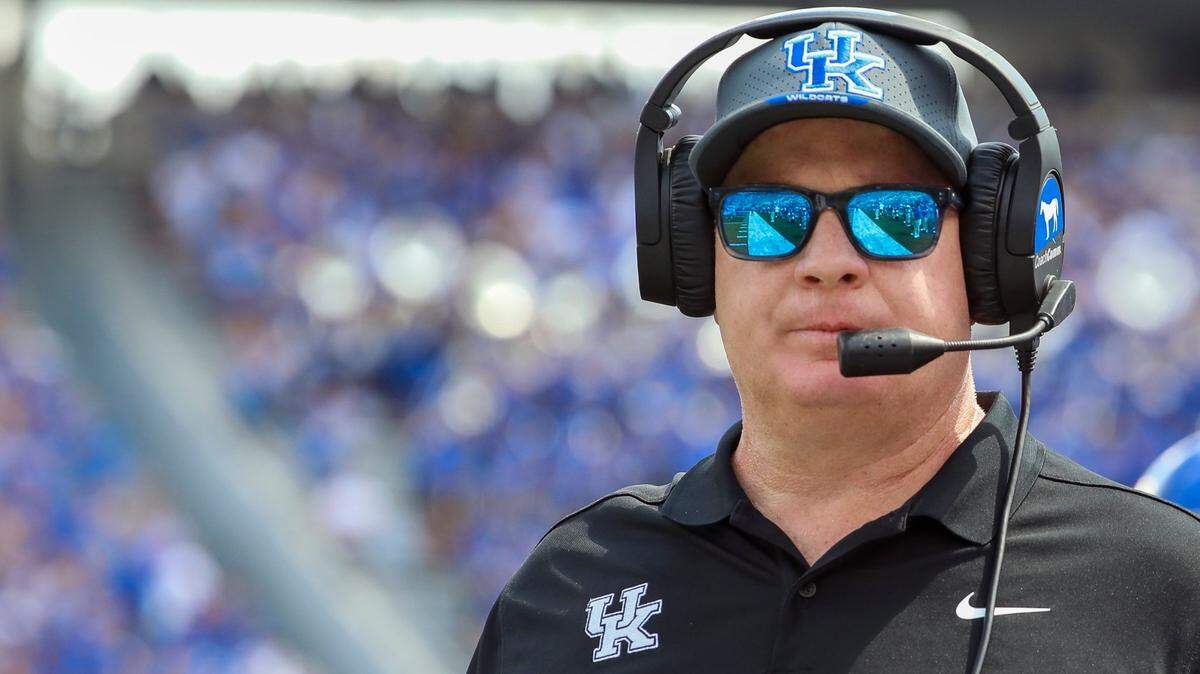
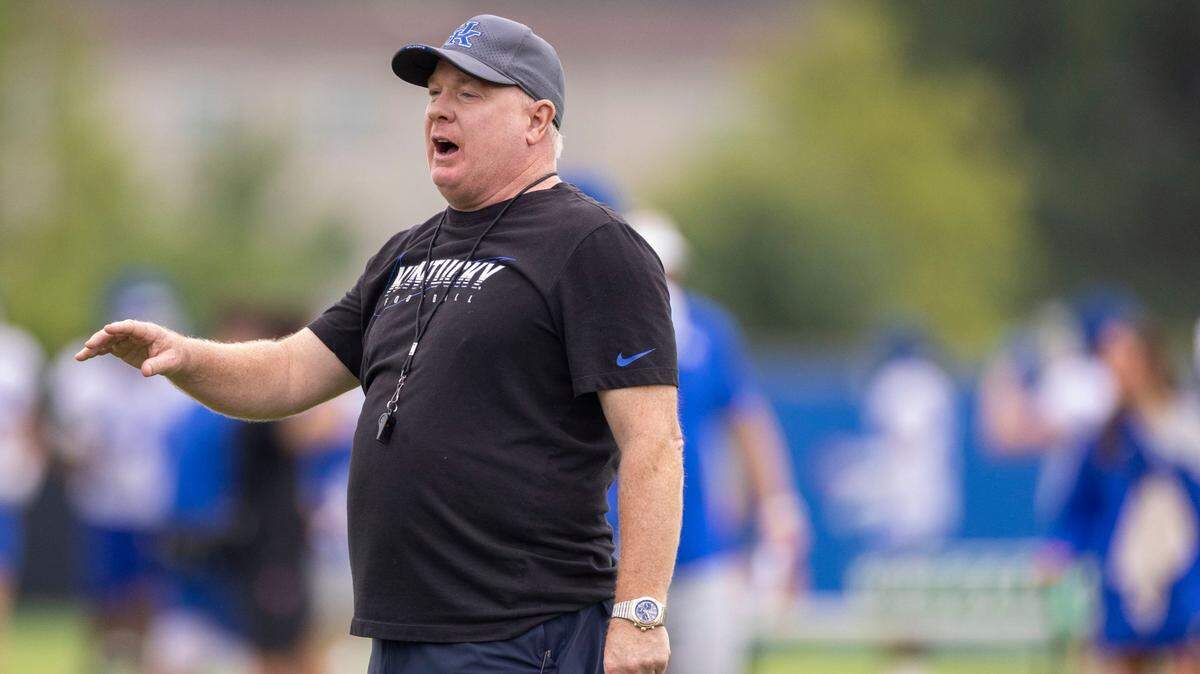
This summer, I hear from UK football fans that they have grown impatient with finishing 7-5, the regular season mark produced by Mark Stoops and troops in the past two years.
I get that. It is the fundamental nature of sports fandom to want more from your team.
Yet what is different for UK football now is not just the arrivals of two historically high-level football programs in Texas (12-2 in 2023) and Oklahoma (10-3). The additions of the Sooners and Longhorns have been accompanied by the SEC abolishing division play and reshuffling the existing scheduling format.
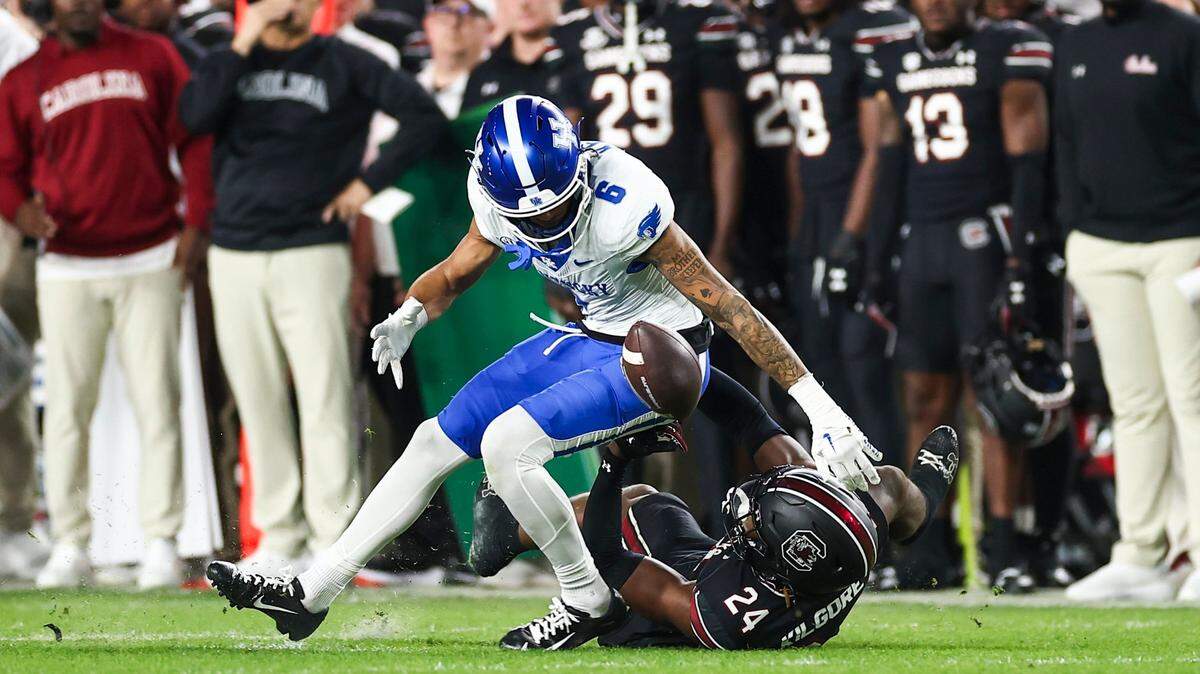
For Kentucky in the 2024 season, what that means is the Wildcats gave up games with the teams projected in the SEC preseason media poll to finish sixth (at Missouri), 14th (at Arkansas) and 15th (Mississippi State) in the league.
The Cats added contests with the teams projected to finish second (Texas), fourth (Mississippi) and 10th (Auburn) in the conference.
That’s why if UK wins seven football games this fall against what, on paper, is a far testier schedule, then that 7-5 should be looked at as a higher level of achievement than the 7-5 records the Wildcats produced in each of the past two years.
The competitive impact of the SEC becoming a “super conference” will not only be felt in football and basketball, of course.
In this past school year’s Directors’ Cup standings, Texas finished first and Oklahoma 24th.
The Longhorns have now won the Directors’ Cup — a measure of a school’s all-around sports strength based on how its teams perform in NCAA postseason competition as well as football playoff and bowl games — three times in the past four school years.
Bringing the best all-around sports program in the country into your league will impact myriad sports.
In women’s volleyball, Kentucky has been the SEC’s long-running dynasty. Craig Skinner’s Wildcats have won or shared the Southeastern Conference championship in seven straight seasons.
Yet now Texas enters the SEC having won the past two women’s volleyball national championships. The Longhorns are ranked No. 1 in the country for 2024 in the American Volleyball Coaches Association preseason poll, too.
Now, they play the matches for a reason, so we’ll see how 2024 turns out.
However, if Kentucky, No. 9 in the AVCA preseason Top 25, finishes second in the SEC this season to Texas, are the merits of that finish any less than those of the seven conference title-winning seasons that preceded it?
Other than not being able to call yourself a champion, I would say no.
That is a dynamic that works the other way, too, of course.
If UK extends its streak of SEC volleyball titles won to eight straight by winning a league that also includes Texas, that will be a more impressive achievement than any of the Wildcats’ previous seven conference championships.
Meanwhile, the Oklahoma softball program enters the SEC on a streak of four straight NCAA championships. So if Rachel Lawson’s Wildcats were to jump up and win the SEC title in 2024, it would be an objectively more-substantial achievement because of the presence of the Sooners than winning a prior SEC softball title would have been.
Given the changed reality created by the formation of super conferences, it would seem only fair for college sports stake holders — fans, media, and, most consequentially, school administrators — to make a corresponding adjustment in how the achievements of teams and coaches are evaluated.
Given the unforgiving nature of American sports culture in the third decade of the 21st century, I wouldn’t bet on that happening.
This story was originally published August 22, 2024 at 6:30 AM.

















.JPG)



.JPG)