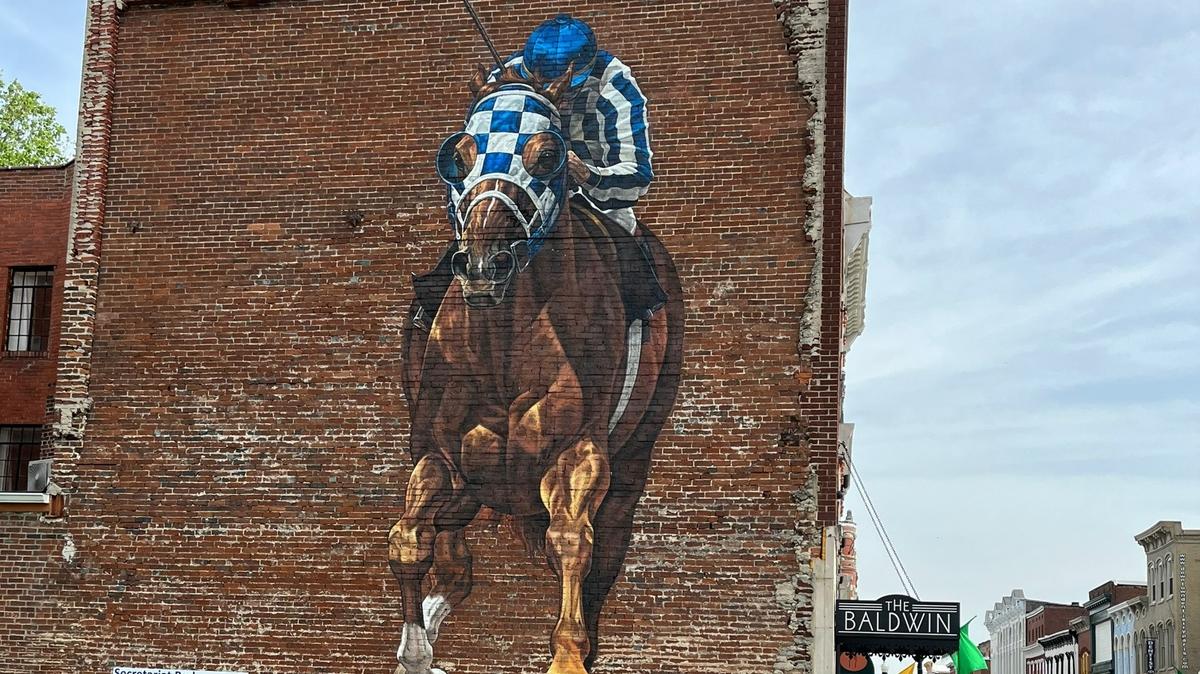
How will Churchill Downs regulate the use of riding crops at the 2023 Kentucky Derby?
READ MORE
2023 Kentucky Derby preview
Click below to view more coverage from the Lexington Herald-Leader and Kentucky.com previewing the 149th Kentucky Derby to be held May 6 at Churchill Downs in Louisville.
Expand All
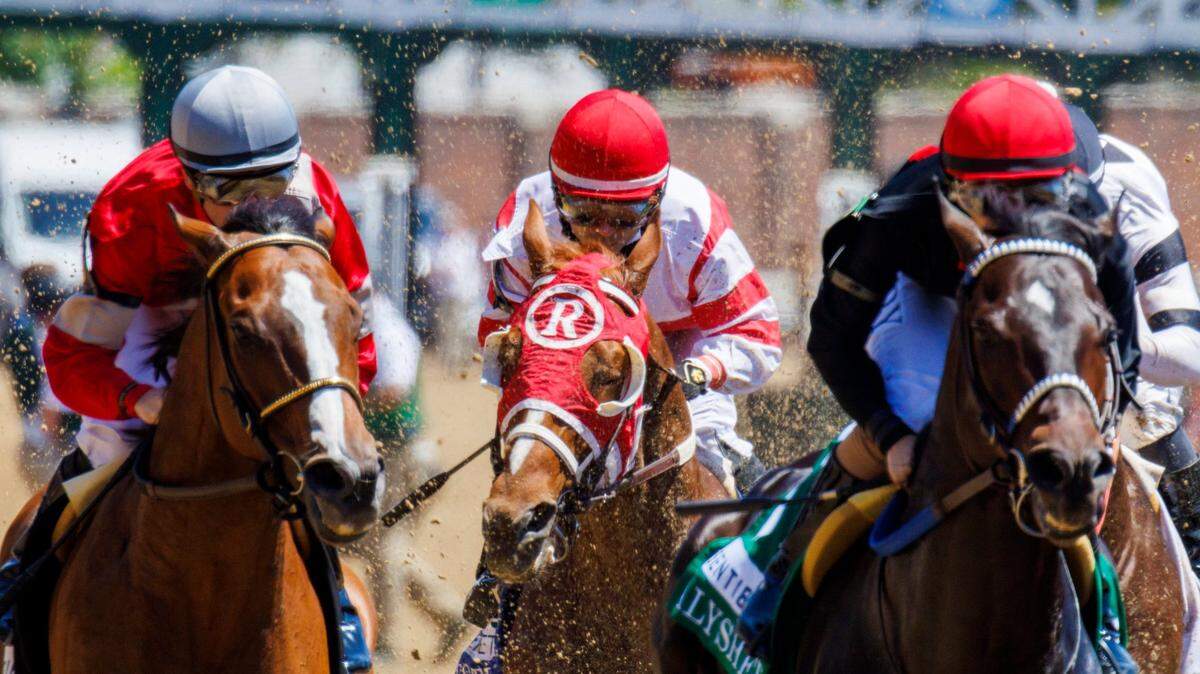
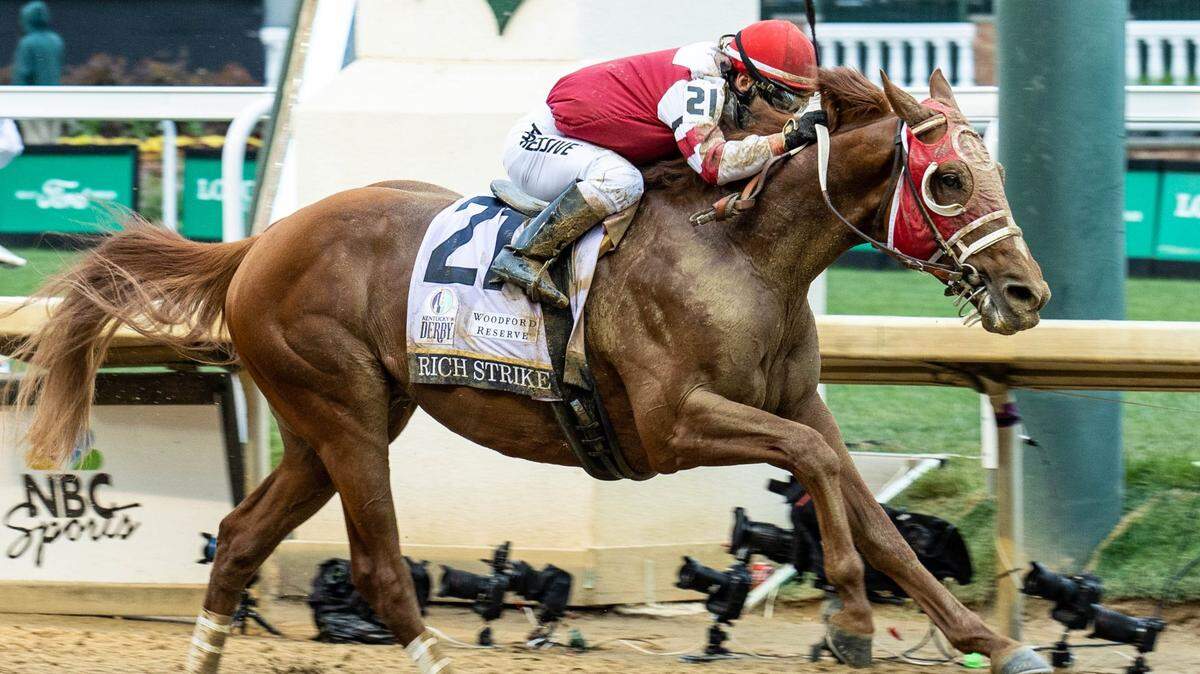
Whipping racehorses for reasons unrelated to safety is illegal in some countries, and although it remains the practice at the Kentucky Derby, use of the riding crop is regulated.
New U.S. racing rules went into effect in 2022 limiting the number of strikes a rider could give a horse after the first furlong to six, Axios reported. Other reforms, such as the banning of the diuretic Lasix, have also been enacted in recent years.
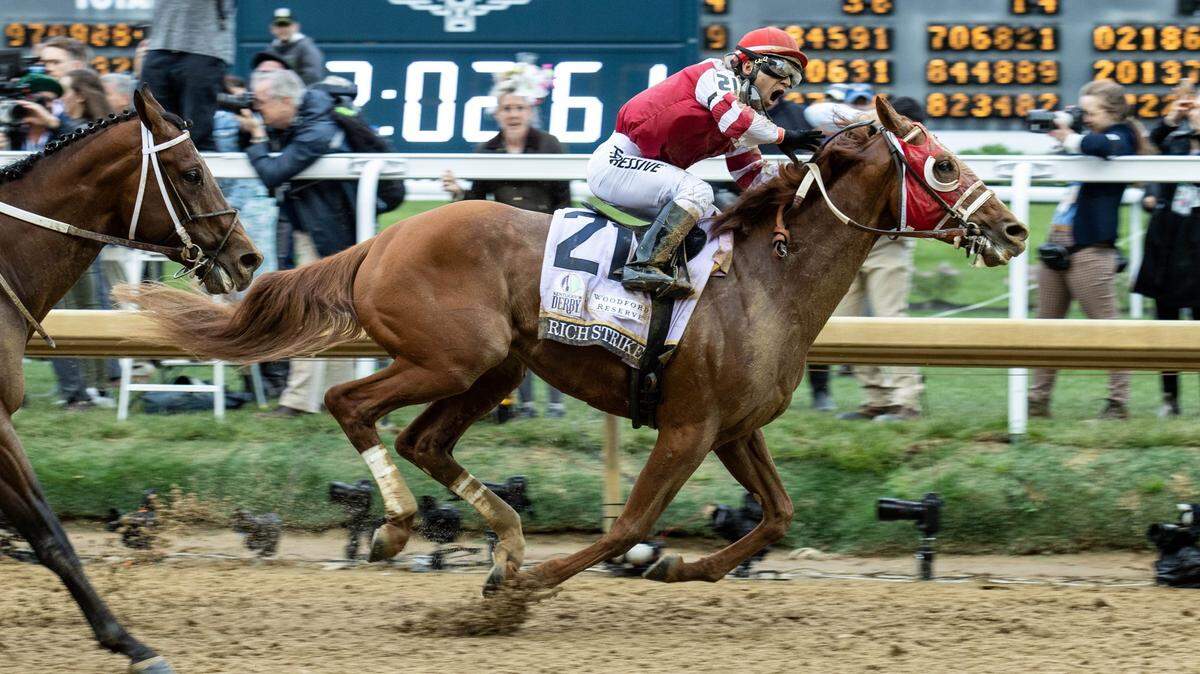
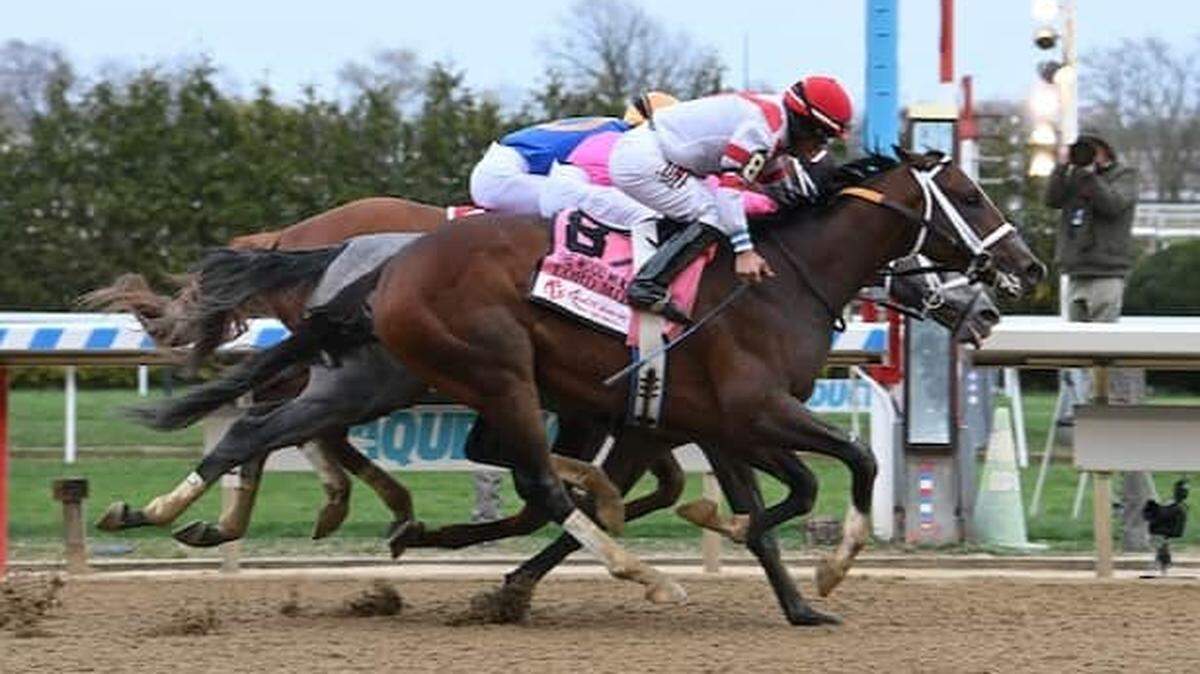
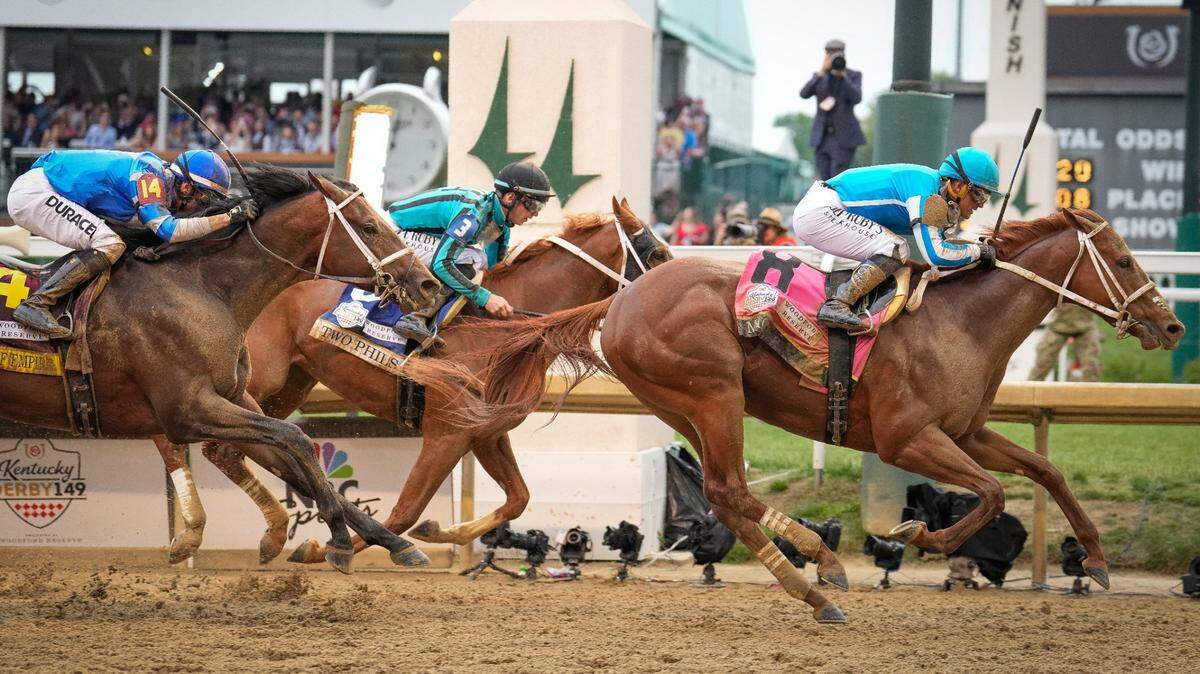
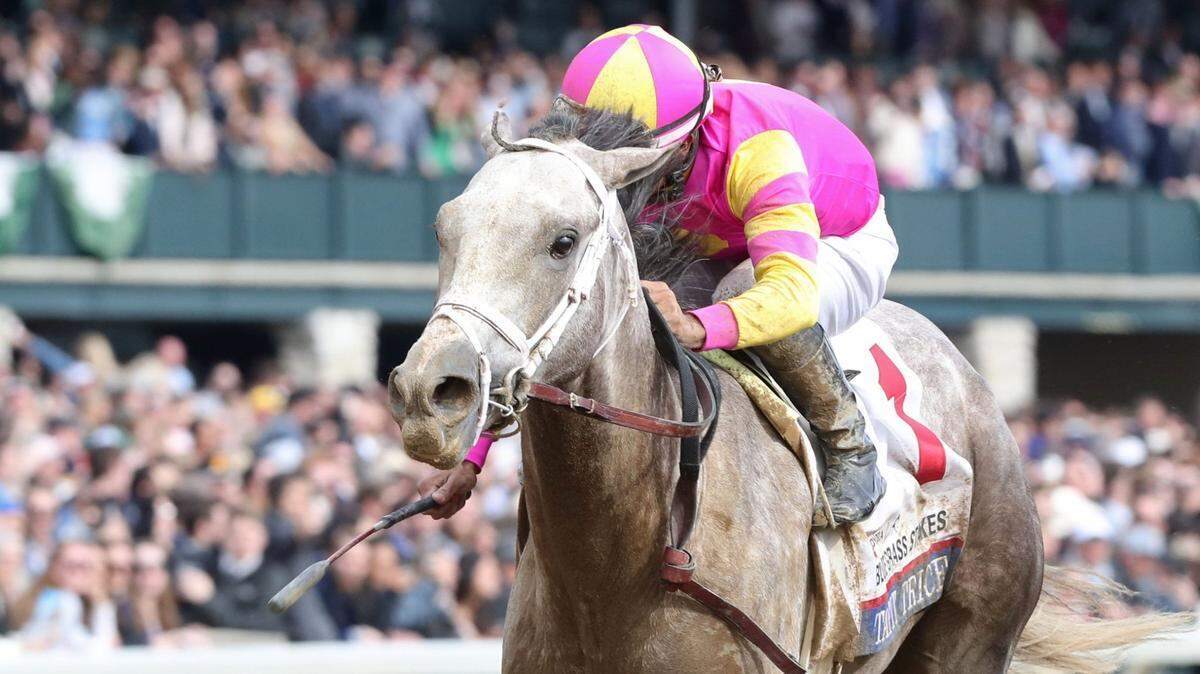
Jockeys have come under fire in the past for frequent use of the crop. Victor Espinoza was in the spotlight in 2015 for using a whip 32 times in one race on Kentucky Derby winner American Pharoah, the Courier Journal reported.
Espinoza was not sanctioned for his conduct in the race, according to previous Herald-Leader reports, but regulators have enforced rules since the 2022 reform. Jockey Juan Hernandez was fined $250 and suspended for one day for going one strike over the limit last October, the Thoroughbred Daily News reported.
In another October 2022 instance, a jockey and owner were made to reimburse purse money and “deemed unplaced” after a sixth-place finish for violating regulations on riding crop use, according to the Thoroughbred Daily News.
So how are jockeys allowed to use whips, and how are the riding crops themselves regulated? Here’s what to know, with information from Churchill Downs.
Riding crop regulations at the 2023 Kentucky Derby
Jockeys at the Kentucky Derby are allowed, but not required, to use a riding crop. Churchill Downs regulates this use, and all riding crops are “subject to inspection and approval by the stewards and the clerk of the scales,” according to the Churchill Downs house rules.
If a jockey chooses not to use a riding crop in any particular race, officials will announce it over the public address system.
Riding crops must meet the following specifications to be used during Thoroughbred racing, including training, the Churchill Downs website says:
▪ Maximum weight: 8 ounces;
▪ Maximum length, including flap: 30 inches;
▪ Maximum shaft diameter: 0.5 inch.
The only permissible item that may be attached to the crop is a flap, which must meet requirements set forth by Churchill Downs, including:
▪ Maximum length of flap from the end of the shaft: 0.5 inch;
▪ Minimum width: 0.8 inch;
▪ Maximum width: 1.6 inches;
▪ The flap may not have any reinforcements or additions;
▪ No binding is allowed within 7 inches of the end of the flap;
▪ “The contact area of the shaft must be smooth, with no protrusion or raised surface, and covered by shock absorbing material throughout its circumference,” the Churchill Downs website says.
Like the contact area, the flap must have shock-absorbing characteristics.
This is not an exhaustive list of requirements. For full details, check the Churchill Downs house rules page.
Regulations on using the whip
Electrical or mechanical devices may not be used to speed up or slow down a horse. A riding crop may only be used for “safety, correction and encouragement,” according to Churchill Downs.
Before hitting a horse, regulations require a rider to show it the crop first and give it a chance to respond. After using the crop, the horse should again be given the chance to respond before being hit again.
Riders shall also “use the riding crop in rhythm with the horse’s stride.”
A rider may not use a riding crop:
▪ On a horse’s head, flanks or any other area other than the shoulders or hind quarters, except when necessary to control the horse;
▪ During the post-parade or after the race, except when necessary for control;
▪ “Excessively or brutally”;
▪ In a way resulting in welts or breaks in the skin;
▪ “When the horse is clearly out of the race or has obtained its maximum placing,” or “Persistently even though the horse is showing no response under the riding crop.”
“After the race, a horse shall be subject to inspection by a racing official or veterinarian looking for cuts, welts or bruises in the skin,” the Churchill Downs website says. “Any adverse findings shall be reported to the stewards.”
Do you have a question about horse racing or the Kentucky Derby for our service journalism team? We’d like to hear from you. Fill out our Know Your Kentucky form or email ask@herald-leader.com.
This story was originally published May 4, 2023 at 1:15 PM.

.jpg)



.JPG)


.png)