
What are the 6 cases cited in Fayette Judge Julie Goodman impeachment effort?
READ MORE
Judge Julie Goodman impeachment
Former Kentucky state Rep. Killian Timoney filed a petition in January to impeach Fayette Circuit Judge Julie Goodman over her handling of six different cases in Lexington. Goodman and her legal team deny any misconduct, and other legal professionals have raised concerns about the possible precedent an impeachment could set.
Expand All
Kentucky lawmakers who impeached a Lexington judge last week cited six cases in the judge’s court as grounds for impeachment.
The cases — three criminal and three civil — date back to December 2023, when Fayette Circuit Judge Julie Muth Goodman dismissed a murder indictment and accused Lexington prosecutors of being racially biased against Black defendants.
Other cases in the impeachment petition included a fentanyl dealer sentenced to probation and a man released from prison despite having decades left on his sentence.
All six cases rulings were overturned by the Kentucky Court of Appeals. Three included intervention by Kentucky Attorney General Russell Coleman.
The impeachment petition was filed by Killian Timoney, a former GOP lawmaker who is seeking election again to the Lexington-area House seat he lost in 2024. Lawmakers overwhelmingly supported the impeachment, largely along party lines — just one Republican voted against the effort, and one Democrat voted in favor — arguing Goodman’s actions in those six cases rose to the level of judicial misconduct and misdemeanors in office.
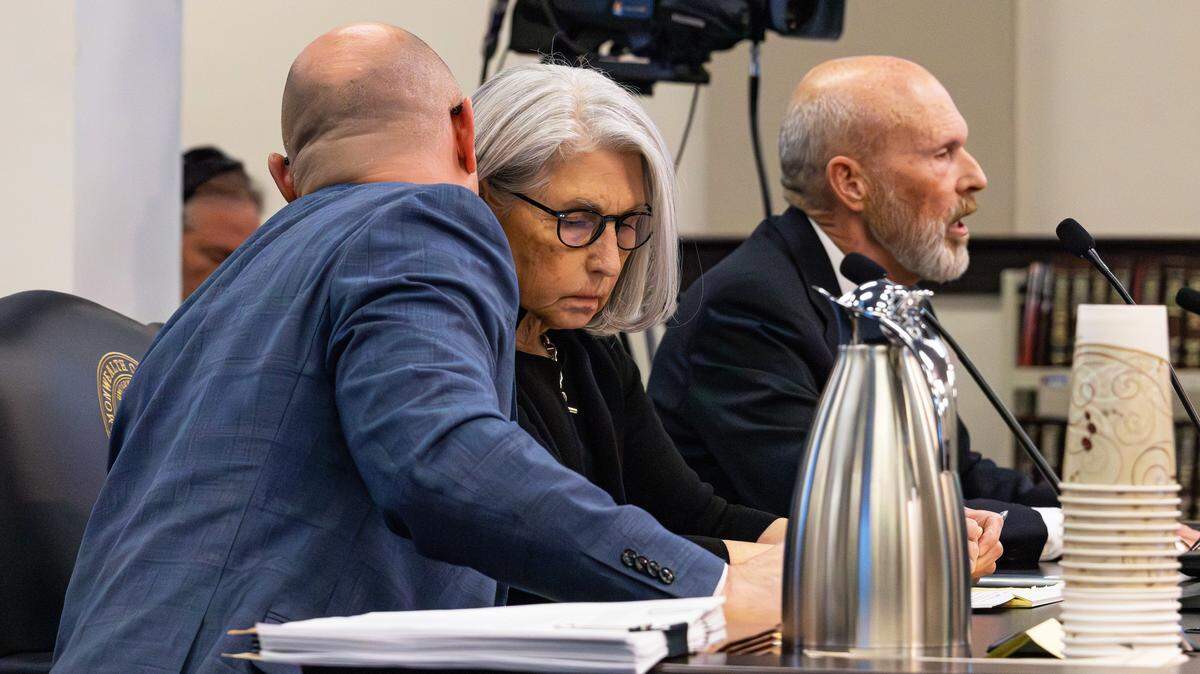
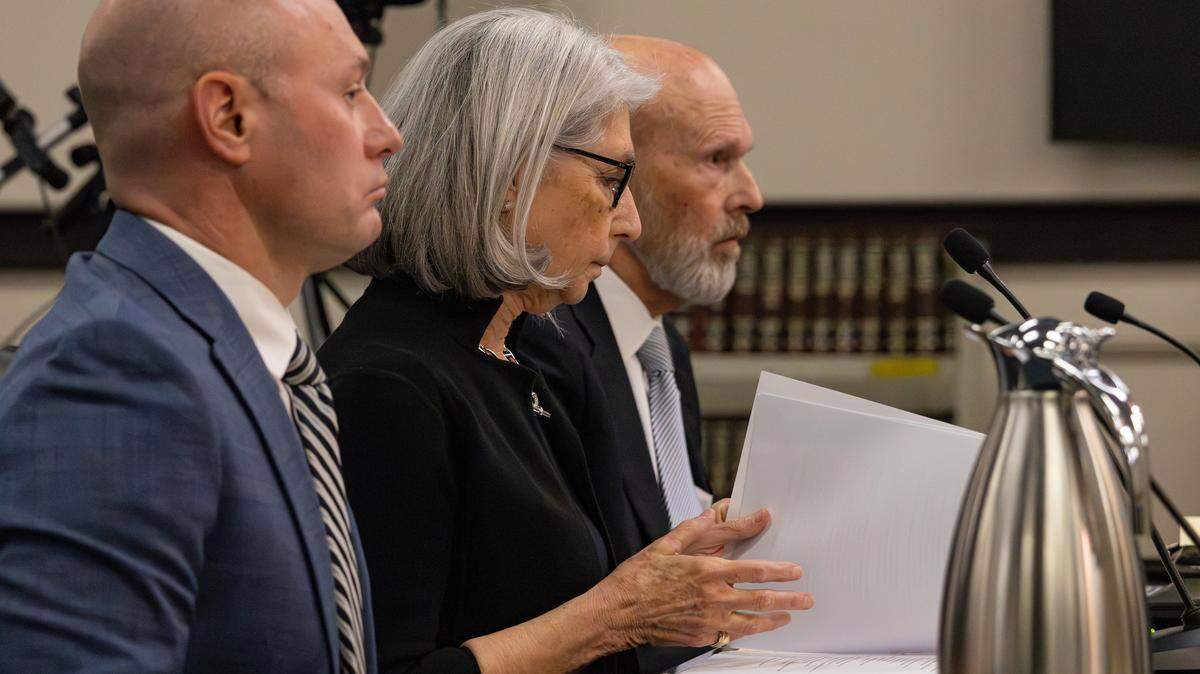
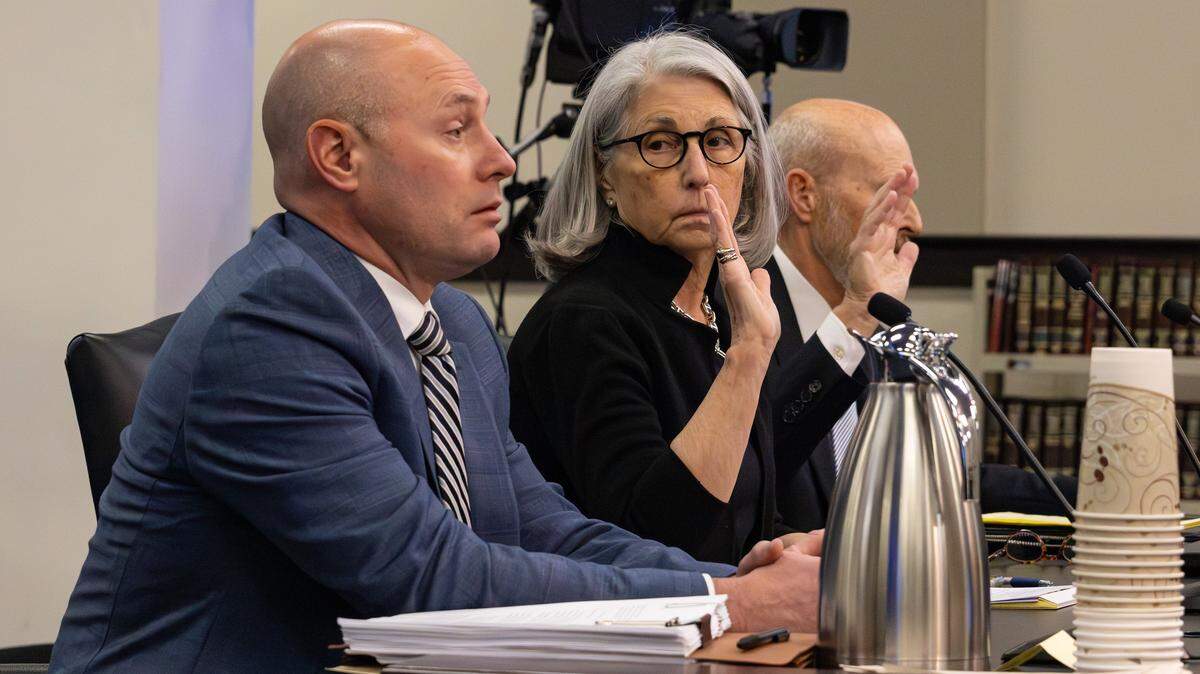
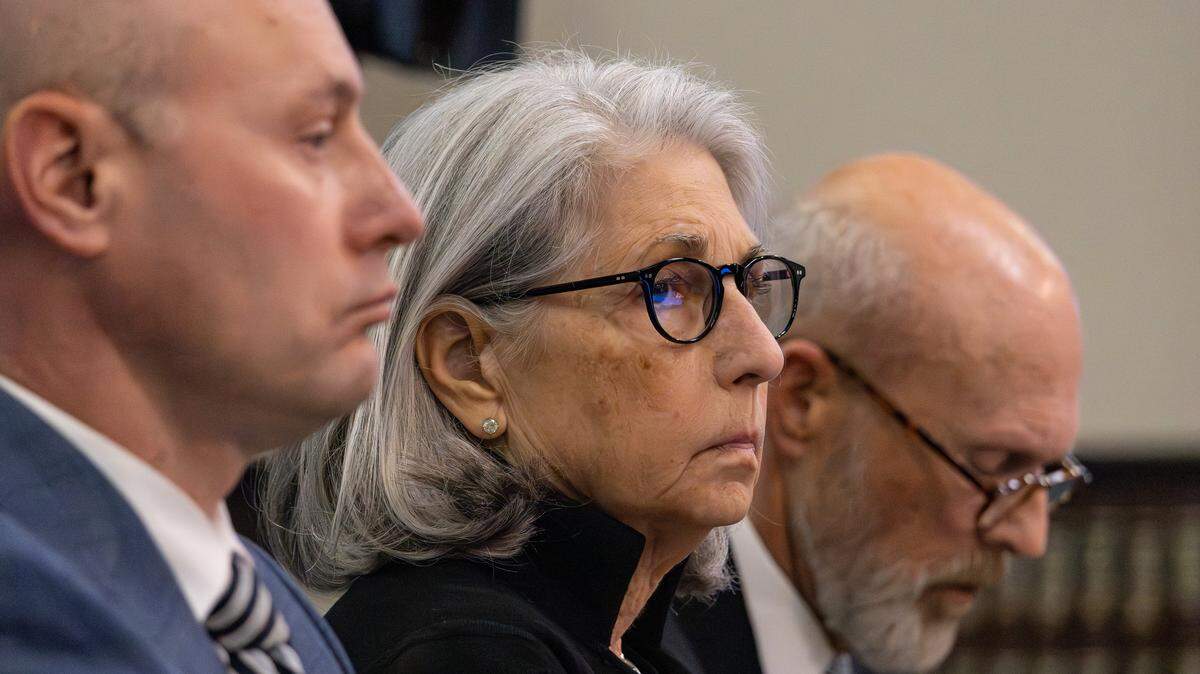
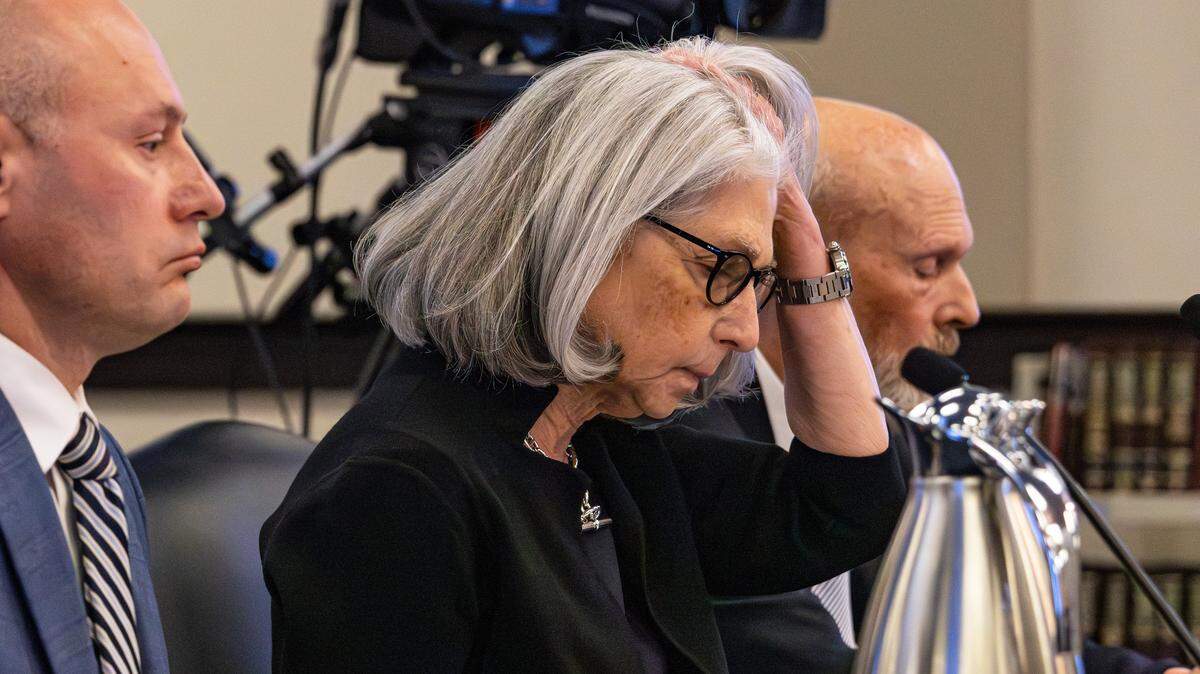
Goodman has said she cannot defend herself in the impeachment hearings because all but one of the cases is active, so she cannot ethically comment on them. She also argued the impeachment process violates her due process rights.
Goodman has served as a judge for 18 years in Central Kentucky, elected a total of six times between district and circuit court.
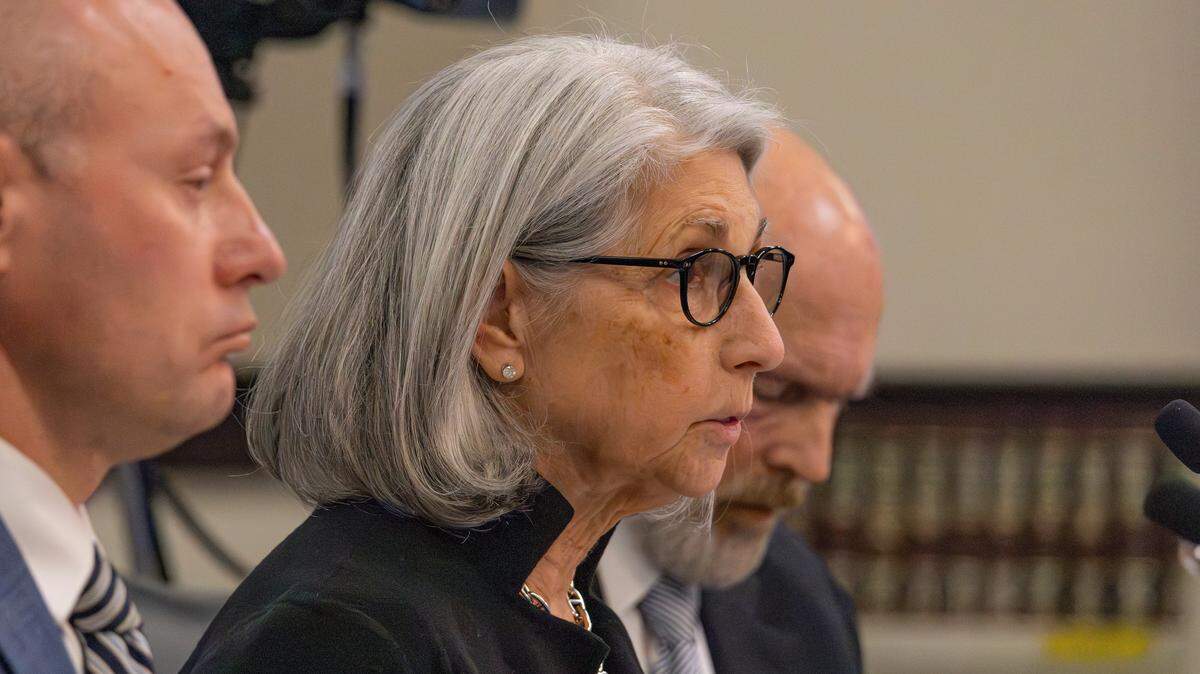
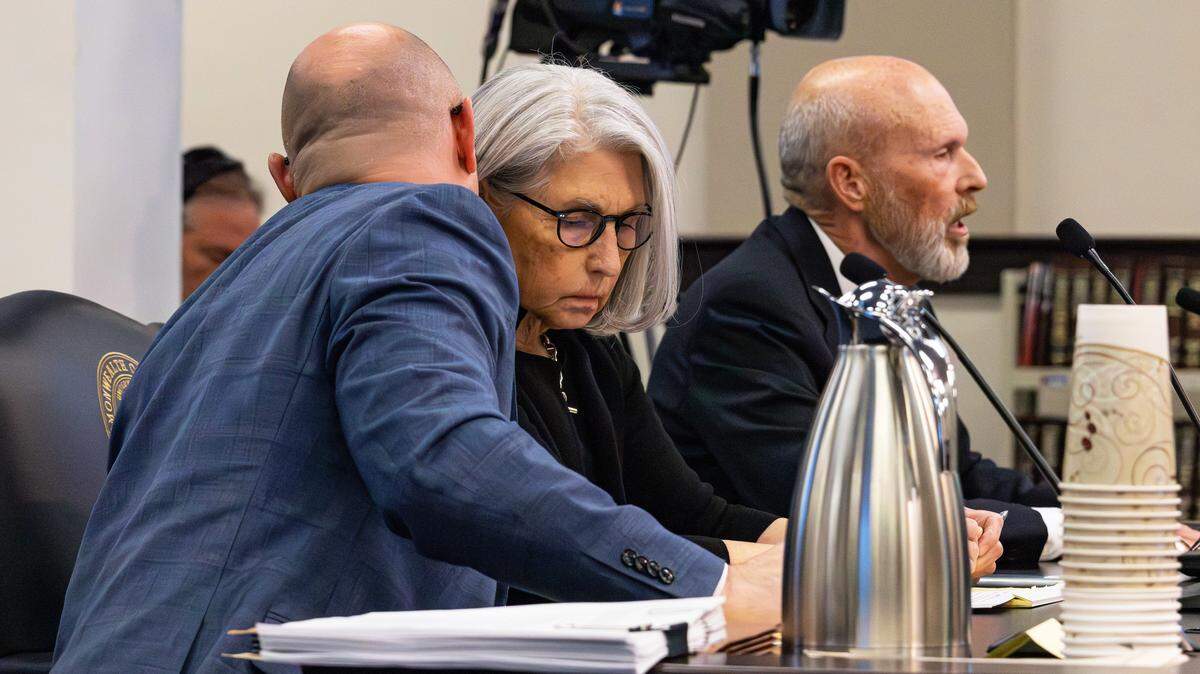
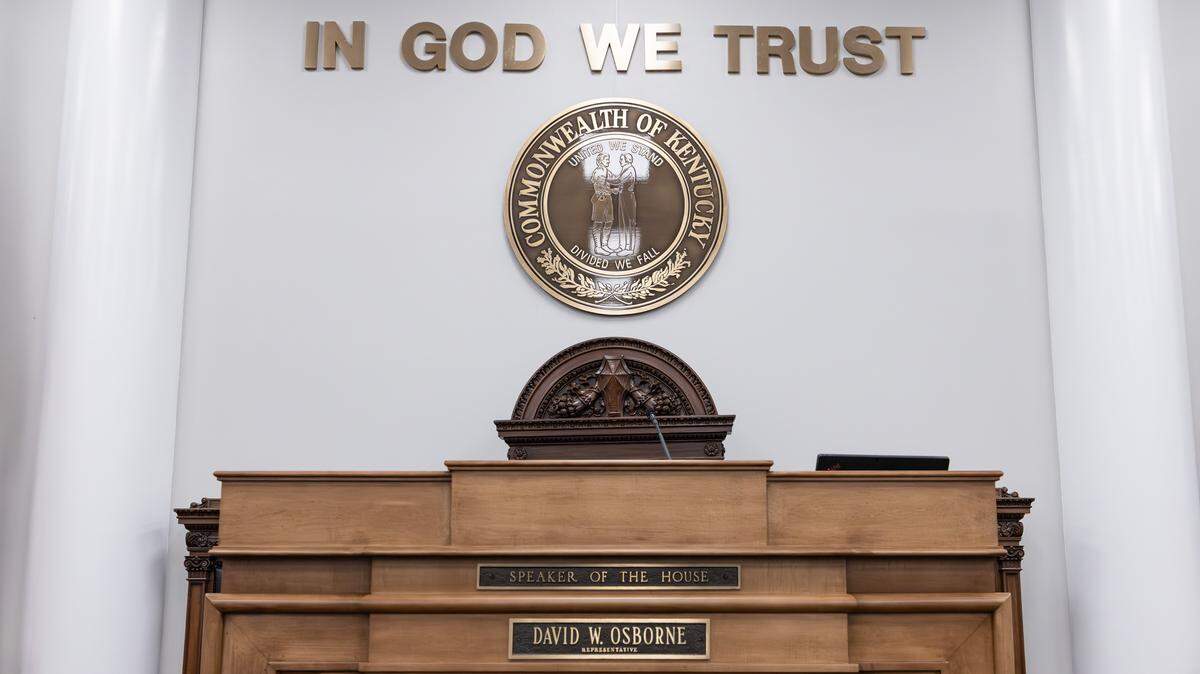
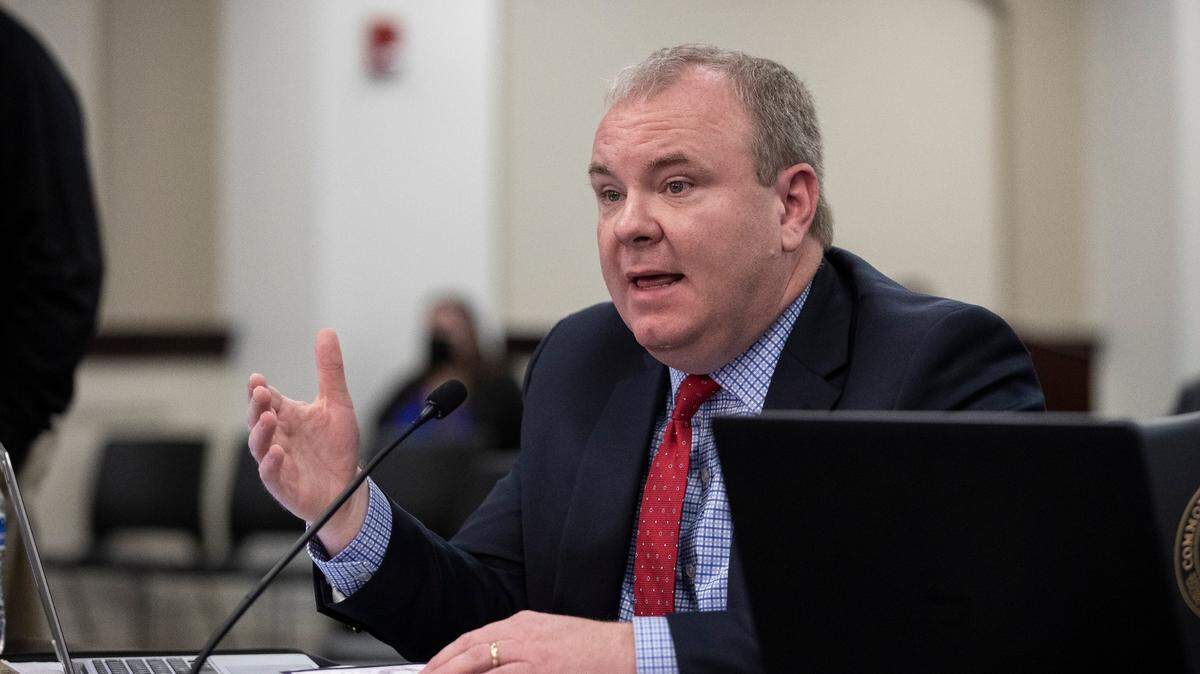
On Friday, the House voted 73-14 Friday to impeach Goodman. Rep. Jason Nemes, R-Middletown, served as chair of the impeachment committee, which first heard the case against Goodman. The case now heads to the Senate for a potential trial.
“This is about being a judge and doing justice, and doing your job,” Goodman said at the impeachment hearings. “I represent all citizens of this community when I call (lawyers) out for not doing their job. And if I am to be impeached for that reason ... then I can simply accept the results.”
If the Senate convicts Goodman, she would be removed from the bench, marking the first time that’s happened in Kentucky’s modern court system.
Here’s a breakdown of each case cited in the petition to impeach Goodman.
Cornell Thomas case
The first case that brought increased scrutiny to Goodman’s court was the 2020 murder case of Lexington man Cornell Thomas.
Thomas was indicted on a charge of wanton murder after a hit-and-run crash that killed former Fayette schools employee and mother Tammy Botkin.
But in December 2023, Goodman issued a 24-page opinion dismissing the indictment and arguing Thomas had been overcharged.
Further, Goodman accused Fayette Commonwealth’s Attorney Kimberly Baird’s office of misconduct for a “pattern” of seeking harsher punishments against Black defendants like Thomas.
Goodman wrote that in her then-15-year tenure on the bench, she “has noted a clear pattern of disparate charging decisions by the Commonwealth in which white defendants are charged with lesser offenses and given better offers than defendants of color.”
She cited statistics from the Kentucky Department of Public Advocacy that showed Black defendants account for nearly 36% of defense clients despite making up only 15% of Lexington’s population, and they’re charged with felonies at a “grossly disproportionate rate.”
Baird, who is also Black, sought to overrule Goodman’s dismissal, and in June 2024, Coleman joined that effort. In December 2025, the court of appeals reversed Goodman’s decision in a scathing 108-page opinion that demanded Thomas face a trial.
Kentucky lawmakers who supported Goodman’s impeachment argued that by dismissing the indictment, the judge improperly disregarded the role of Kentucky’s grand jury system.
The only public comment Timoney has issued since filing the impeachment petition was a Facebook post about the Thomas case. He did not attend Goodman’s impeachment proceedings, and he did not respond to Goodman’s request, filed in Franklin Circuit Court, to stop the impeachment process.
“Tammy Botkin and her family members deserve justice,” Timoney wrote in the post. “They shouldn’t be required to wait more than a half-decade before the case goes to trial, but that’s where we are because of how badly Judge Goodman botched this case.”
Goodman could not publicly comment on this case after the court of appeals ruling, or during the hearing against her when asked.
The Kentucky Supreme Court is considering whether to hear Thomas’ case.
Caitlin Huff case
In May 2023, Caitlin Huff sued University of Kentucky HealthCare for medical malpractice, arguing that hospital staff failed to recognize her condition, or its severity, until it was too late, leading to her paralysis.
More than 20 doctors, health care providers and administrators were listed as defendants in the lawsuit. However, UK argued they had “sovereign immunity” — a legal doctrine that says government and state agencies are largely immune from criminal or civil liability — and that the allegations did not apply to them.
The university sought to dismiss the suit, citing a 30-year precedent set in Withers v. University of Kentucky that established sovereign immunity for the health care system.
Goodman rejected the university’s claim and instead said the precedent established in the Withers opinion should be revisited by the state’s highest court.
The court of appeals, in overturning the decision, noted that Goodman made comments that she thought the Withers precedent should be reversed, and that UK should not qualify for sovereign immunity. According to court transcripts, she said she was going to “bite the bullet” in her ruling in hopes the precedent would be reversed.
Those comments were a focus for Nemes, the chair of the impeachment committee, during last week’s proceedings, as he argued Goodman was ignoring the higher court’s rulings and in favor of her own opinion.
“What we have here is a judge’s own words, where she said, ‘I don’t agree with it, so I am not going to follow it,’” Nemes said before the committee.
Goodman said she believed that Nemes misstated what Goodman ruled at the time but that she could not comment further on her ruling or the case because it remained pending.
The Kentucky Supreme Court has agreed to hear Huff’s case.
Gregory Simpson case
Another civil case in the impeachment petition involves a Louisville man named Gregory Simpson.
Simpson had 17 felony convictions dating back to 1997, including for theft, evading police, and assault. On several occasions, he was released on parole before landing back in jail for another low-level felony.
Those previous convictions meant Simpson was slapped with persistent felony offender status by the state, a statute that can double or triple the maximum sentence for a crime if a person repeatedly breaks the law throughout their lives.
When factoring in the parole violations, by last year Simpson had accumulated a total prison sentence of 42 years for a litany of crimes. But last September, he filed a legal document known as a writ of habeas corpus petition, which argues a prisoner is being illegally detained.
He argued his sentence was unlawful and that he should have to serve only a maximum sentence of 20 years. He cited new case law established by the Kentucky Supreme Court that determined a Kentucky man had been over-sentenced for several shoplifting incidents in Boyd County.
In January 2024, Goodman sided with Simpson and ruled his sentence was unlawful.
A bond was set for Simpson, and he was placed on home incarceration with an ankle monitor for the final 21 years of his sentence. Warden Abigail Caudill, who housed Simpson at Lexington’s Blackburn Correctional Complex, appealed the decision, arguing Simpson had misinterpreted the case law.
Coleman’s office joined the effort and asked for Simpson’s bond to be revoked. And the court of appeals agreed — partially.
They ordered Simpson back into custody but denied the attorney general’s request for his bond to be revoked. Goodman complied with the decision and reversed her approval of Simpson’s petition.
But there was yet more legal wrangling.
With Simpson’s bond still in place, Goodman argued he could not be placed back in custody. Goodman wrote to the appeals court seeking clarification on how to proceed with two conflicting, higher court rulings.
But that clarification could have taken days, or even weeks. Ultimately, the court of appeals reversed Goodman and ordered him back to prison in August 2024. Goodman complied and ordered him back to prison two days later.
Coleman and Timoney both argued Goodman intentionally tried to go around the higher court’s ruling, but Goodman said previously that wasn’t the case.
“Nothing could be further from the truth,” Goodman wrote at the time. “Rather, (my) orders were entered in good faith with the full intent of complying with the mandates of the Appellate Court while allowing the Defendant his right to remain out on bond ... pending his appeal.”
Goodman said she was not able to speak on the Simpson case, because it remained active.
However, court documents show that the Kentucky Supreme Court denied Simpson’s request to hear his case. The court of appeals’ ruling placing him back in state custody remains in place.
James Harvey Hendron case
In June 2024, Goodman made a surprise ruling that granted a new trial for a man convicted of murder.
James Harvey Hendron, 53, was convicted of killing his son in 2018 in Lexington, and a jury in February 2024 recommended he receive a life sentence.
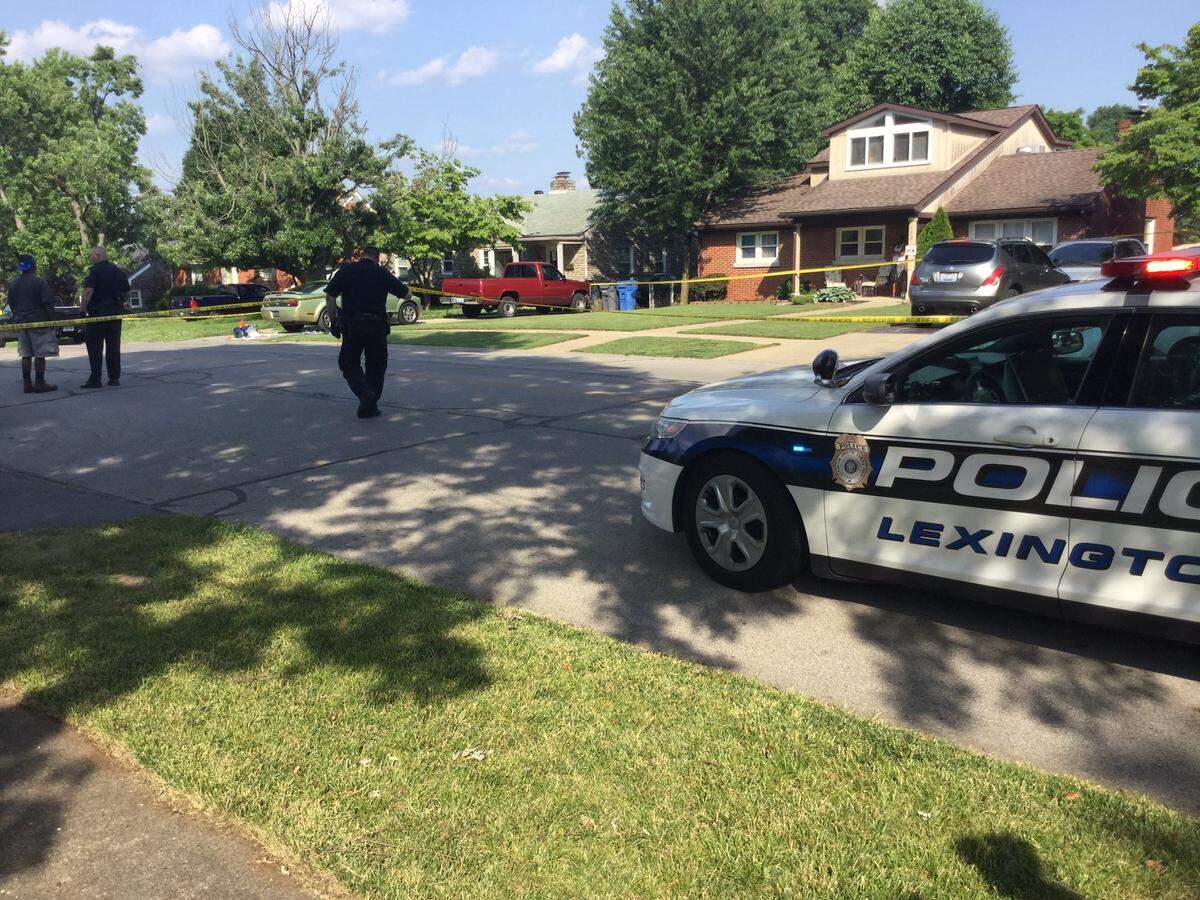
But on the day of sentencing, Goodman ruled that because of prosecutorial misconduct during the trial, she was ordering a new trial.
The order prompted an outcry in the courtroom that required removing the victim’s family from the gallery.
Before the trial and sentencing, prosecutors twice requested Goodman recuse herself from the case, but she declined. They argued she could not be fair or impartial because of her previous rulings and statements she’d made toward prosecutors, including her claim of racial bias in Thomas’ case.
The case was sent to the court of appeals, which again overturned Goodman’s decision and said she “abused her discretion.”
Baird and Coleman sent out a joint news release commending the court of appeals’ decision.
This struck Ed Monahan, who from 2008 to 2017 was director of the Kentucky Department of Public Advocacy, which provides defense attorneys to indigent defendants as odd.
“Sending out a press release when challenging a judge’s decision is seldom done in my experience,” Monahan told the Herald-Leader in August 2024. “Some could see it as unfair for a litigator to release a press release about a judge’s action when judges are ethically constrained from commenting publicly about matters before them.”
Hendron’s sentencing is scheduled for June 4 in Goodman’s court.
Domonick Jones case
In August 2024, Coleman’s office announced it was appealing Goodman’s decision to sentence to probation a man who pleaded guilty to felony drug charges for trafficking fentanyl.
Domonick Jones was arrested in October 2023 after Kentucky State Police found 75 grams of fentanyl in his car during a traffic stop. He was charged with a Class B felony — the second-most serious in Kentucky — but eventually pleaded guilty to a Class C felony.
Prosecutors recommended a prison sentence of five years, but Goodman instead sentenced Jones to probation, which neither prosecutors nor probation officers objected to at the time.
Prosecutors later argued that the sentence broke state law, as it was more lenient than sentencing guidelines allowed. With Baird’s help, Coleman’s office appealed the sentence.
Baird and Coleman sent another joint news release announcing the court of appeal’s reversal.
Nemes and Timoney argued the case was an example of Goodman running afoul of Kentucky law — particularly sentencing guidelines.
The court of appeals, in an order reversing the decision, send the case back to Goodman’s court on March 5.
Jones’ case was the only one of the six in the impeachment petition that has been resolved.
At the impeachment proceedings, Goodman said she had to enter an order to be able to pass the case on to another judge. She also said that Nemes was taking the order out of context.
Jones’ re-sentencing is scheduled for April 16.
Kenneth Ain case
In February 2025, the Kentucky Supreme Court removed Goodman from presiding over a civil discrimination case against UK after they ruled her impartiality could be questioned.
In the high court ruling, Supreme Court Deputy Justice Robert Conley ruled Goodman’s comment at a hearing one year earlier that there was a “continuing danger on a daily basis that this court, unfortunately, feels like it has to be the sole protector” of the doctor suing the university for discrimination could be considered biased.
The case involved Dr. Kenneth Ain, a board-certified endocrinologist, who filed a complaint against the University of Kentucky and four employees in September 2023.
An employee at the university for nearly 33 years, Ain alleged UK engaged in unlawful employment practices, including discrimination based on disability and age, fraud, retaliation, breach of contract, defamation, and intentional infliction of emotional distress.
He claimed UK failed to provide reasonable accommodations for his Autism Spectrum Disorder, subjected him to a hostile work environment, and wrongfully suspended him, which jeopardized patient care and his professional reputation.
Ain resigned in March 2024. He went on to file two amended complaints in January and June 2025 accusing the university and a total of 10 employees of further harassment.
The complaints also listed UK’s lawyers as defendants in his suit. Before the Supreme Court intervened, UK’s general counsel filed their first motion for Goodman to recuse herself in August 2024, claiming she lacked impartiality and made “critical” opinions of the legal team, including acting in bad faith, violating the law, tampering with witnesses, and interfering in this litigation.
The first recusal request was three pages. Another motion calling for Goodman’s recusal came just a month later by university counsel, and it was expanded to 19 pages.
This time, the attorneys for UK said Goodman threatened to remove them as counsel, which would have a “devastating impact on the University’s ability to defend itself, not to mention the significant time and expense to hire new counsel and get them up to speed on this tangled case,” court documents read.
They said the threat to be removed as counsel went against the code of judicial conduct and Goodman mischaracterized claims to support her theory.
Goodman also exchanged emails with Ain and his attorney about court matters, which UK’s lawyers said could be interpreted as biased.
Goodman refused to recuse herself. In her own order filed in October 2024, she said hostile comments were not enough to establish bias or prejudice, and she noted that her emails with Ain and his attorney also included UK’s lawyers.
Further, she referenced her extensive docket, which contains other cases involving UK where prejudice and bias were not in question.
Ain’s attorney, James Morris, argued that the request for Goodman’s recusal was notable because it came soon after Goodman determined UK had violated Kentucky’s Open Records Law when it failed to give Ain thousands of documents he requested in relation to his case.
Morris also filed an affidavit with the impeachment committee in an attempt to speak on Goodman’s behalf last week. He even showed up to her hearing but was not allowed to speak before the board, he told the Herald-Leader.
He said that what was discussed at the hearing did not accurately represent what happened in his client’s case.
A hearing is scheduled for March 27 in Ain’s case. It is now in Fayette Circuit Judge Lucy VanMeter’s court.
This story was originally published March 24, 2026 at 1:09 PM.

.jpg)