
Dozens of KY lawyers say ‘dangerous precedent’ could be set with impeachments
READ MORE
Judge Julie Goodman impeachment
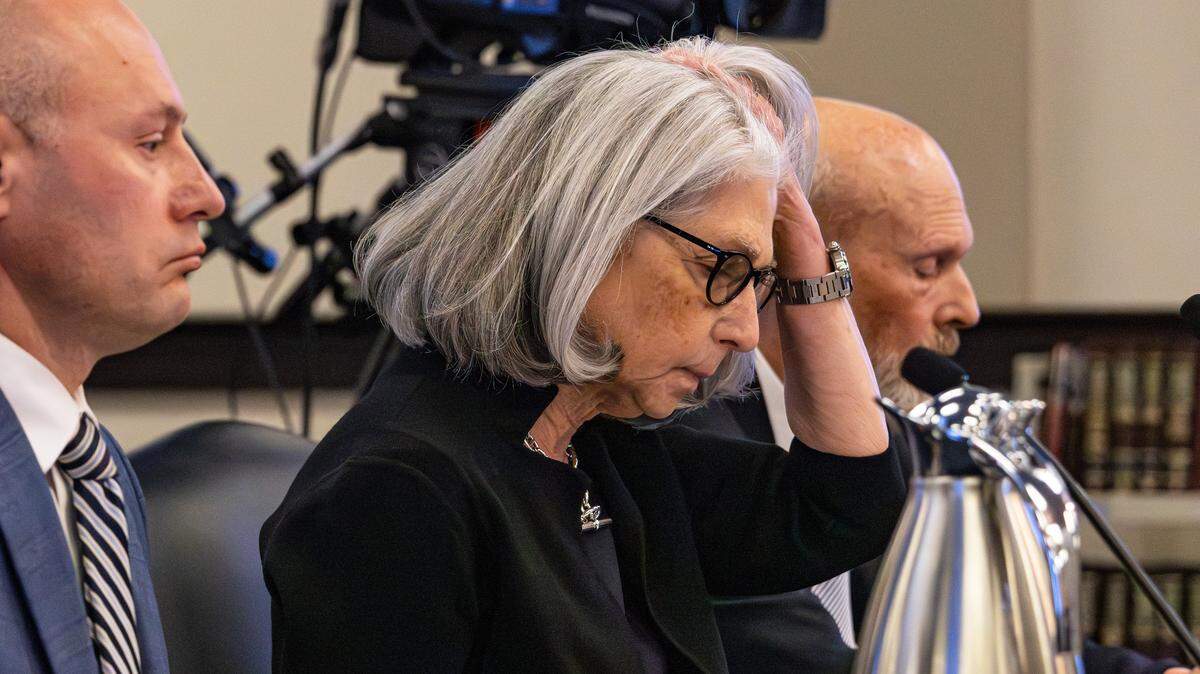
Former Kentucky state Rep. Killian Timoney filed a petition in January to impeach Fayette Circuit Judge Julie Goodman over her handling of six different cases in Lexington. Goodman and her legal team deny any misconduct, and other legal professionals have raised concerns about the possible precedent an impeachment could set.
Expand All
Nearly 70 Kentucky lawyers have signed a letter pushing back against impeachment hearings scheduled to be held this week against a Fayette Circuit Court judge.
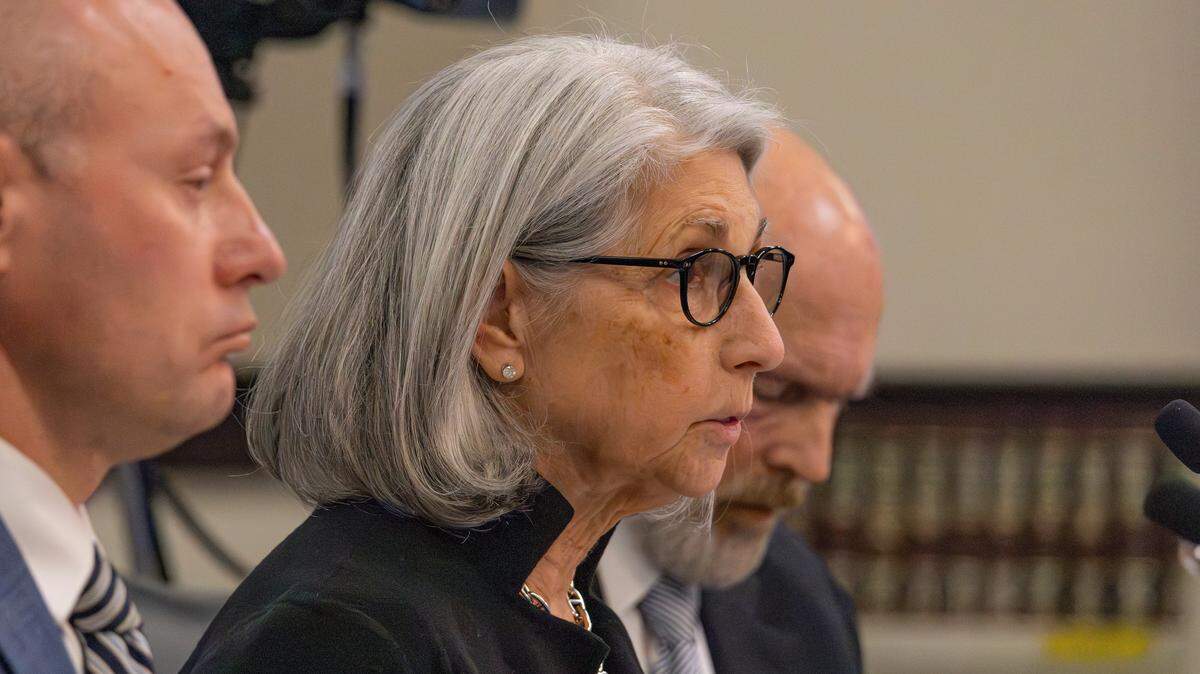
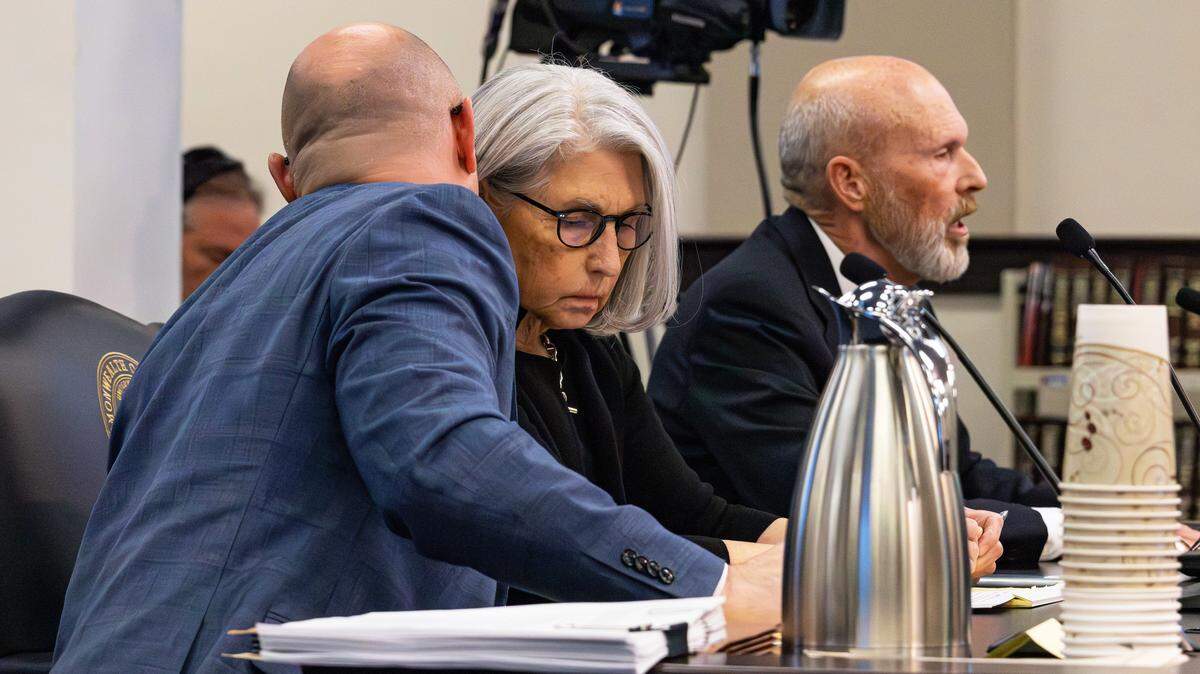
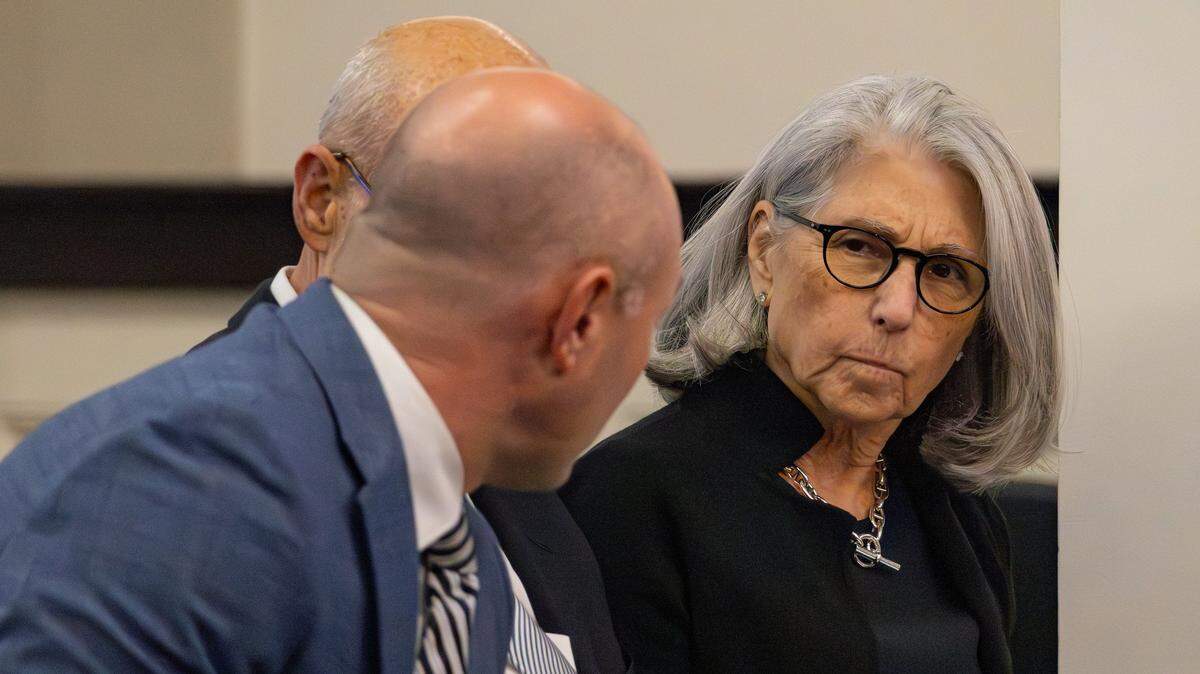
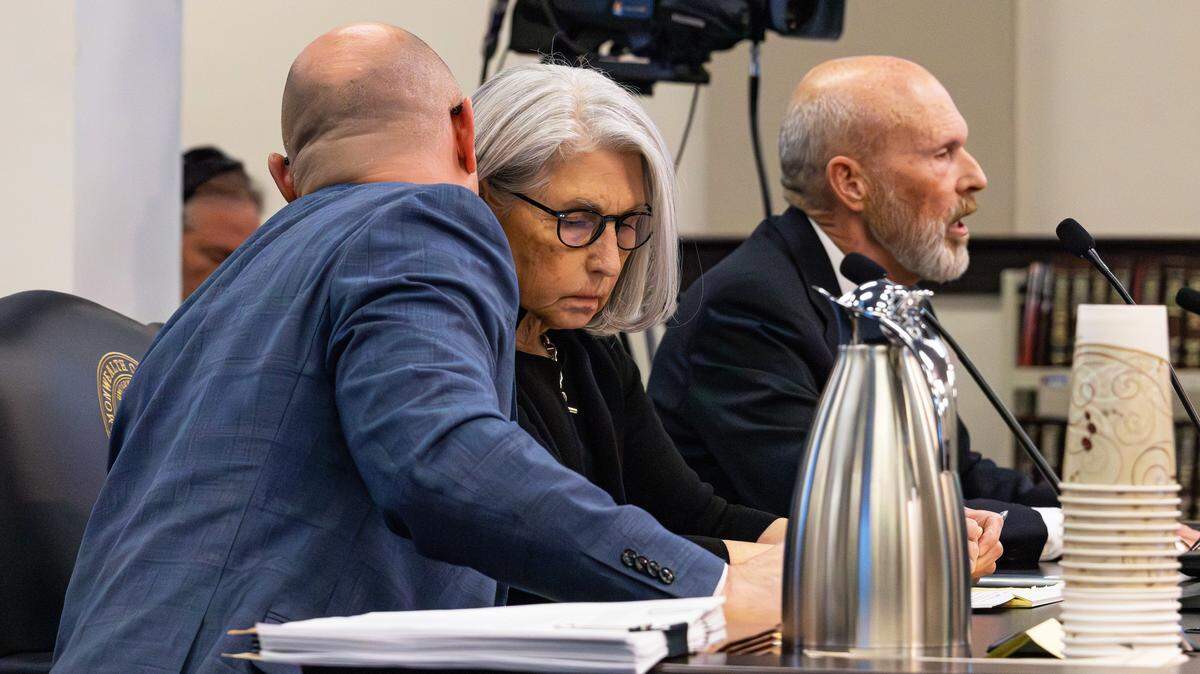
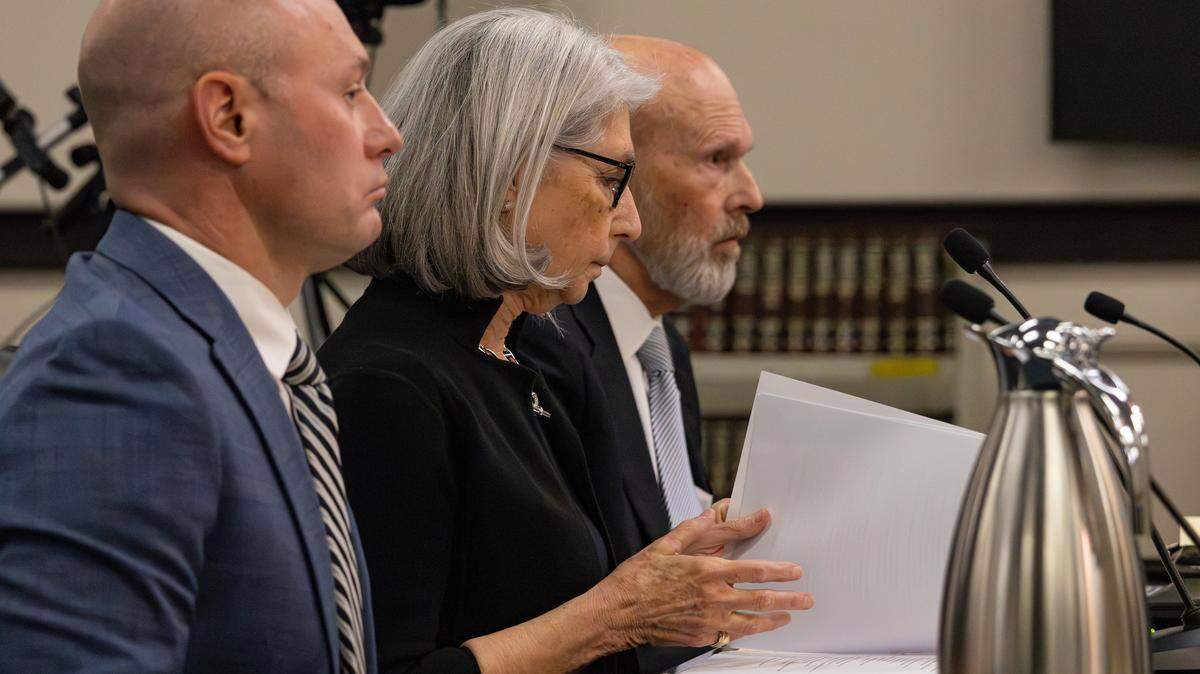
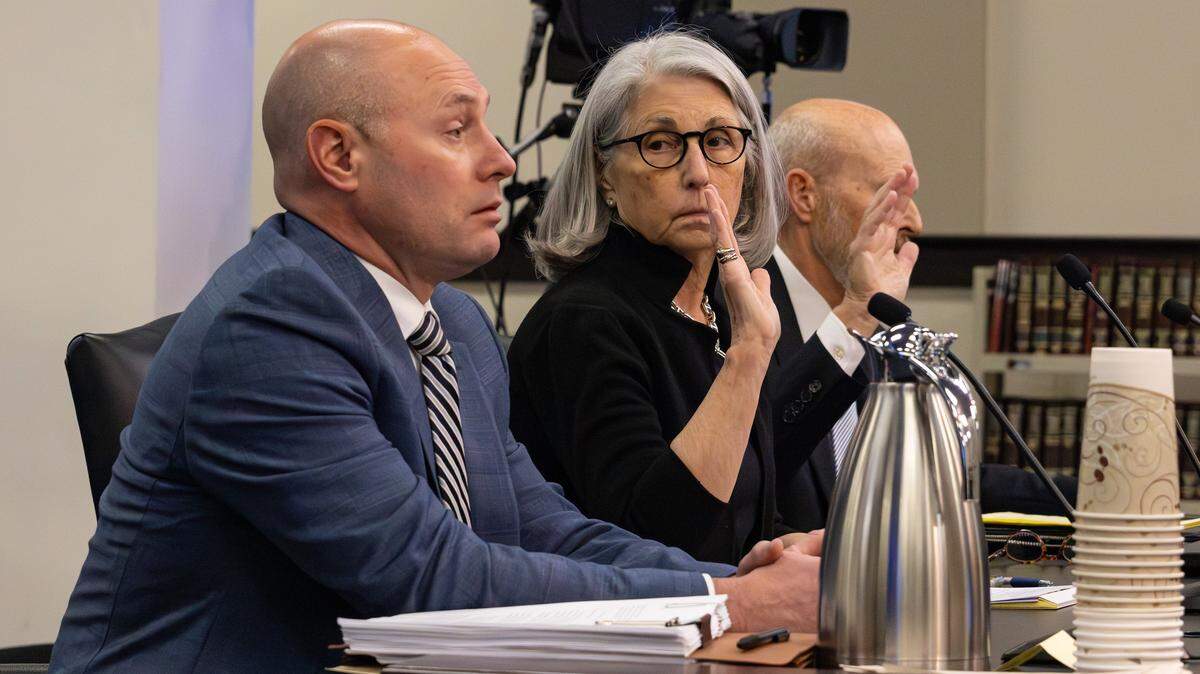
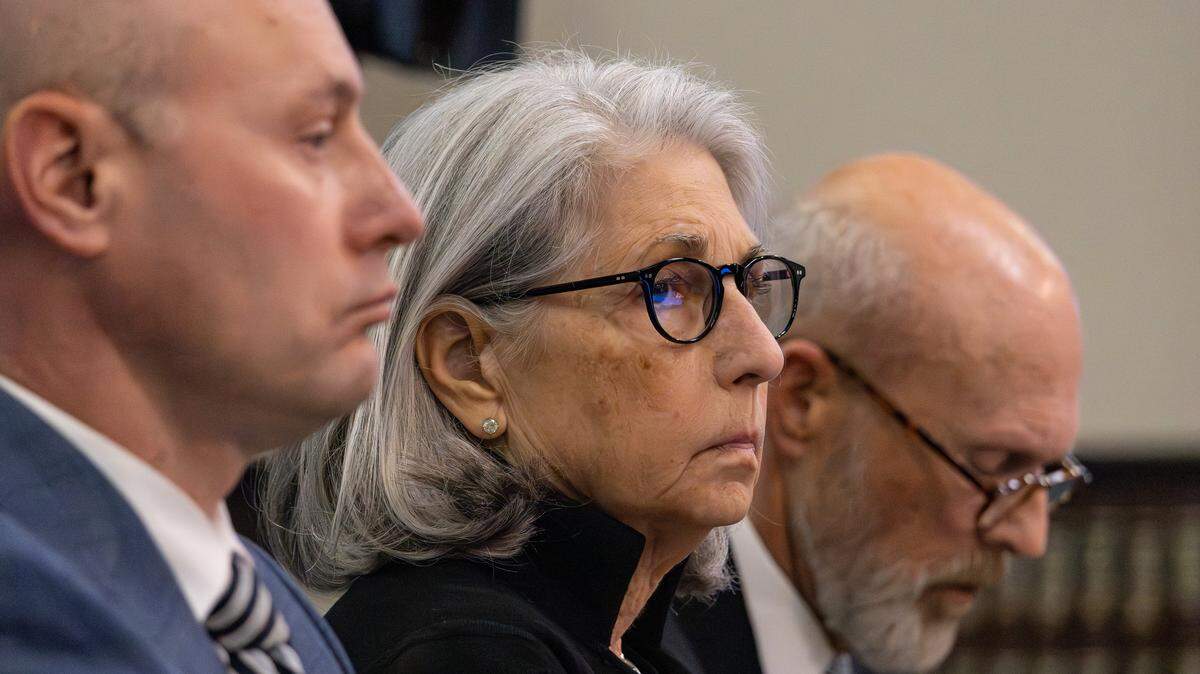
The state’s impeachment committee will hold a hearing Monday morning to determine whether they should recommend impeaching Fayette Circuit Judge Julie Muth Goodman, who has served in the position since 2019 and practiced law for more than 40 years.
An impeachment petition was filed against her by a former Republican representative, Killian Timoney, who is seeking to be elected to the state House again after a previous defeat. His January petition claims Goodman violated the law in rulings handed down in six different cases.
But attorneys who signed the petition said their doing so was not in regard to whether Goodman was right or wrong, but to say the impeachment hearing process could be a constitutional infringement on separation of powers between government branches.
In the 234 years since Kentucky’s inception as a commonwealth, the House has never impeached a sitting judge on a petition based upon a disagreement with judicial rulings.
The attorneys are asking if Goodman is being threatened with impeachment because her rulings are illegal, or instead because they are unpopular.
“... The issue is not a left vs. right, Republican vs. Democrat, or prosecution vs. defense issue,” the 11-page letter reads. “Indeed, (it) is much larger. Separation of powers, equal branches of government, and judicial independence are cornerstones of the constitutional democracy that we enjoy as Americans. These concepts are empty of meaning if the Committee impeaches a duly elected Judge based upon a handful of unpopular or controversial decisions.”
How Goodman came before the committee
Timoney, a Jessamine County resident, filed the petition in January arguing that Goodman abused her judicial authority and undermined public confidence in the courts in a way that constitutes “misdemeanors in office.”
He cited six cases that he believes warrant her impeachment. He wrote that the grounds for impeachment include “refusal to obey legal precedent, outrageous demonstrations of bias, disregard of the separation of powers and an egregious pattern of judicial activism.”
The first of those rulings from Goodman was recently overturned in a scathing opinion issued by the Kentucky Court of Appeals in December.
Goodman dismissed the case of Cornell Thomas, 39, who was charged with wanton murder in a June 2020 car crash near Leestown Road that killed Tammy Botkin, a 50-year-old Lexington woman.
She dismissed the case in 2023, arguing Thomas was overcharged because of his race. In her order, she accused Fayette County prosecutors of systemic racial bias.
Attorney General Russell Coleman intervened and sent the case to the court of appeals. This intervention was one of three Coleman’s office oversaw against Goodman in the span of months. These same three cases were mentioned directly in Timoney’s appeal.
Coleman’s office says it did not help Timoney write his petition.
In her initial response to the petition, Goodman said Timoney’s submission was deficient, lacking an affidavit to make it legitimate for consideration.
Goodman and her attorneys argue that Timoney highlights only six specific cases of Goodman’s nearly 72,000 in 18 years in office. They also argue the petition lacks explanation of a misdemeanor committed in office necessary for impeachment.
Goodman filed a lawsuit against lawmakers and Timoney last week that asked a judge to issue an emergency injunction to stop the proceedings, saying they violated her due process rights.
Franklin Circuit Judge Phillip Shepherd declined to grant a hearing on those issues before Monday’s proceedings, instead scheduling the case for a status conference the following day, March 17.
Shepherd said ordering the hearing could be an “intrusion into the legislative branch.” He summarized in his order that he couldn’t prevent hearing from happening, but could hear about concerns after the fact if there were procedural problems.
The hearing is scheduled to begin at 9 a.m. Already, the committee has received a written statement from one of two witnesses against Goodman, Fayette Commonwealth’s Attorney Kimberly Baird. Baird has asked the committee to remove Goodman from office.
“In review of Judge Goodman’s behavior on the bench, there is a true appearance of partiality, and no public confidence in the integrity of the judicial process, for this office or any victims that come before her,” Baird wrote. “That trust and confidence cannot be restored.”
Baird supplied nearly 400 pages of court transcripts, which she said would demonstrate the “rude” and “condescending” nature of Goodman’s comments to prosecutors in her court.
What local attorneys say about the proceedings
In their letter submitted to the committee, the 66 attorneys say the proceedings could set a dangerous precedent by repealing the “will of the voting public.”
Most of the signatures on the letter are that of defense attorneys, but others include members of the public who are involved in the justice system in some way.
It cites statements from former Chief United States Supreme Court Justice William Rehnquist and current chief, John Roberts.
Rehnquist said judges’ rulings from the bench would not be a basis for removal from office by impeachment.
“This only makes sense, for if the impeachment process is used to punish Judges for their rulings, the vital independence of the judicial branch will be irreparably threatened,” the attorneys’ letter agrees.
Roberts is cited from a May 2025 Associated Press article as saying, “For more than two centuries, it has been established that impeachment is not an appropriate response to disagreement concerning a judicial decision. The normal appellate review process exists for that purpose.”
A longtime Kentucky lawyer recognized as an expert on ethics and professional responsibility, Hon. Peter Ostermiller, reviewed Goodman’s petition and response and determined the conduct “does not even violate the Kentucky Code of Judicial Conduct.”
Russ Baldani, a Lexington defense attorney, said the procedure of impeaching a judge is “uncharted waters,” but that it could have lasting ramifications. He helped draft the letter sent to the committee, and signed it.
“There is a lot of people who signed this who believe in the rule of law, and constitutional democracy, and they believe that impeaching a judge for controversial rulings, that is a horrendous precedent,” Baldani told the Herald-Leader.
Clay Goodman, Julie Goodman’s son, said in a letter to the Herald-Leader that the impeachment effort is political and stems from “someone’s personal vendetta fueled by an embarrassing amount of resentment toward a good Judge.”
“She loves her profession, it defines her, and the positive impact she has made on our community is why she has continued to serve us these last 18 years,” Clay Goodman wrote.
This story was originally published March 15, 2026 at 1:56 PM.


.jpg)