
What’s next for Lexington prosecutor, Judge Goodman after impeachment effort?
READ MORE
Judge Julie Goodman impeachment
Former Kentucky state Rep. Killian Timoney filed a petition in January to impeach Fayette Circuit Judge Julie Goodman over her handling of six different cases in Lexington. Goodman and her legal team deny any misconduct, and other legal professionals have raised concerns about the possible precedent an impeachment could set.
Expand All
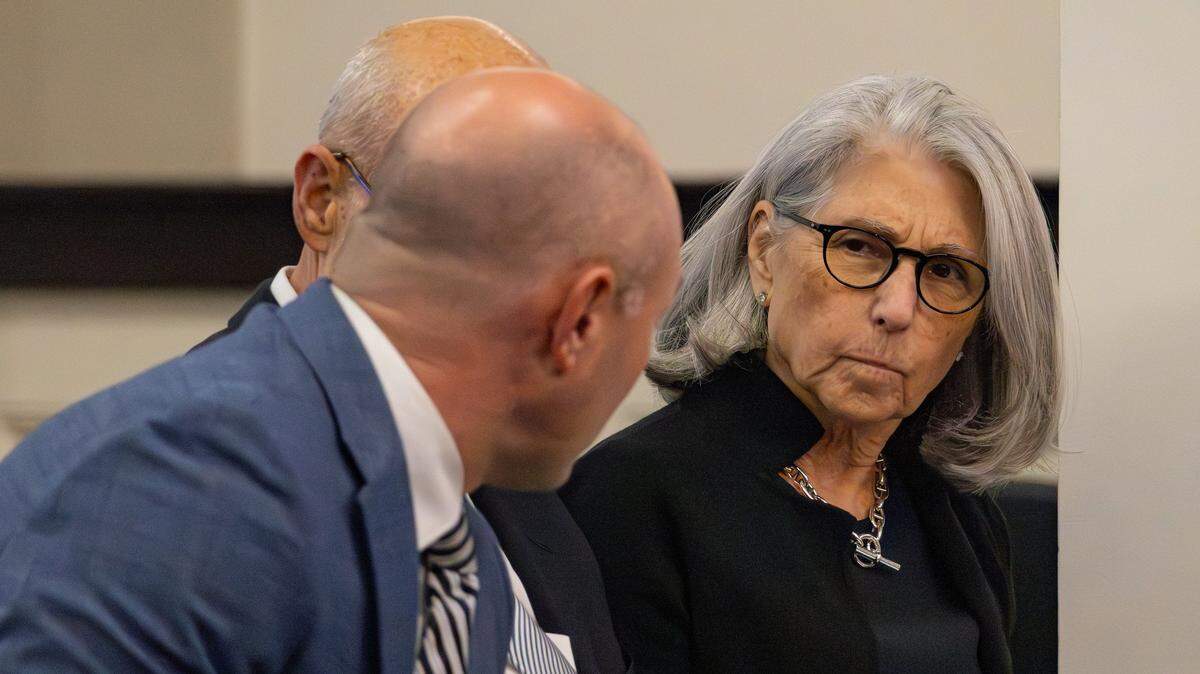
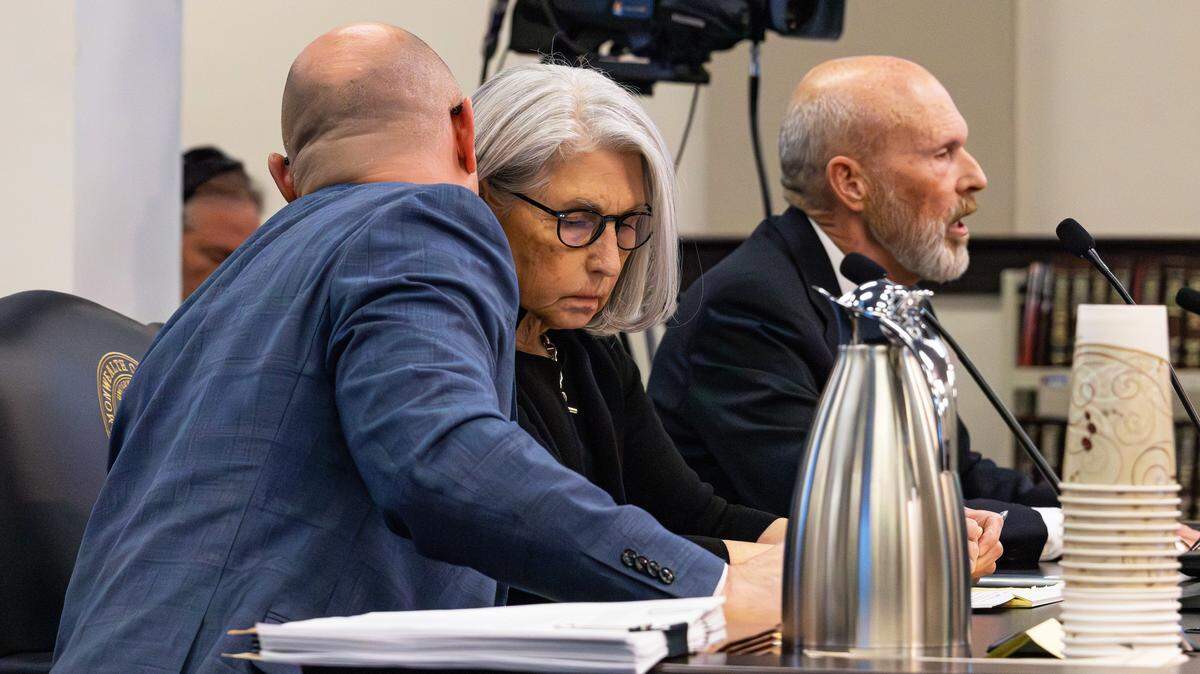
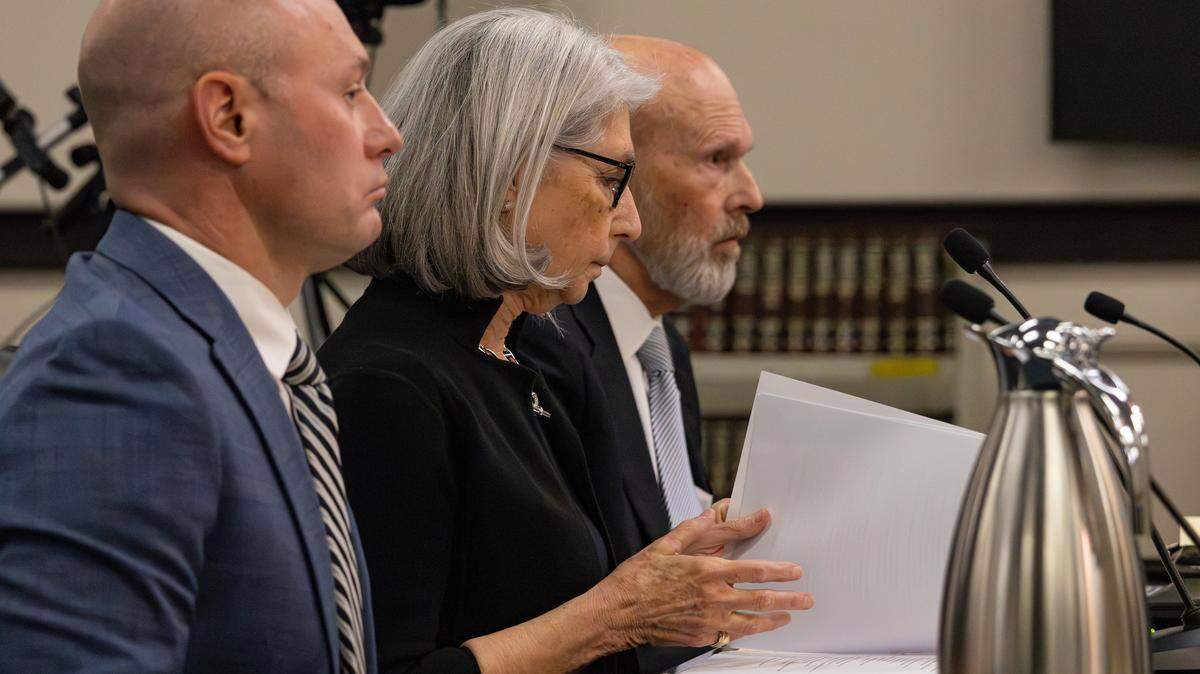
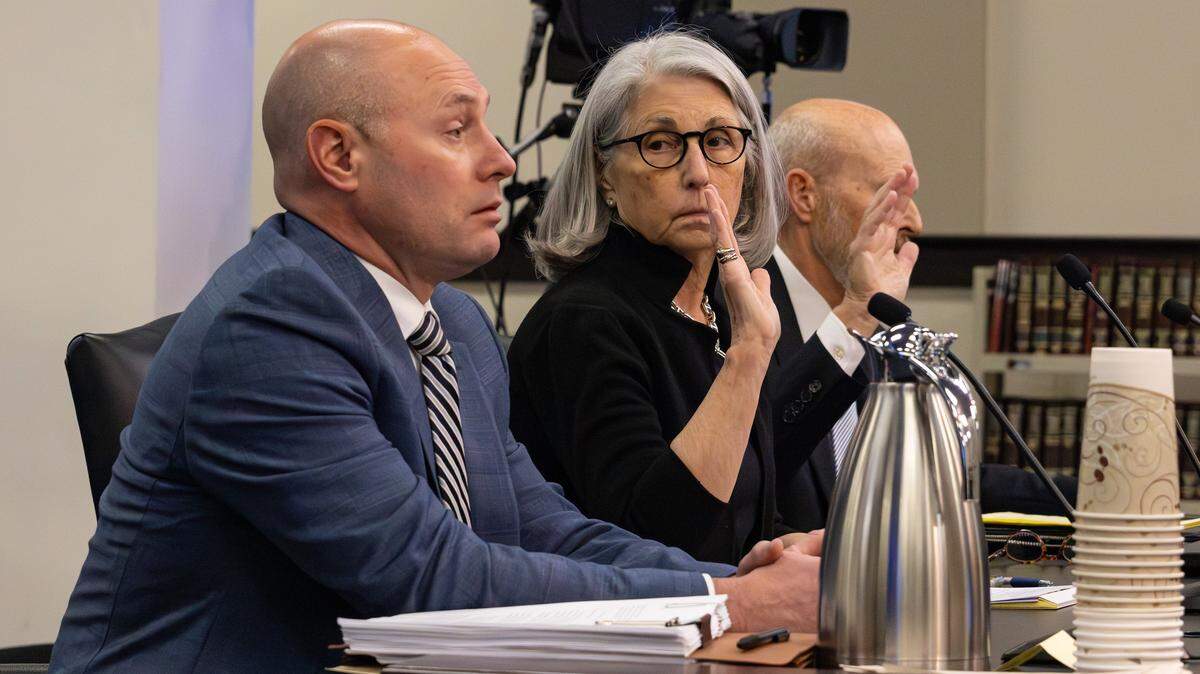
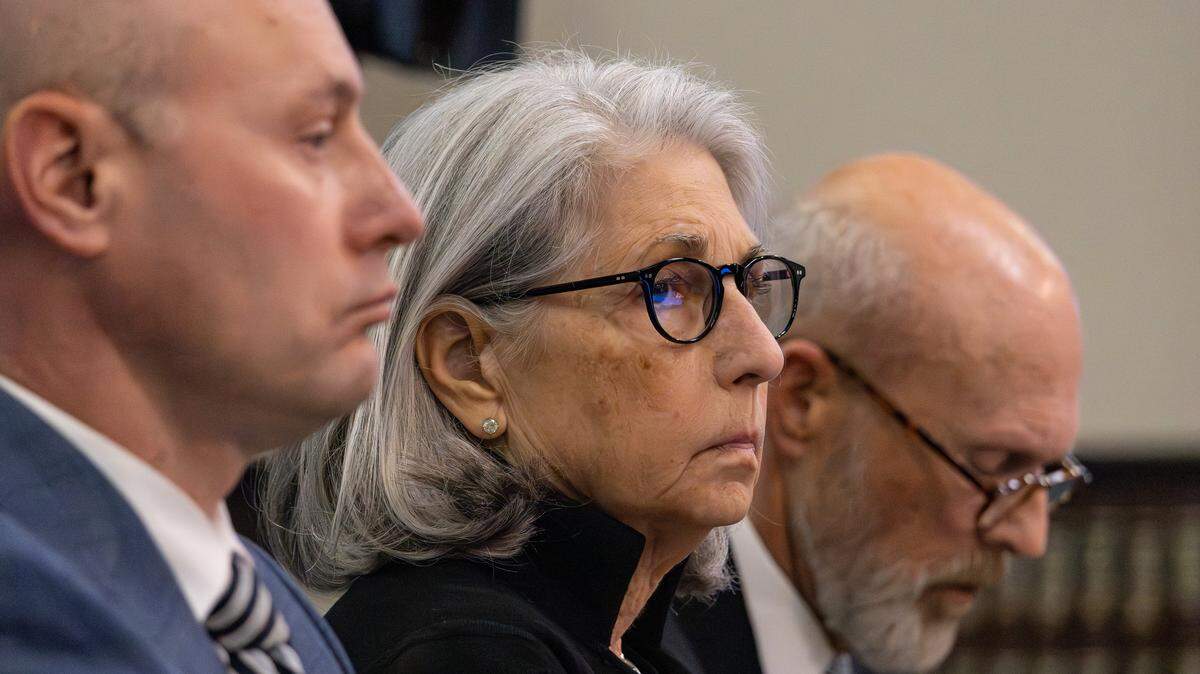
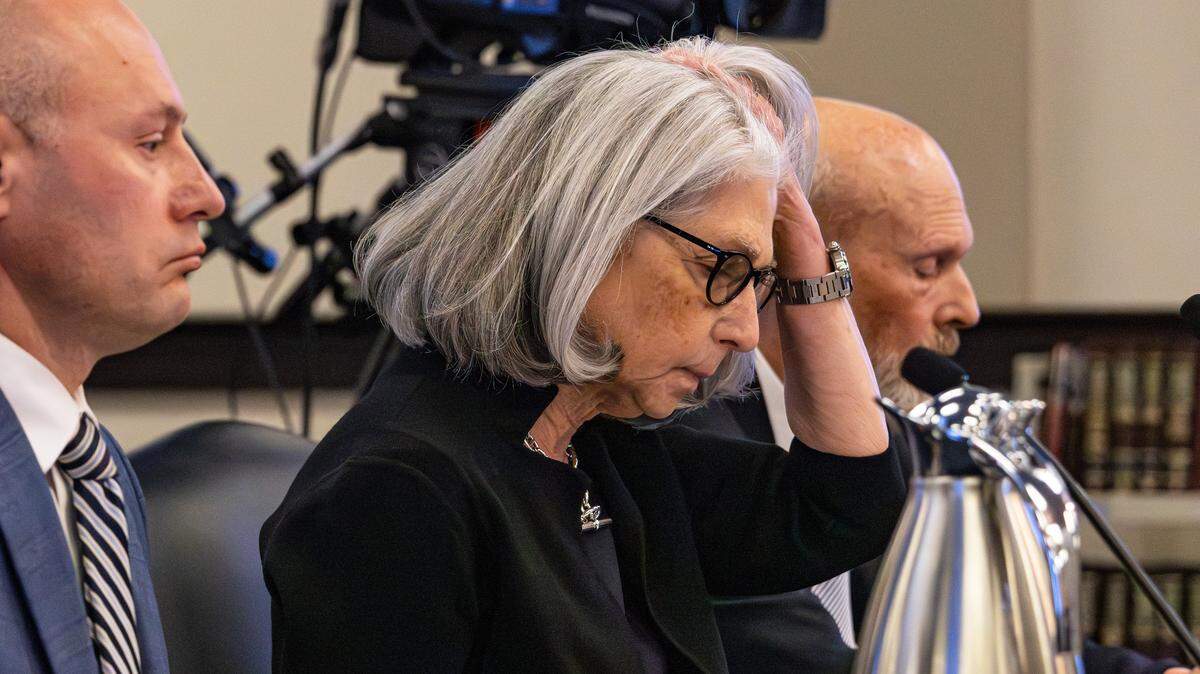
Prosecutors are still presenting civil and criminal cases in Fayette Circuit Judge Julie Muth Goodman’s court, continuing with business as usual, despite Lexington’s top prosecutor serving as a key witness in state lawmakers’ unprecedented effort last month to remove the judge from office.
Fayette County prosecutor Kimberly Baird didn’t file the impeachment petition that sought Goodman’s removal — that was Killian Timoney, a former GOP lawmaker seeking to regain his Lexington-area House seat. But Baird played a key role in the effort, which advanced through the Kentucky House and was slated for trial in the Senate before the Kentucky Supreme Court intervened and deemed the effort invalid.
Baird testified against Goodman during impeachment hearings in the House, and gave a direct “yes,” when asked if she believed Goodman should be impeached.
“The ultimate goal is that she can no longer sit on the circuit court bench,” Baird told the House impeachment committee.
Goodman’s lawyers questioned why, if Baird thought Goodman should be removed from office, she did not file a complaint with the state’s Judicial Conduct Commission, which exists to investigate claims of misconduct. The lawyers argued the commission was the proper body to consider such claims, and the state’s high court eventually agreed.
On Wednesday, in an interview with the Herald-Leader, Baird said she had no regrets about how she handled the case. The longtime prosecutor, at the Lexington office since 1996, said her decision to testify against Goodman was a reflection of dire straits in the judge’s courtroom.
“I didn’t think that if (the JCC) gave her a sanction or a private reprimand, that she would’ve changed anything,” Baird said. “I was concerned that the (JCC) wasn’t going to be as harsh on her as they needed to be, and if all they said was ‘Stop,’ she wasn’t going to stop.”
Meanwhile, cases prosecuted by Baird and her staff continue moving through Goodman’s courtroom. On Thursday, a kidnapping suspect changed his plea. In another case, Goodman heard updates on a man charged with fentanyl trafficking.
Goodman’s lawyer, Robert McBride, declined to comment for this story.
Baird’s previous attempts to remove Goodman blocked by judiciary
Baird’s public displeasure with the judge began in December 2023, when Goodman accused Baird’s office of racial bias in a ruling that dismissed a murder indictment against a man named Cornell Thomas. Goodman, who is white, argued that Baird, who is Black, and her office overcharged Black defendants.
The ruling “publicly defamed” Baird and her office, she said, and Goodman made the accusation without ever speaking with Baird or her staff. Baird vehemently denied the claims.
The ruling sent shockwaves through the Lexington courts system. Baird asked Goodman to recuse herself from several cases. The judge was biased, Baird said, and could not issue fair rulings presented by Baird’s office.
Goodman declined.
.jpg "Goodman-15130 crop (1).jpg")
So Baird appealed to the Kentucky Supreme Court twice. The highest court declined to remove Goodman from the cases.
But Goodman’s ruling captured attention at the state level, too. Attorney General Russell Coleman partnered with Baird to challenge several of Goodman’s decisions in appellate court. The Court of Appeals overturned several of the judge’s rulings, including in the Thomas case.
In the 108-page decision overturning Goodman’s Thomas ruling, the Court of Appeals said her order was “fraught with legal errors and abuses of both its discretion and its authority.”
Baird said Wednesday she felt additional action against Goodman was necessary, but she still didn’t file a complaint with the JCC.
“As I was trying to file motions to recuse with Judge Goodman, as I was trying to get the Supreme Court justices to rule something… I wasn’t sure if I had enough for the JCC to actually remove her,” Baird testified during Goodman’s hearings. “Because I thought, ‘If I file everything that I have, and they just do a private or public reprimand, then, we’re done, and we are still continuing to endure what we are enduring.’”
Baird said even if the state’s judicial conduct commission had issued a private reprimand or sanction against Goodman, she could ignore it and continue to treat prosecutors and victims’ poorly. Much of the commission’s actions are private, so Baird said she didn’t think they would apply proper transparency or accountability.
But then an impeachment petition was filed against Goodman, and lawmakers asked Baird to testify. She agreed.
“It had just gotten so bad, I just had to do what I did,” she said during the hearings.
Impeachment in limbo, awaiting JCC action
In the impeachment petition filed by Timoney, the former GOP lawmaker, he claimed Goodman had abused her office and ignored the law, citing as evidence six cases in her courtroom. One of those cases was the 2023 dismissal of Thomas’ murder indictment.
On March 20, the impeachment effort advanced out of committee and into the full Kentucky House. Meanwhile, Goodman continued to fight the effort.
She filed motions with the Franklin Circuit Court, arguing the proceedings violated her due process rights. She said five of the six cases cited in the petition were active, so under the state’s judicial code of conduct, she could not comment on them or defend herself against the accusations.
That didn’t stop Baird from testifying — though she contends she remained within the bounds of prosecutorial ethics.
The key, she said, was that she discussed the merits of Goodman’s behavior in the cases, rather than the cases themselves. And she argues Goodman could have done the same to defend herself.
“We weren’t asking you to discuss the merits of the case, and we never talked about the merits of the cases,” Baird told the Herald-Leader. “But it was the merits of you, on your own, deciding misconduct. You can discuss that all day long.
“(Goodman) said the commonwealth engages in selective prosecution. That was not specific to the Cornell Thomas case, but (Goodman) said broadly, ‘The commonwealth engages in this behavior,’ and she did that on her own.”
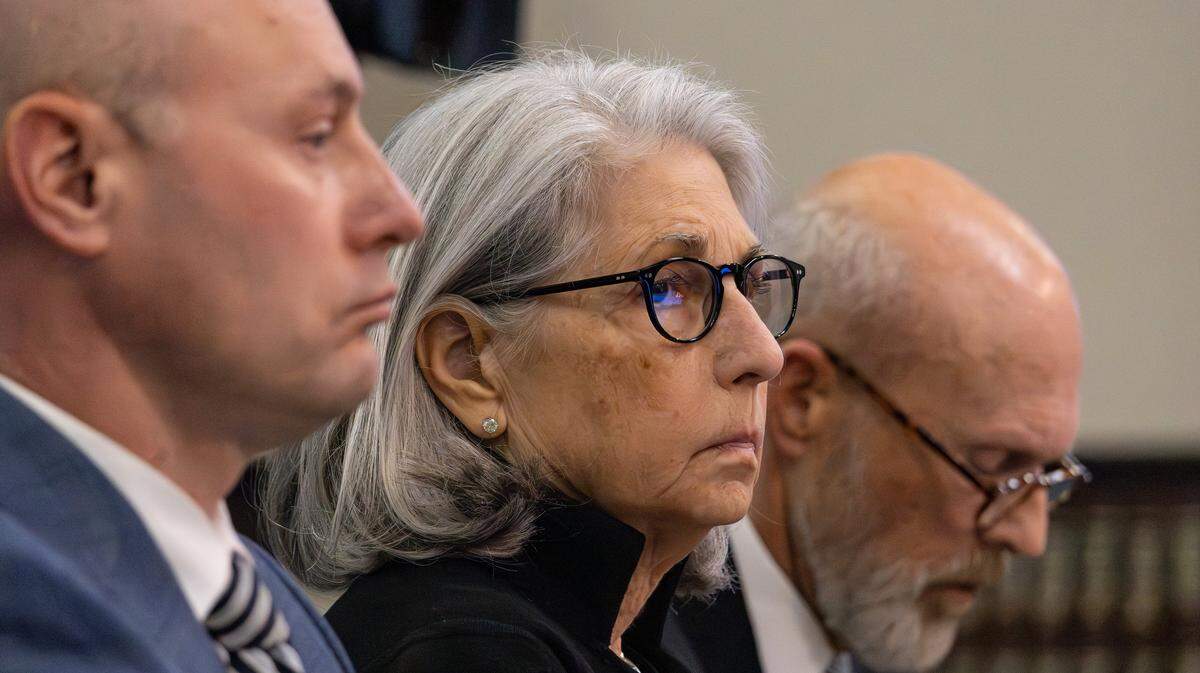
But the Supreme Court sided with Goodman, ruling that because impeachment hearings are public, Goodman could not defend herself without committing judicial misconduct.
“While she received notice, a hearing, and what we must presume were neutral adjudicators, she was forced by her obligations under the Judicial Code of Conduct to stand silent rather than attempt to defend her actions or thought processes in taking those actions,” Chief Justice Debra Hembree Lambert wrote.
Goodman was eventually impeached by the Kentucky House on March 20 in a 73-14 vote, largely along party lines, with Republicans voting in favor. The measure was expected to move forward to the Senate for a trial, but the Supreme Court intervened, saying the articles of impeachment were void.
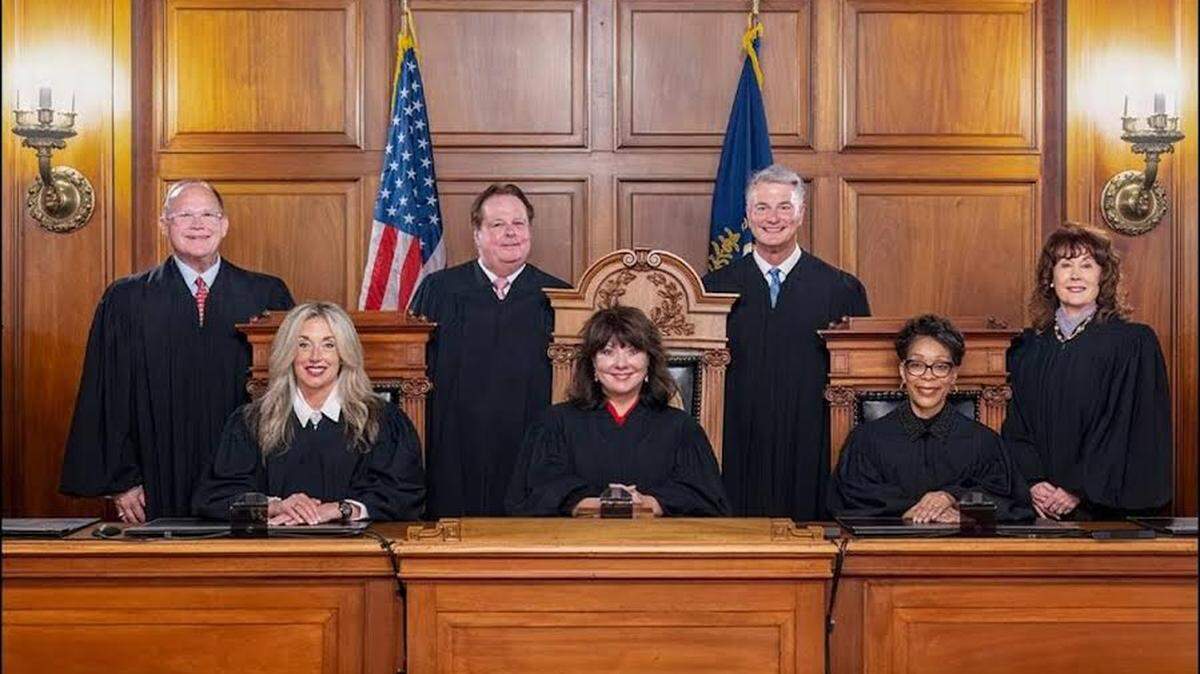
In a 5-1 opinion, the state’s highest court ruled that the state’s JCC was the proper avenue for accusations of misconduct against the judge.
That opinion also revealed for the first time that the JCC was already investigating claims against Goodman. Proceedings in the body, made up of low and high court judges and two members of the public, are private, and House and Senate leadership said they didn’t know the commission was already considering potential sanctions against Goodman.
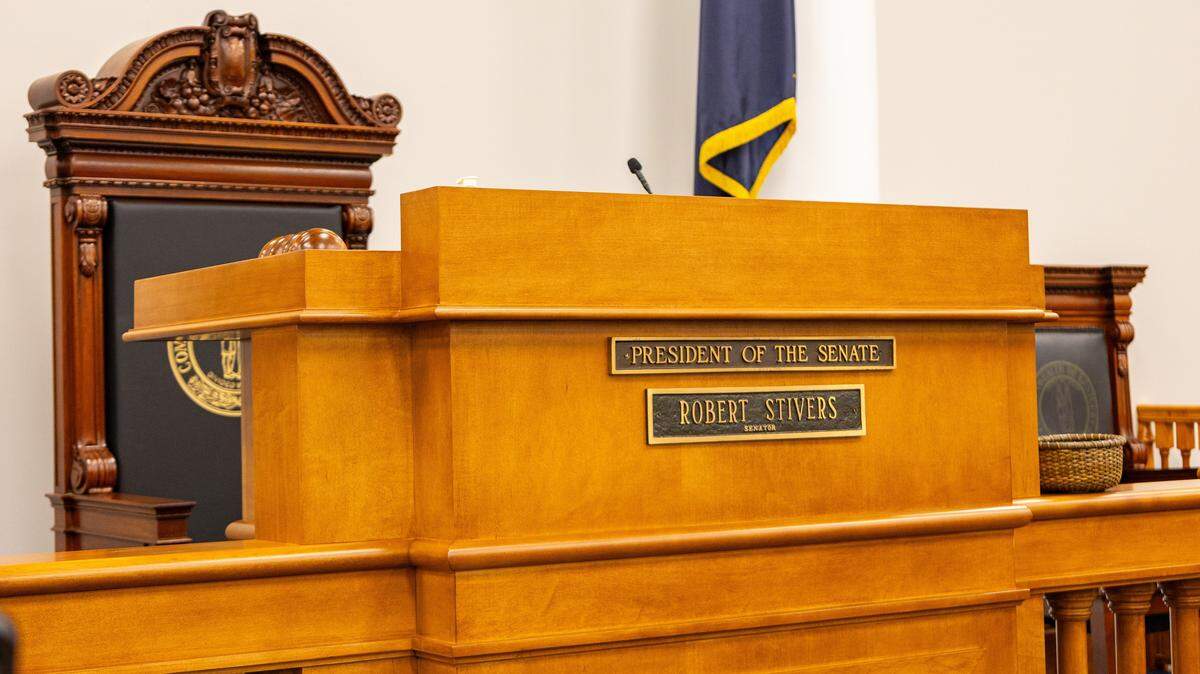
The Kentucky Senate tabled the measure last week, though they insisted they could take action against Goodman in the future.
For now, they said, they would wait to see what action, if any, the JCC would take.
Lexington courts continue as normal
Baird is waiting to see what action the JCC takes, too.
She has not filed any motions for Goodman to recuse herself from cases prosecuted by Baird’s office. But she emphasized in an interview Wednesday that she would if she felt that Goodman, or any judge, was being impartial or biased in any particular case.
“We have not filed any additional motions as of yet,” Baird said. “We are waiting on further direction from the Senate and JCC to determine how we are going to best proceed.”
Fayette County Chief Judge Kim Bunnell acknowledged in an interview with the Herald-Leader that the situation was unusual, and she was hoping for a quick resolution.
“It is just very difficult to proceed with regular court duties when this is still ongoing,” she said.
Still, Bunnell agreed that for now, it was business as usual for Lexington’s courts.
“I believe we each are committed to serving the public in a respectful manner and committed to following and applying the law the best we can to the facts. We know every time we make a decision, it impacts somebody.”
.
This story was originally published April 24, 2026 at 5:00 AM.

.jpg)