
KY Senate must see, stop dangerous consequences of Judge Goodman’s impeachment | Opinion
READ MORE
Judge Julie Goodman impeachment
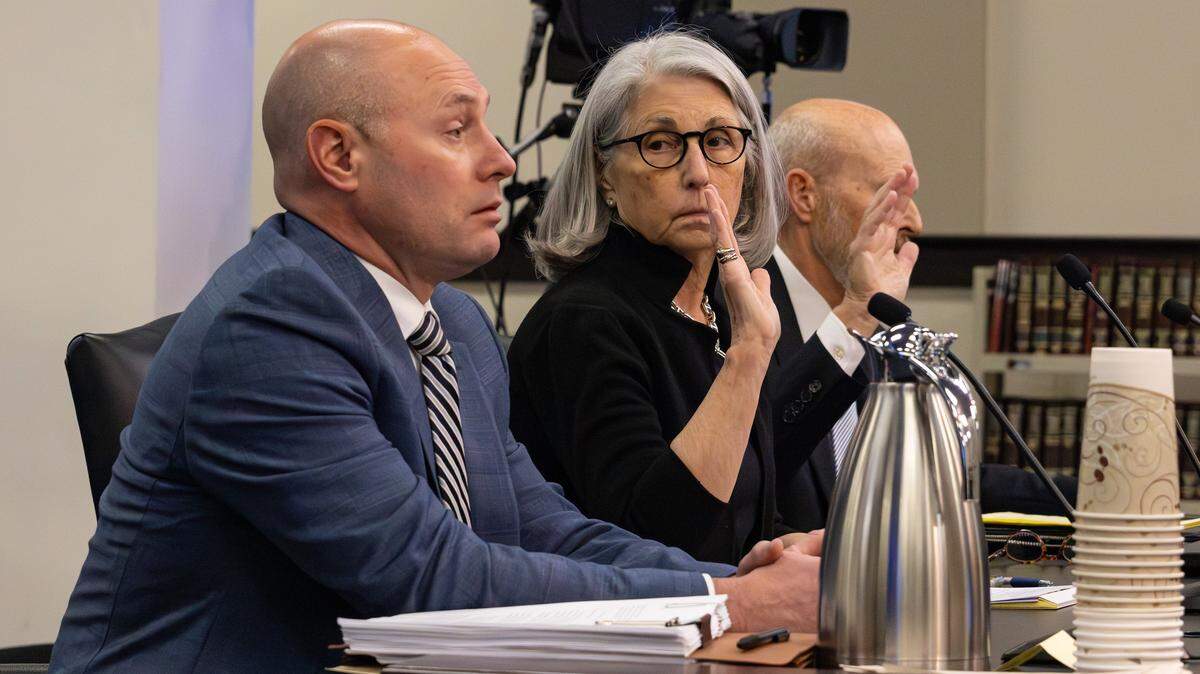
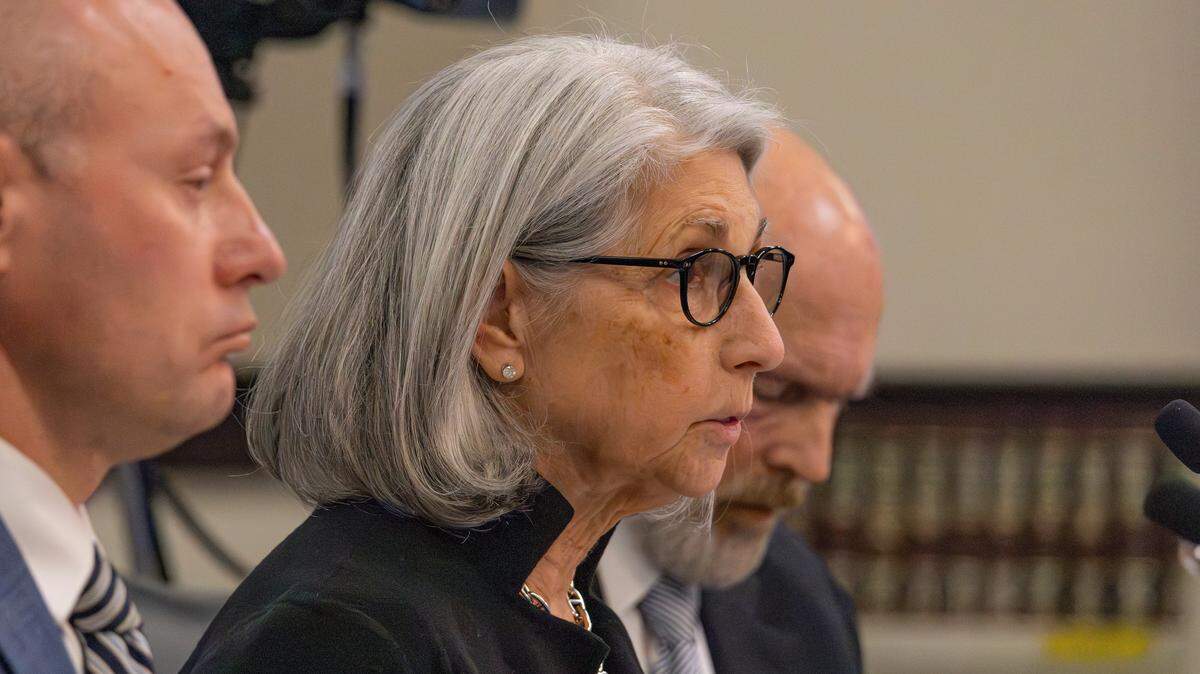
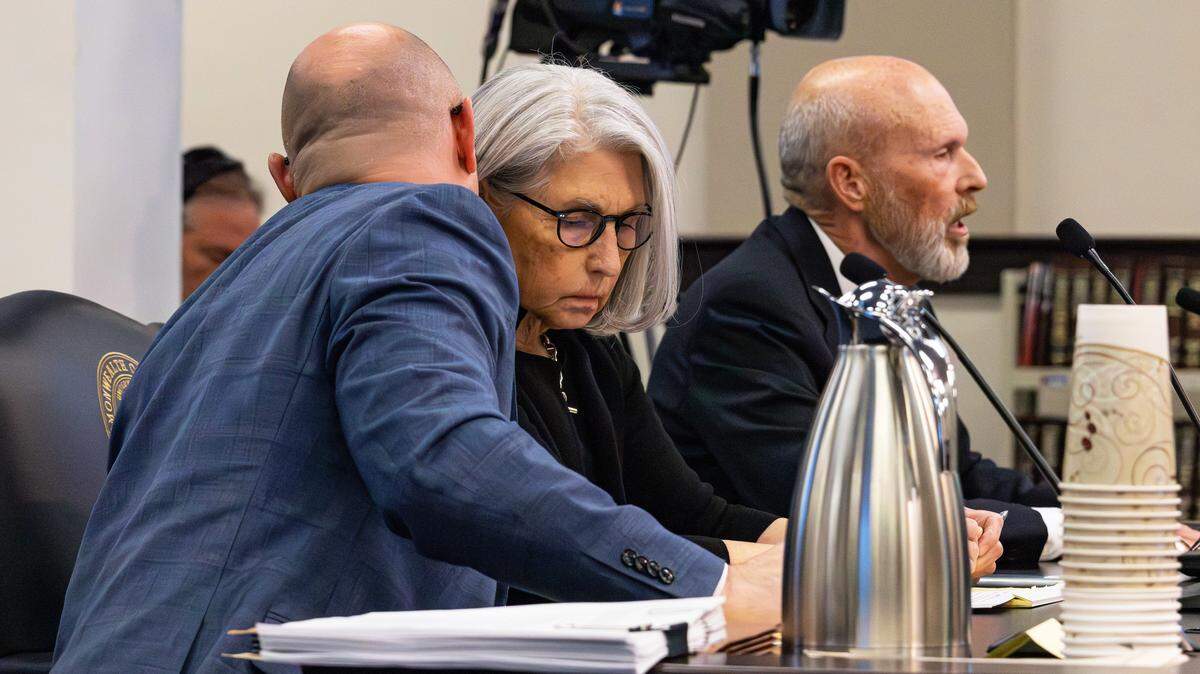
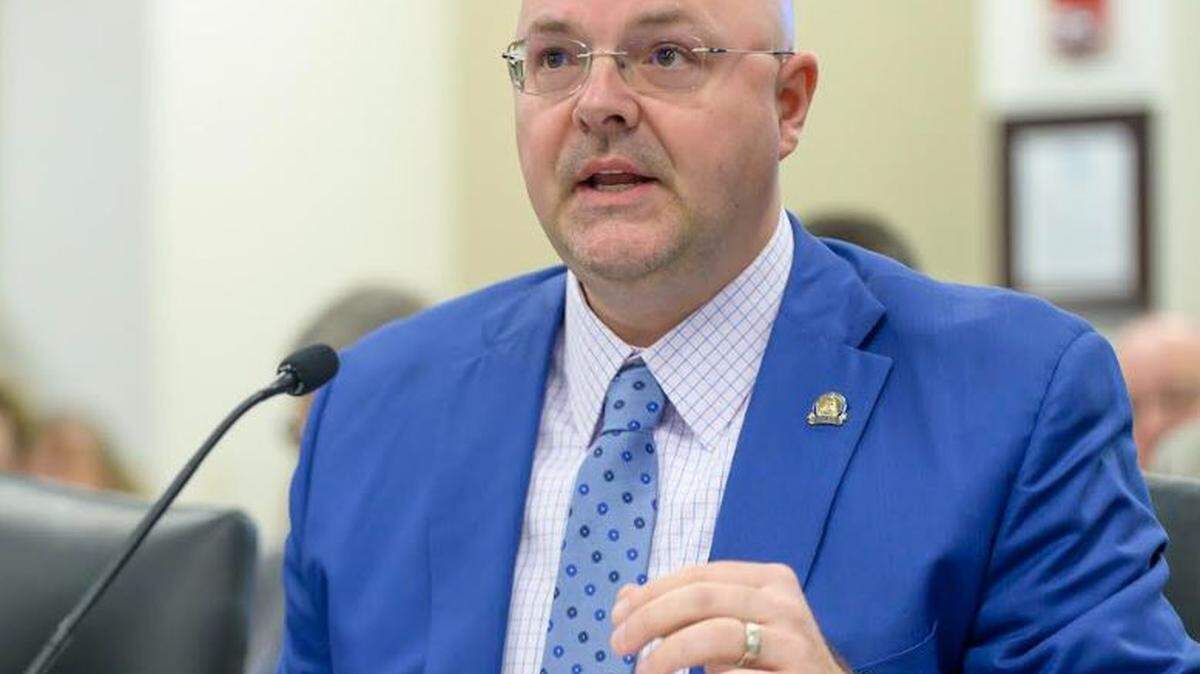
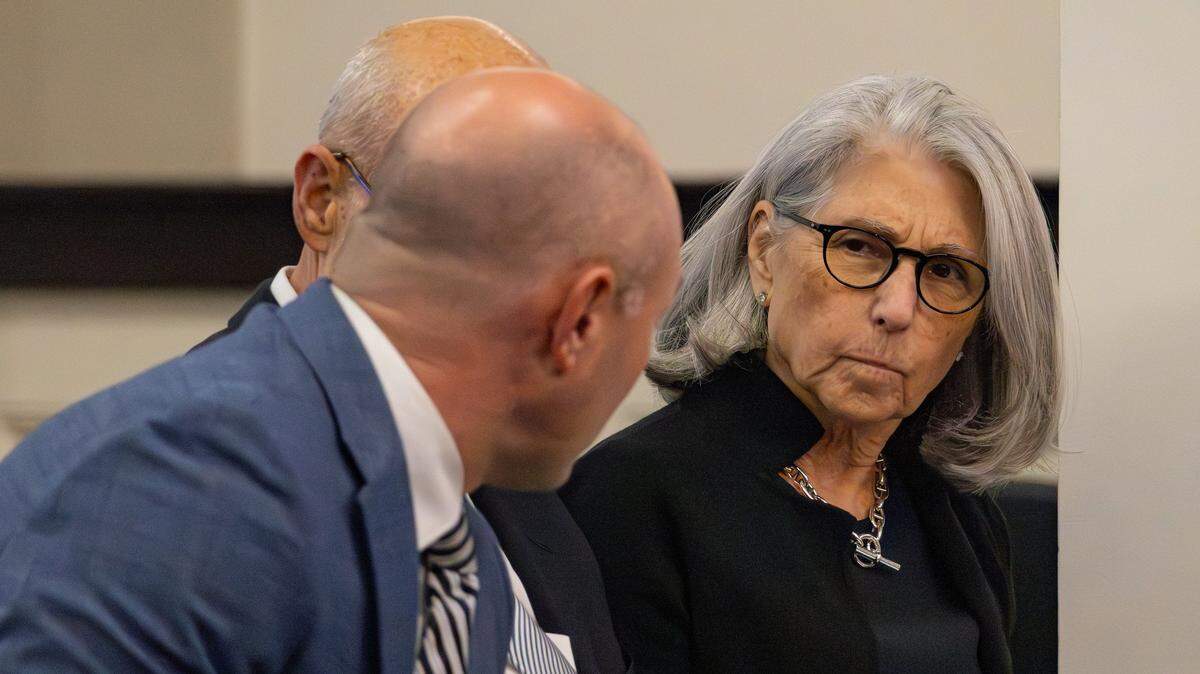
Former Kentucky state Rep. Killian Timoney filed a petition in January to impeach Fayette Circuit Judge Julie Goodman over her handling of six different cases in Lexington. Goodman and her legal team deny any misconduct, and other legal professionals have raised concerns about the possible precedent an impeachment could set.
Expand All
A seismic political shift thundered through Frankfort on Friday, one that will continue rippling for years to come.
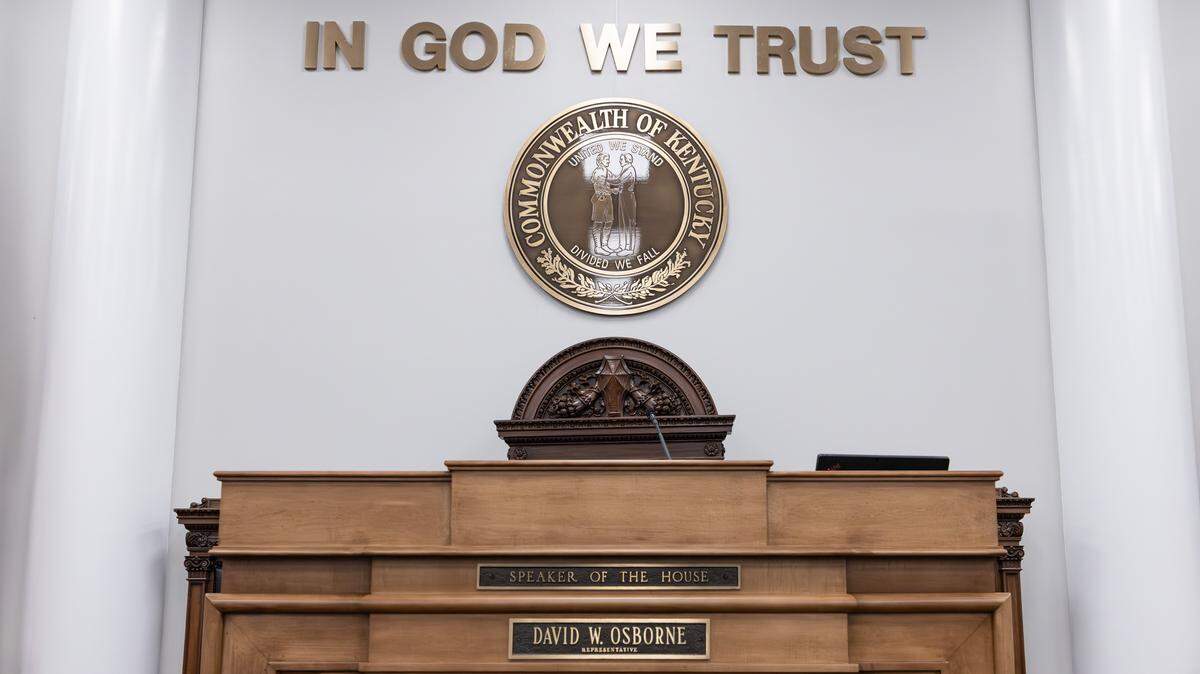
The Republican supermajority of the Kentucky House of Representatives voted to impeach a sitting judge — something that hasn’t happened in 100 years or since the modern court system was established — based on shaky evidence of “misdemeanors” that many are calling into question.
Shortly before the 73-14 vote to impeach Fayette Circuit Judge Julie Muth Goodman, Louisville Democrat Joshua Watkins rightly observed: “This moment today is going to be discussed in classrooms and law schools and in public life for many years to come.”
The vote is indeed momentous; a change in political overreach that could perhaps best be the Kentucky version of Sen. Mitch McConnell’s block of a Supreme Court candidate during the latter part of President Barack Obama’s administration. It may be legal, but it is a jagged break in tradition, and an attack on constitutional checks and balances that could have profound implications for an independent judiciary.
It is a misstep created by the absolute power of a supermajority in Frankfort that knows it will face no punishment for ignoring the rules and overstepping its bounds.
Let’s hope the Senate, known as the wiser, more rational body, will heed the words of former Attorney General Fred Cowan who wrote this week about how the Founding Fathers tried to prescribe in the Constitution three equal yet powerful branches of government that would provide checks and balances to one another.
“They wanted to create a system of government that would last over time and protect citizens against tyranny and the misuse and abuse of power,” Cowan wrote. “That fundamental principle, adopted and enshrined in the Kentucky Constitution, is now under attack by the Kentucky General Assembly.”
Cowan also echoed the sentiments of 70 lawyers who signed a letter urging restraint, pushing back on the impeachment.
“... The issue is not a left vs. right, Republican vs. Democrat, or prosecution vs. defense issue,” the 11-page letter from those defense attorneys reads. “Indeed, (it) is much larger. Separation of powers, equal branches of government, and judicial independence are cornerstones of the constitutional democracy that we enjoy as Americans. These concepts are empty of meaning if the Committee impeaches a duly elected Judge based upon a handful of unpopular or controversial decisions.”
Controversy in the court
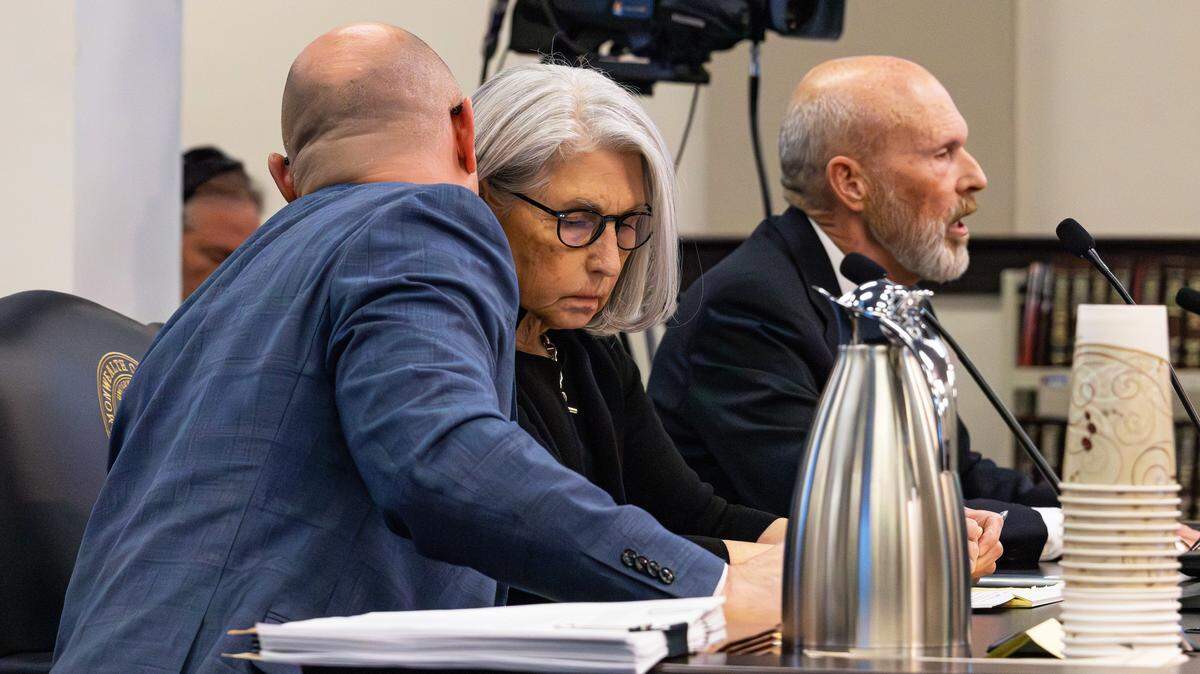
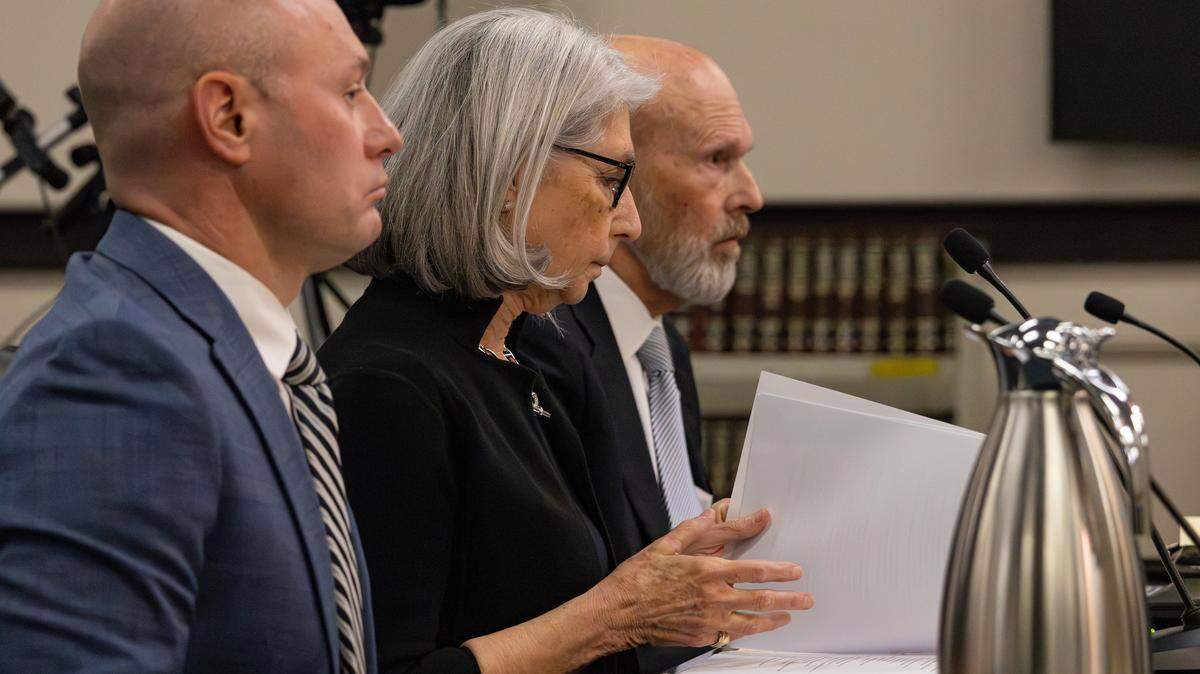
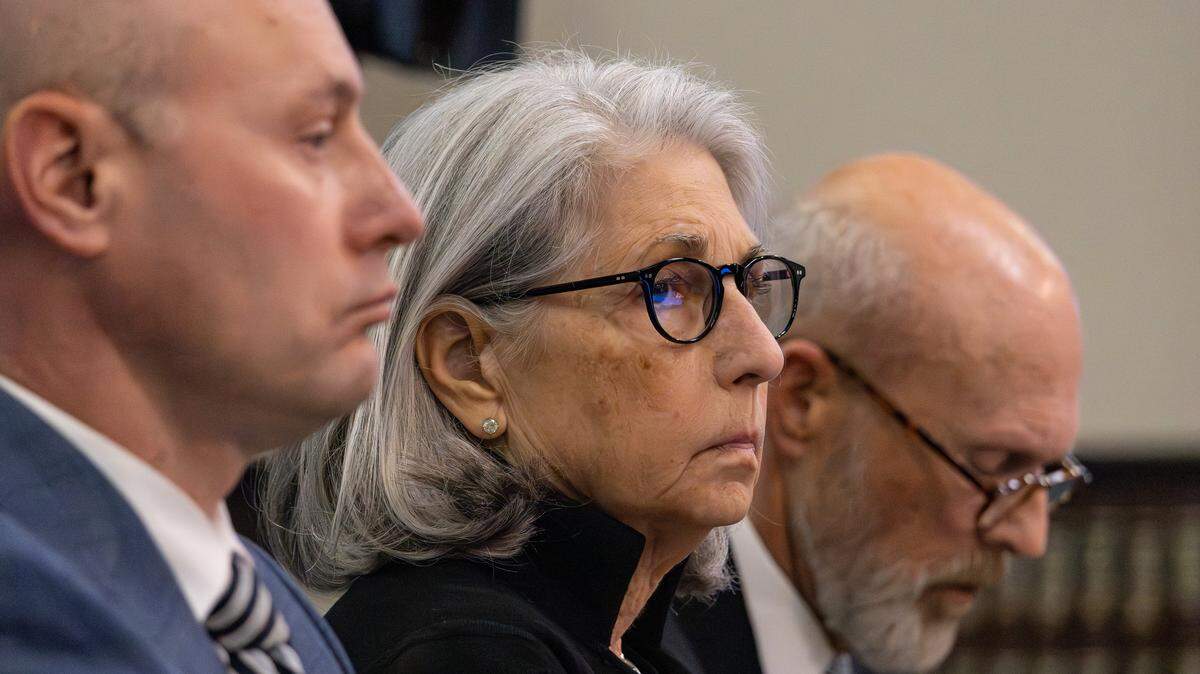
What is not up for debate is that Goodman has become both controversial and unpopular in Fayette County, reviled by many, including Commonwealth’s Attorney Kimberly Baird who testified at Goodman’s impeachment hearing last week.
Baird described a system in which witnesses and victims had to be prepared for “disparaging remarks” from Goodman, along with plea deals in order to avoid Goodman decisions.
The impeachment case was brought by former Jessamine Republican Rep. Killian Timoney, who is trying to win back his seat this year.
The alleged impeachable offenses were based on six of Goodman’s rulings. The most high profile of these was the 2023 case of Cornell Denmark Thomas II, who was charged with wanton murder in a June 2020 car crash near Leestown Road that killed Tammy Botkin, a 50-year-old Lexington woman. Thomas was also accused of fleeing the scene.
Goodman dismissed the case, finding that Thomas, who is Black, was overcharged because of his race. Both Baird and Attorney General Russell Coleman appealed to the Kentucky Court of Appeals, which vacated Goodman’s order, calling it “fraught with legal errors and abuses of both its discretion and its authority.”
Baird, who is Black, said she was shocked to be accused of a racially motivated prosecution. In her testimony in front of the impeachment committee, Baird said she had prepared a case to put to the Judicial Conduct Commission, the body that oversees judicial conduct. But she had not made the complaint before Timoney filed the impeachment petition.
Absolute power
There are numerous blocks to problematic judges, such as higher courts that overturn their decisions, the Judicial Conduct Commission, and most final, the voters who elect them.
Instead of either of those two latter avenues being used, the powers-that-be with the help of a man eager to regain his House seat, decided Goodman should be removed. But Kentucky’s impeachment law requires evidence of “misdemeanors.” Her supporters say that none of the charges include evidence Goodman broke any laws or committed any crimes, while opponents believe her behavior is serious enough to constitute misdemeanors.
Crimes deserving of impeachment are self-evident, such as in the last time the General Assembly impeached someone. In 2023, the House and Senate unanimously impeached and convicted ex-prosecutor Ronnie Goldy. At the time, Goldy, the commonwealth’s attorney for Rowan, Bath, Menifee and Montgomery counties, was accused of abusing his office by doing favors for a woman facing criminal charges and in return soliciting sexually explicit videos from her. He is now in federal prison.
Those are crimes. But in Goodman’s case, the Republican supermajority decided Goodman’s alleged mistakes should be punished like real crimes — outside political traditions, norms and the constitutionally delineated procedures to deal with problematic judges. This sends a chilling message to every judge in Kentucky: If you make a decision that displeases the ruling party Frankfort, you too could be impeached. Party-pleasing judges are antithetical to the ideal of an independent judiciary.
It’s understandable that when the national figurehead of that group throws out all governmental norms, it’s tempting to do the same. So tempting that there’s already another impeachment petition waiting, this time for Kentucky Supreme Court Justice Pamela Goodwine — the state’s first Black woman on the high court. In this case, a Louisville Republican alleges that Goodwine had a conflict of interest in her swing vote to rehear a case last spring related to the Jefferson County Board of Education.
This entire episode illustrates perfectly why the absolute power of any political party is so harmful to democracy. Judges seen as too liberal could be picked off one by one. And there is no one and nothing to stop this from happening except appeals to rationality and commonsense.
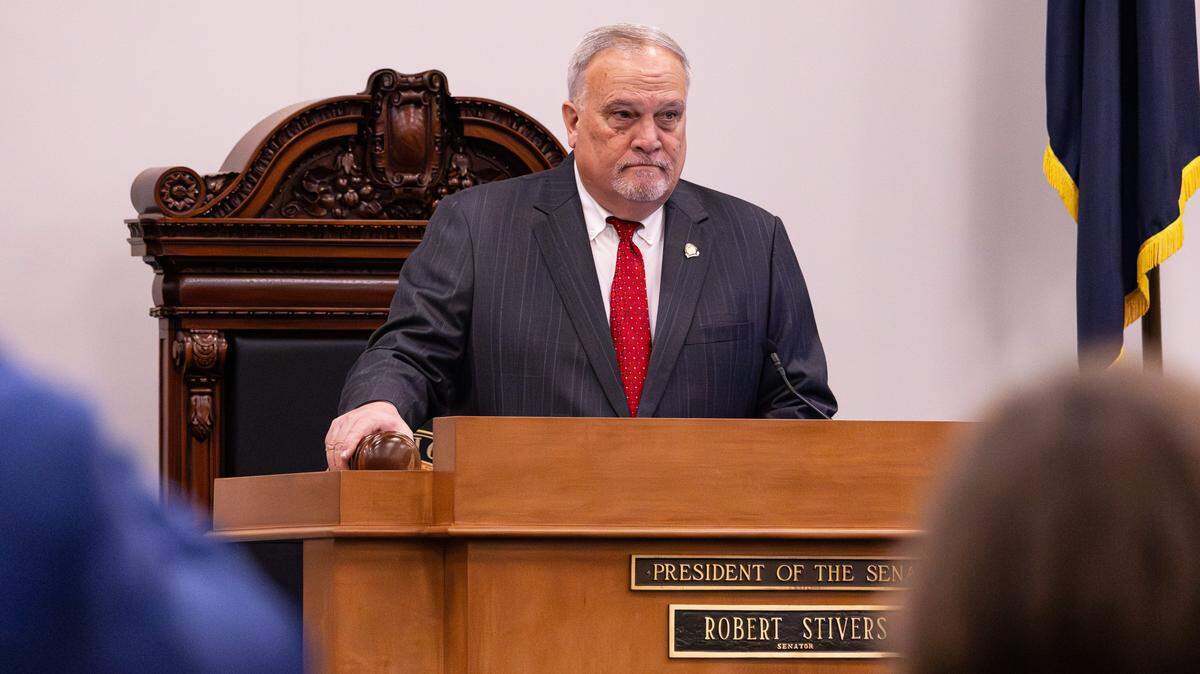
So as Goodman’s case moves from the House impeachment to a possible trial in the Senate, we implore that body to more carefully consider the wider ramifications of a trial and impeachment of a sitting judge who has committed no crime. The senators, many of whom are lawyers, are now the bulwark between an independent judiciary for Kentucky’s courts and one ruled by partisan politics. Kentuckians of every political stripe deserve better.
This story was originally published March 23, 2026 at 10:05 AM.





.jpg)