
What happens if Fayette Judge Julie Goodman is convicted at impeachment trial?
READ MORE
Judge Julie Goodman impeachment
Former Kentucky state Rep. Killian Timoney filed a petition in January to impeach Fayette Circuit Judge Julie Goodman over her handling of six different cases in Lexington. Goodman and her legal team deny any misconduct, and other legal professionals have raised concerns about the possible precedent an impeachment could set.
Expand All
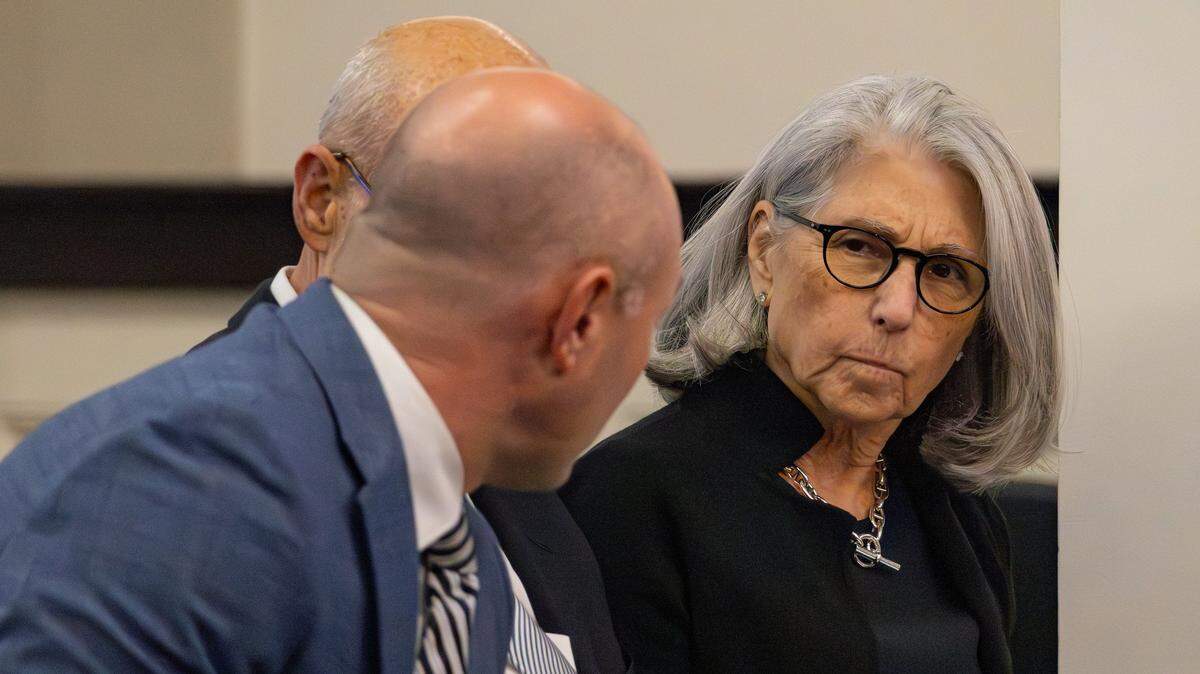
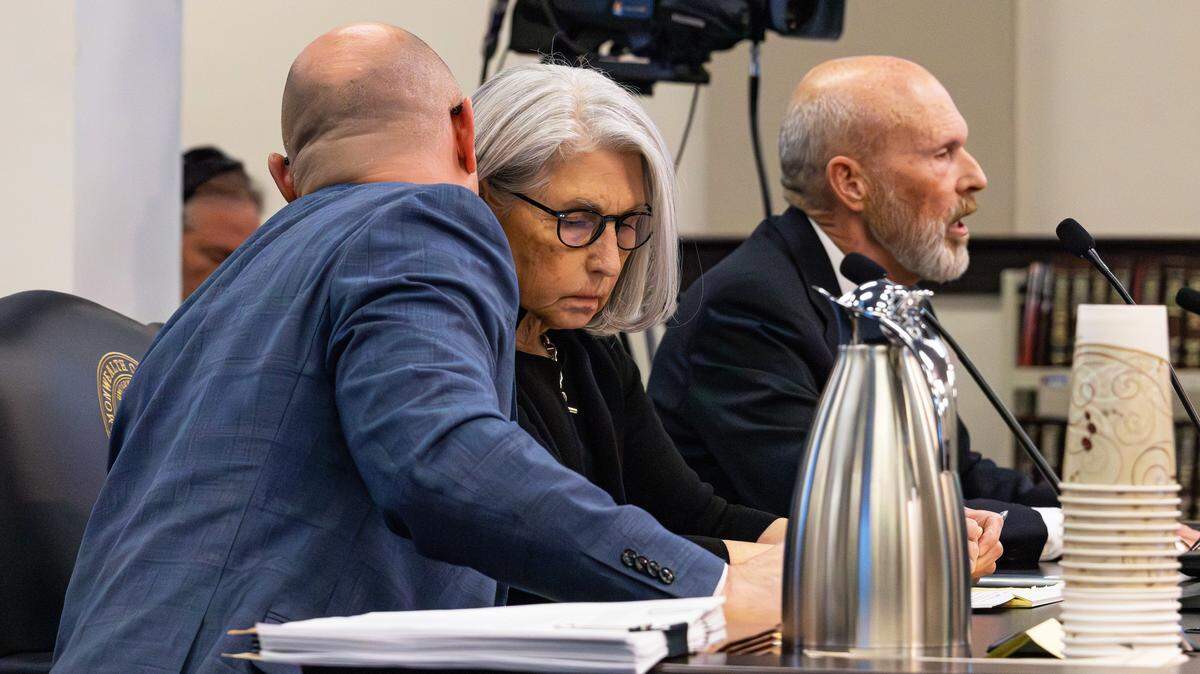
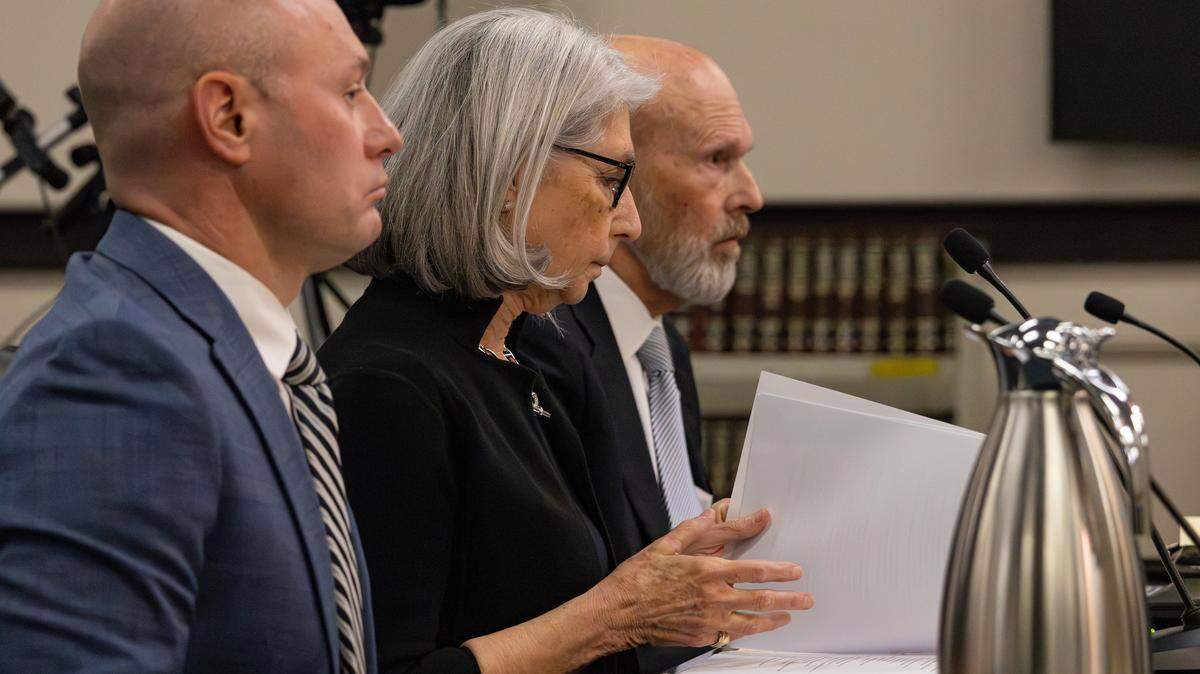
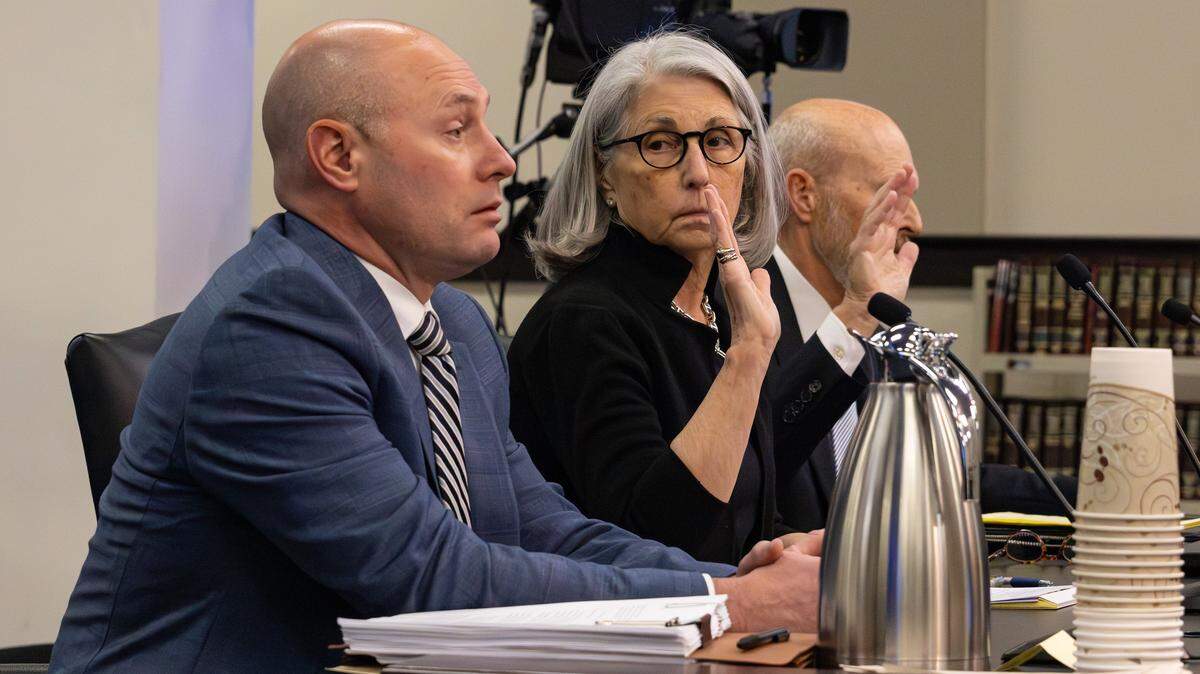
As of Tuesday, impeached Fayette Circuit Judge Julie Muth Goodman still presided over her courtroom in downtown Lexington.
The third floor of the circuit courthouse on North Limestone Street was business as usual, even as Goodman remained at the center of an unprecedented legal maneuver by state lawmakers to remove her from office.
But that could change any day now.
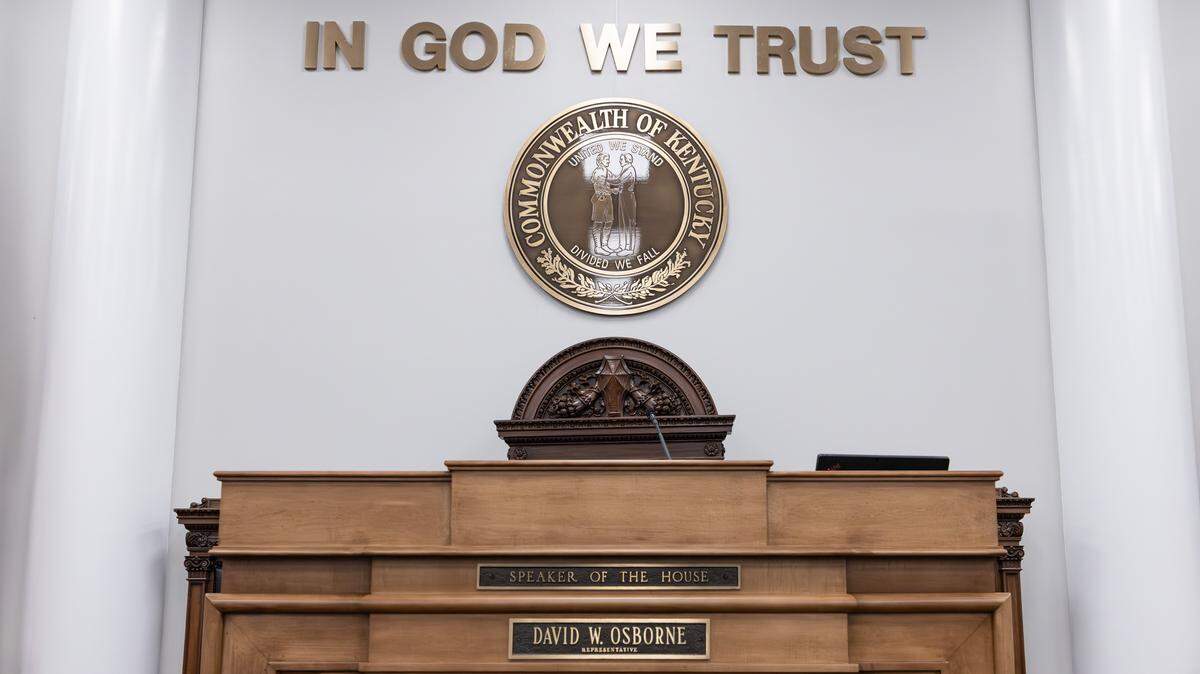
Goodman, a Lexington judge for 18 years, was impeached last week by the Kentucky House of Representatives. The impeachment came after a petition was filed in January by Killian Timoney, a former GOP lawmaker who is seeking election again to the Lexington-area House seat he lost in 2024.
The House voted 73-14 Friday, March 20, to impeach Goodman. The vote was largely along party lines — just one Republican voted against the effort, and one Democrat voted in favor — as lawmakers argued Goodman’s actions in six particular cases rose to the level of judicial misconduct and misdemeanors in office.
Goodman’s case now heads to the Kentucky Senate, which will decide whether to convict and remove her from the bench.
The potential process for such a move is not entirely clear, as it’s never been done in Kentucky’s modern court system.
But here’s what we know so far about what a Senate trial would look like — and what will happen if she’s convicted.
What could Goodman’s Senate trial look like?
A date for Goodman’s Senate trial had not been set as of Tuesday afternoon, but House and Senate leaders said they think it could progress in early April, during the legislative session’s veto recess.
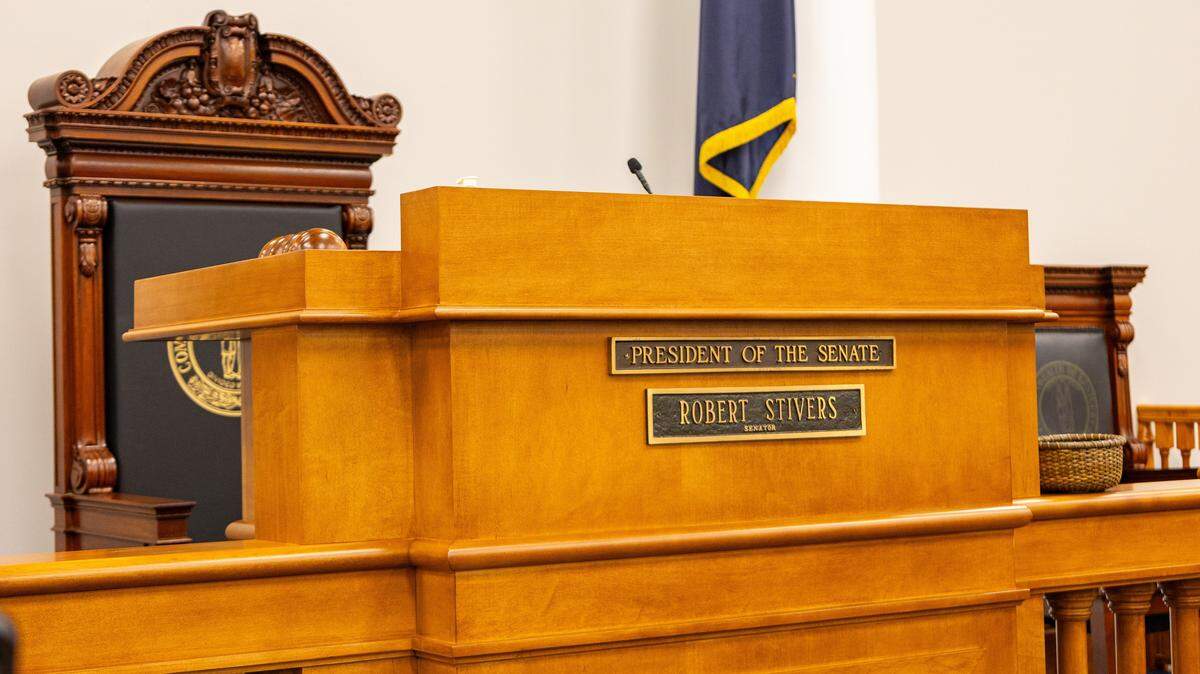
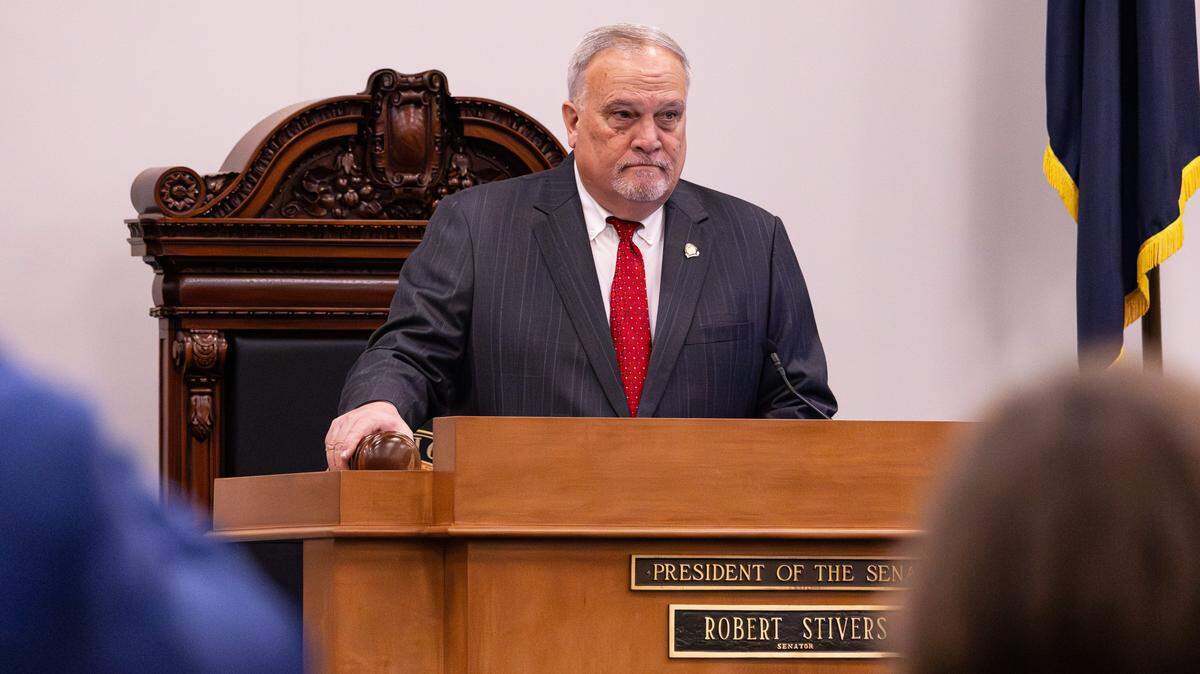
The Senate will first form an impeachment committee, which will weigh evidence and decide whether the case should proceed, Senate President Robert Stivers told the Herald-Leader on Tuesday. The House had a similar process in which the committee considered the petition before putting articles of impeachment before the full House.
Stivers said members of the Senate have been prohibited from viewing any of the House impeachment proceedings or reading about the process in media reports.
“I can’t say that I have concerns or don’t have concerns, because I don’t know what the alleged conduct is,” Stivers said. “I just know that this is the process. Somebody filed a petition for impeachment, the House heard proof, took evidence, heard an argument, and felt there was enough to send it to the Senate for the purpose of the articles of impeachment to then go into an impeachment trial. And I think if you look at this, there is no remedy other than this. This is the legislature’s check on the judiciary.”
Sheryl Snyder, a prominent Louisville lawyer and state constitutional law expert, said if the case proceeds to a Senate trial, a few members of the Senate will serve as “jurors.”
“Even though a legislative body, it is a legal process. It is a trial,” Snyder said.
Snyder is a partner at Frost Brown Todd, and member of the University of Kentucky J.D. Rosenberg College of Law hall of fame. Snyder has represented several governors of Kentucky, of both political parties, in significant litigation.
With senators serving as jurors, members of the House of Representatives will serve as the “prosecutors,” Snyder said.
On Tuesday the House assigned five state representatives to serve in that role. They are: Rep. John Blanton, R-Salyersville; Rep. Jennifer Decker, R-Waddy; Rep. Steven Doan, R-Erlanger; Rep. Jason Nemes, R-Middletown; and Rep. TJ Roberts, R-Burlington.
Kentucky’s constitution does not outline who serves as the “judge” in impeachment proceedings that aren’t against a governor or lieutenant governor. Snyder said Senate President Robert Stivers may take on that role.
According to Kentucky statute, the Senate president can appoint a chairman for the committee that decides whether to present the case to the full Senate, too.
Snyder said he thought Stivers would do a good job presiding over the unprecedented proceedings.
“President Stivers is an excellent lawyer in his own right,” Snyder said.
What will happen if Goodman is convicted?
In accordance with the state constitution, anyone convicted during an impeachment trial is removed from their current seat.
If removed, Goodman would no longer serve as a judge in Fayette County. If convicted, the constitution would also bar her from ever holding public office again.
However, she would be allowed to maintain her law license, which she has held for more than 40 years. Disbarment can come only from the Kentucky Supreme Court, Snyder said.
Goodman would not be able to appeal her conviction if one is handed down by the Senate, Snyder said.
However, she could file a lawsuit challenging the constitutionality of the proceedings.
She has done something similar already — first in the circuit court, and again in the court of appeals — asking that a judge stop the proceedings because her due process rights have been violated. That effort is ongoing.
If Goodman is acquitted by the Senate, or if the Senate declines to hold a trial at all, Goodman could remain as a circuit court judge in Fayette County.
What is the broader impact?
Many officials, including Gov. Andy Beshear, who previously served as state attorney general, and former Kentucky Attorney General Fred Cowan, who also served in the legislature and as a circuit judge, cautioned that the impeachment effort raises concerns about separation of powers in Kentucky.
Robert McBride, one of Goodman’s attorneys, said the vote to impeach “was expected given the composition of the House,” made up of 80 Republicans and 20 Democrats.
Still, he called it a “historic error” that “may well serve to undermine the independence of our judicial system,” McBride told the Herald-Leader in a statement. “Judge Goodman did not commit a misdemeanor in office.”
If Goodman is convicted, Snyder said, it could set an example for other states who want to impeach a judge because of unpopular rulings or opinions, rather than waiting for voters to weigh in at the ballot box.
“This is important because independence of judiciary is important,” Snyder said. “We know the judiciary at the federal level is under attack. It would be important if the attack on judiciary independence comes to bear in Kentucky as well.”
This story was originally published March 25, 2026 at 5:00 AM.



.jpg)