FEMA advises KY flood victims to be aware of relief fraud. How to spot, report scams
READ MORE
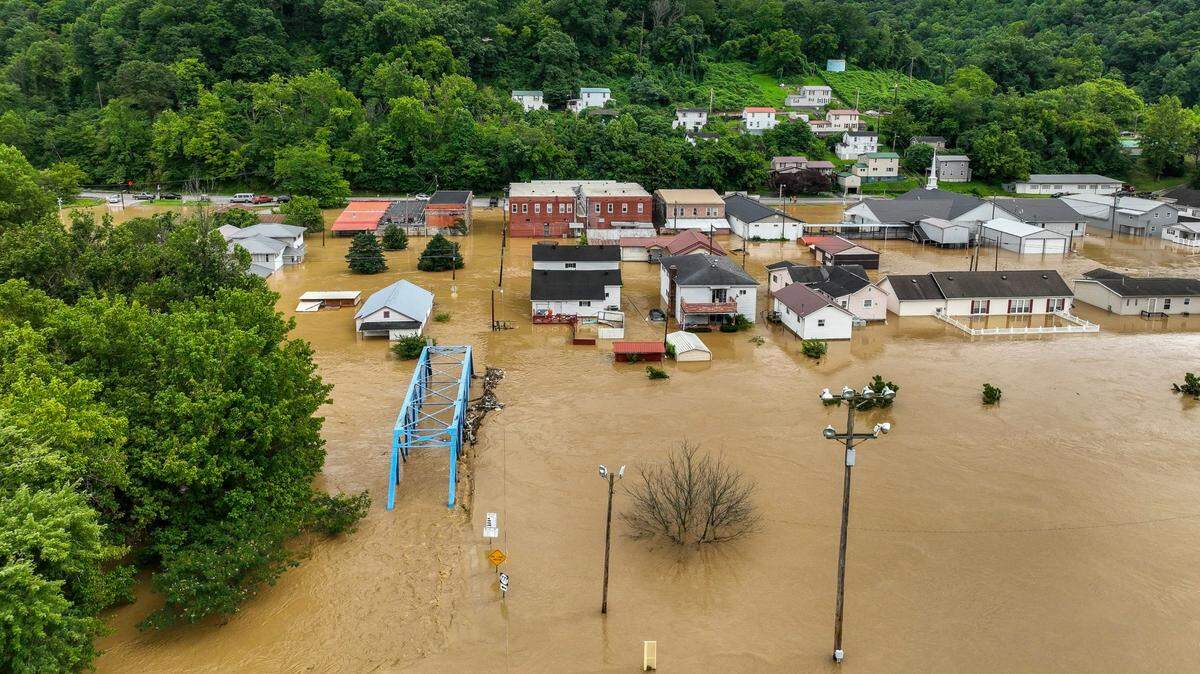
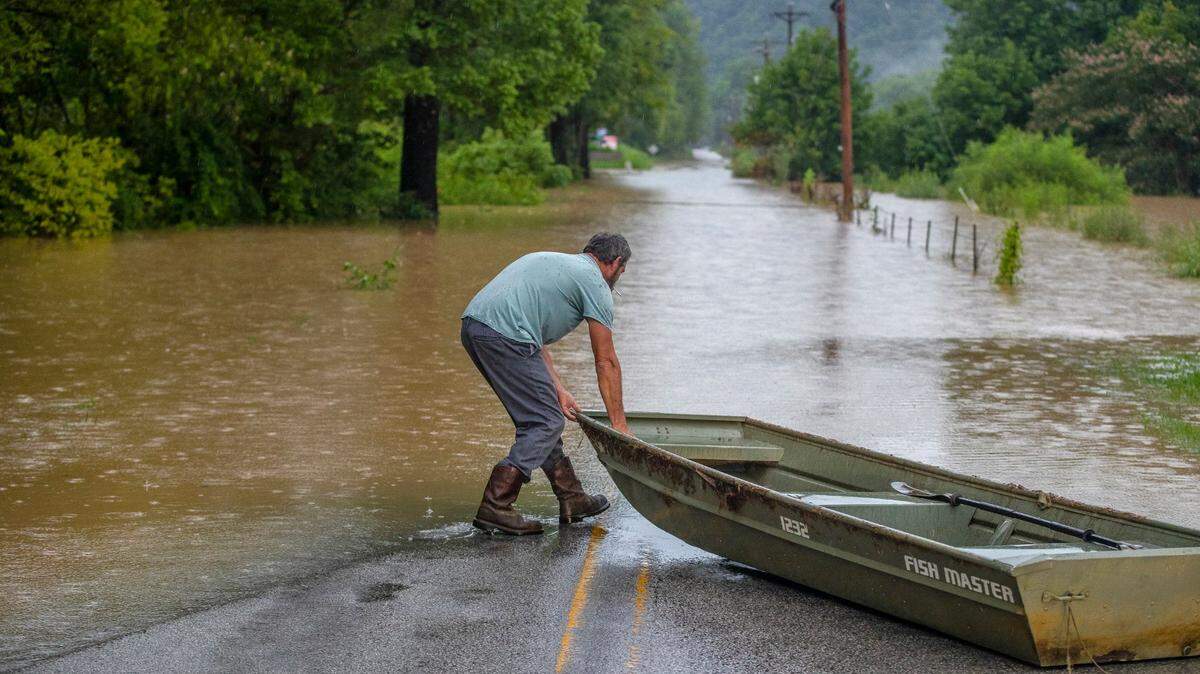
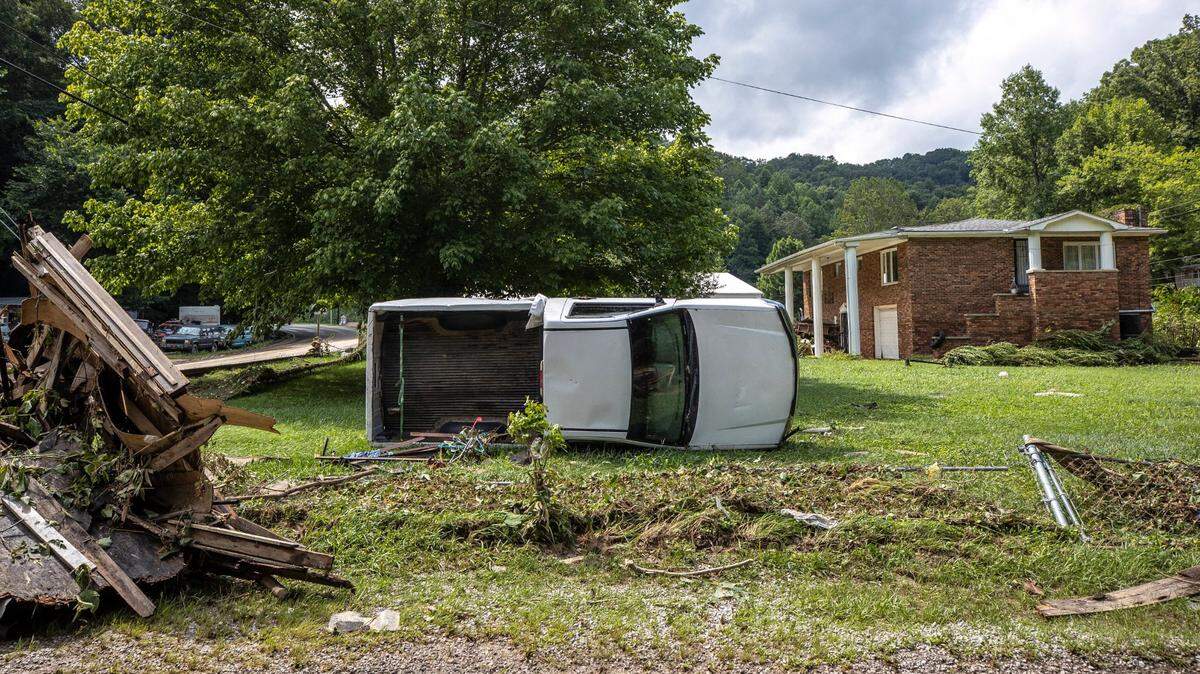
Flooding in Eastern Kentucky
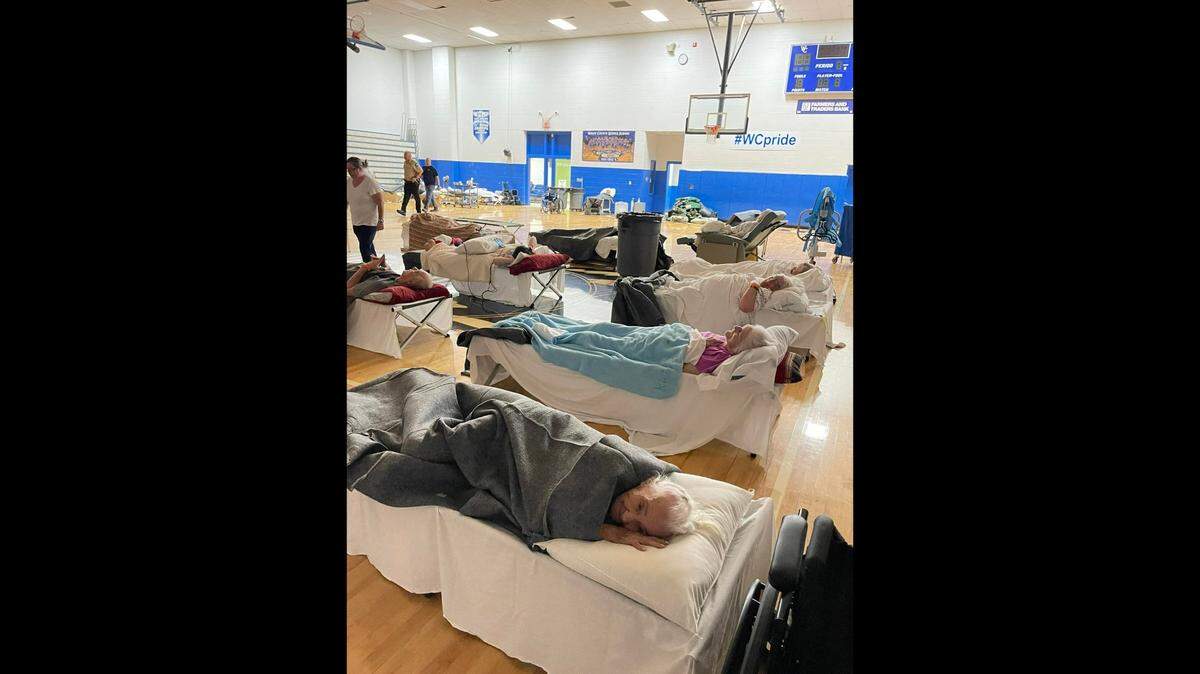
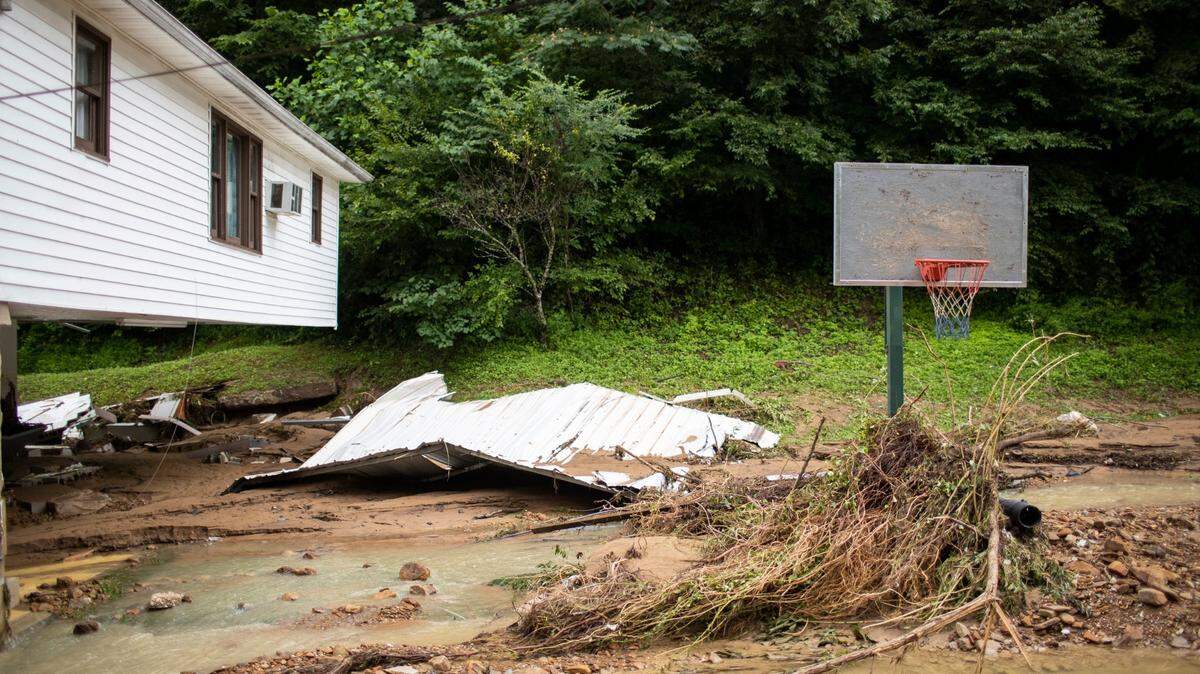
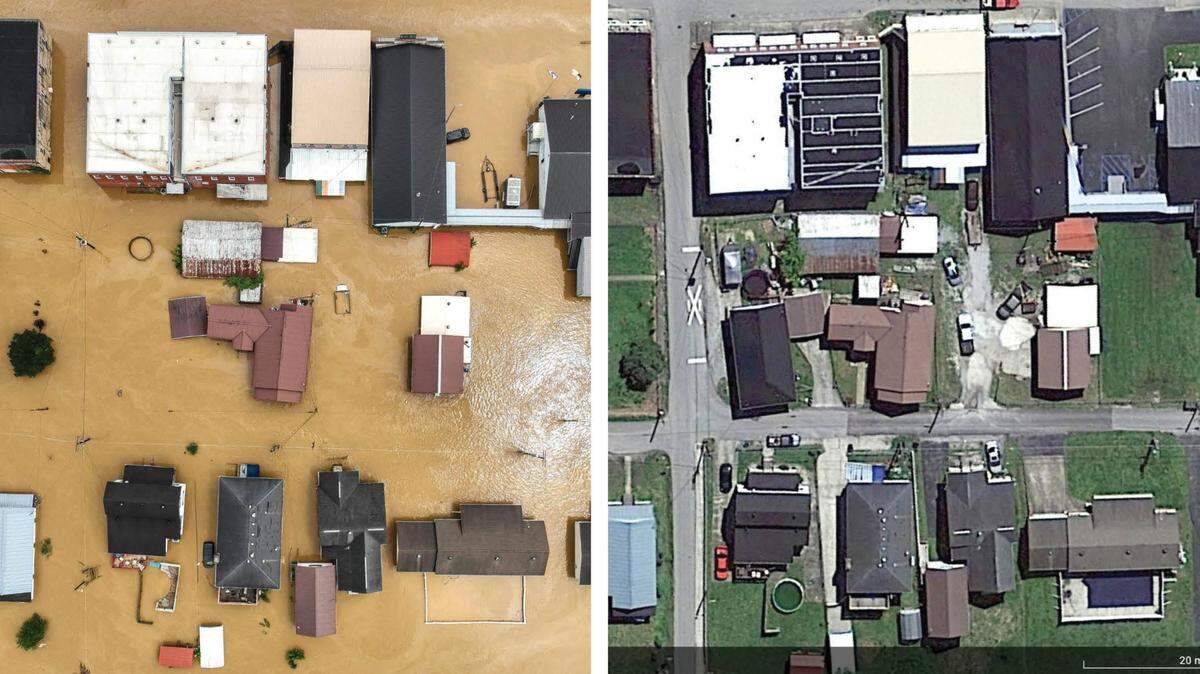
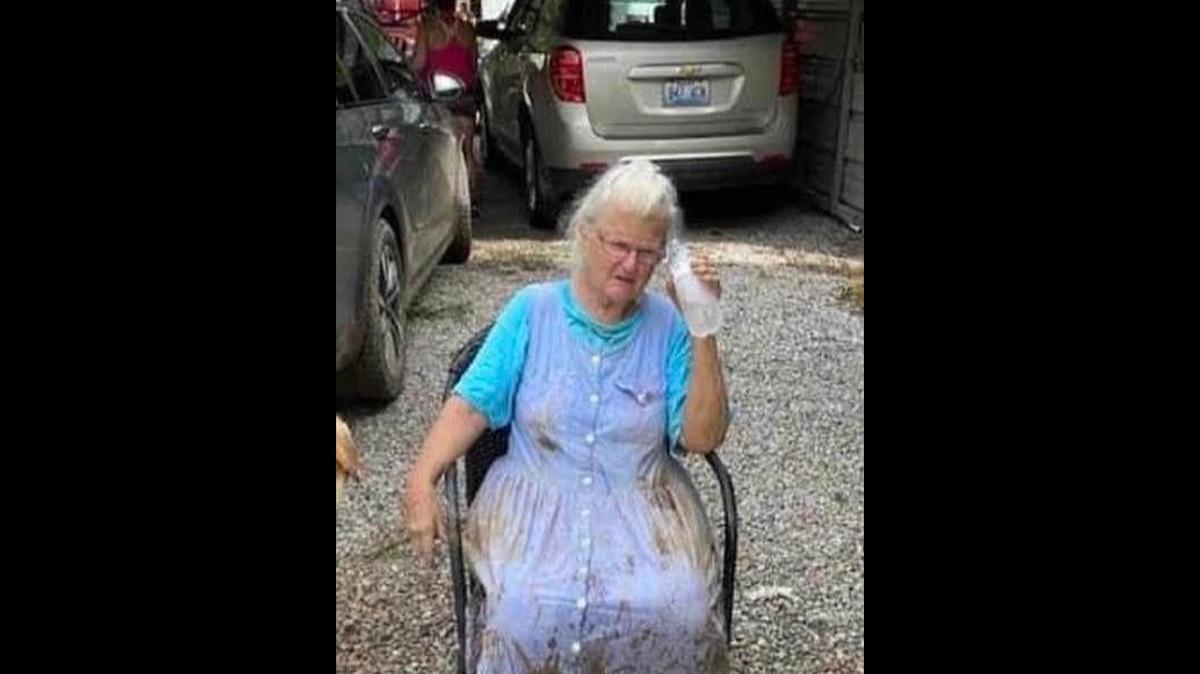
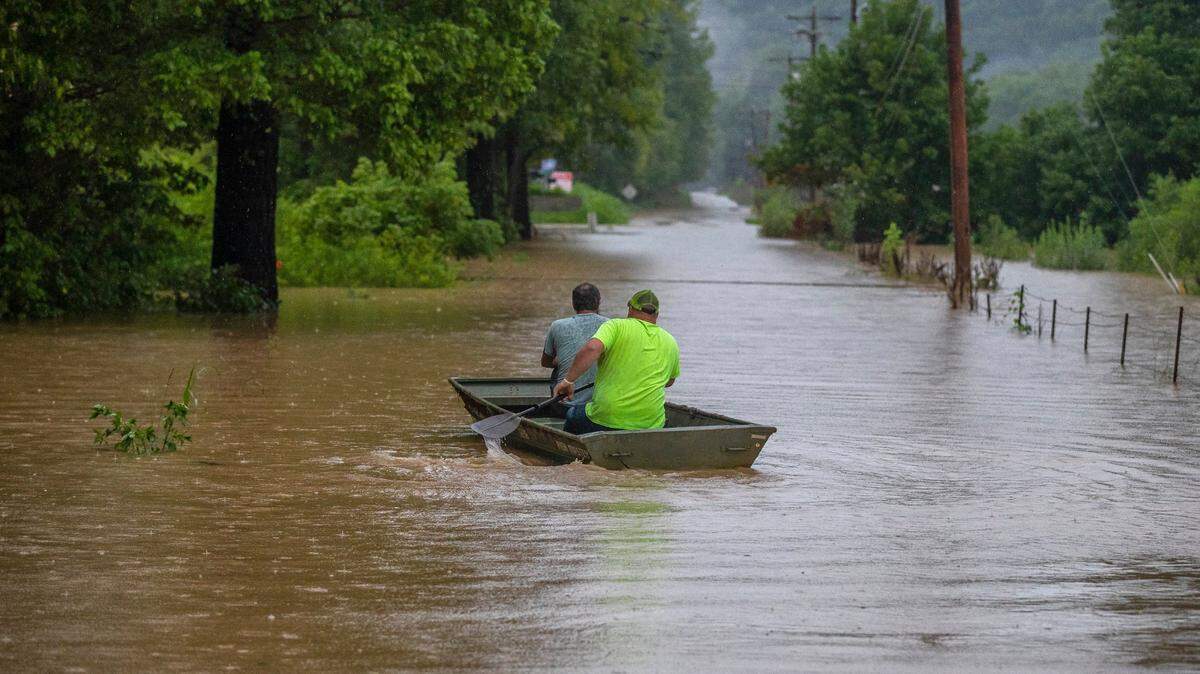
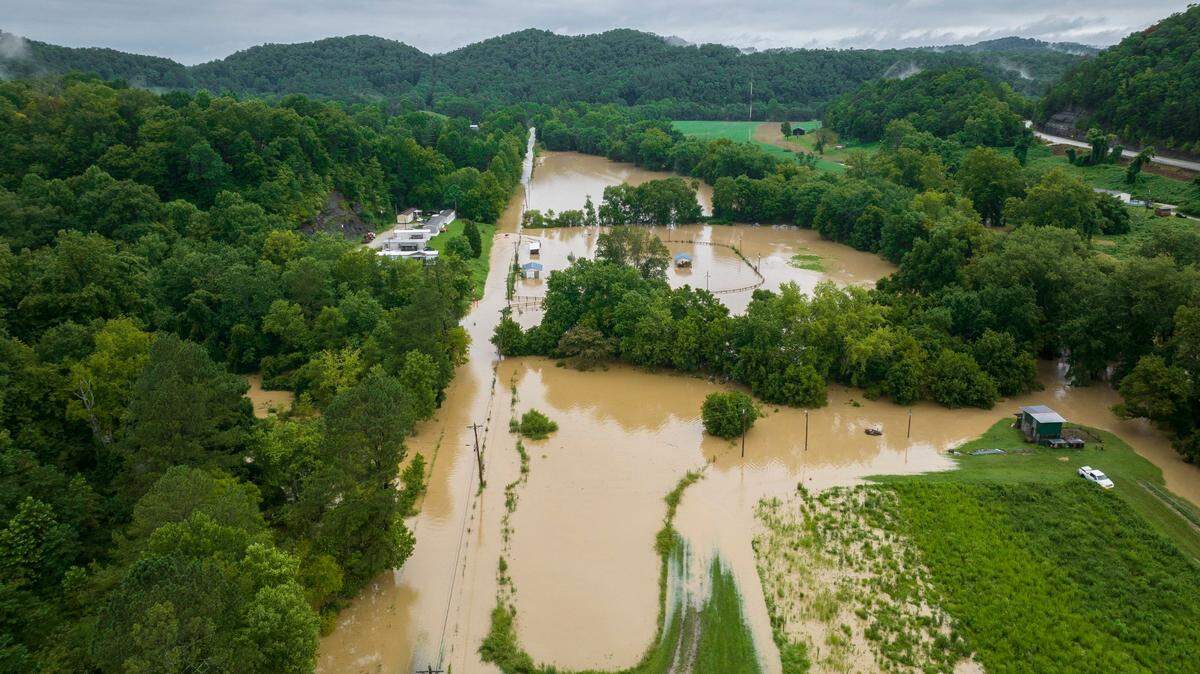
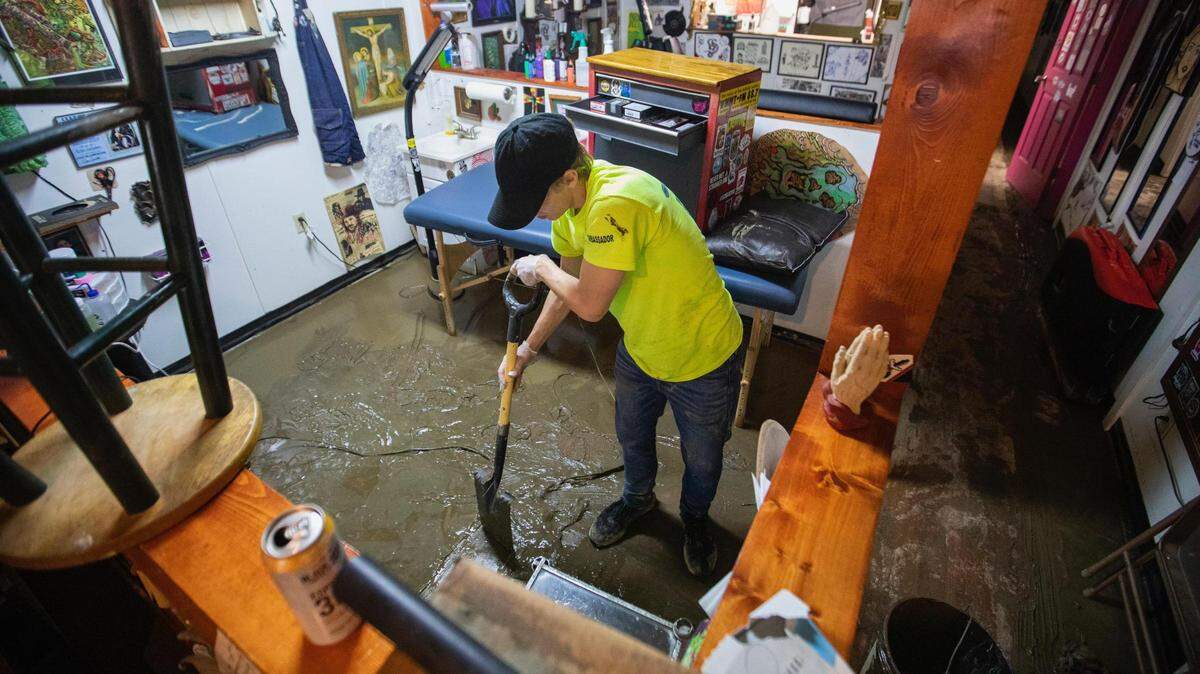
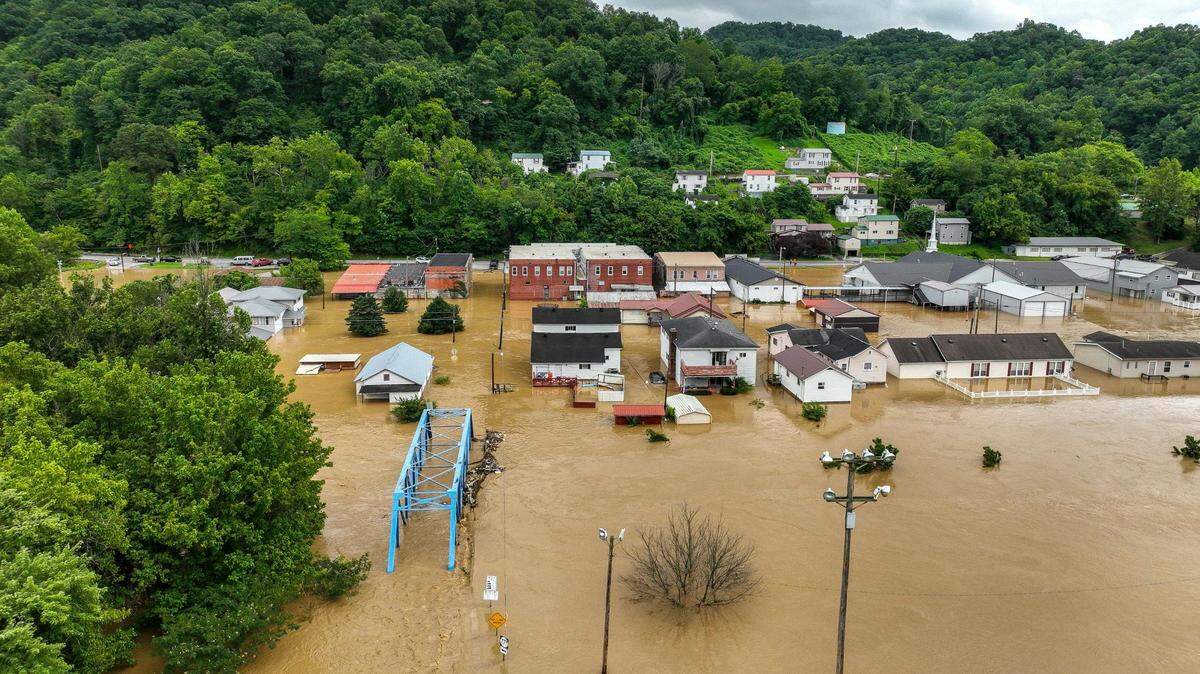
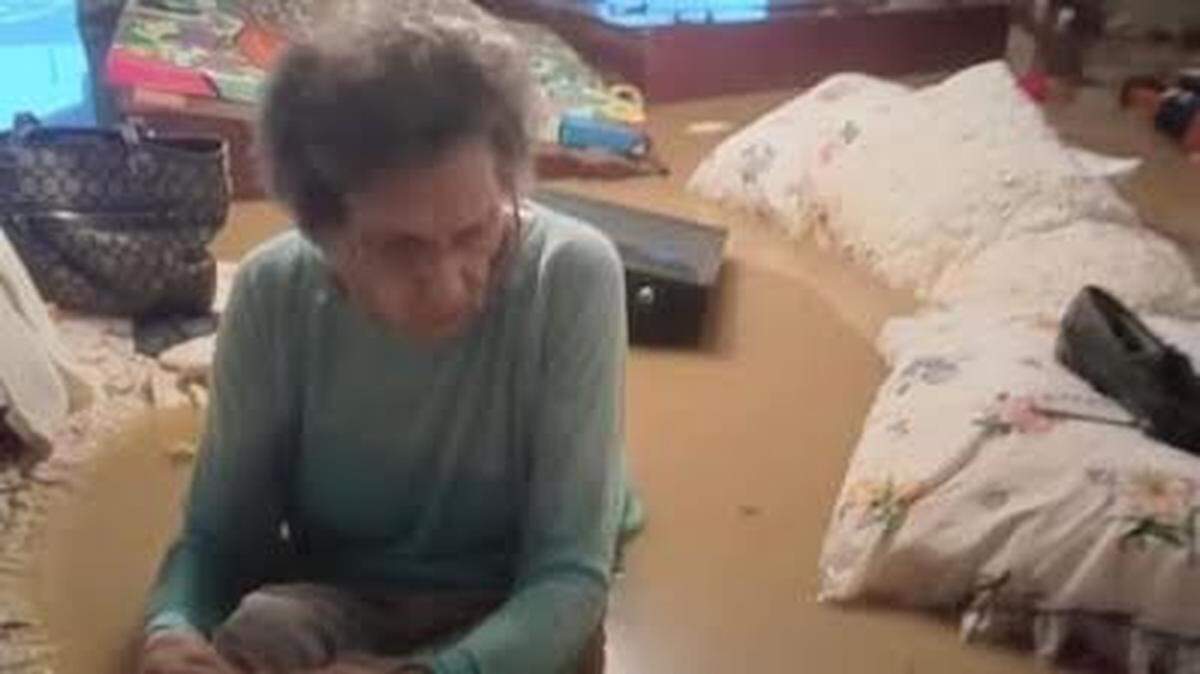
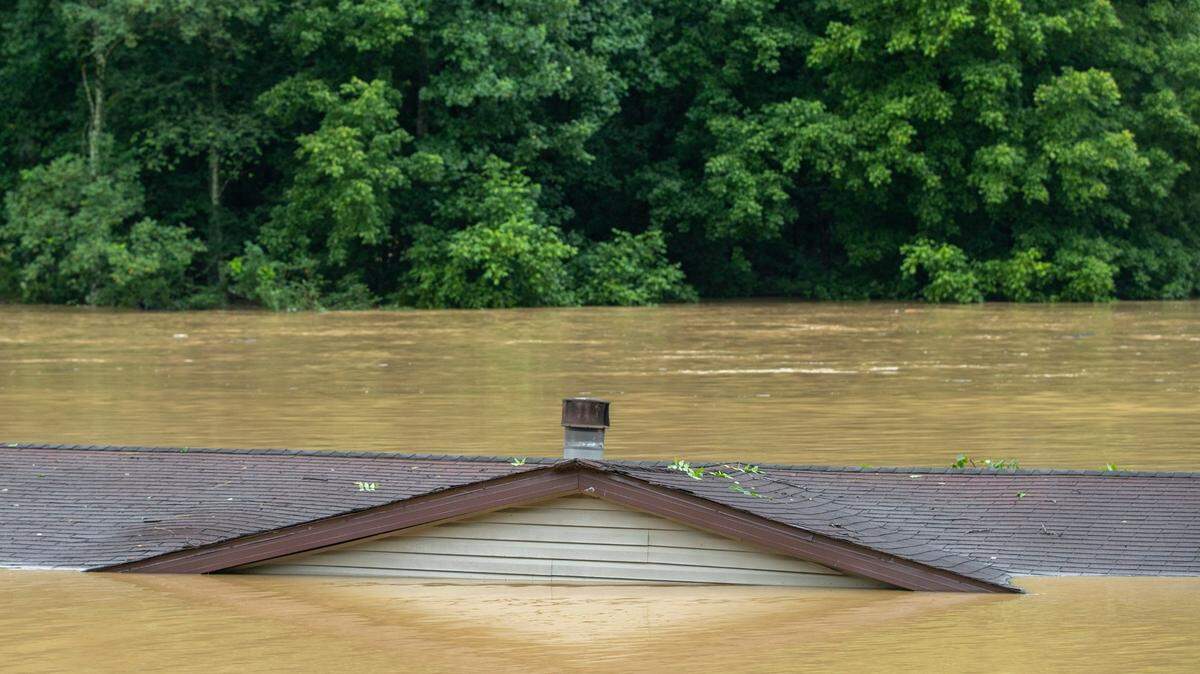
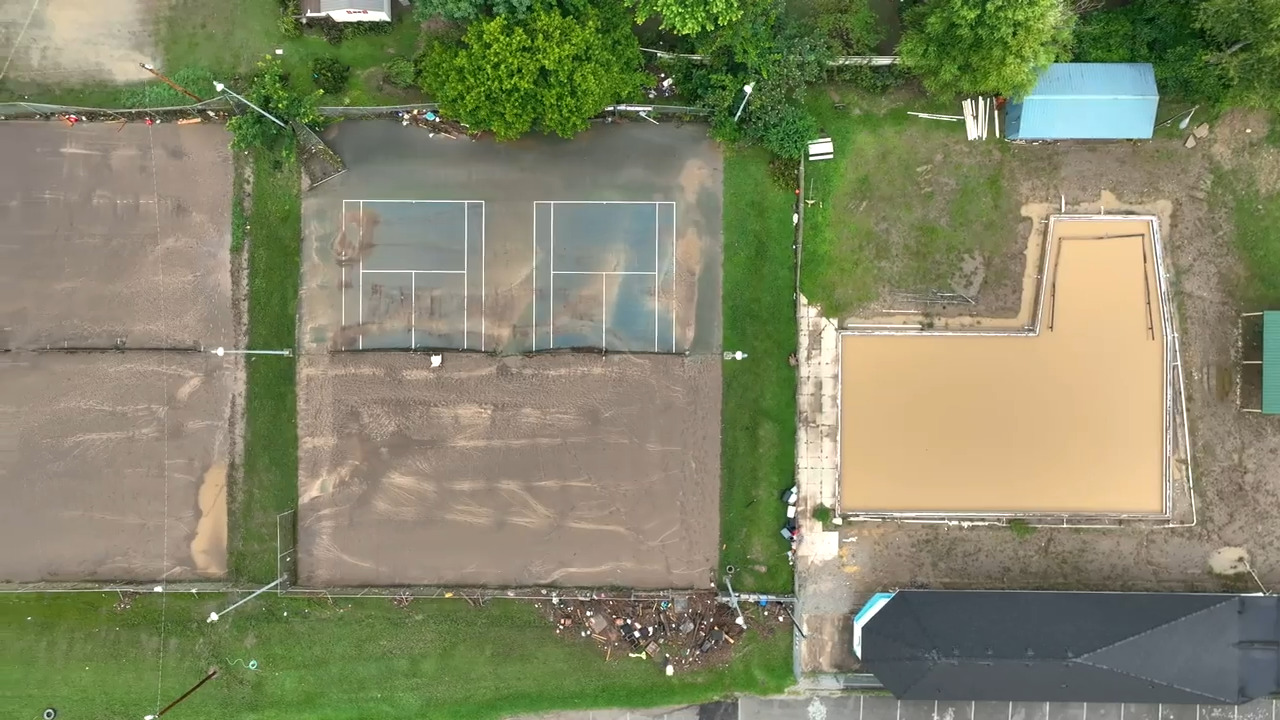
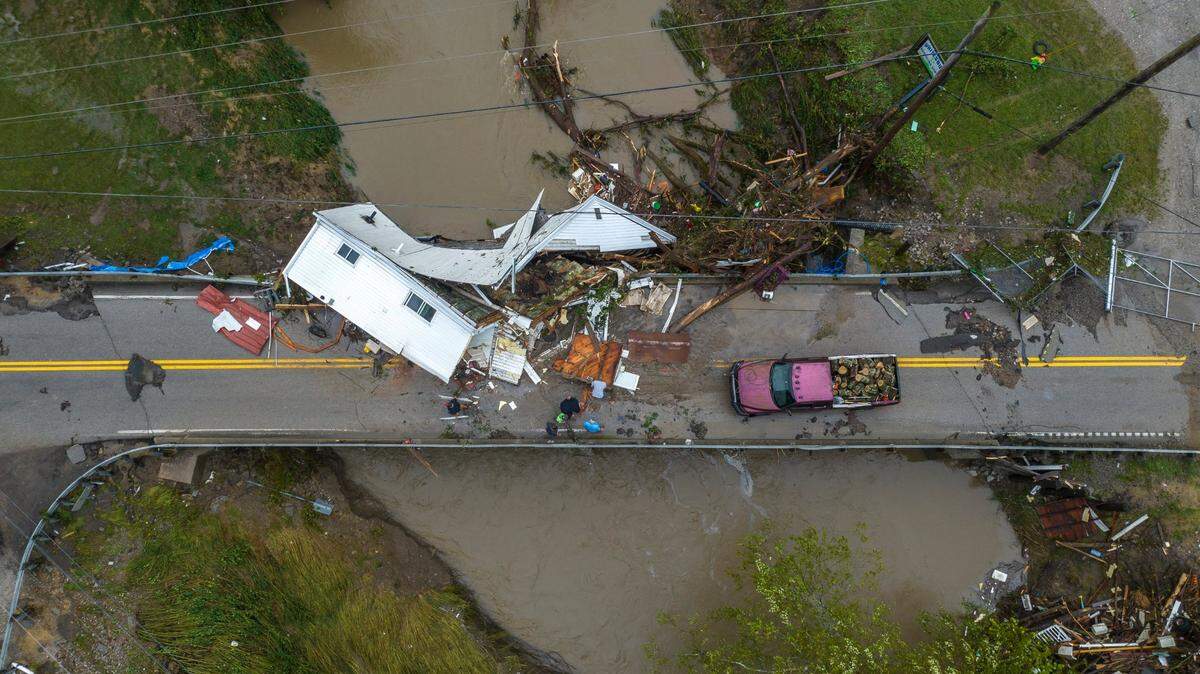
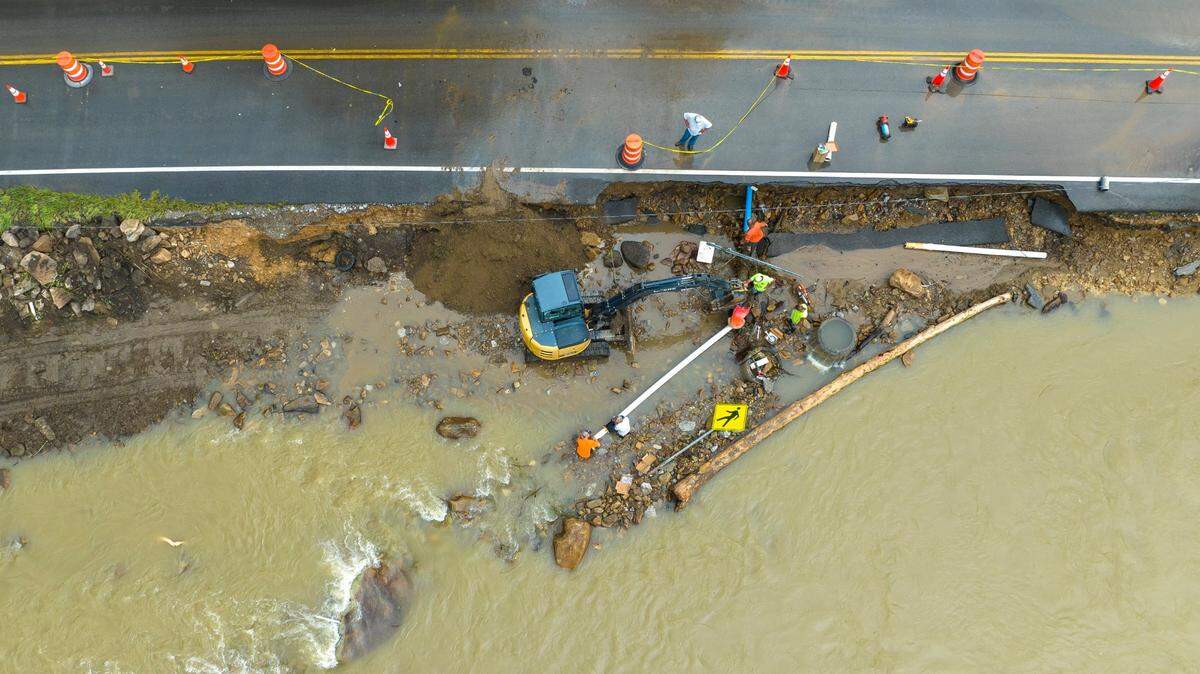
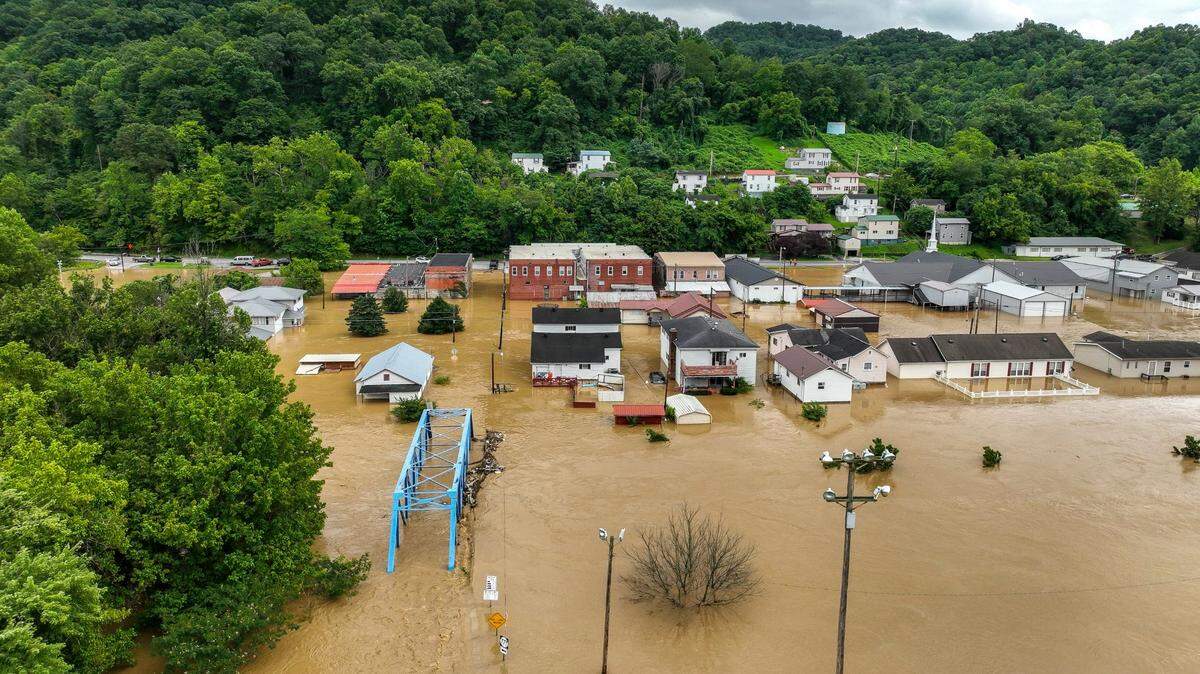
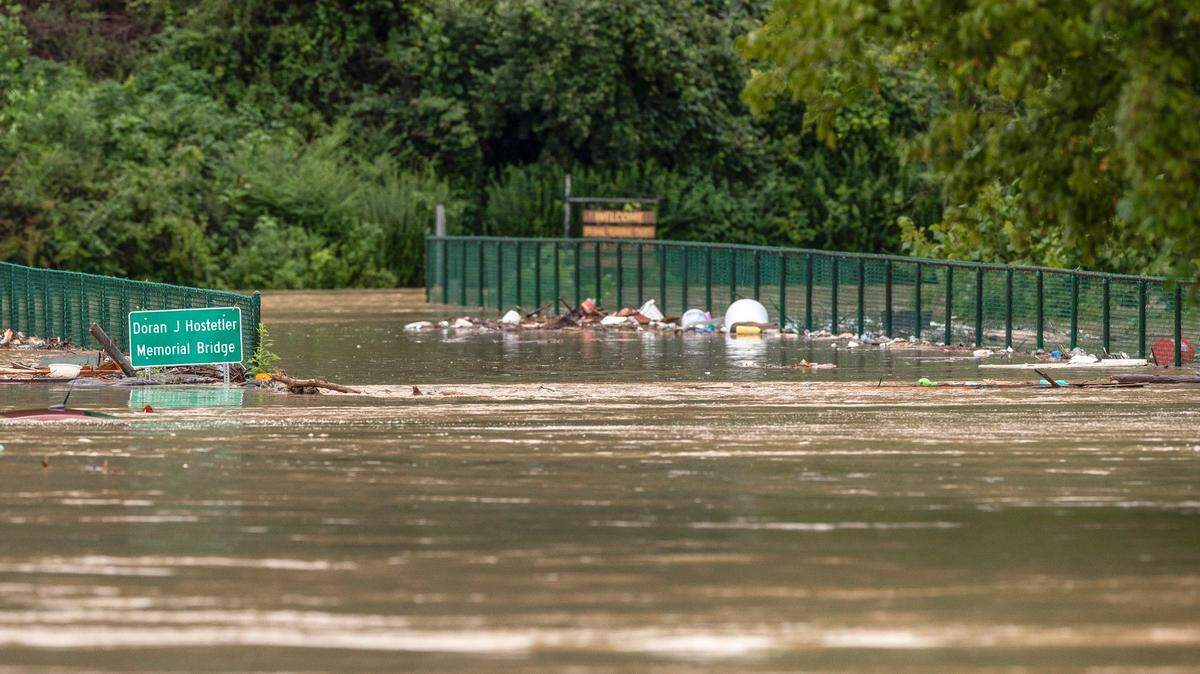
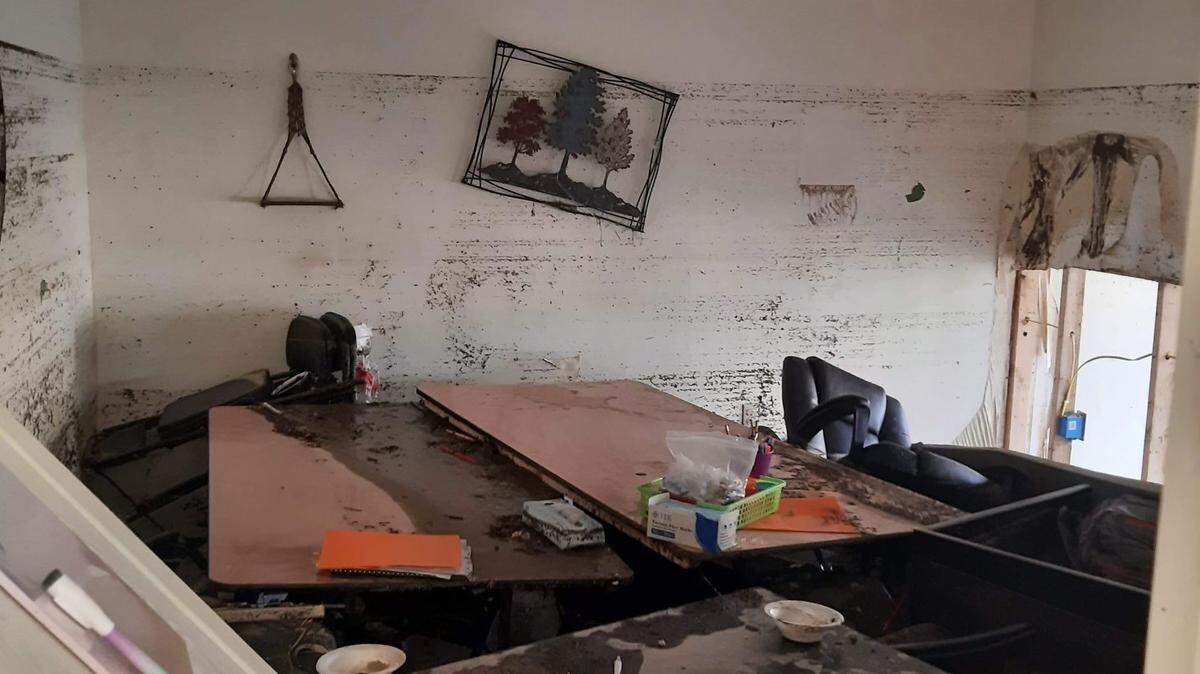
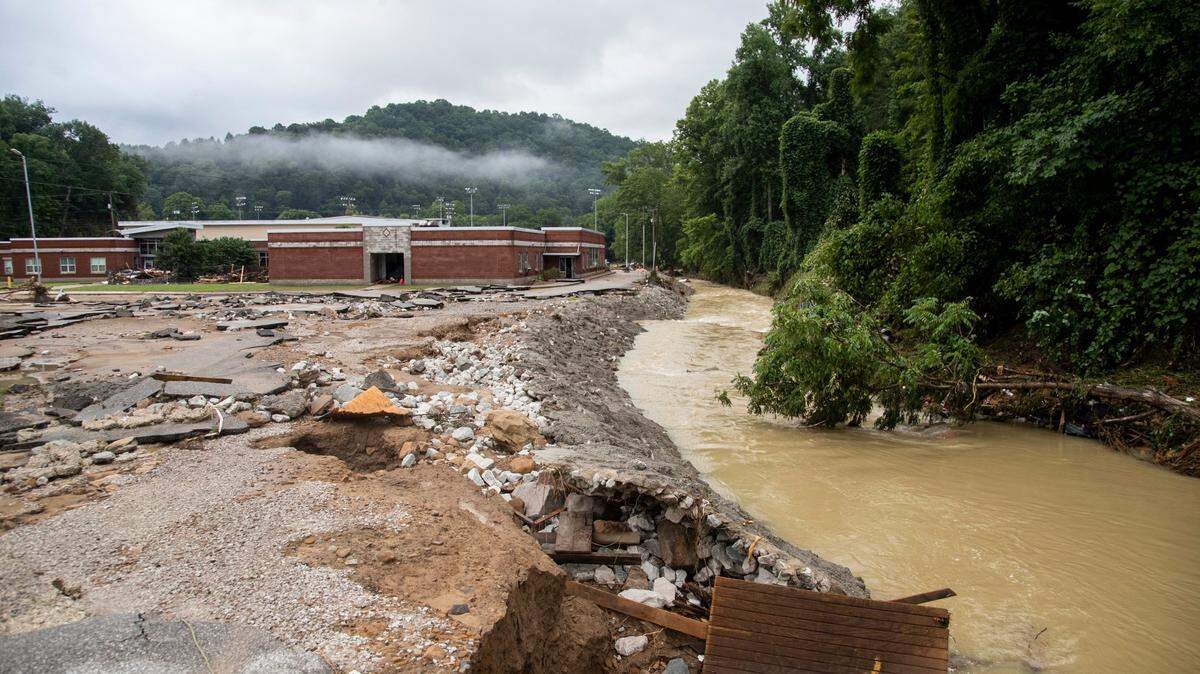
“Catastrophic” flash flooding hit parts of Eastern Kentucky July 28, 2022.
Expand All
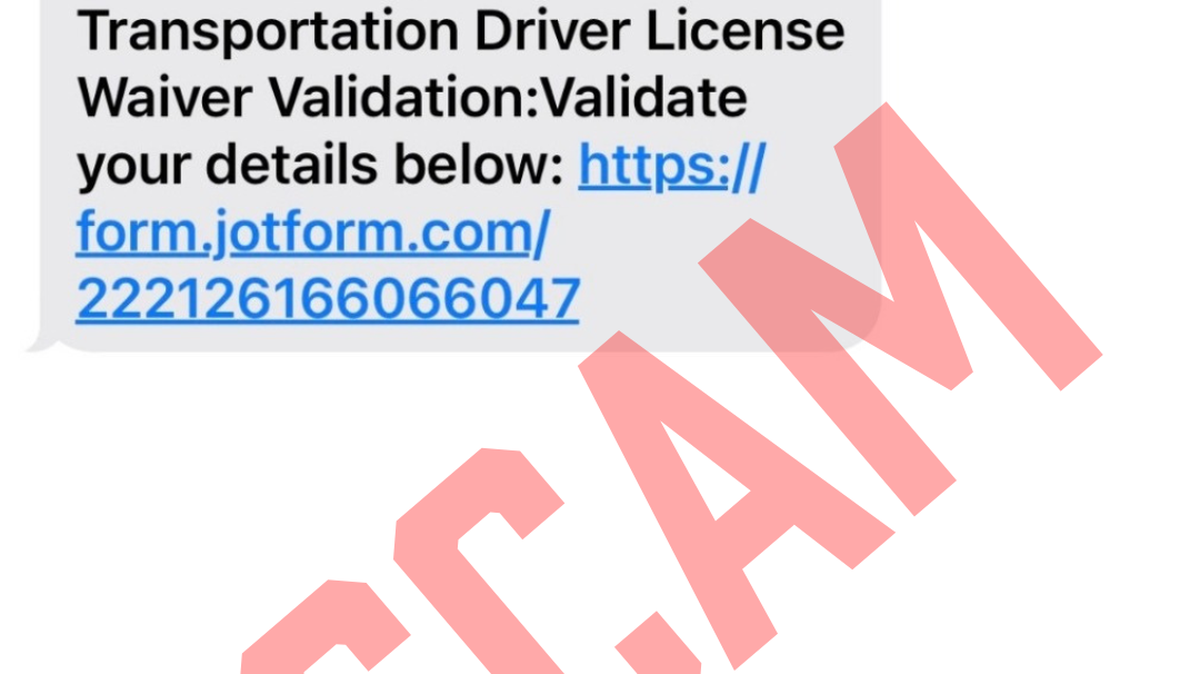
Eastern Kentuckians struggling to sort through the wreckage and rebuild their lives in the wake of historic flooding should be alert to scams and fraud after disaster.
That’s one message from the Federal Emergency Management Agency, which is warning that criminals and con artists may try to trick flood victims out of their money or personal information.
In some cases, scammers may even try to apply for FEMA assistance using names, addresses and Social Security numbers they’ve stolen from their victims, the agency said in a release.
In general, be aware of anyone who comes to your home offering assistance. Always ask for ID before providing them information.
Be especially alert to any unexpected phone calls or visits to your home from people claiming to be FEMA housing inspectors or those claiming they work for the federal agency.
Some tips to avoid scams after a disaster
You should never believe anyone who promises a disaster grant in return for payment.
FEMA and U.S. Small Business Administration representatives will never charge you for inspections or for help in filling out applications.
FEMA Disaster Survivor Assistance teams are already working in Kentucky. They carry official identification badges with photo IDs.
An actual FEMA representative will have your FEMA application number.
Don’t give your banking information to a person claiming to be a FEMA housing inspector. FEMA inspectors are never authorized to collect your personal financial information.
How do I know if I’ve been the victim of a scam?
If a FEMA inspector comes to your home and you did not submit a FEMA application, your information may have been used to create an application.
In that case, FEMA asks that you inform the inspector that you did not apply for assistance so the inspector can freeze the request.
If you did not apply for assistance, but received a letter from FEMA, call the FEMA helpline at 800-621-3362 That helpline will submit a request to stop any further processing of that application.
If you do want to apply for FEMA assistance after stopping an application made in your name without your knowledge, the helpline will assist you in creating a new application.
If you believe you are the victim of a scam, report it immediately to your local police or sheriff’s department or contact the office of the attorney general by calling 502-696-5485 or visiting its website. To file a fraud complaint, go online to Scam Report.
If you suspect fraud involving FEMA, you can report it to the FEMA fraud branch by emailing StopFEMAFraud@fema.dhs.gov, faxing 202-212-4926 or writing to FEMA Fraud and Internal Investigation Division, 400 C Street SW Mail Stop 3005, Washington, DC 20472.
If you suspect identity theft, visit Identity Theft | FTC Consumer Information or IdentityTheft.gov.
Common scams to watch out for after a disaster
According to the United Way, the following are red flags you should be on the lookout for after a natural disaster sweeps through your area:
- One-day-only discounts
- Aggressive sales pitches
- Requirement of upfront payment
- You’ve never heard of the company and it does not have a local, physical address
- They cannot produce a business license or written information about the company
- They don’t have references, but offer of vague endorsements from neighbors a few streets over
The United Way advises never hiring a contractor on the spot.
Before hiring to do any work on your home, get your insurance company to survey the damage. They will likely give you an approved list of repair companies.
You can also verify a contractor is legit by checking with the Better Business Bureau.
A good contractor will always provide you with a written estimate of the cost of the repairs on your home.
Read the estimate before signing or making any kind of payment. Though some contractors require a deposit to begin work, it should never be more than 25% of the total estimate, and you should not pay anything until the materials needed to complete the job are delivered to your home, per the United Way.
The Kentucky attorney general’s office did not immediately comment on popular disaster scams or scams that Eastern Kentucky flood victims should be aware of.
Do you have a question about disaster recovery in Kentucky for our service journalism team? We’d like to hear from you. Fill out our Know Your Kentucky form or email ask@herald-leader.com.
This story was originally published August 1, 2022 at 2:50 PM.

.png)