Eastern Ky. needs love, cash, paper towels and leaders who will act on climate change
READ MORE
Flooding in Eastern Kentucky
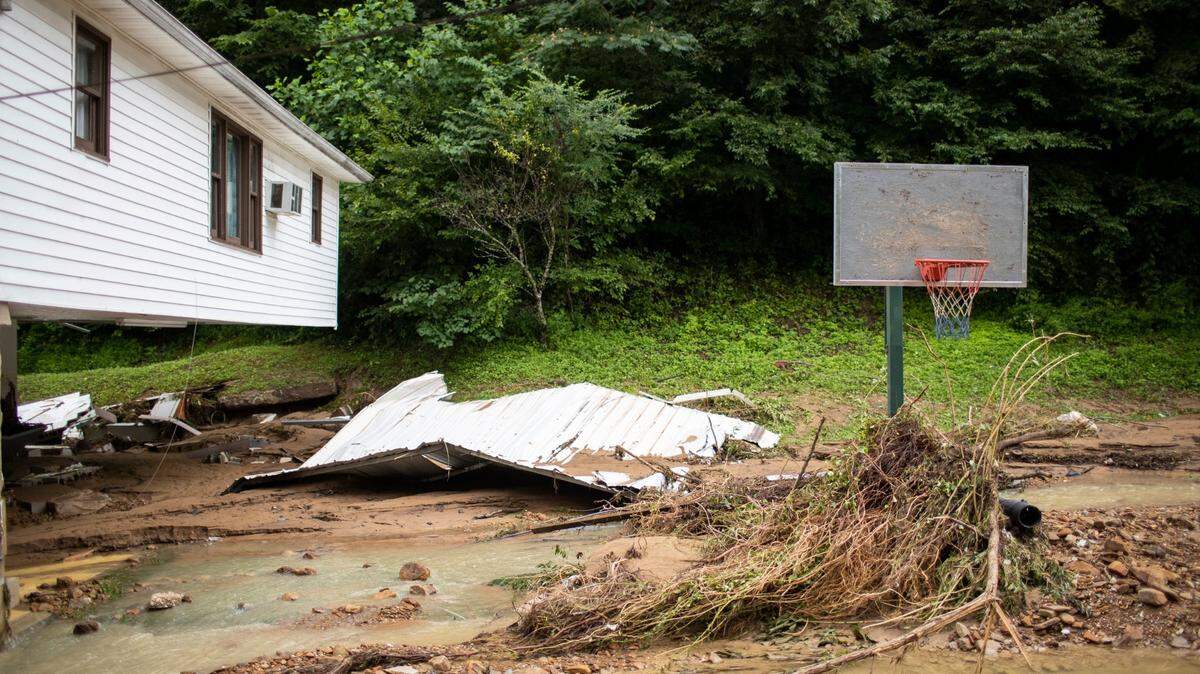
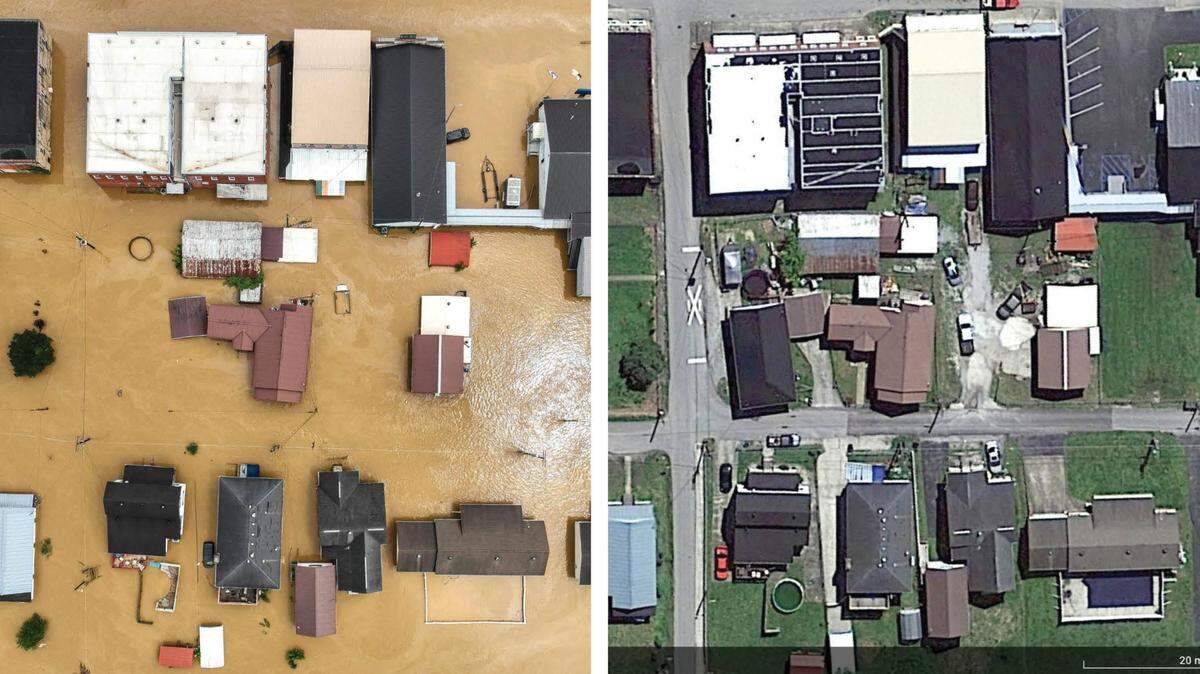
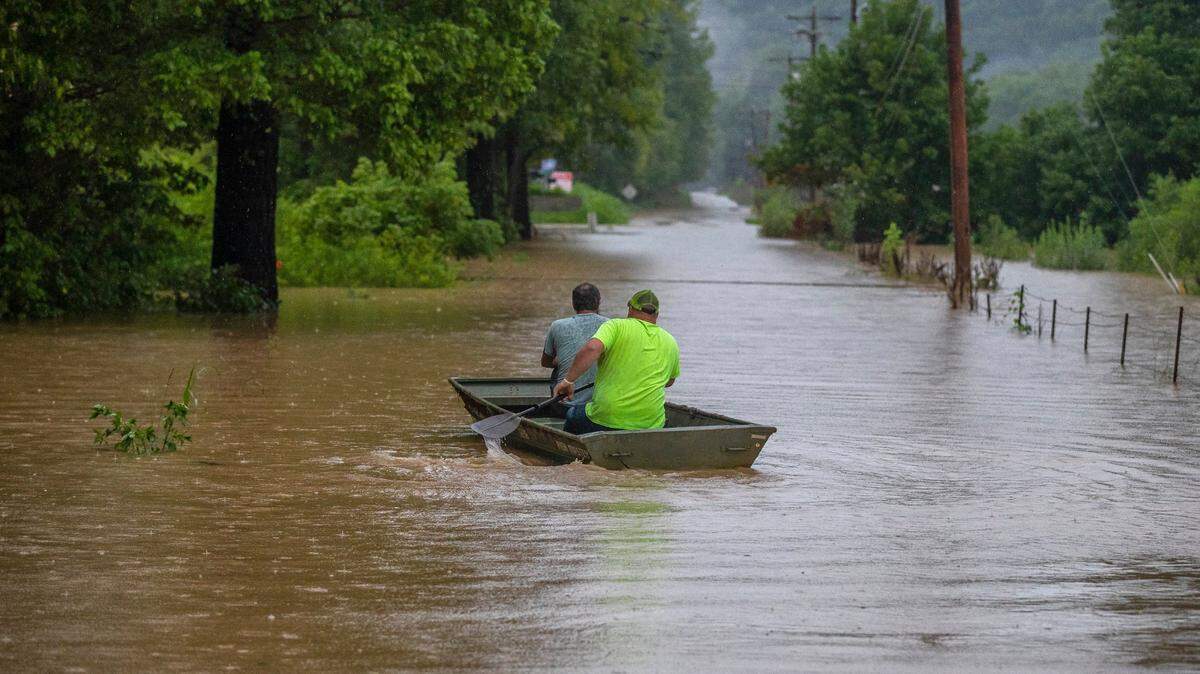
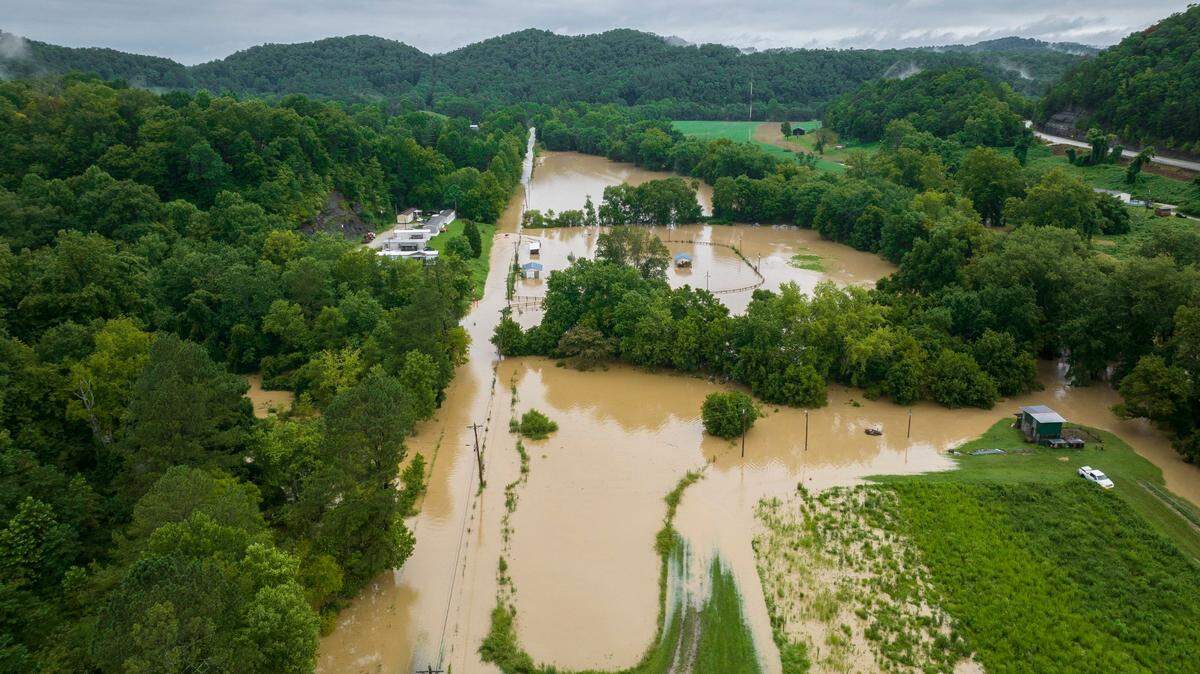
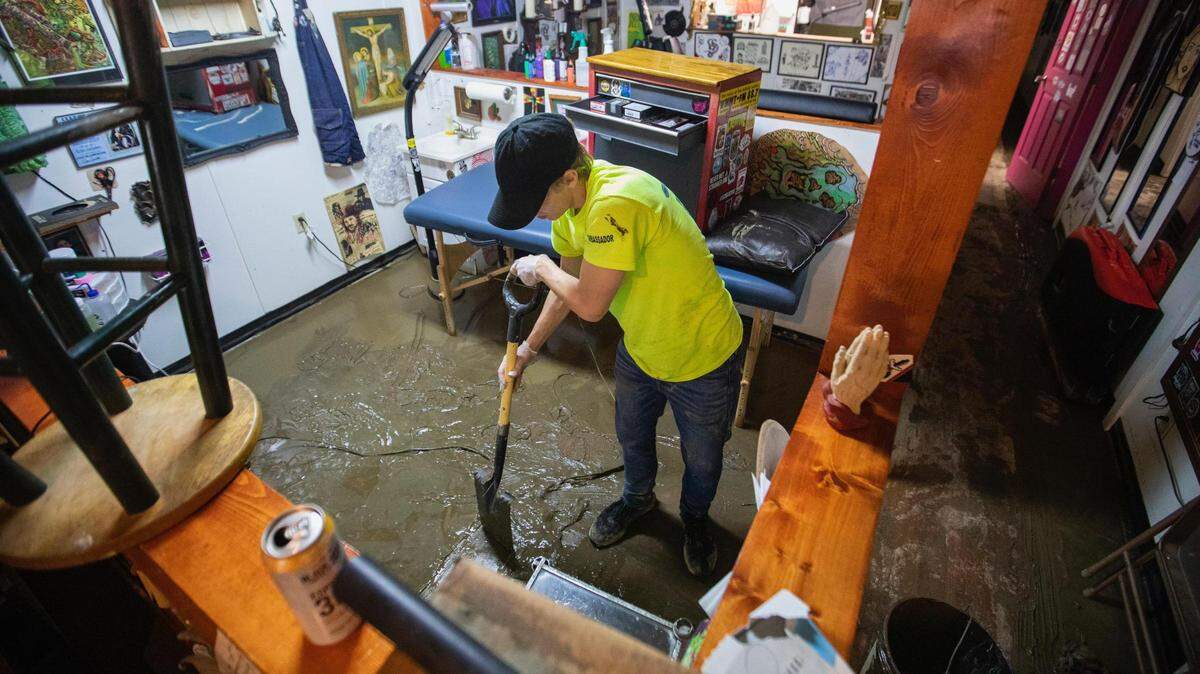
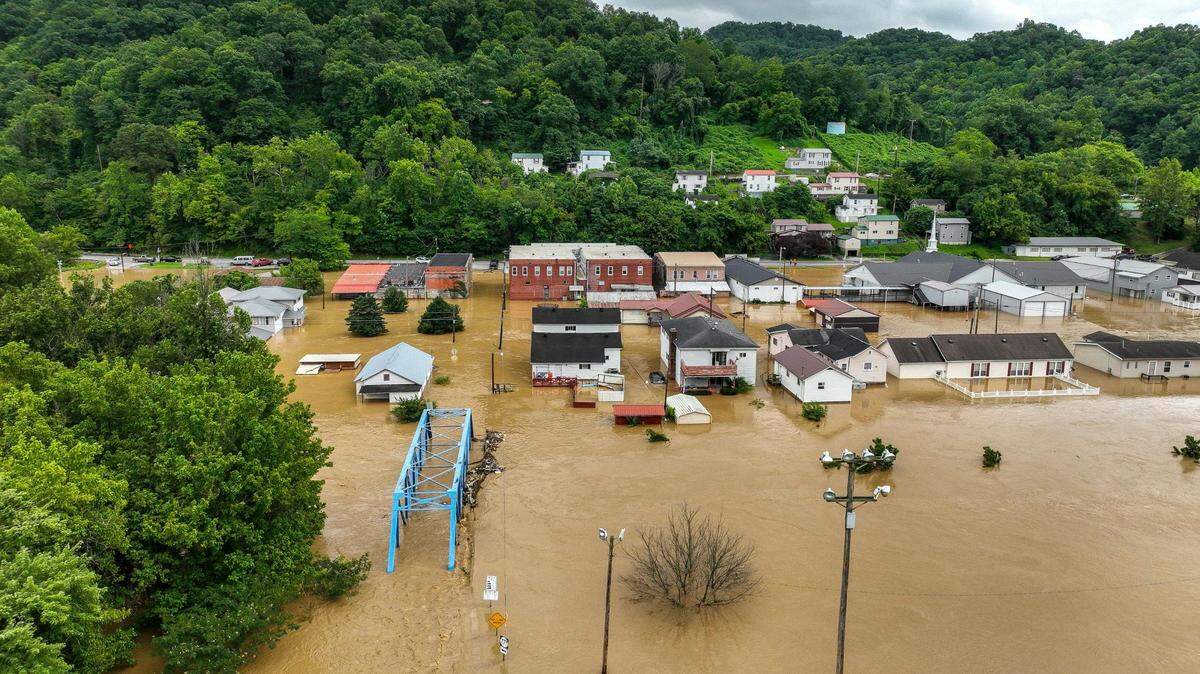
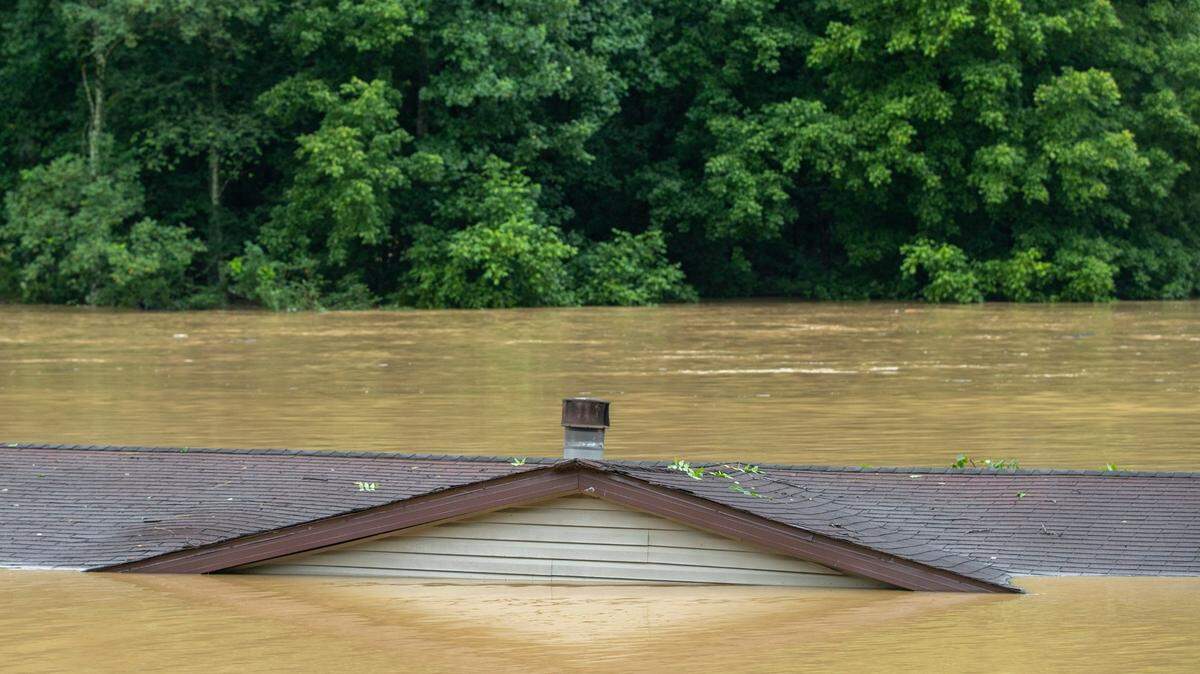
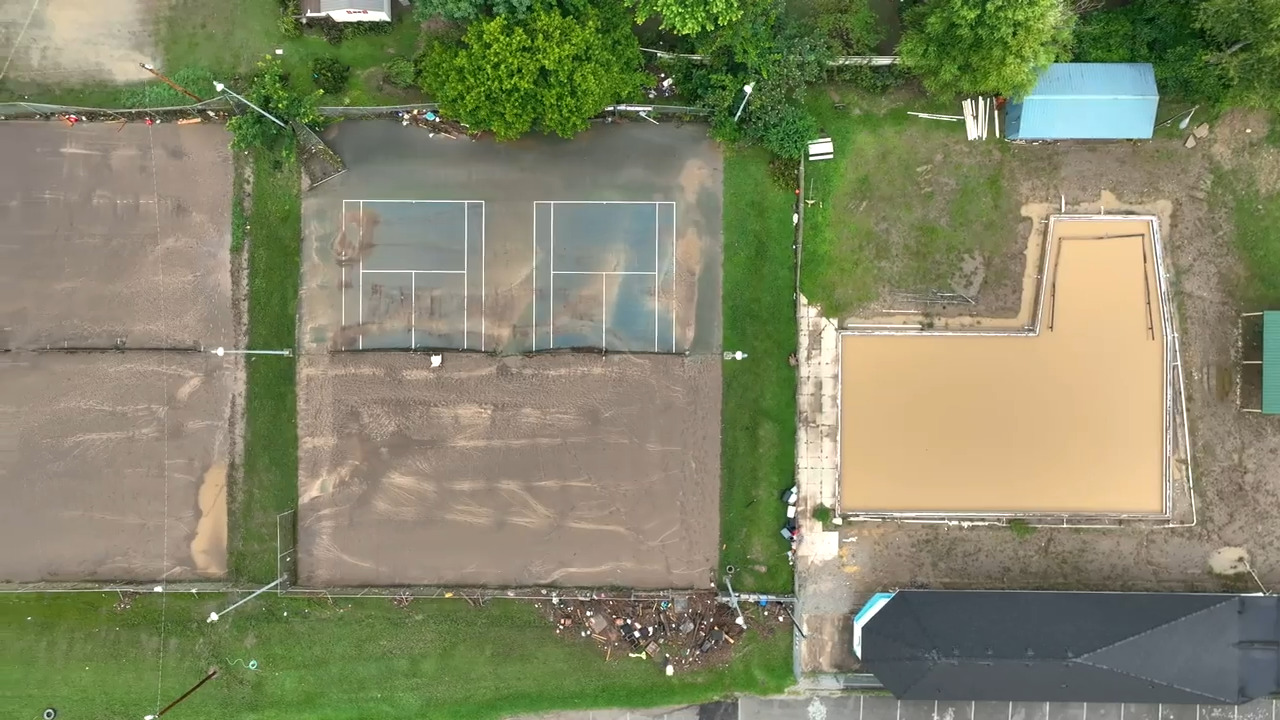
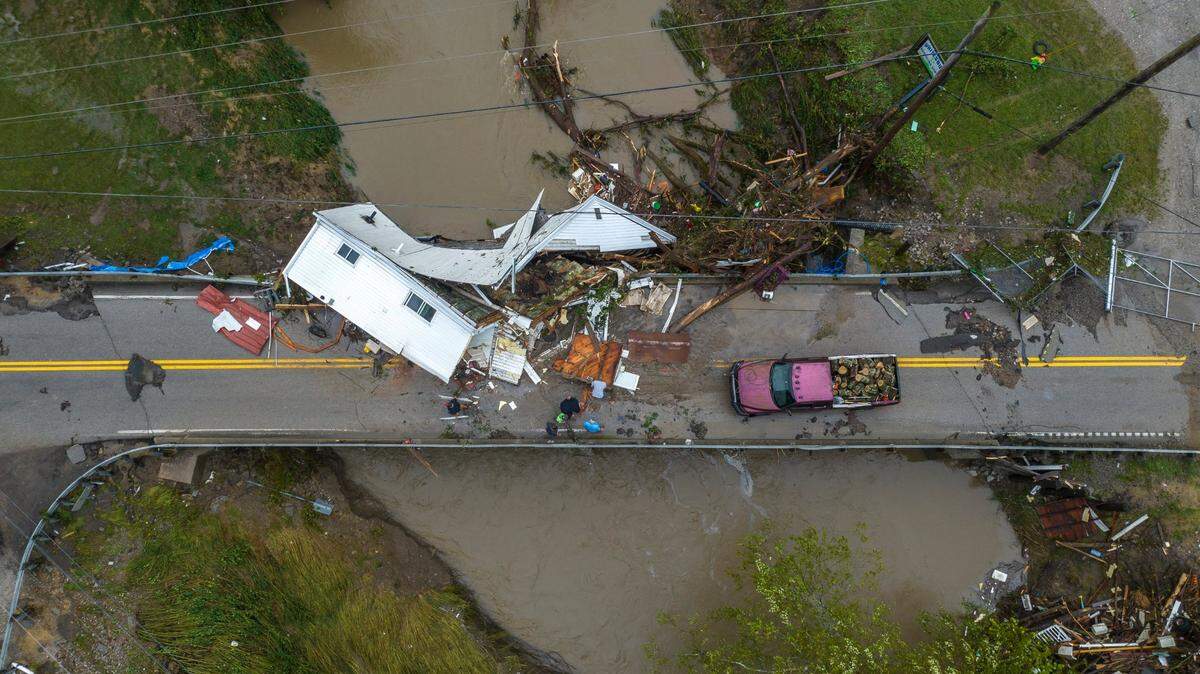
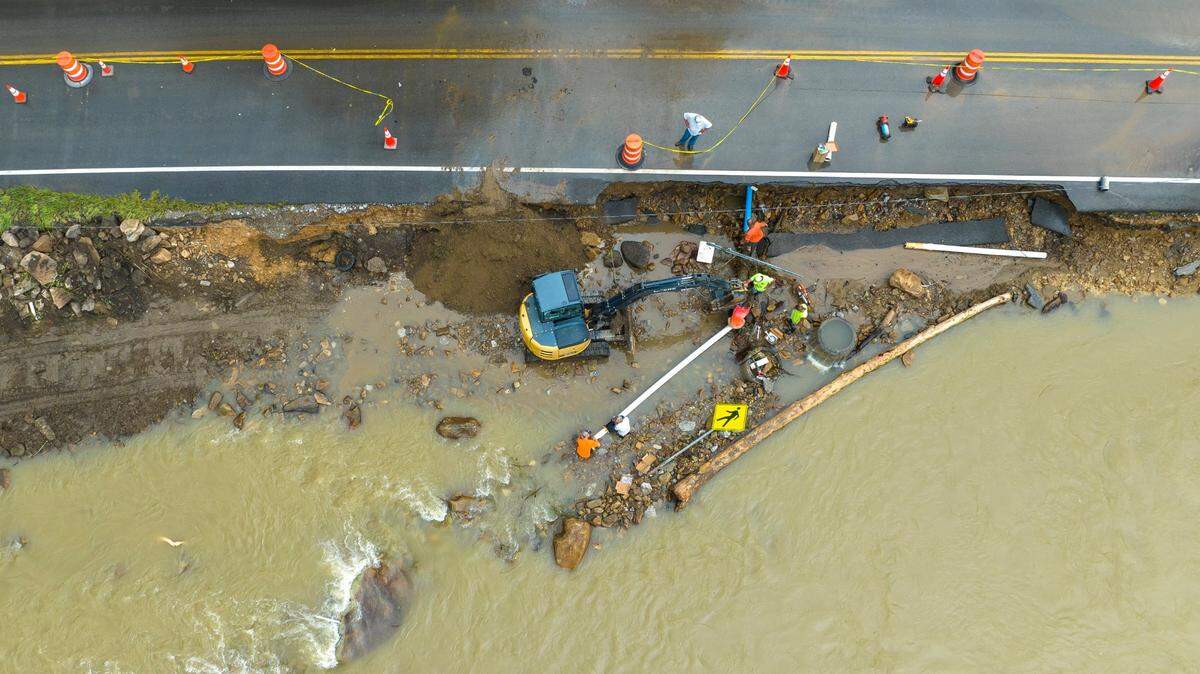
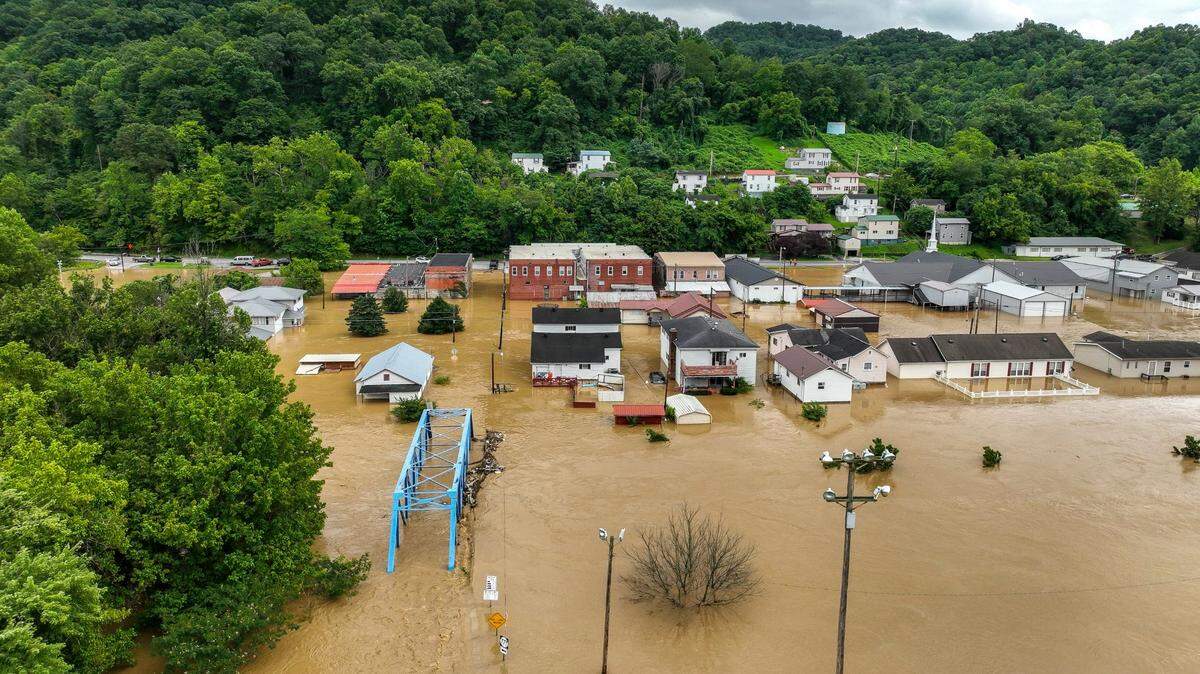
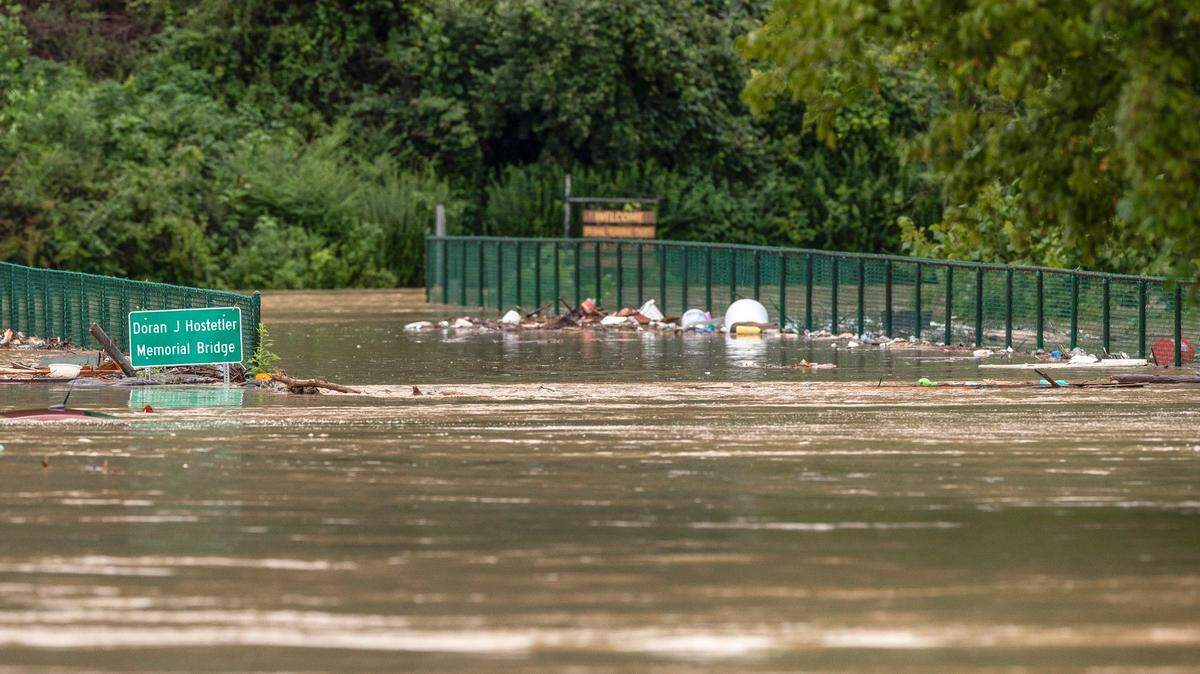
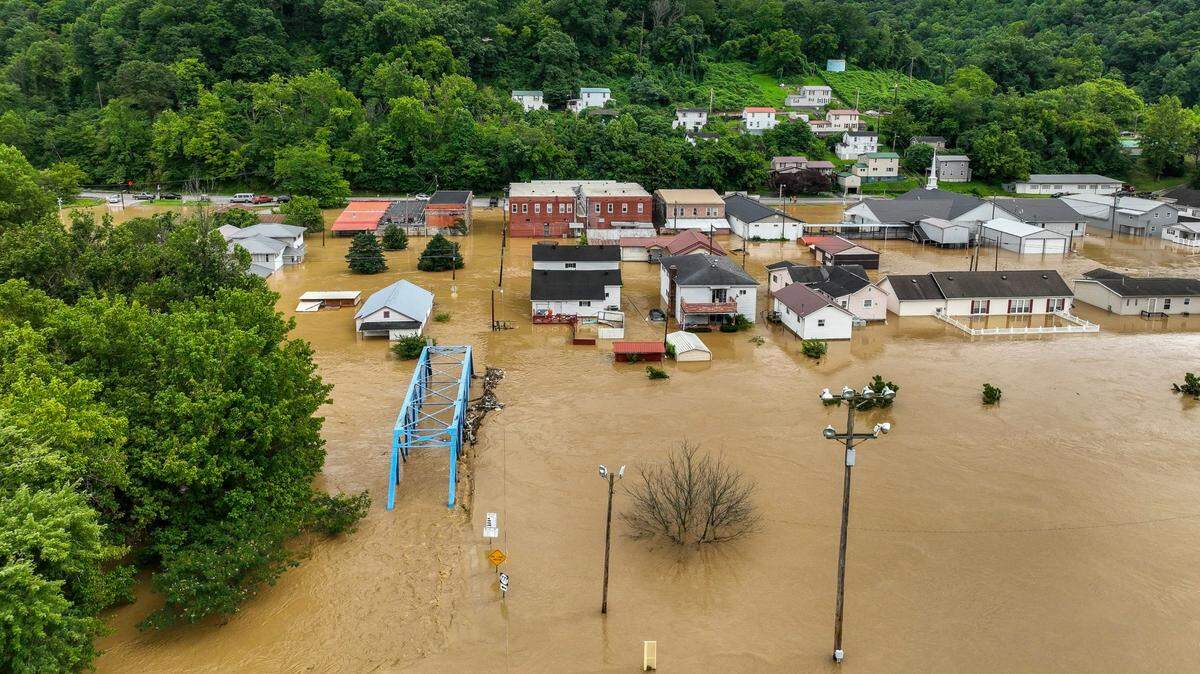
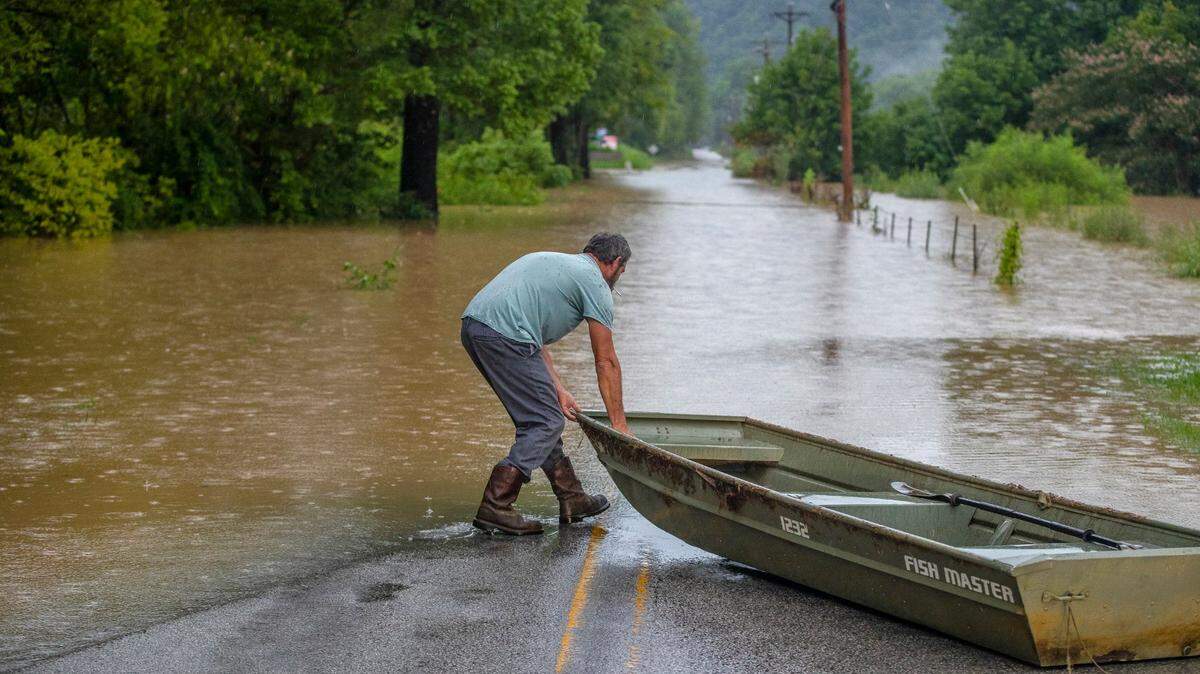
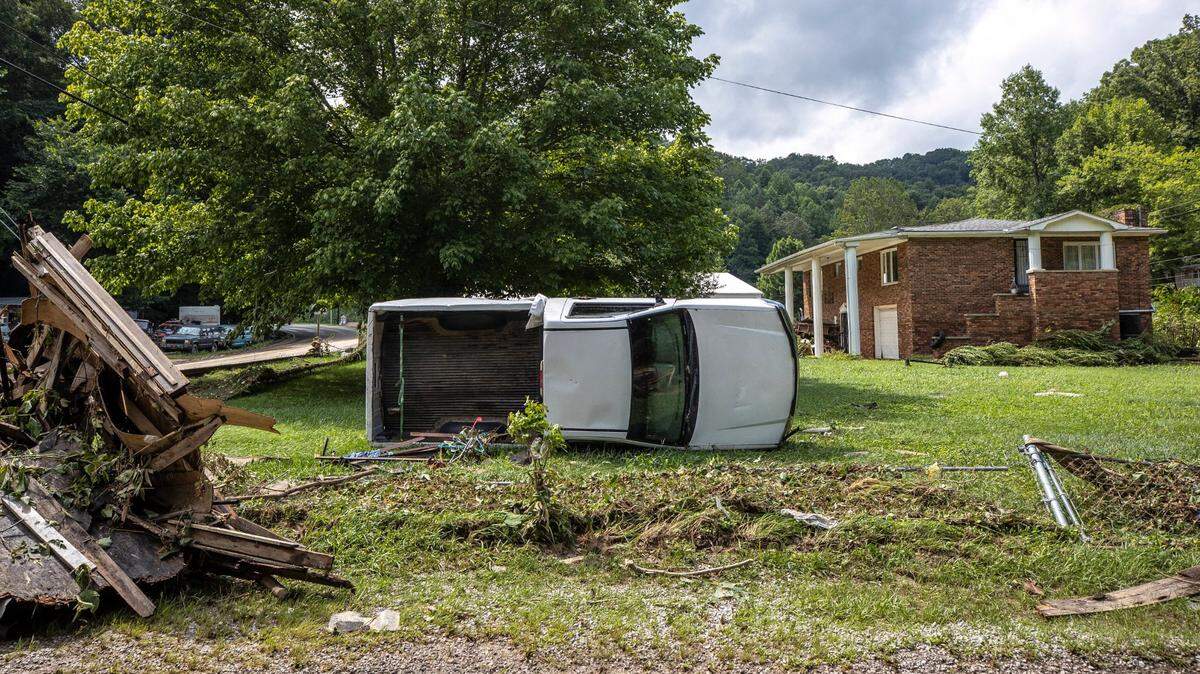
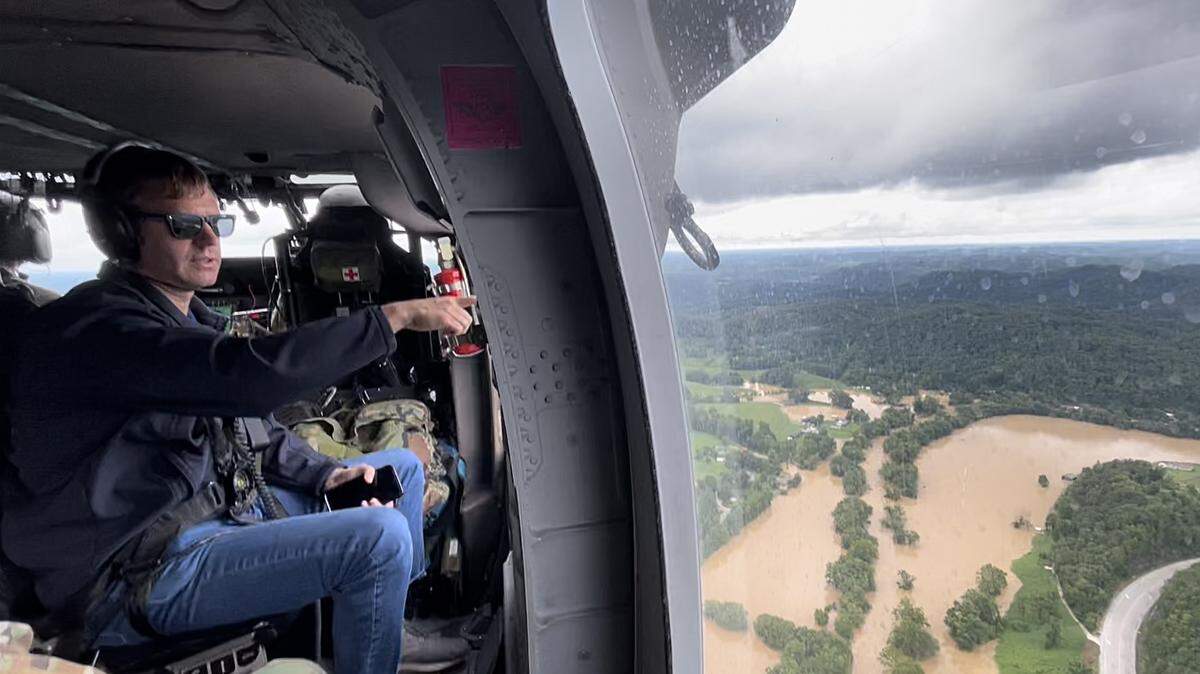
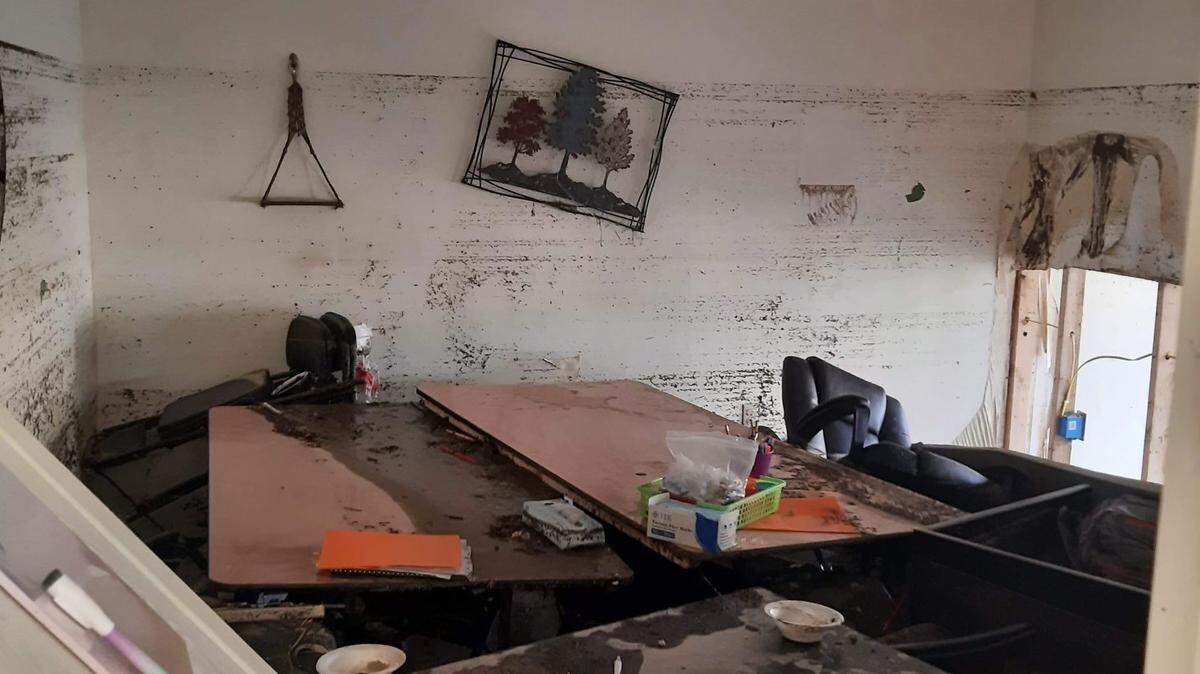
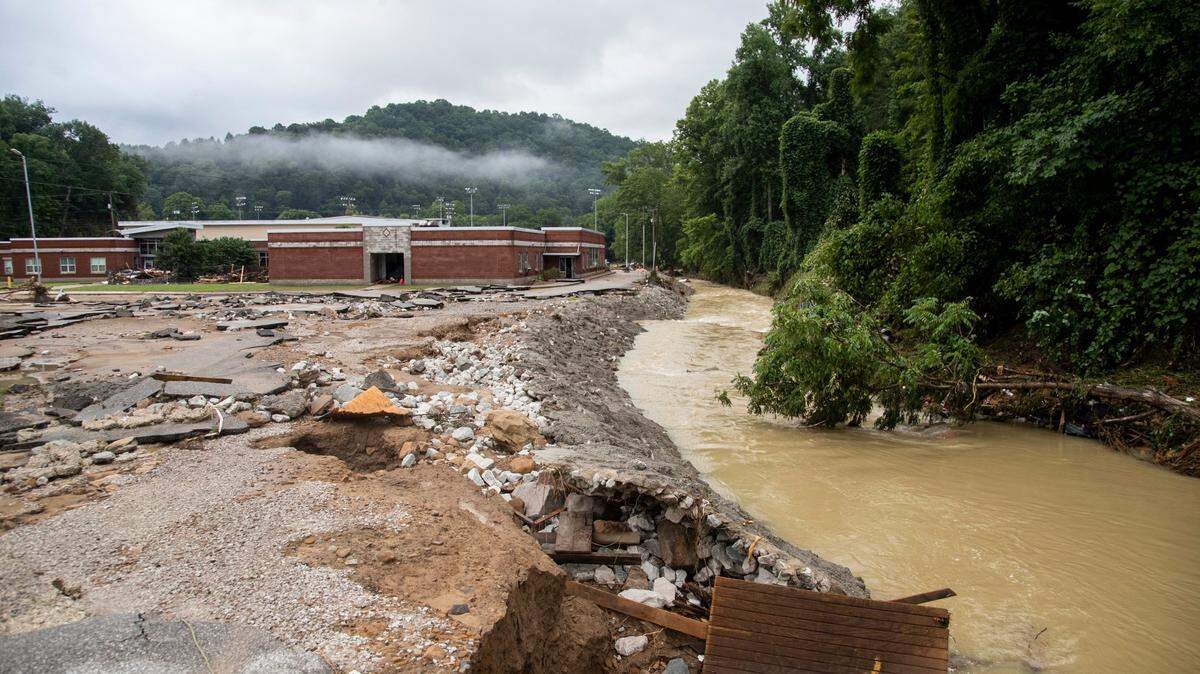
“Catastrophic” flash flooding hit parts of Eastern Kentucky July 28, 2022.
Expand All
Eastern Kentucky needs your help.
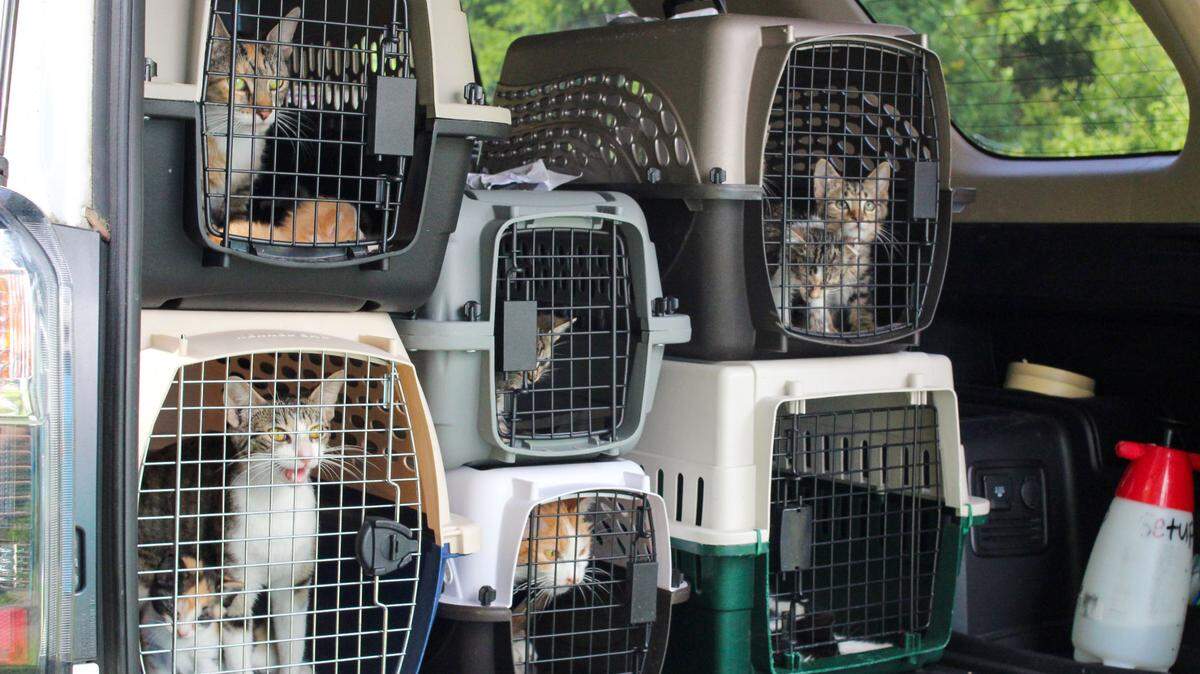
It needs your cash, and your mops and bleach and paper towels. It needs all the good will you’ve got sent across the mountains to the folks who lost their loved ones and homes and communities.
It needs your love and compassion. Sometimes, it’s hard to believe a little creek could become a deadly torrent, but we found out this morning that one family lost four children at once, babies swept from their parents’ arms by the raging water.
And when you’re done with that, here’s what else Eastern Kentucky needs: Some people who actually take climate change seriously and could start looking at these near constant natural disasters in a larger, more holistic way.
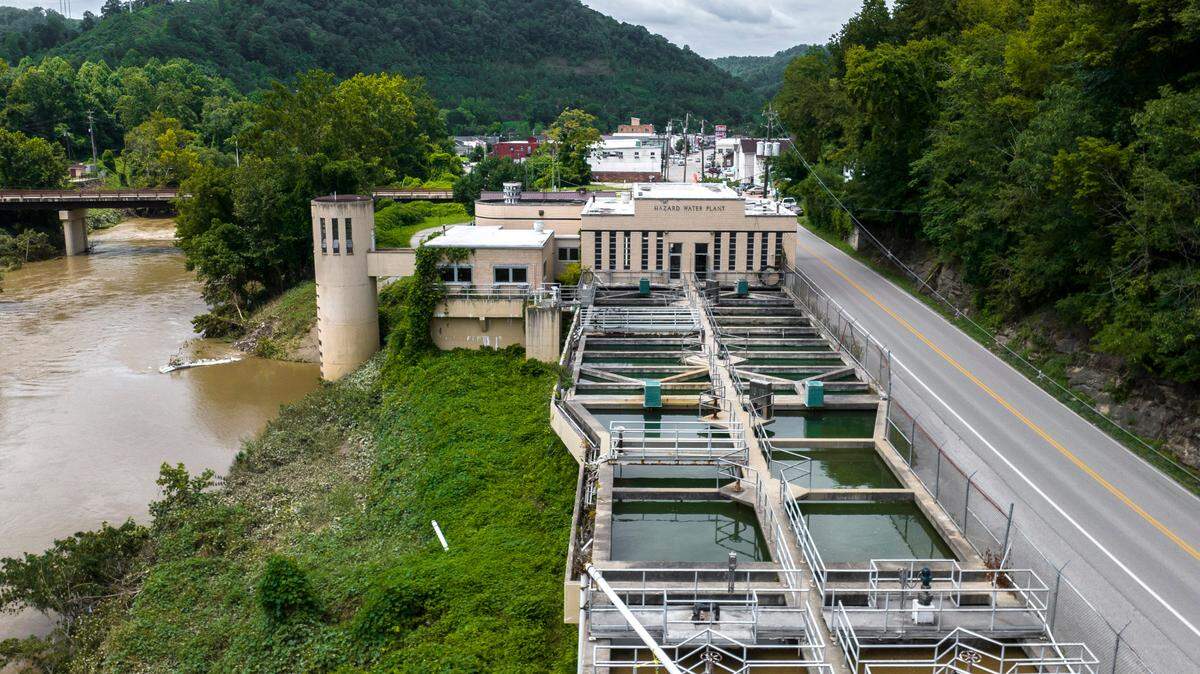
Eastern Kentucky’s natural geography of hills and narrow valleys make it prone to flooding; human interactions such as mining and timber extraction have made it more prone still. Despite all this, Kentucky doesn’t have any kind of statewide mitigation plan in place to deal with the flooding, no plans to help communities going forward.
Back in January, after another round of terrible flooding, Herald-Leader reporter Alex Acquisto wrote a terrific report on Kentucky’s flooding problems, some natural, some made by man. As she reiterated on Friday: “These floods serve as a reminder that, though flooding is Kentucky’s most common and costliest natural disaster, there is no comprehensive statewide mitigation plan for communities to rely on. There’s also no uniform funding model for at-risk communities, where resiliency studies and infrastructure to offset the severity of these natural disasters are dire needs.”
With the advent of climate change, weather is more severe, and “historic” and catastrophic flooding is more common.
Nor can Eastern Kentucky’s communities afford mitigation after years of a downturn in coal revenues. Building new drainage systems or doing mitigation studies is too expensive. It takes so long to get federal reimbursements, Acquisto wrote, that counties have to pay for cleanup themselves, leaving less money to prepare for the next flood.
Eastern Kentucky politicians, and frankly most of them across Kentucky, don’t talk about climate change lest they get accused of working against King Coal. That has in turn had a chilling effect on climate and flooding research at our public universities, and has left those politicians’ constituents at the floodwaters’ mercy.
But surely by now, after floods and tornadoes and more floods, we can all admit climate change is a problem, and there are things humans can do about it. Let’s take a page from West Virginia Sen. Joe Manchin, who held up President Joe Biden’s signature policy plan because of his concerns over fossil fuels. But he was finally convinced that programs to reduce global warming would not increase inflation, but could improve the problem. Now Congress is poised to approve almost $400 million in climate initiatives. (He also got significant concessions on fossil fuel development, including funding for the black lung fund, which is good news for Eastern Kentucky.)
Numerous politicians have issued statements of concern over the devastation, but we need more than thoughts and prayers right now. Our local, state and federal lawmakers could address some of these problems with planning more funding for flood mitigation, as well as more far-reaching plans to lower carbon emissions. So at least the next time it happens — which it will — Eastern Kentuckians won’t be hapless victims in the water’s path.
To learn more about how to help, go to https://www.kentucky.com/news/state/kentucky/article263918891.html
This story was originally published July 29, 2022 at 9:21 AM.





.png)