
Where does Goodman impeachment stand? Court challenges, legislative committee ahead
READ MORE
Judge Julie Goodman impeachment
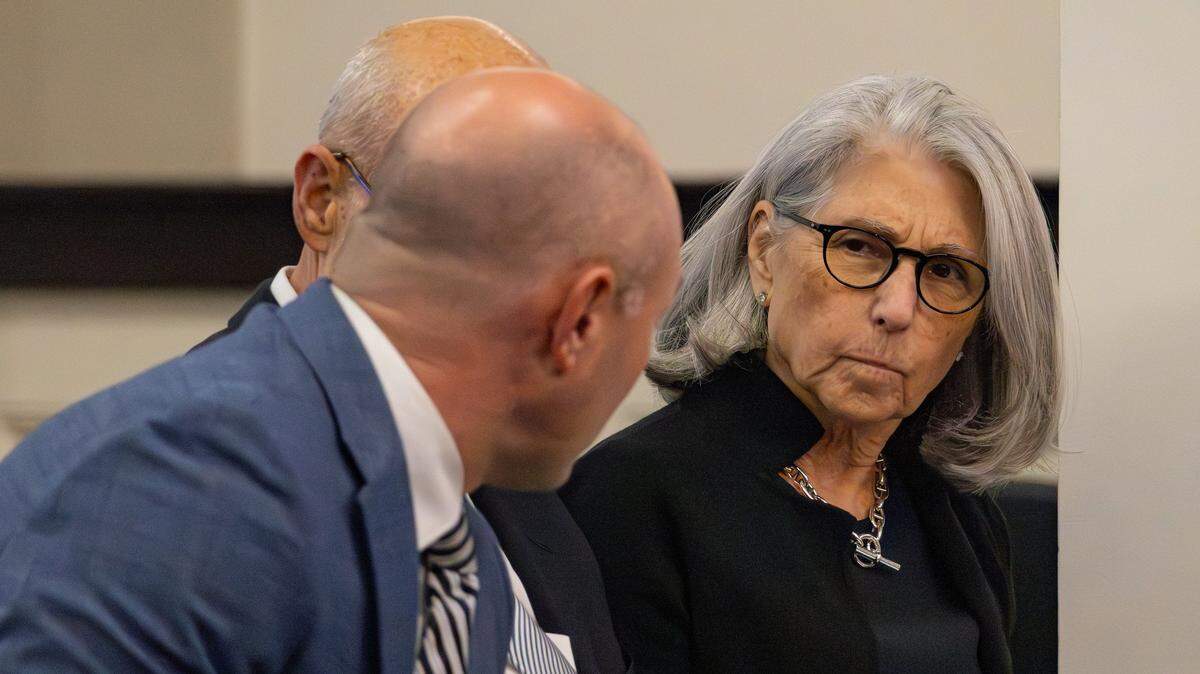
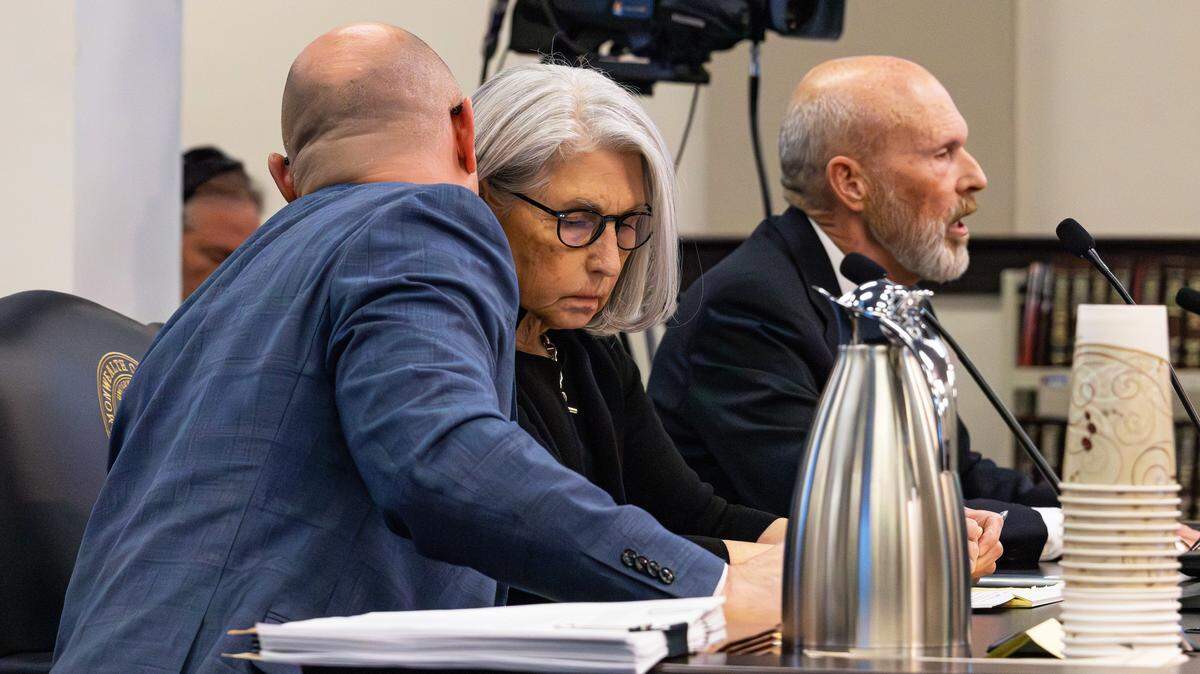
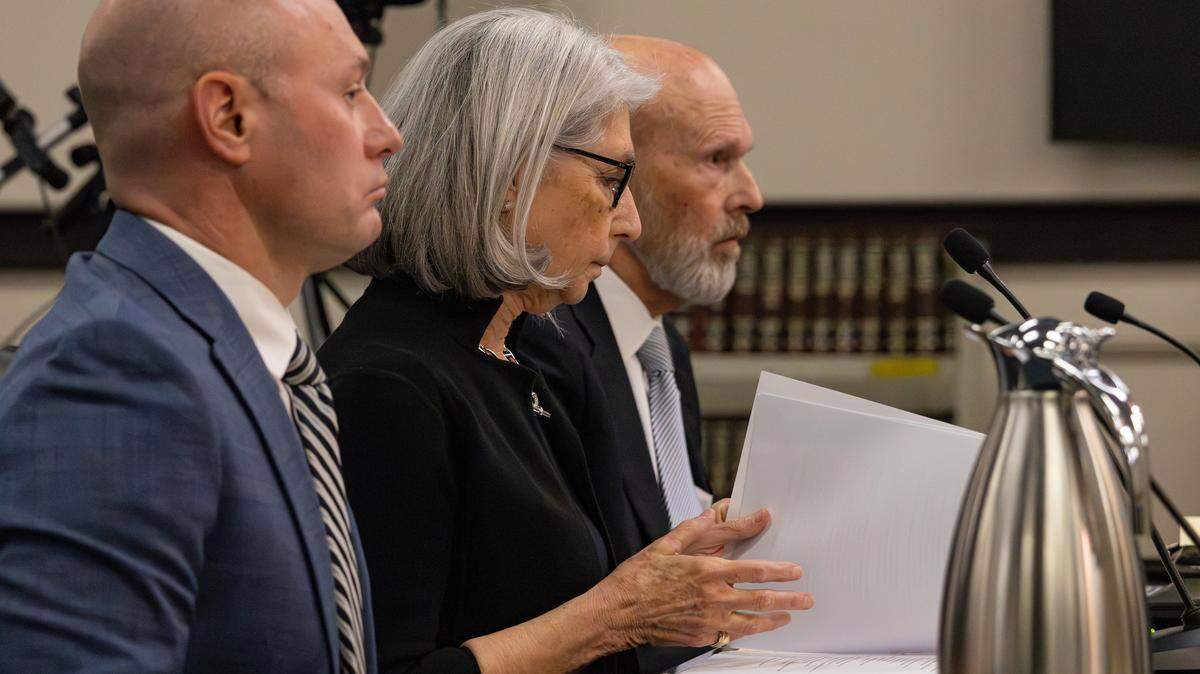
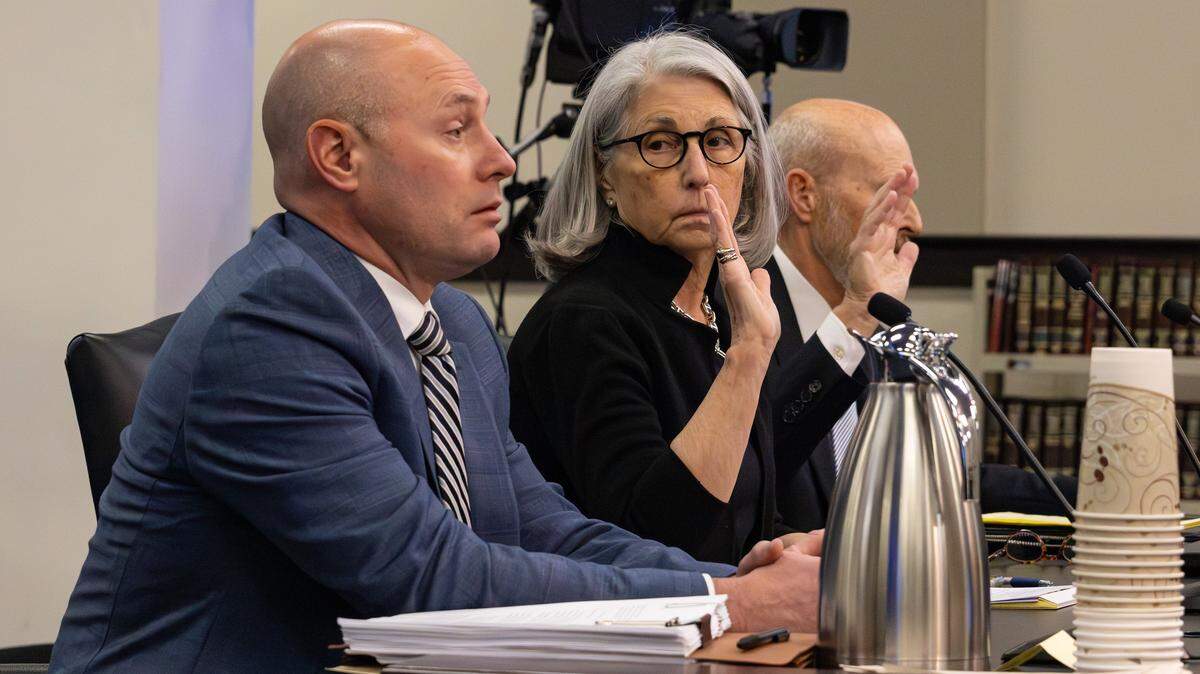
Former Kentucky state Rep. Killian Timoney filed a petition in January to impeach Fayette Circuit Judge Julie Goodman over her handling of six different cases in Lexington. Goodman and her legal team deny any misconduct, and other legal professionals have raised concerns about the possible precedent an impeachment could set.
Expand All
A controversial Lexington judge may have avoided a Senate trial during the 2026 General Assembly, but Frankfort Republicans aren’t dropping their fight against her yet.
Instead, an interim committee — the Legislative Oversight and Investigations Committee — could pick the matter back up when it meets next week. Additionally, the state attorney general has filed an appeal in court and Republican lawmakers are asking the Supreme Court to withdraw an opinion that terminated the impeachment of Judge Julie Muth Goodman.
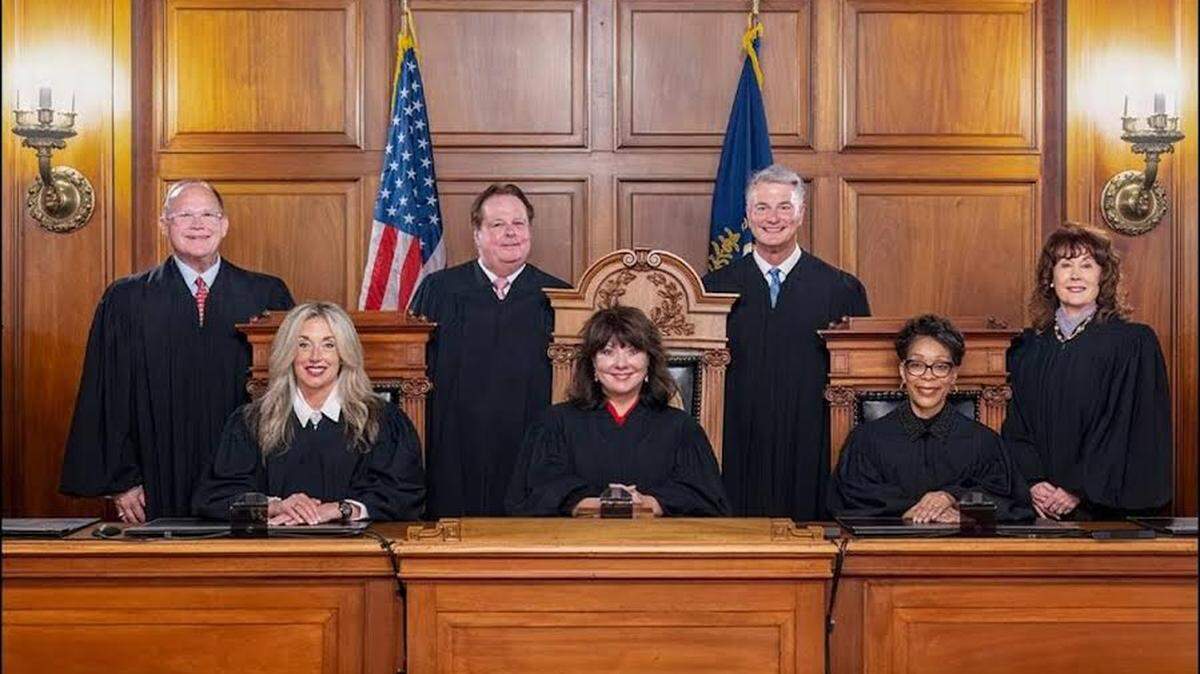
The 5-to-1 opinion, issued by the Kentucky Supreme Court in early April, voided the House’s impeachment of Goodman and said the legislators’ actions were done wrongfully. As a result, the Senate did not move forward with its plan to hold a trial in April.
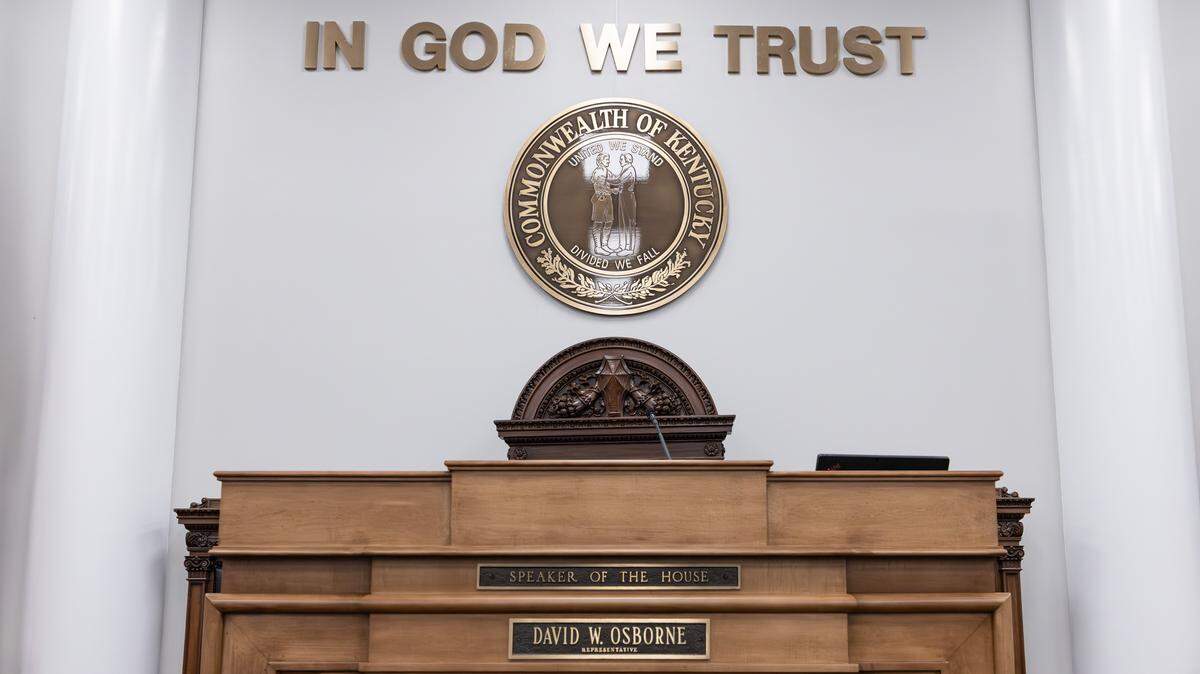
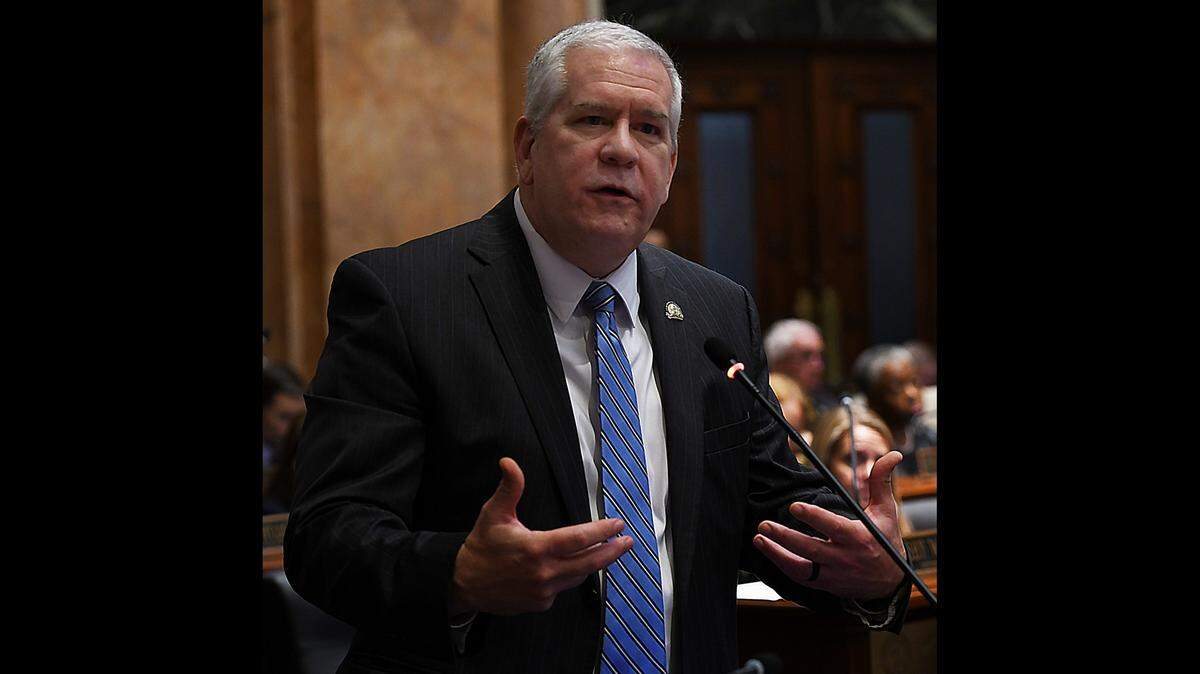
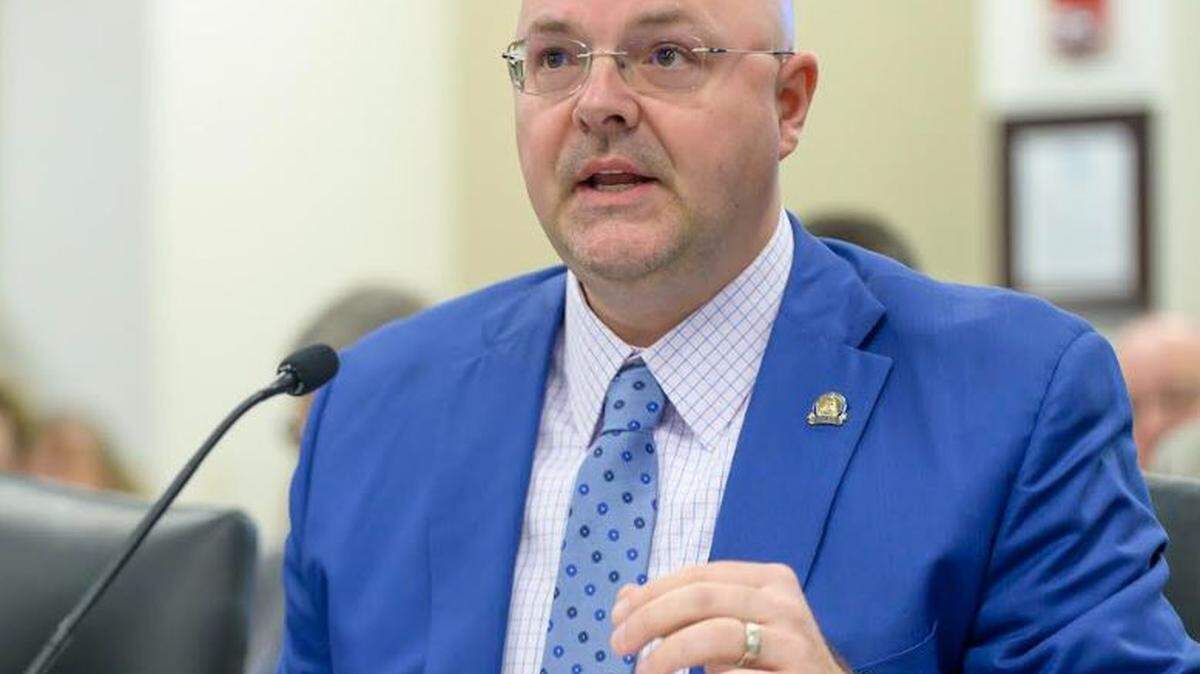
State Rep. Jason Nemes, R-Middletown, and House Speaker David Osborne, R-Prospect, requested April 27 the Supreme Court rehear the case, saying the justices had incorrectly constrained the General Assembly’s impeachment power.
And if that doesn’t work, Kentucky Attorney General Russell Coleman in late April appealed a lower court’s ruling that also nullified Goodman’s impeachment in Franklin County.
Here’s everything to know where the Goodman impeachment saga stands.
Lawmakers request Supreme Court rehear case
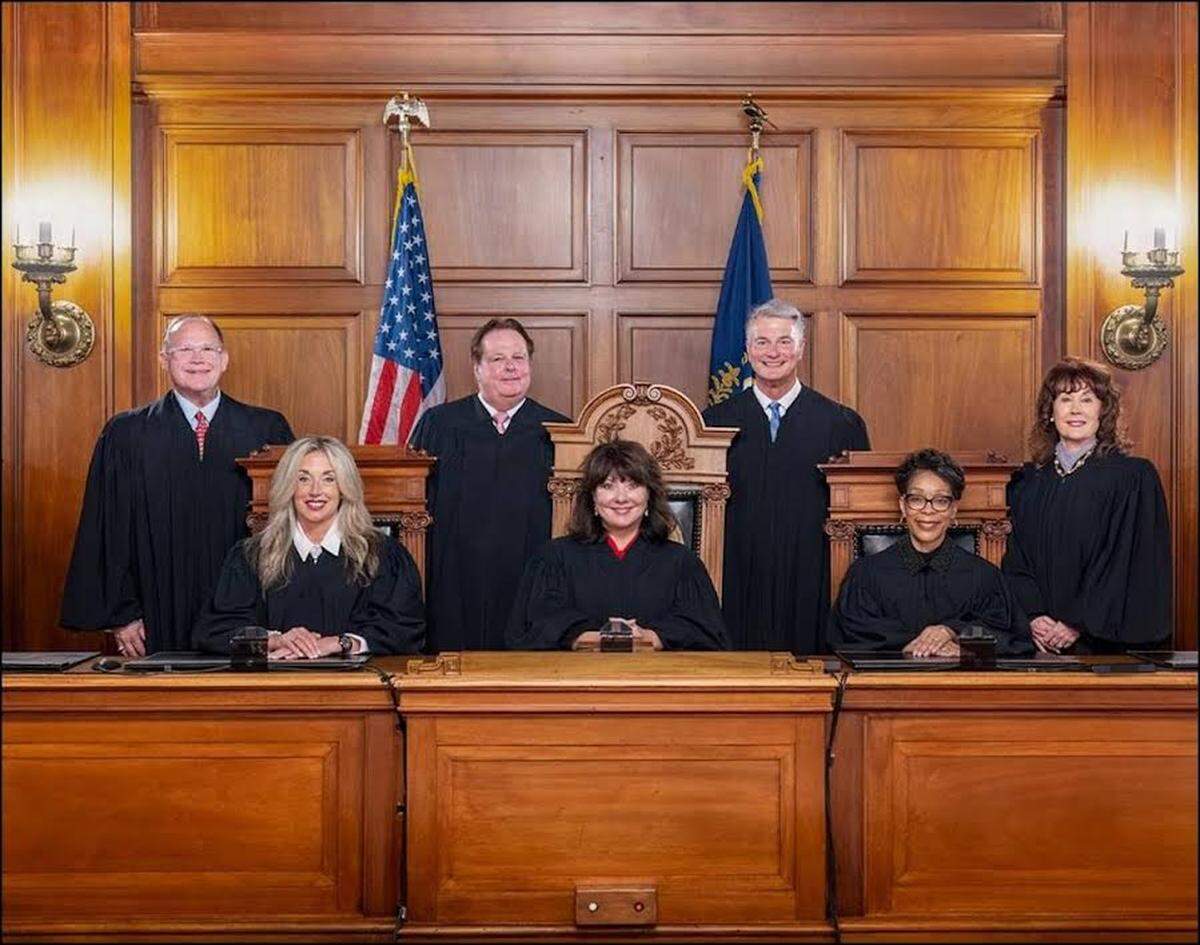
The Supreme Court formally received Nemes’ and Osborne’s motion to their chambers May 28, according to online court records. The motion was originally submitted to the court of appeals and recommended for transfer to the higher court.
In their motion, Nemes and Osborne say the Supreme Court incorrectly interpreted Section 121 of the Kentucky Constitution to determine which body has the power to impeach judges. The petition requests the Kentucky Supreme Court withdraw its opinion, rehear the case to allow for a fuller briefing and to hear oral arguments.
“The Court has turned Kentucky’s most-robust-in-the-nation doctrine of separation of powers on its head, co-opting for itself a power granted explicitly in the text of the Constitution to the General Assembly — most ironically justifying its action on separation of powers grounds,” the petition reads.
The Kentucky House impeached Goodman on March 20 in a 73-14 vote, largely along party lines, with Republicans voting in favor.
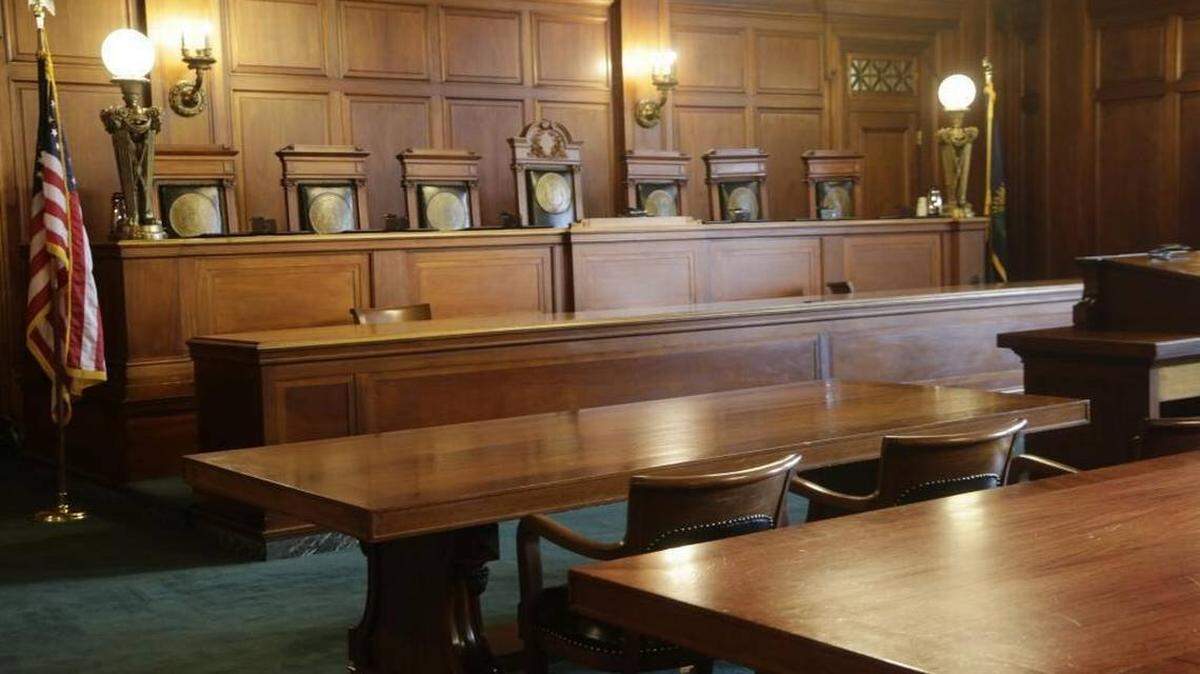
The case was headed to the Senate for a trial, where Goodman could have been convicted and removed from office, an unprecedented move in Kentucky’s modern history. But on April 6, the state’s highest court ruled the effort was invalid and should not proceed. The Supreme Court ruled the impeachment effort violated Goodman’s due process rights, that her offenses were not impeachable, and that impeachment by the legislature was not the proper venue for judicial reprimand.
Nemes was the chair of the House committee that led Goodman’s impeachment.
Attorney General appeals lower court ruling

Coleman, Kentucky’s Republican attorney general, filed an April 30 appeal of a lower court’s ruling in Franklin County to try to stop enforcement of the Supreme Court’s order.
Before Goodman’s case reached the Supreme Court, she asked several courts, beginning with Franklin Circuit Court Judge Phillip Shepherd, to intervene and halt the proceedings, arguing her due process rights were being violated.
While Shepherd could not immediately rule to stop the process, he nullified the formal articles of impeachment instead. Shepherd wrote that the impeachment petition failed to identify key facts, witnesses, dates and legal violations, and that Goodman lacked fair notice to meaningfully defend herself against the claims.
Shepherd’s ruling is included in an open case of Goodman and former lawmaker Killian Timoney, who filed the impeachment petition against the judge in January; in doing so, Timoney cited six particular cases in Goodman’s courtroom as grounds for impeachment.
After the Supreme Court voided the House’s impeachment, Goodman filed a motion in that case, suing Timoney for her attorneys’ fees, which he continues to fight in court.
Because the case is still pending, Coleman filed the appeal to try to send the original impeachment filing back before the Supreme Court to be decided, if the justices choose not to grant the lawmakers’ motions.
Interim committee to pick up remaining impeachments
After the Supreme Court issued the ruling, it was unclear whether the Senate was going to call off its tentative impeachment trial.
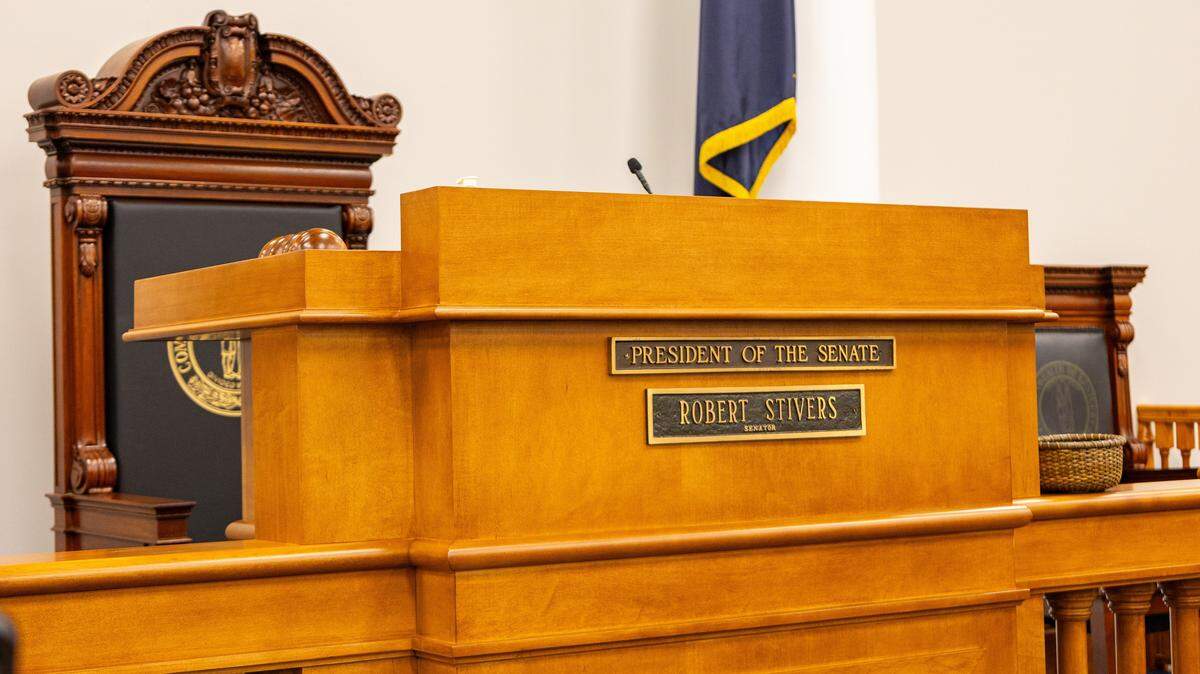
The Senate held out on confirmation until the last day of the session, when the Senate impeachment committee said it was going to “table” Goodman’s impeachment, and await further action from the state’s Judicial Conduct Commission, which confirmed an investigation into Goodman’s conduct.
But lawmakers vowed to return to the issue through Senate Resolution 297, which urged the commission to remove Goodman from the bench. The General Assembly approved three additional resolutions that called the Supreme Court’s ruling unconstitutional and censured another Supreme Court justice.
Late into the night on the last day of session, lawmakers referred pending impeachment and removal petitions to an interim legislative committee set to begin meeting June 11.
One of those petitions is for Justice Pamela Goodwine, who recused herself from matters pending before the Supreme Court for Goodman’s case. In October, a Louisville lawyer filed a petition to have her impeached, citing an alleged conflict of interest in an education-related case.
The petitions will head to the Legislative Oversight and Investigations Committee, which is made up of Republicans and Democrats from both the House and the Senate.



.jpg)