
KY General Assembly Week 2: O budget, where art thou? GOP plan still under wraps

READ MORE
Catch up on Kentucky legislative news every week
Read our recaps from the Kentucky Legislature for all the latest news from the statehouse during the 2026 session.
Expand All
Nine days down, 51 more to go. It’s still early, when the legislative days are measured in minutes and not hours.
Lawmakers have filed in the neighborhood of 500 bills thus far during the 2026 General Assembly, and some of them have even cleared a committee.
One especially favored bill — Senate Bill 7, with its 29 sponsors in the 38-member body, which aims to bring driver’s licensing back to the local level — has passed a floor vote. The first one to do so this winter!
Now, that’s a lot of numbers, and not a one of them is in the billions. As in, the amount of money that’ll keep the commonwealth running the next two years.
House Republicans have yet to unveil their budget proposal for the next biennium, though they assure the press we’re likely to see it this week.
Yes, the governor has rolled out his plan, but anyone who knows anything about Frankfort knows that won’t go anywhere.
And yes, House Republicans have filed their legislative and judicial budget bills. The budgets that keep those co-equal branches of government operational are important, too.
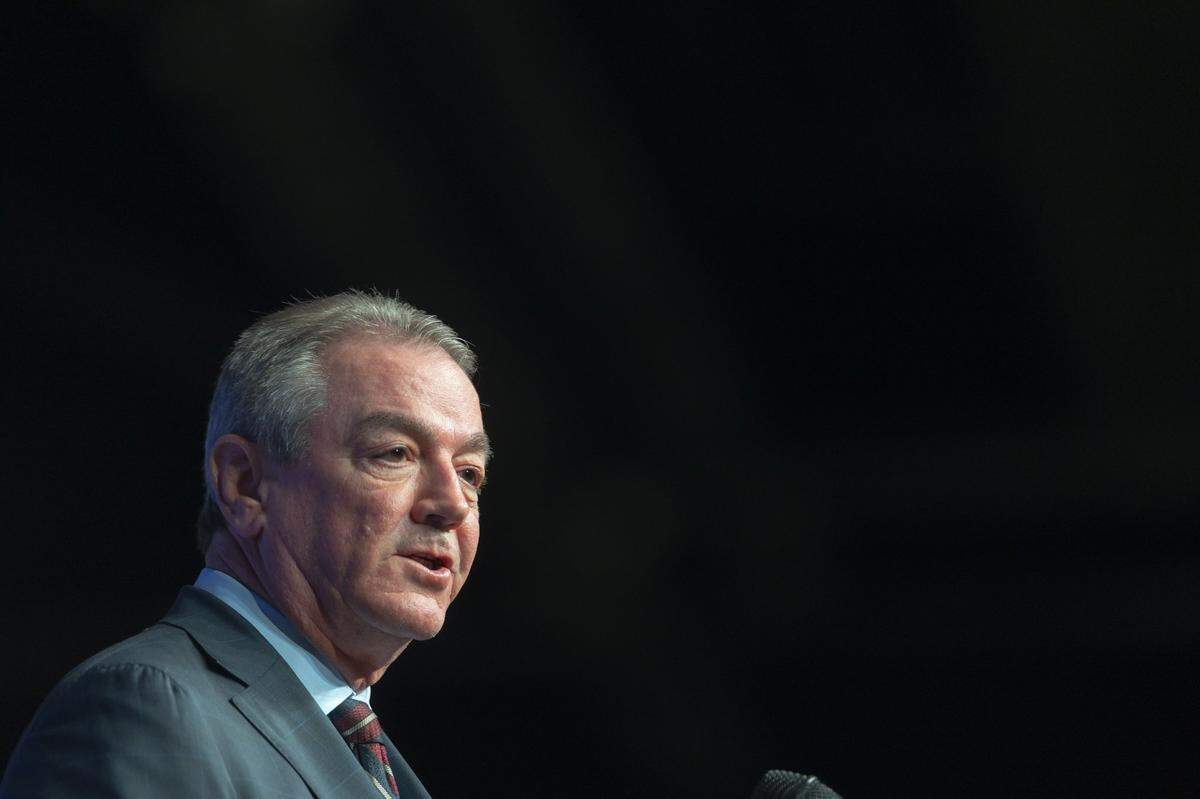
But when people think of “the budget,” they think of the executive branch budget. The one that funds a whole plethora of state agencies and services. That is the proposal we’ve yet to see.
What we’re hearing about it so far: It will be less spend-happy than the 2024 budget bill, in large part because GOP lawmakers really want to hit the next set of triggers to further reduce the state income tax. The state fell just $7.5 million in revenue short of the mark it needed to “trigger” a tax cut from 3.5% to 3% in 2027.
They’re also expected to address federal cuts to Medicaid and SNAP spending passed in President Donald Trump’s “Big, Beautiful Bill.”
Lawmakers are off Monday for Martin Luther King Jr. Day, but back in Frankfort on Tuesday, Jan. 20 for Day 10.
Some GOP priority bills emerge
A single-digit bill number isn’t always a sign legislation will pass — looking at you, anti-DEI Senate Bill 6 circa 2024 — but it’s usually a pretty good indicator as to what the Republican majority in Frankfort is prioritizing.
One such bill this year would make grooming a child a felony.
Rep. Marianne Proctor, R-Union, filed House Bill 4, which would redefine grooming and establish criminal penalties for those who engage in it. Before the bill was filed, Proctor said there are no protections on Kentucky’s books for criminalizing abusive behavior before it devolves into sexual assault or abuse.
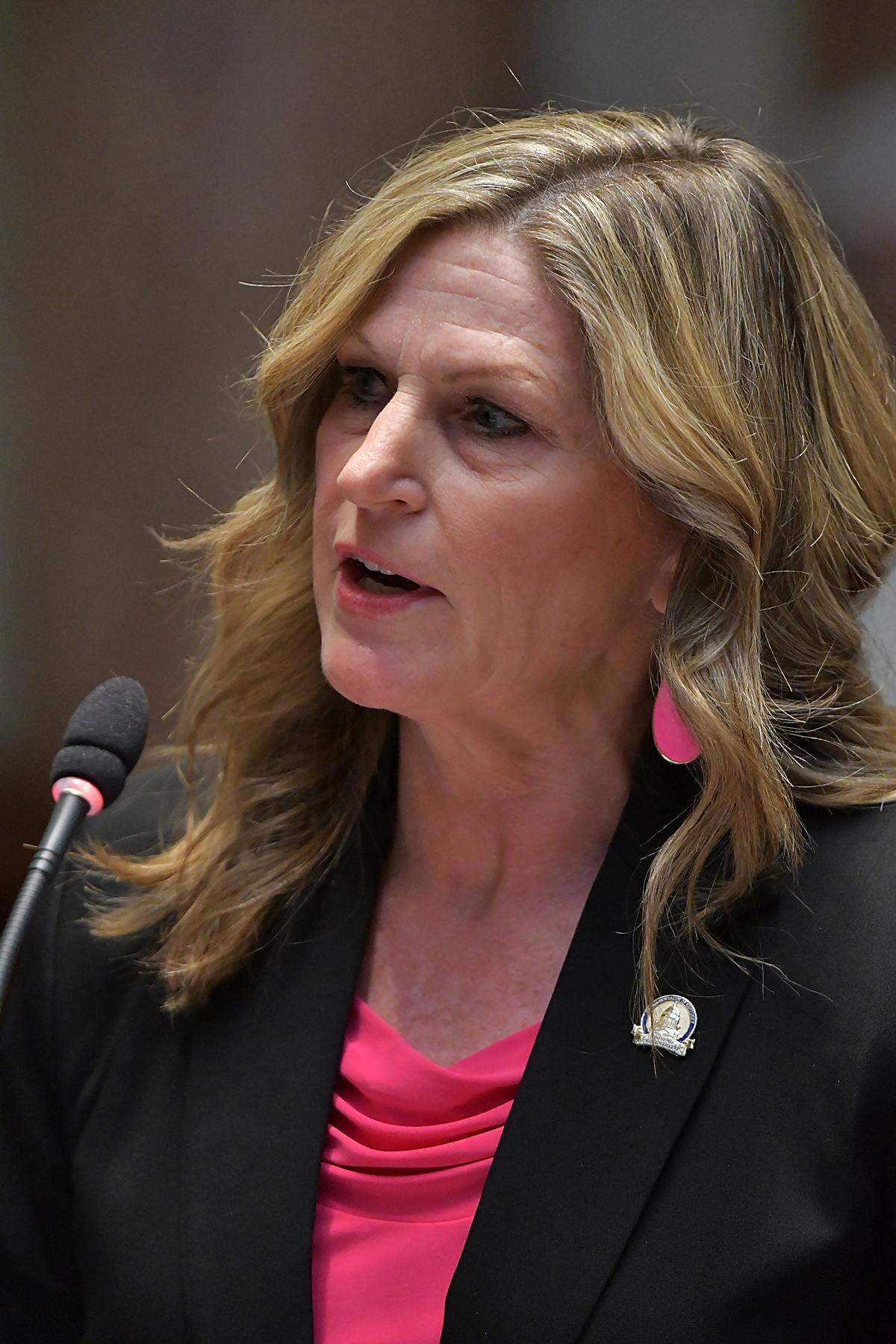
Grooming, according to the bill, is any conduct performed by someone the age of 18 or older directed at a minor with the intent to establish an emotional connection through manipulation, trust-building or influence to facilitate sex or normalize a minor to acts of sex. The conduct can occur online, in person or through third parties.
The bill establishes two levels of offenses: those who engage in grooming with a minor who is under 14 with the intent to entice, coerce, solicit or engage in sex would be guilty of a Class A misdemeanor. If the minor is under 12, it would be a Class D felony.
If someone is in a position of authority or special trust and engages in grooming, including to develop an intimate or secretive relationship with a minor who is under 18, it would be a Class D felony. If the minor is under 12, it would be a Class C felony.
Class C felonies are punishable by five-to-10 years in prison and fines of up to $10,000. Class D felonies are punishable by one-to-five years and fines for some offenses.
About one-quarter of House members have signed on to sponsor the bill.
-Reported by Piper Hansen
Stories from Week 2 of the 2026 General Assembly
- Gas tax: Rep. Tom Smith filed legislation to replace Kentucky’s 9% gas excise tax with fixed per-gallon rates of 29.6 cents in 2026-27 and 34.6 cents in 2027-28. The bill also increases vehicle registration fees to address stagnant road funding amid rising maintenance costs. -Reported by Hannah Pinski & Austin Horn
- Driver’s licensing: Senate Bill 7 passed the Senate 34-1, allowing county offices to handle driver’s license renewals in areas without regional transportation offices. The measure aims to reduce wait times after complaints about the centralized system implemented in 2021. -Reported by Piper Hansen & Hannah Pinski
- ICE cooperation: Several Republican-backed bills would mandate local law enforcement cooperation with Immigration and Customs Enforcement and limit sanctuary policies. Gov. Andy Beshear opposes the measures, saying they would make communities “less safe” by diverting officers from other duties. -Reported by Piper Hansen
- FCPS budget issues: Sen. Amanda Mays Bledsoe filed legislation raising the population threshold for occupational tax increases from 300,000 to 500,000, effectively blocking Fayette County from pursuing such measures. The bill responds to FCPS’s failed 2025 tax increase attempt and transparency concerns. -Reported by Valarie Honeycutt Spears
- Data centers: Republican lawmakers and environmental groups share a focus on artificial intelligence data centers this session. While GOP members seek to capitalize on AI’s economic potential, environmentalists warn about energy demands, water usage, and potential impacts on residential power rates in rural communities. -Reported by Austin R. Ramsey
- Housing needs: Republican lawmakers plan to file legislation allowing religious institutions to build affordable housing on their property, expunging dismissed eviction records, and tripling real estate transaction fees for the Affordable Housing Trust Fund from $12 to $36 to create 600 additional units annually. -Reported by Piper Hansen
- Nuclear energy: Sen. Danny Carroll’s Senate Bill 57 creates a grant program covering one-third of federal nuclear permitting costs. The Nuclear Reactor Site Readiness Program aims to jumpstart nuclear development in Kentucky, where no nuclear plants currently exist. -Reported by Piper Hansen
- Education round-up: The General Assembly has introduced dozens of education-related bills, including measures to expand teacher apprenticeships, modify assessments and prohibit school officials from advocating on ballot measures. One student-driven bill would designate the indigo milk cap as Kentucky’s state mushroom. -Reported by Valarie Honeycutt Spears
The above takeaways were produced with the help of an AI tool, which summarized previous stories reported and written by Herald-Leader journalists. This content was reviewed and edited by journalists in the newsroom. Read more on our AI policy here.
What we’re looking for in Week 3 of the 2026 General Assembly
An executive branch budget bill. Passing a two-year budget is the one thing the legislature absolutely has to do before April 15 when they adjourn sine die.
We’re also curious to see what other Republican priorities will emerge. We still haven’t seen anything numbered SB1-SB6, for example.
As committee meetings start to pick up the pace, we’ll get a sense of what bills have legs and what the caucuses are coalescing around. What, for example, will be the social issue the majority takes up this year?
Thank you for following the Herald-Leader’s coverage of the Kentucky General Assembly. If you haven’t already, consider signing up for our (twice weekly during session!) Bluegrass Politics newsletter.
Give me a shout at tduvall@herald-leader.com with any feedback, tips or ideas.
This story was originally published January 19, 2026 at 7:00 AM.







.png)