Kentucky’s anti-DEI higher ed bill dies a second time
READ MORE
2024 General Assembly
Keep up with the latest out of Kentucky’s 2024 legislative session.
Expand All
It’s not often that the the Republican-led Kentucky legislature doesn’t pass a priority piece of legislation addressing a hot-button issue among conservatives.
But that’s just what happened with Senate Bill 6, which was aimed at restricting diversity, equity and inclusion — referred to as “DEI” — offices at public colleges and universities across the commonwealth.
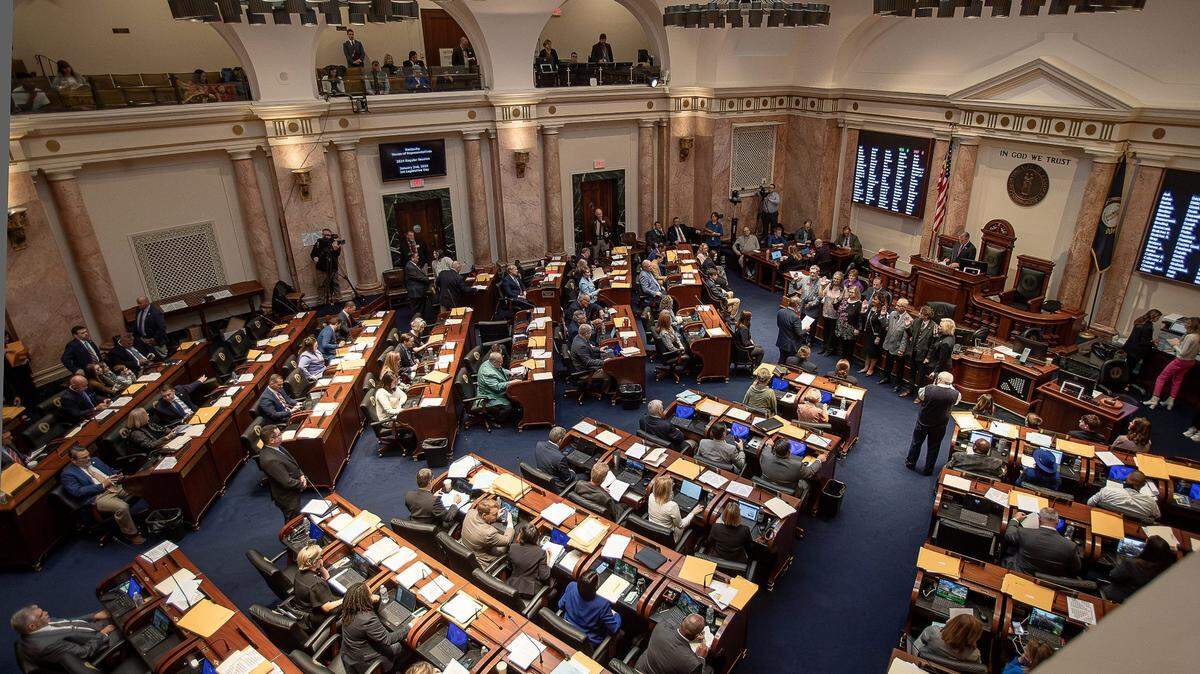
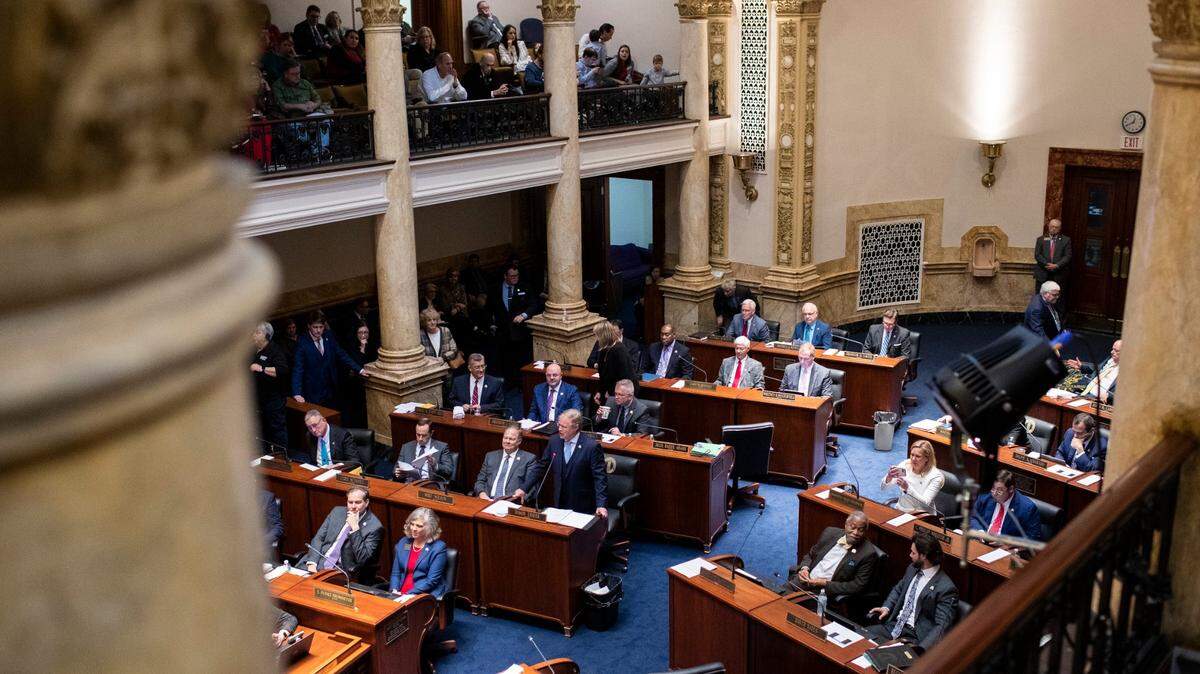
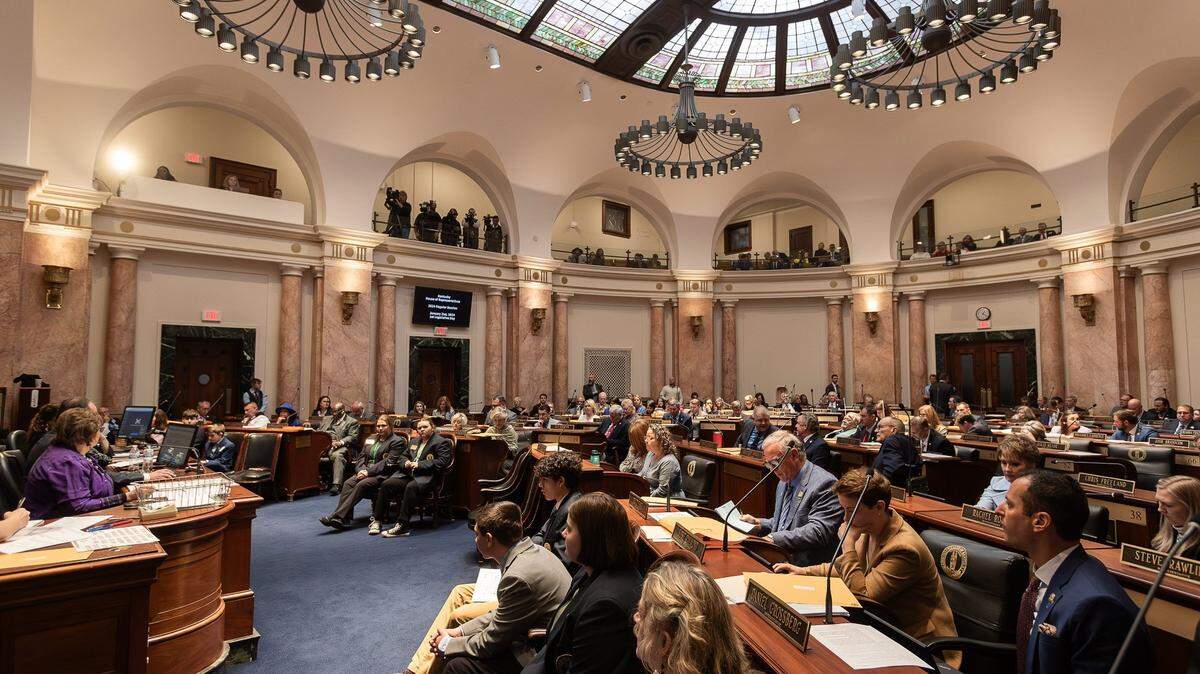
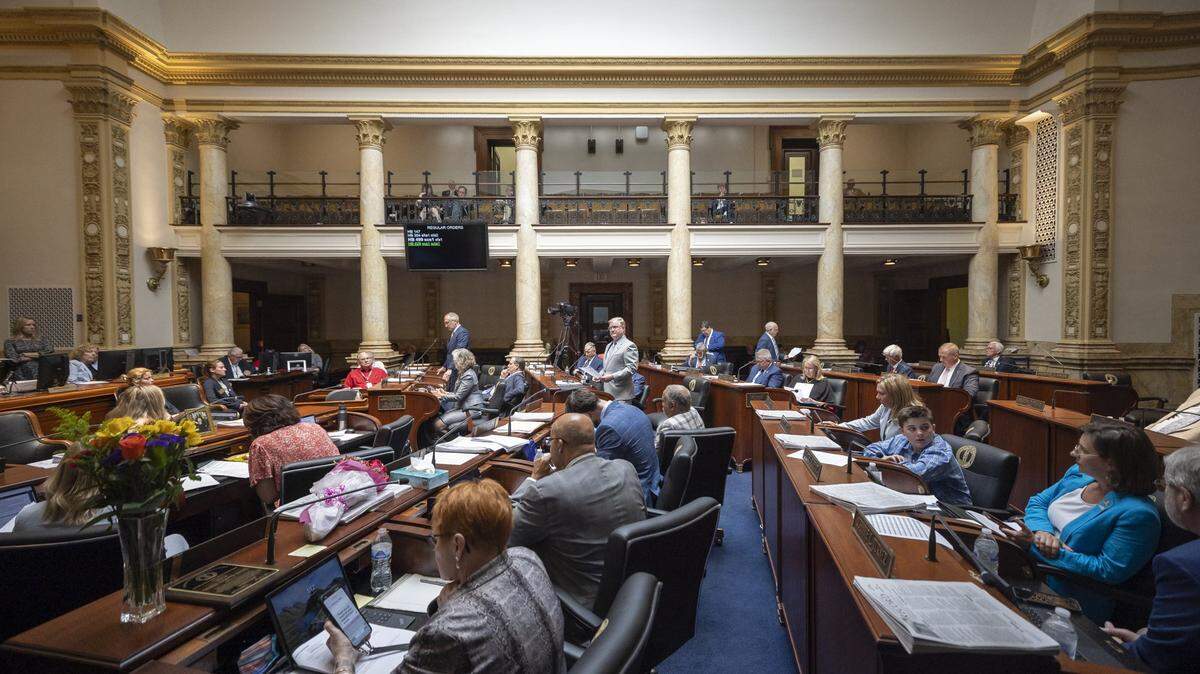
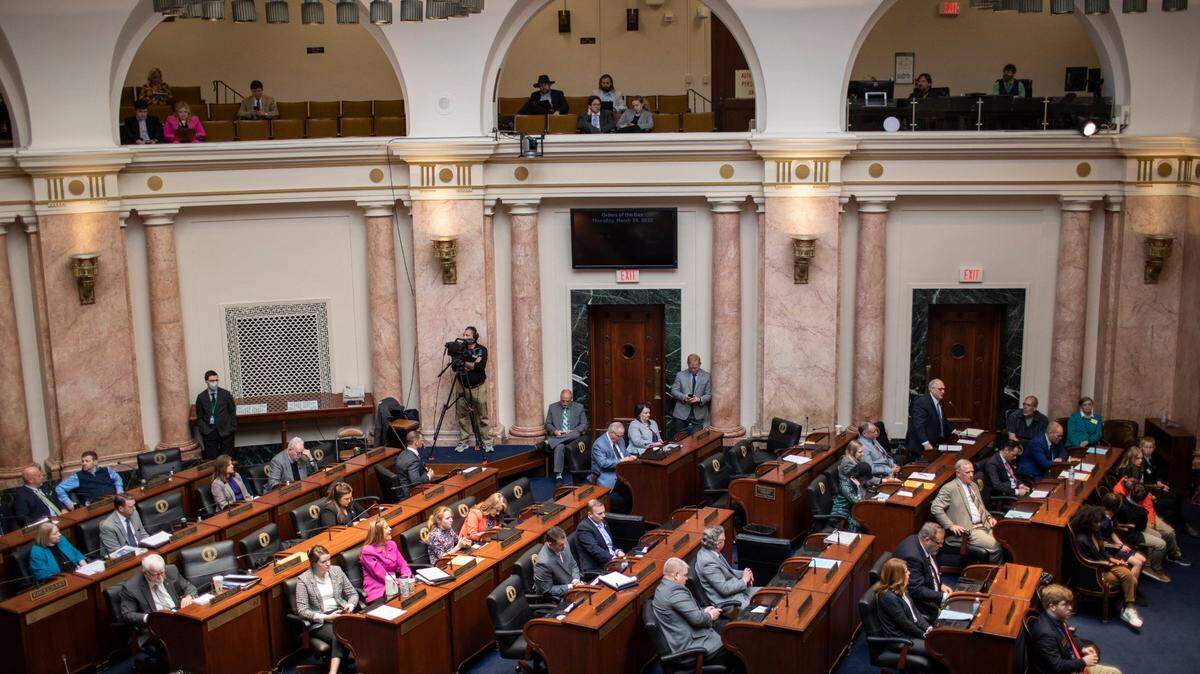
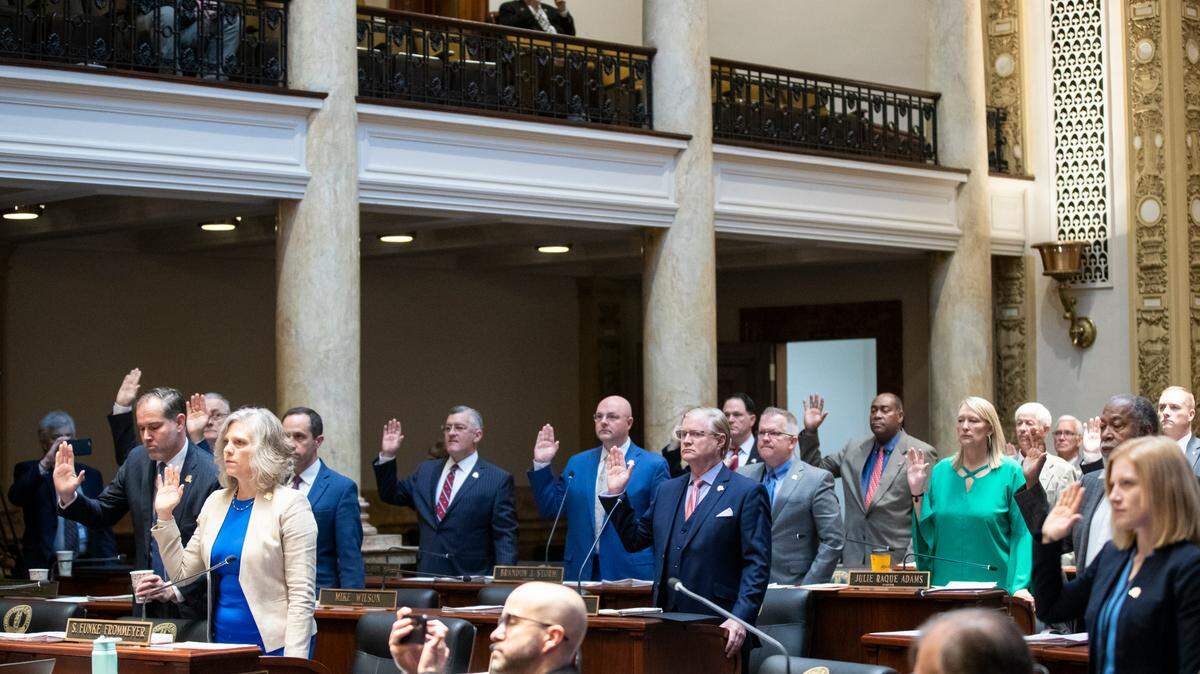
After failing to give it veto-proof passage two weeks ago, the Kentucky Senate once again did not vote on the bill in the legislature’s final day.
Having already passed the deadline to fend off a governor’s veto, the bill would likely not have passed the scrutiny of Gov. Andy Beshear. At least that was the read of the GOP Senate caucus, according to Senate President Robert Stivers.
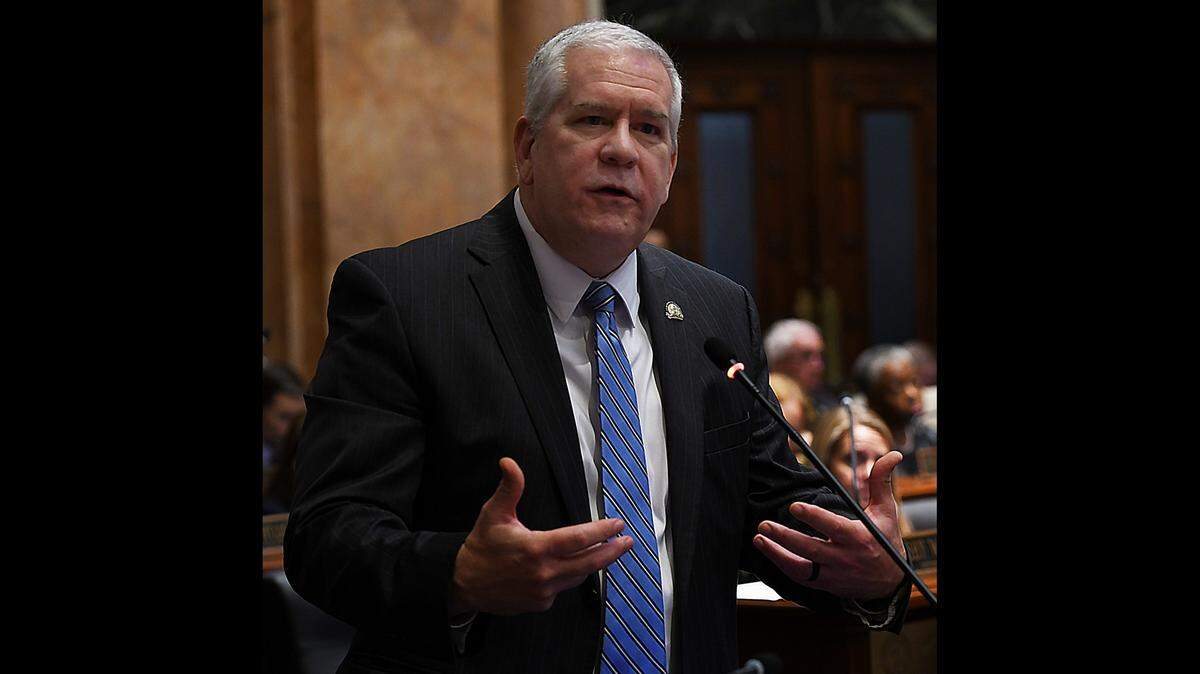
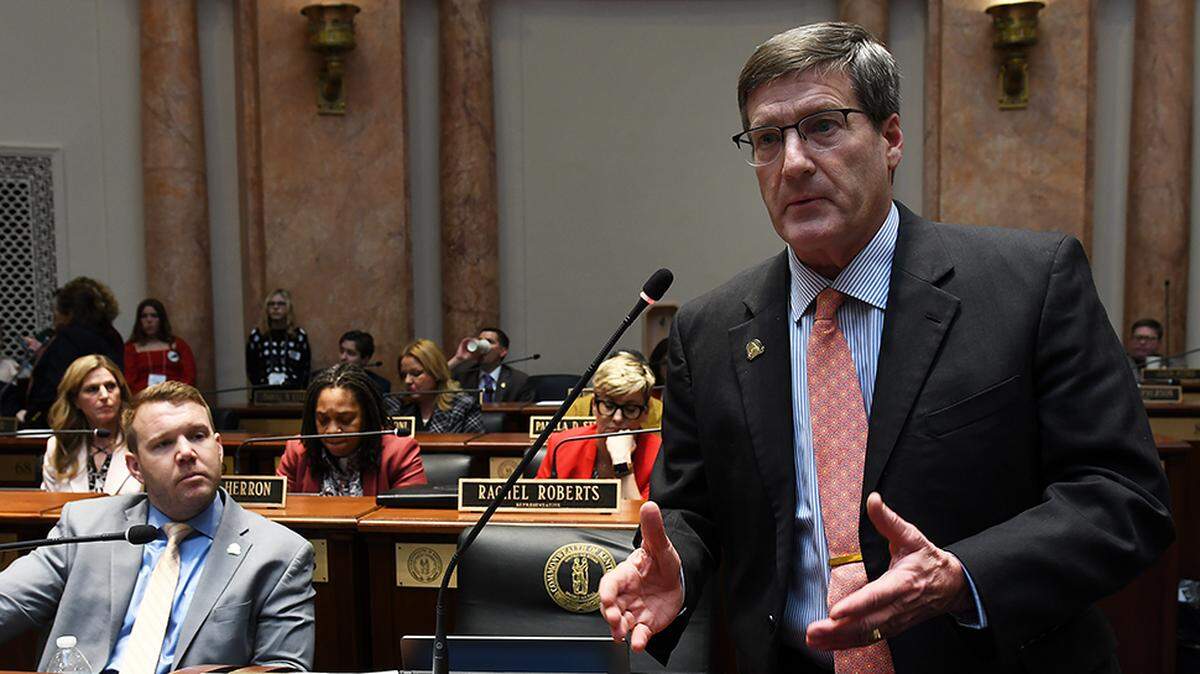
“It was a question not of whether to do something for DEI, it was a question of what to do. Between the realities of the timing and that the governor could control anything, members felt like it was best to wait and try to work through the process,” said Stivers, a Manchester Republican .
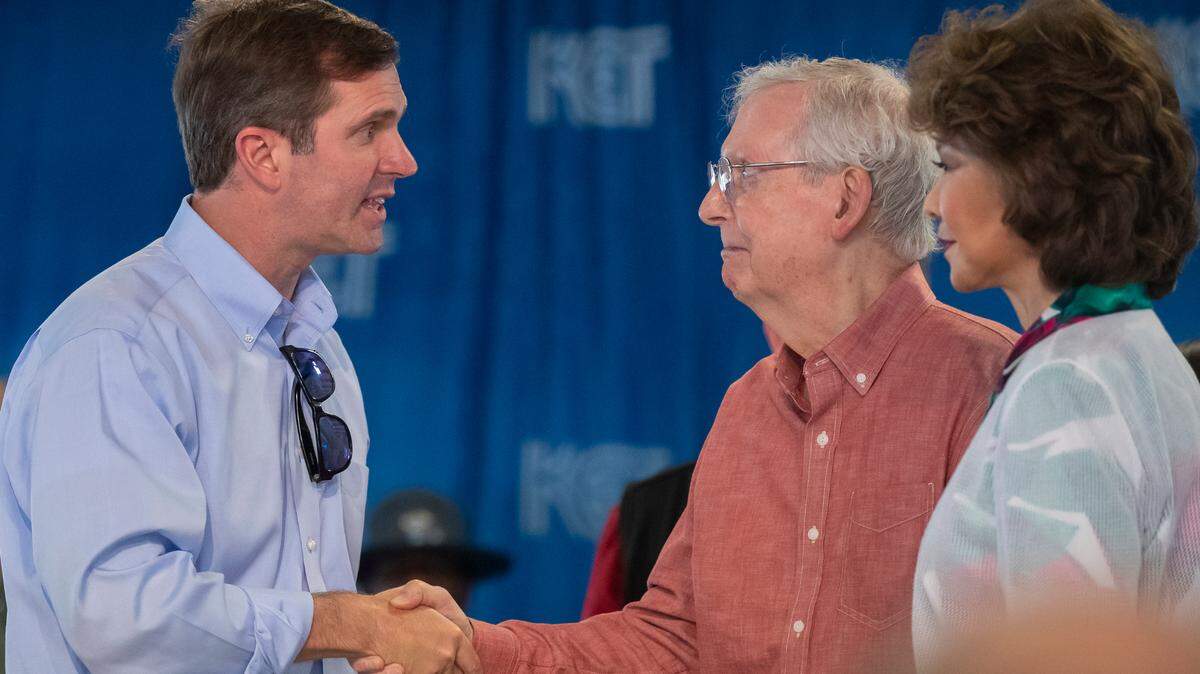
Beshear, a Democrat, has repeatedly affirmed his support for diversity, calling anti-DEI bills a political “bogeyman” and signaling he would veto any measure limiting diversity, equity and inclusion that reached his desk.
The final version of Senate Bill 6 would have prohibited public higher education institutions from allocating resources to fund DEI offices and individual staff positions if they were in any way charged with “implementing or promoting” DEI outside the context of academic courses and classroom instruction.
The bill repeatedly referred to DEI practices as “discriminatory concepts.”
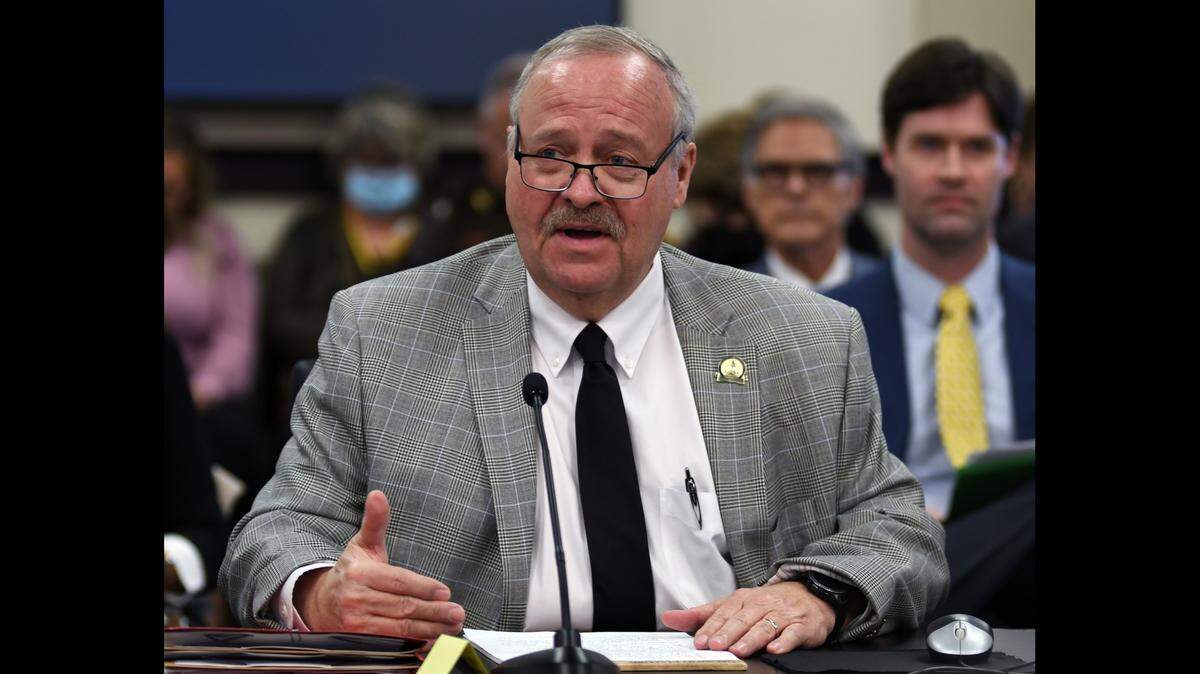
It was amended in the House, adding much of Rep. Jennifer Decker’s House Bill 9 and ditching parts of Wilson’s original version.
Wilson’s initial Senate Bill 6 didn’t call for dismantling DEI offices, but it proposed a prohibition on “discriminatory concepts” in non-classroom settings, such as training sessions and orientations. Those concepts included “race scapegoating,” a belief that some individuals are “inherently privileged,” and any suggestion that “Americans are not created equal.”
Though Senate Bill 6 took up most of the oxygen in the debate, one bill with serious implications on the state’s DEI landscape passed the Senate without much discussion.
Senate Bill 191, which dealt with the state’s performance-based funding model for higher education, got a House floor amendment to exclude “any race-based metrics” from being used in the model.
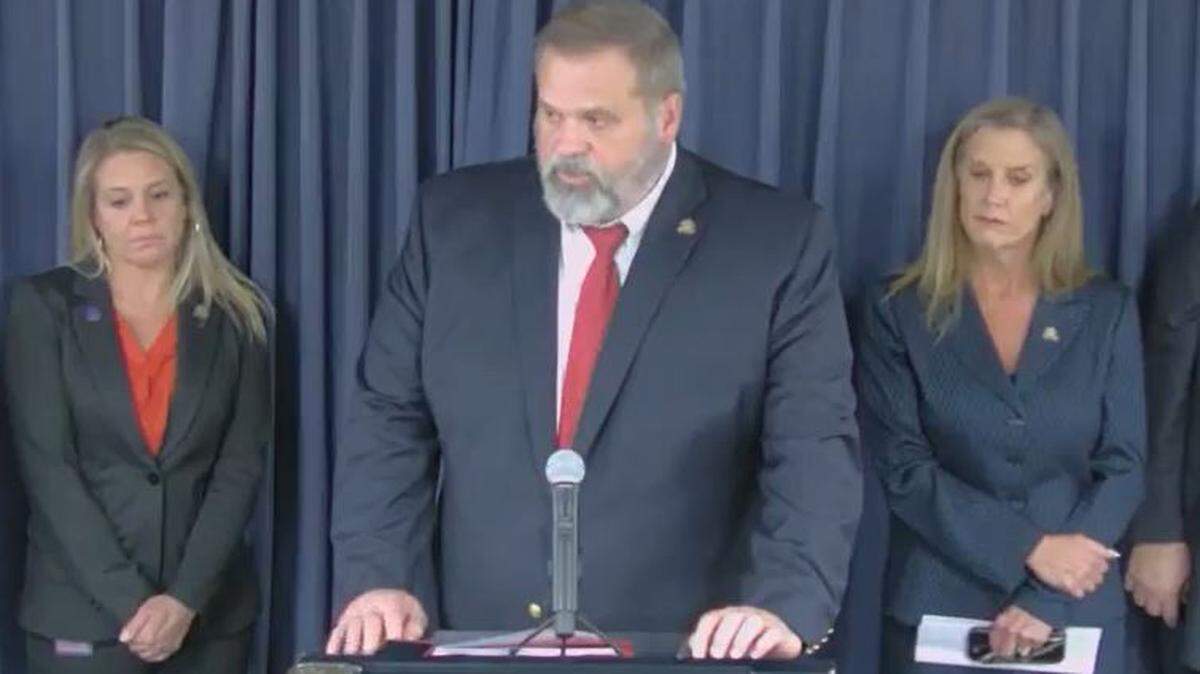
This comports with a recent opinion from Republican Attorney General Russell Coleman. Coleman called the current model, which includes the number of degrees earned by minority and low-income students as one of many metrics for success and subsequent funding, unconstitutional.
This bill did not receive significant discussion in the Senate when it first passed unanimously. However, Senate Democratic Floor Leader Gerald Neal, D-Louisville, was one of two senators to change his “yes” vote to a “no” later.
When asked about the issue of DEI in general, Stivers said that popular perceptions of the legislature are sometimes unfair.
“I know some people (don’t) like to report this, but I think this caucus has has been very good about being race neutral,” Stivers said. “What we seek, and what some people don’t want to portray us as, is ‘treat everybody fairly.’”
This story was originally published April 15, 2024 at 10:28 PM.









.JPG)






%20-1%20.jpg)


.JPG)







.JPG)