KY will be on ‘slippery slope’ if it allows income discrimination, housing advocates say

READ MORE
2024 General Assembly
Keep up with the latest out of Kentucky’s 2024 legislative session.
Expand All
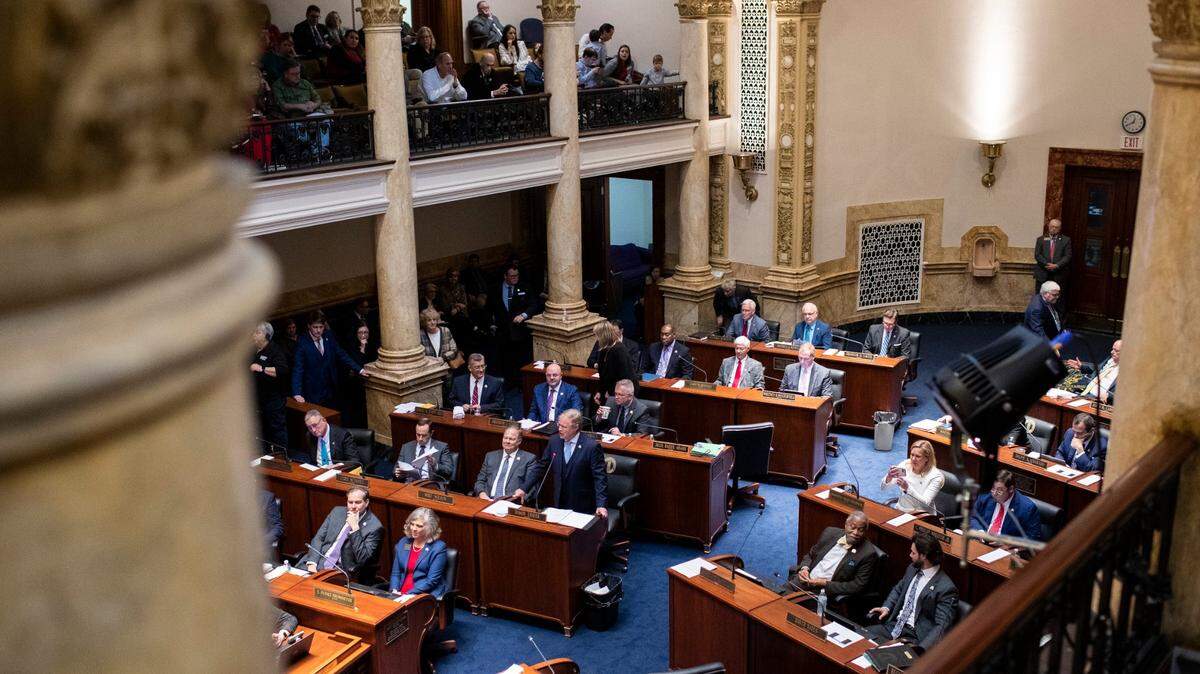
A bill that would prohibit local governments from banning discrimination of tenants that use federal housing vouchers passed a Senate committee Wednesday.
The Senate State and Local Government Committee voted 8-1 to pass Senate Bill 25 which would prohibit local governments from enacting source of income bans, despite pushback from housing advocates and local government officials.
The bill will now go to the full Senate.
For months, the Lexington-Fayette Urban County Council has been debating whether to enact a source of income ban, which prohibit landlords from discriminating against people who use federal housing vouchers, such as Housing Choice, or other types of payments during the application process. Currently, landlords are allowed to advertise they don’t take Housing Choice, formerly referred to as Section 8 vouchers.
Proponents of the ordinance say too few landlords take housing vouchers. Those who have vouchers struggle to find places that will take them. The issue is creating backlogs in the city’s homeless provider system. Too often, landlords that take federal housing vouchers and other forms of payments are only in certain sections of town, limiting people’s housing choices.
Landlords who oppose the ordinance argue the inspection and bureaucracy involved with federal housing programs is too onerous. Others say rents will go up so they don’t have to take federal housing vouchers.
Lexington is scheduled to take its first vote on the local ordinance at a January 23 meeting.
Lexington council members have said they plan to move forward with the ordinance despite the Republican-controlled legislature’s push to ban such measures.
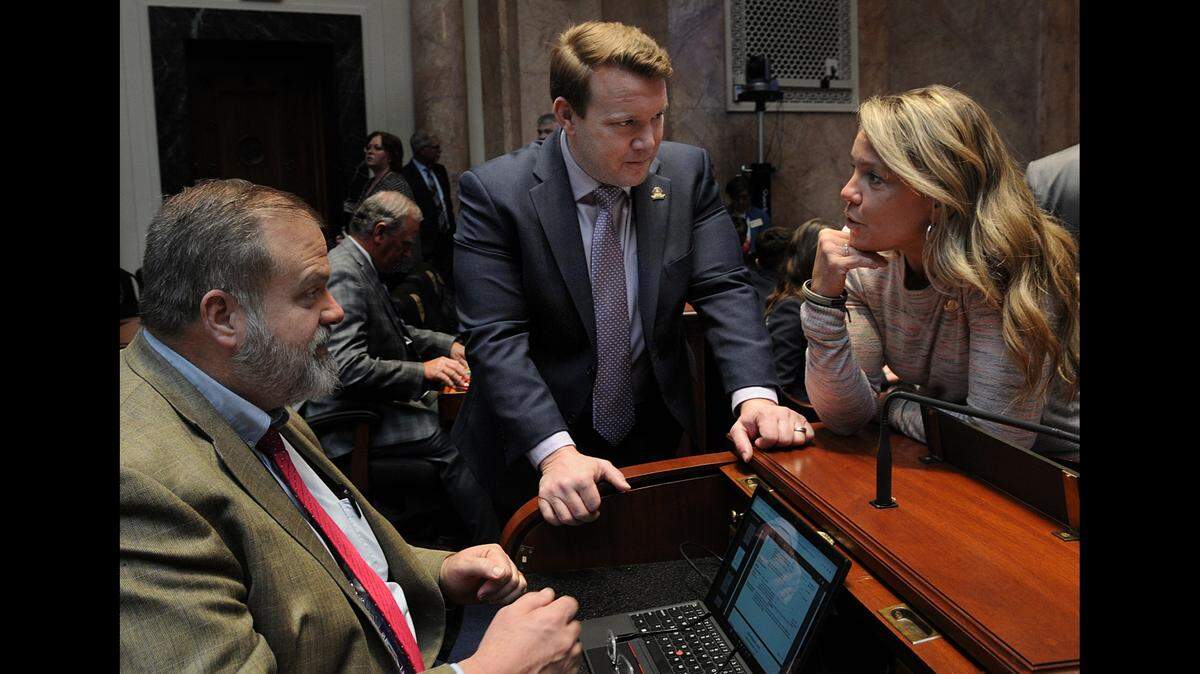
During Wednesday’s meeting, Sen. Stephen West, R-Paris, urged the committee to pass the measure. West represents part of Fayette County.
West said the bill would protect the property rights of landlords. Requiring landlords to take Housing Choice or Section 8 vouchers is not constitutional. West’s bill would also make it clear landlords have the right to evict tenants.
“This is about property rights,” West said. Forcing landlords to take federal housing vouchers is against property laws, he said. “It’s a slippery slope.”
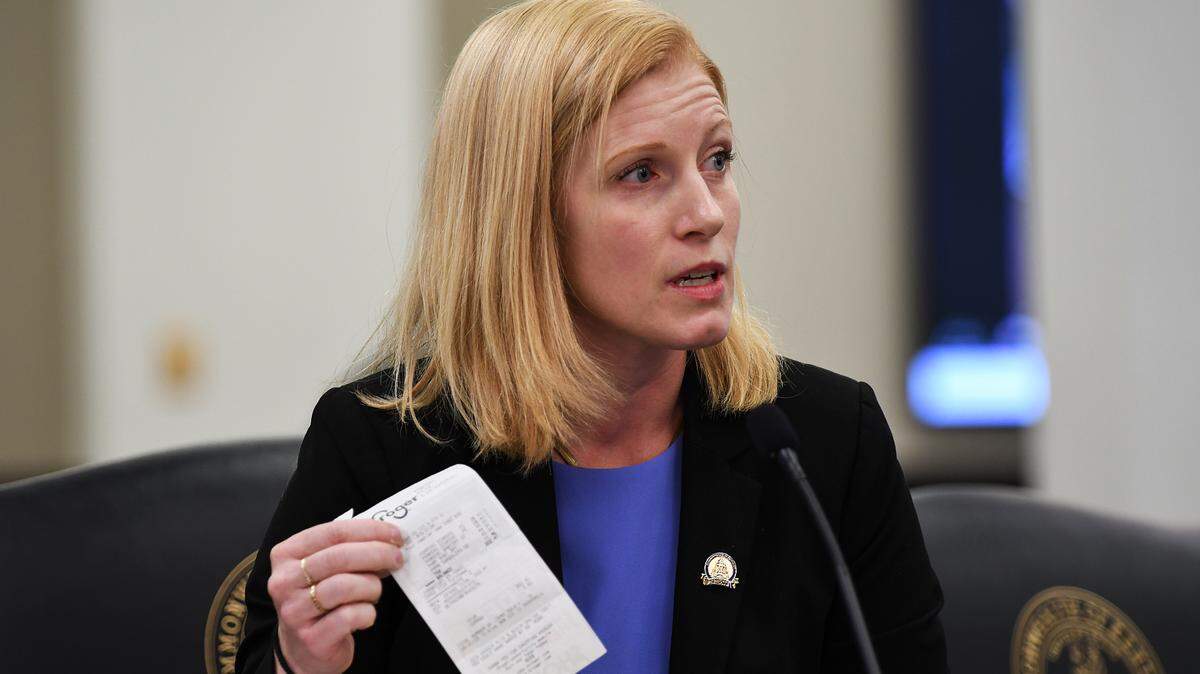
Sen. Cassie Chambers Armstrong, D-Louisville, was the only member of the committee to vote against the bill. Chambers Armstrong said the bill would invalidate Louisville’s source of income ban. That local ordinance was passed unanimously in 2020, she said.
That ordinance did not mandate landlords take Section 8 but only said landlords could not discriminate against people who use vouchers, she said.
‘It’s racial discrimination’
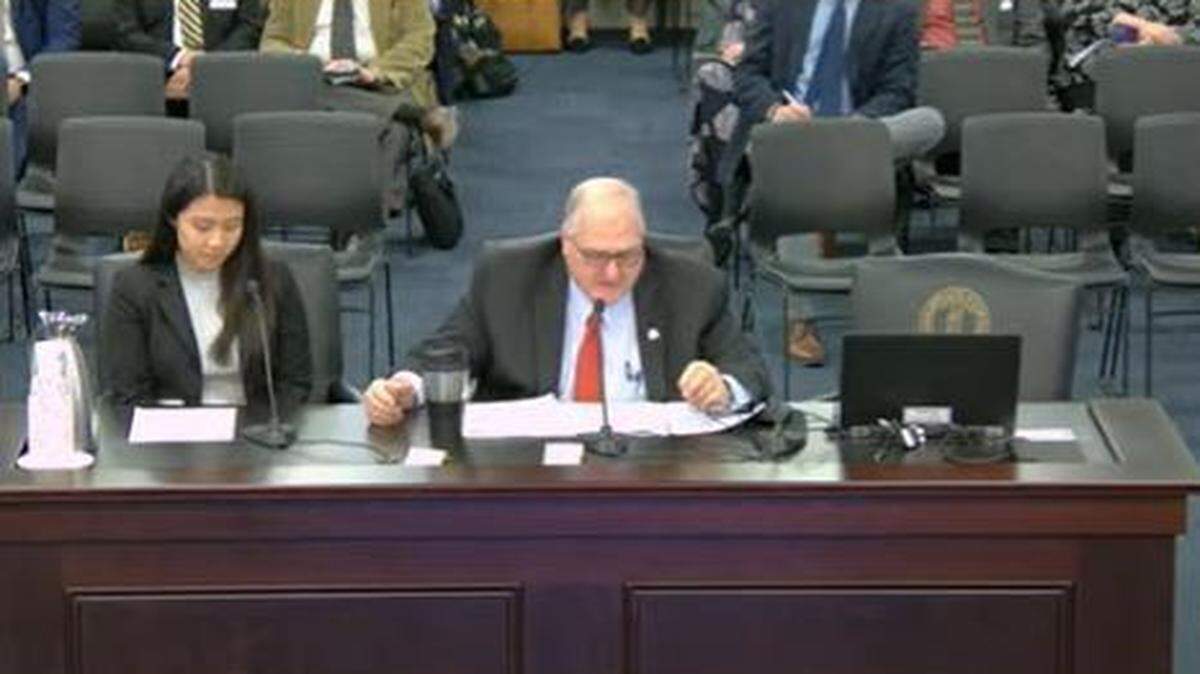
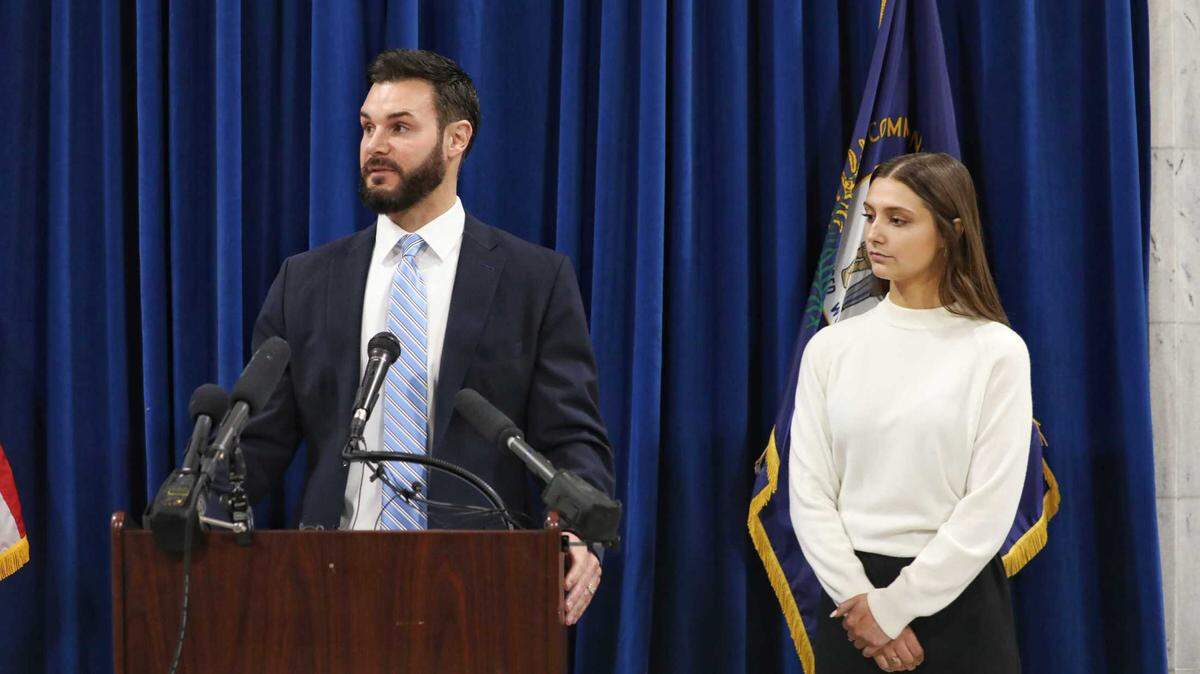
Bryanna Carroll, director of public affairs for the Kentucky League of Cities, urged the committee not to pass the measure. Carroll said the group believes local governments should have the right to set their own ordinances and policies.
“This is impacting home rule and local decisions being made at the local level,” Carroll said. “It’s a slippery slope when you begin to erode those decision making processes.”
Lexington Councilwoman Shayla Lynch, who is co-sponsoring the local ordinance, told the committee SB 25 would exacerbate an affordable housing crisis. Lynch said she is concerned the language of the bill that talks about landlords right to evict, will mean landlords that take Housing Choice vouchers will evict those tenants.
“Our housing crisis will only get worse,” Lynch said.
More than 70% of people who receive federal housing vouchers are Black women in Fayette County. Yet, nearly all landlords who currently accept vouchers are on the city’s largely Black north side, a review of available apartment listings showed.
“It’s racial discrimination,” said Lynch, who spent 15 years working in fair housing prior to being elected to council. “I don’t think our commonwealth should be perpetuating that kind of law statewide.”
The local ordinance will remove barriers for people who already have vouchers and other types of payment sources, but can’t find landlords who will take them because the law currently allows landlords to advertise they don’t take vouchers, she said.
The ordinance prohibits landlords from advertising they don’t take vouchers, Lynch said.
George Eklund, director of education and advocacy for the Coalition for the Homeless in Louisville, said the Louisville ordinance has helped homeless clients find housing. It does not force landlords to take federal housing vouchers.
“It has worked,” Eklund said. “It has not impacted the landlords and how they do business. If the rent is not covered by the voucher, the person has to move on to the next unit.”
“We were able to house clients faster,” Eklund said. Clients also had more options of places to rent, he said.
West said if local ordinances only prohibit discrimination against Section 8 vouchers then the ordinances may not run afoul of SB 25. West said his bill only involves Section 8 vouchers. It does not speak to other types of housing vouchers, he said.
Emma Anderson, an organizer with the Kentucky Tenants, a tenants rights groups which has pushed for the source of income ban in Lexington, said she recently spoke to a young mother who was currently facing eviction and will end up living in her car. The Salvation Army in Lexington, which houses women and children, is full. There are people currently in that shelter who have vouchers who can’t find landlords who will take them, she said.
“Source of income discrimination has the greatest effect on mothers with children,” Anderson said.
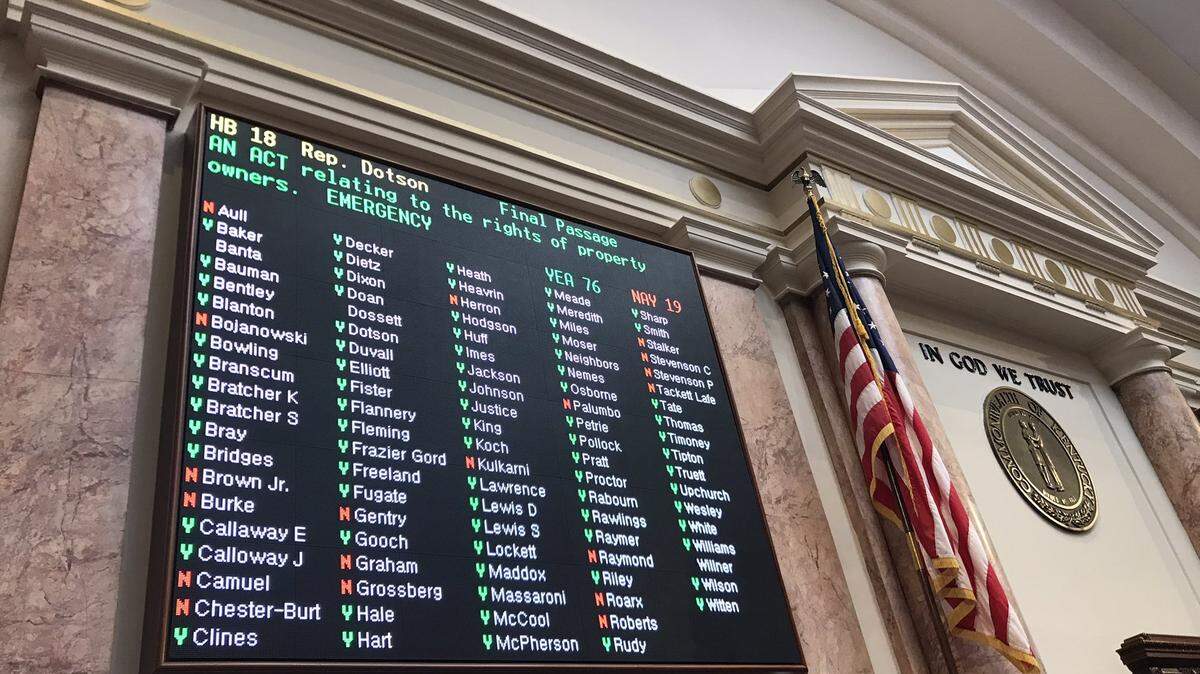
House Bill 18, filed by Rep. Ryan Dotson, R-Winchester, who also represents parts of Fayette County, mirrors West’s bill. House Bill 18 has been assigned to the House State Government committee and has a hearing scheduled for Friday.
Louisville is the only other Kentucky city that has a similar source of income ban.
This story was originally published January 17, 2024 at 5:01 PM.














.JPG)








%20-1%20.jpg)




.JPG)













.JPG)