Winners & losers in KY House GOP budget proposal
READ MORE
2024 General Assembly
Keep up with the latest out of Kentucky’s 2024 legislative session.
Expand All
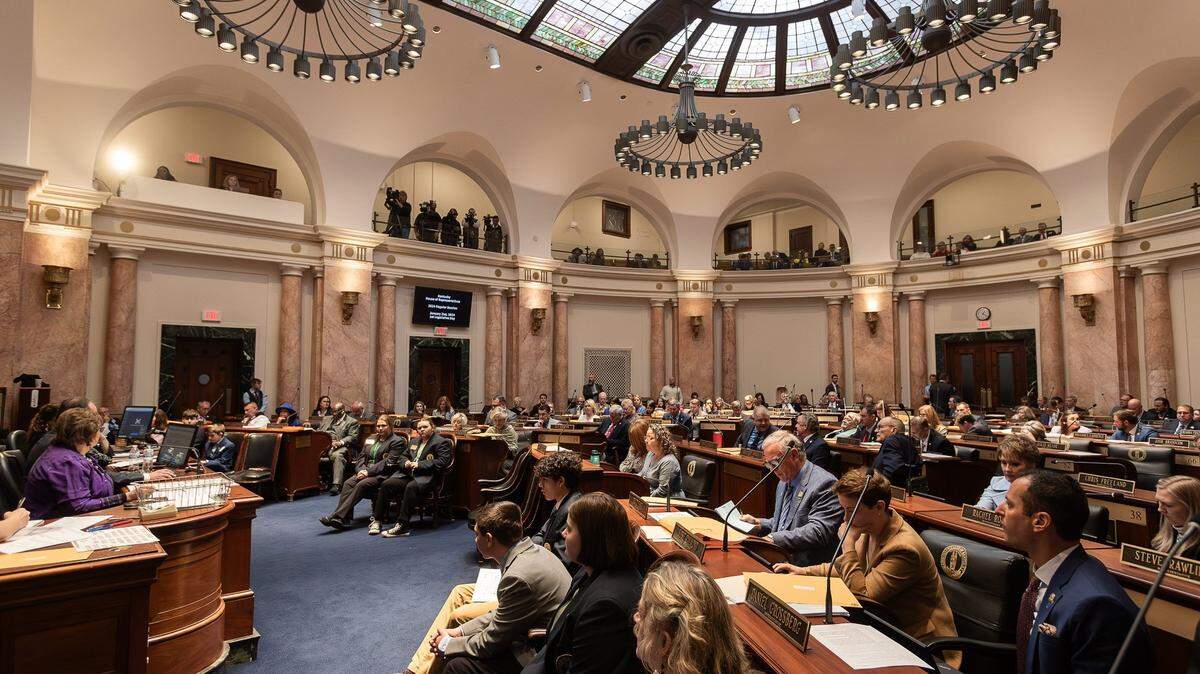
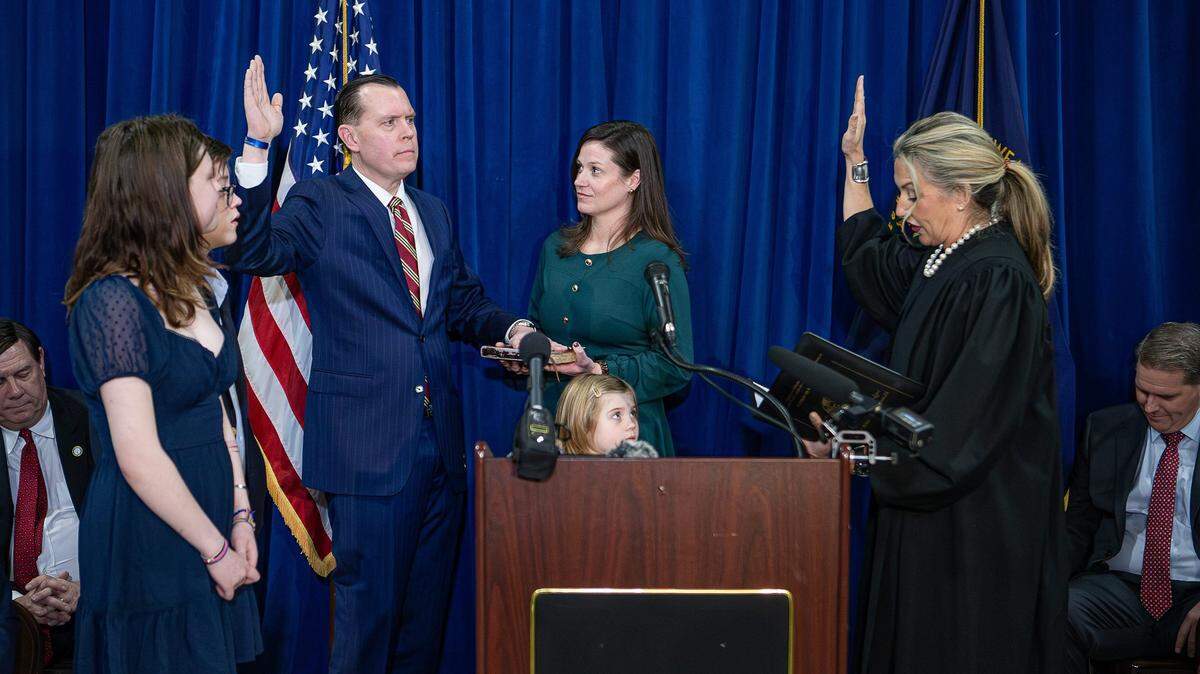
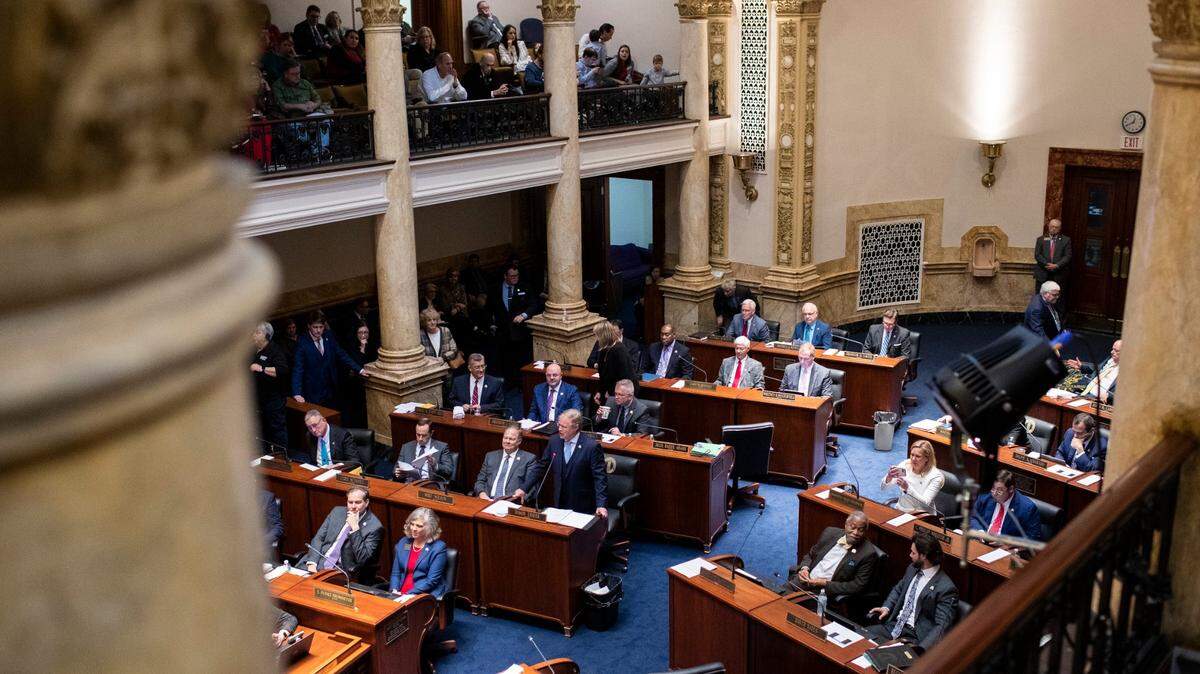
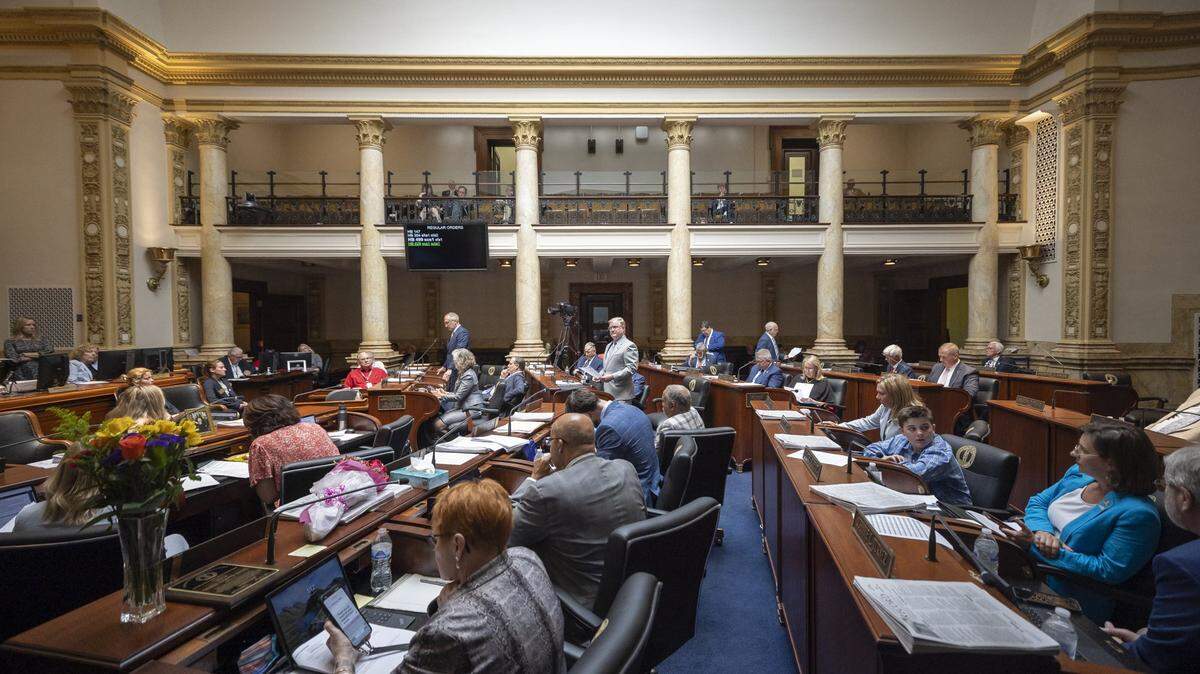
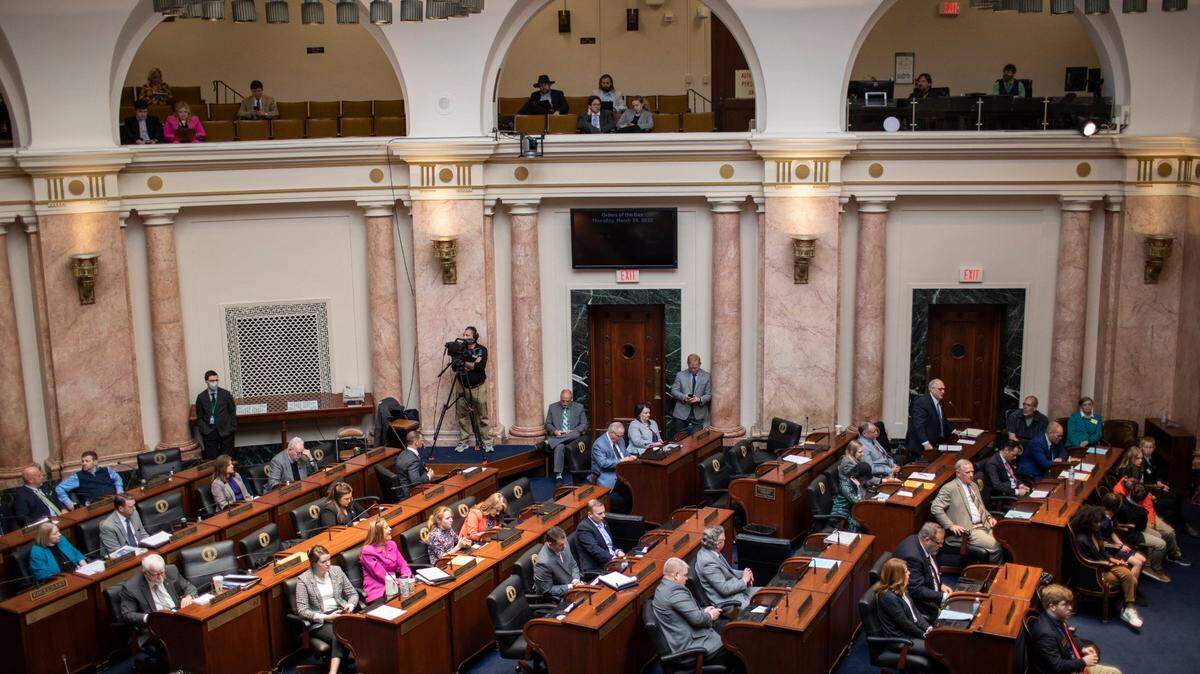
While many Kentuckians were struggling to stay warm Tuesday, House Republicans dropped the first version of this year’s most important bill: House Bill 6, the Executive Branch Budget proposal.
Some groups gave the spending plan a warm welcome. Predictably, however, others say it signals tough sledding in the years ahead.
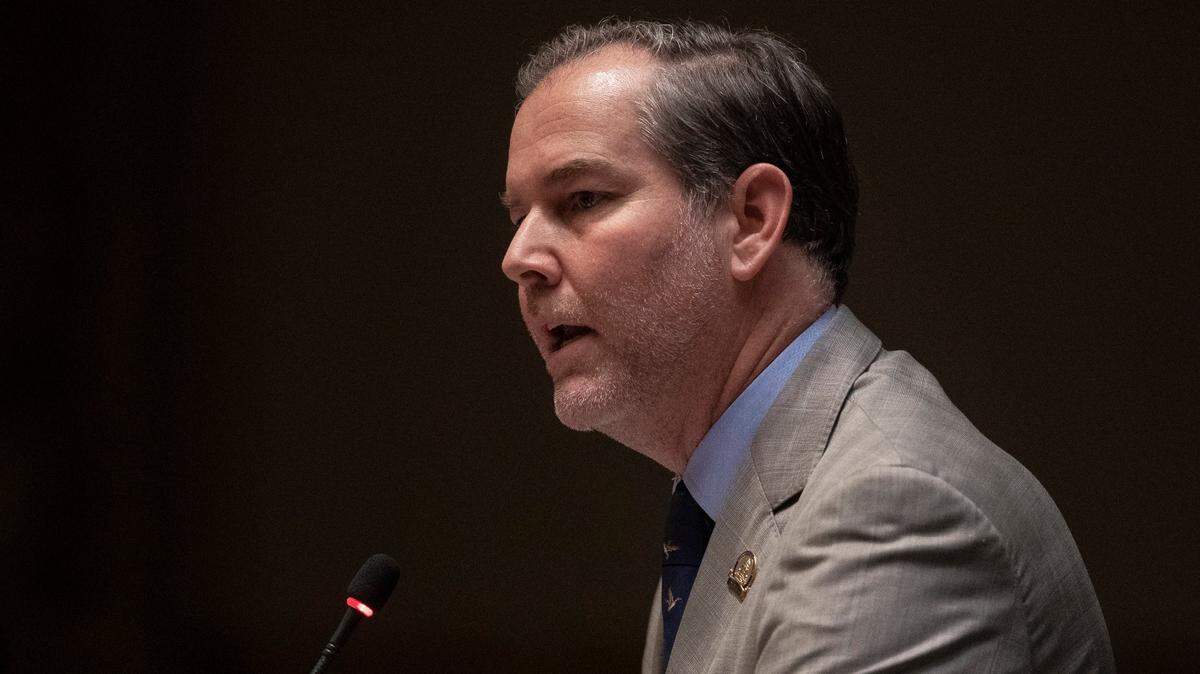
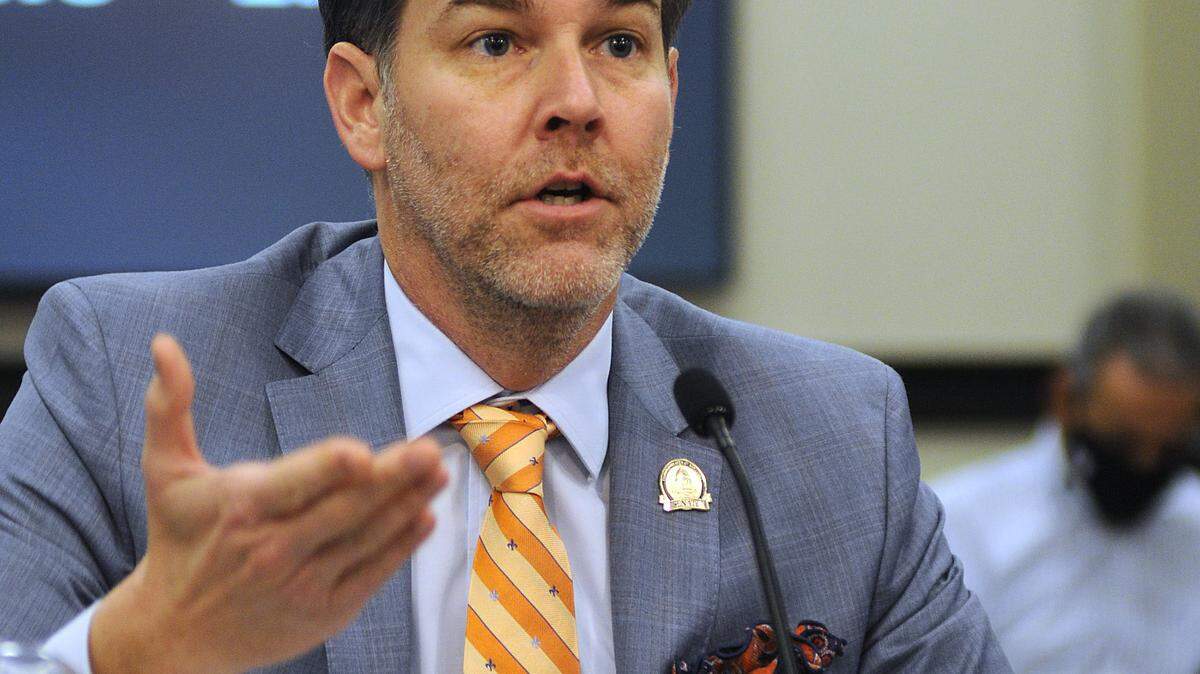
However, House Bill 6 – alongside House Bill 1, another bill sponsored by House Appropriations & Revenue Chair Jason Petrie, R-Elkton, that doles out $1.74 billion in one-time spending – is not set in stone.
It could still change significantly on the road to final passage in the GOP-dominated legislature as a back-and-forth between the House and Senate will ensue.
But at first blush, here are some winners and losers in this initial version of the state of Kentucky’s spending plan.
Winners
Those hoping for a personal income tax cut: The House’s budget did not allocate a significantly higher amount of money for as many recurring expenses as Gov. Andy Beshear’s proposed budget did. This increases the likelihood of the state meeting “triggers” to lower the personal income tax – a huge revenue source – another 0.5% from the current 4% mark. Some budget watchdogs warn this is an imprudent move while fiscal conservatives say it will help grow Kentucky’s economy. House Bill 1, the $1.74 billion, also exempts close to $800 million in appropriations that wouldn’t otherwise be exempted from being considered under one of the “triggers.” That increases the likelihood another personal income tax cut will hit.
Pension hawks: A massive amount of money via House Bill 1 will go toward paying down the state’s pension obligations. The bill proposes $950 million in one-time appropriations on this score – $500 million for the Teachers’ Retirement System, $300 million for the Kentucky Employees Retirement System Nonhazardous pension fund and $150 million for the State Police Retirement Systems pension fund.
Kentucky’s infrastructure and economic development: They appear to be two areas where Beshear and Republicans in the legislature can agree. House Bill 1 would put $125 million toward economic development efforts. House Bill 6 also makes clear that unspent economic development funds from the last budget cycle will carry over. House Bill 1 also provides $150 million over the next two years for “drinking water and wastewater infrastructure grants,” a key priority of Beshear’s budget.
Medicaid wait listers: Kentucky’s Medicaid waiver waiting list is long. Across four different waiver programs, the House budget proposal adds 2,550 new Medicaid waiver slots, compared to 750 under Beshear’s proposal.
State employees, sort of: Kentucky’s state employees are due another raise after getting their first in a while during the 2022 budget cycle. It’s not as much as Beshear’s proposed 6%, then a 4% across-the-board raise. But House Republicans are proposing a 2% boost, then 4% in the following year salary hike.
Losers
Beshear’s education agenda: Significantly less money would be spent on K-12 education, as well as preschool, under the House’s proposed budget than Beshear’s. His included across-the-board 11% school employee raises and Universal Pre-K. Both priorities have been ignored in the House’s budget first draft. House Republicans proposed to increase school funding entirely through the state’s per-pupil funding formula instead, investing $1.4 billion less over the next two years than Beshear proposed, according to the Kentucky Center for Economic Policy.
Child care advocates… for now: With federally supplemented child care dollars running out soon, advocates in the space have sounded alarm bells on the need for the state to step up. The House budget proposal’s $70 million on this front falls short of the Beshear administration’s estimated $330 million to fill the holes left by federal funding streams drying up. It’s worth noting, however, that some bills dedicated to mothers and families – Sen. Whitney Westerfield’s, R-Fruit Hill, and Rep. Kim Moser’s, R-Taylor Mill – that could see movement or the adoption of some provisions as the budget process moves along.
Those asking for more housing money: The House’s budget does not seemingly respond to advocates, a group that called for $200 million in spending on affordable housing. Further, Beshear had proposed an extra $75 million in relief for areas still recovering from the 2022 Eastern Kentucky flood. No such funding was included in the House’s budget proposal, though a separate bill was filed capping disaster and emergency relief funds for this current Fiscal Year at $50 million.
Retired state employees: While a big chunk of money is being spent to cover pension liabilities, state retirees would not receive cost of living increases or Beshear’s proposed $100 million one-time “13th pension check” under the House plan. State government retirees haven’t received a pension increase since 2012.
This story was originally published January 17, 2024 at 2:42 PM.







.JPG)






%20-1%20.jpg)

.JPG)




.JPG)