KY superintendents say GOP budget won’t help attract, retain teachers, according to survey

READ MORE
2024 General Assembly
Keep up with the latest out of Kentucky’s 2024 legislative session.
Expand All
A poll of 93 Kentucky public school superintendents shows the vast majority of them think the House GOP’s current budget plan falls short of its own mandate on teacher retention and attraction.
Of those surveyed by the Kentucky Association of School Administrators, 96% said the increased funding of the per-pupil state education funding formula in House Bill 6 wouldn’t “enable the district to attract and retain teachers.”
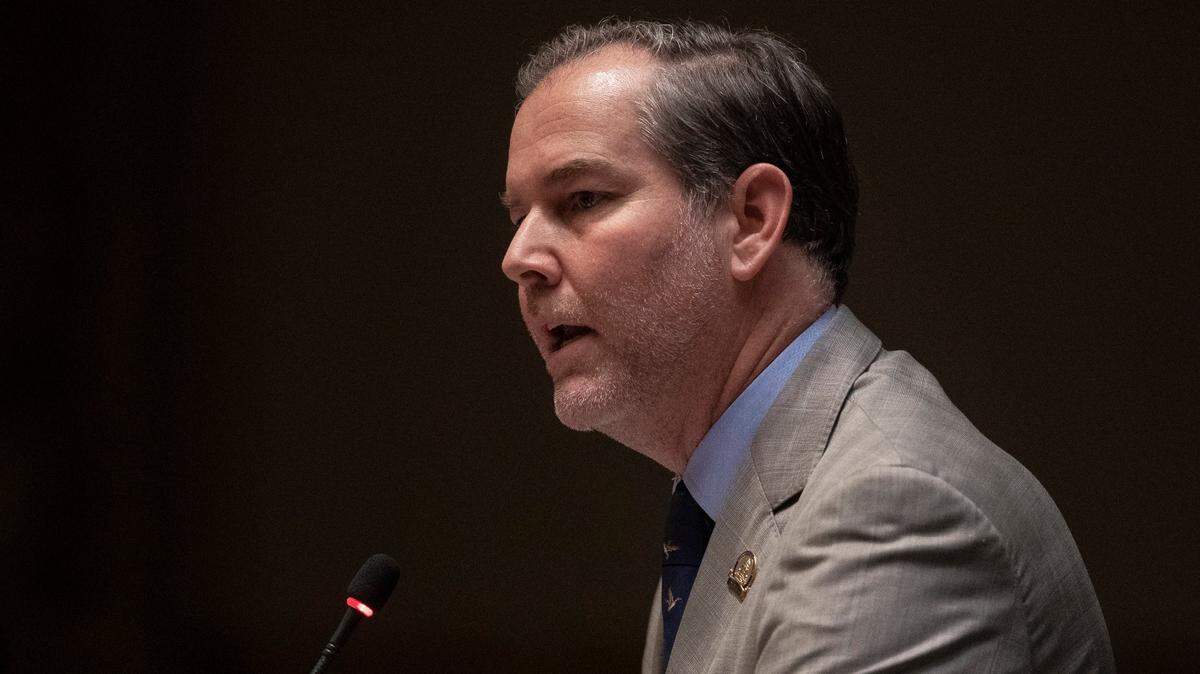
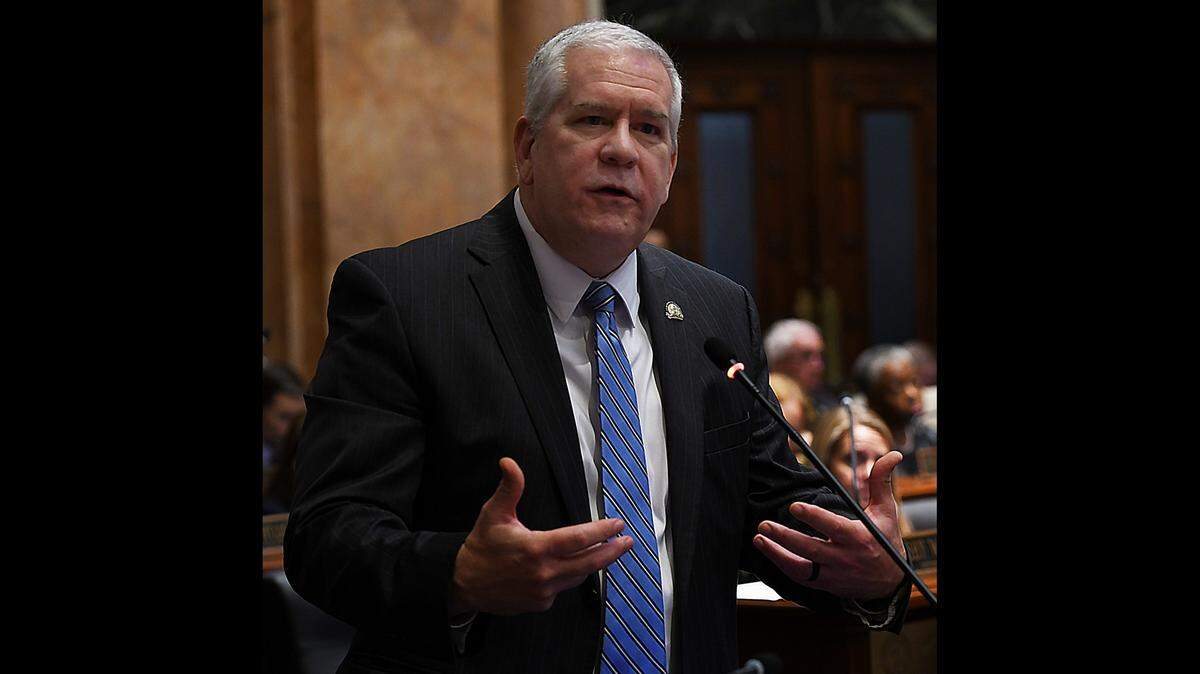
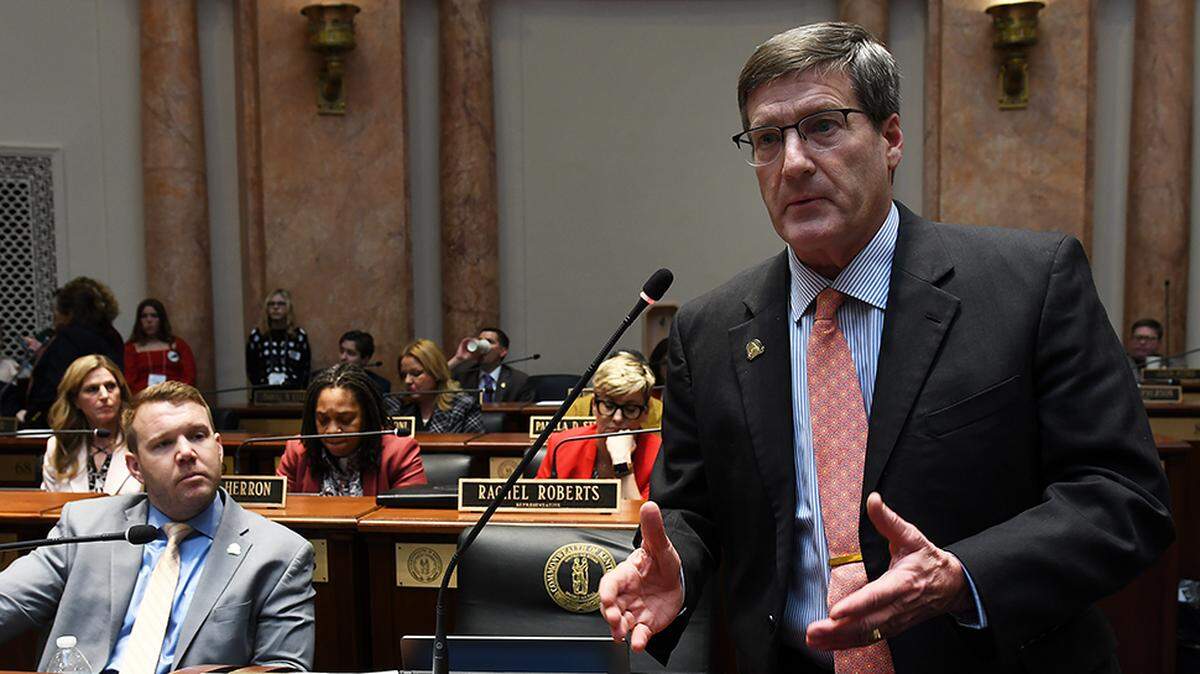
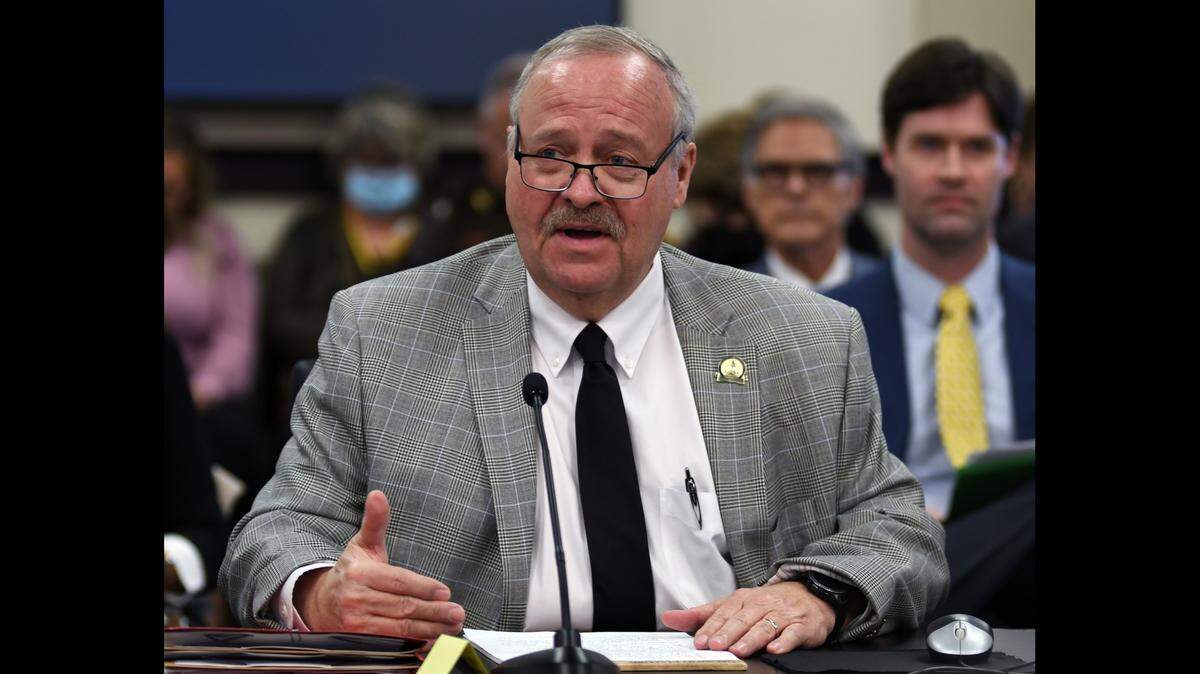
House Bill 6 is the working budget document sponsored by House Appropriations and Revenue Chairman Jason Petrie, R-Elkton. Aside from the 4% increase in the per-pupil formula funding provided to local districts, the budget bill specifies that each local board of education “consider the actions of other states and the local economy and the related effect on recruitment and retention” when setting salaries. It also encourages raises.
“We are compelled to emphasize the proposed state budget, while commendable in many aspects, falls short in one critical area—enabling school districts to offer competitive teacher salaries to address the dire and growing teacher shortage,” a representative of KASA said in a statement to the Herald-Leader.
The 93 school superintendents surveyed represent a little more than one half of all 171 public school districts that serve Kentucky’s 120 counties. Those surveyed hail from all regions of the state.
“We are grateful our voices were heard in this regard, but the available data does not indicate that ‘legislative intent’ can be achieved with the current proposal,” the statement from KASA reads. “Further, we know Kentucky can do better... While the funding provided in HB 6 is a forward step, it is inadequate to help school districts compete with neighboring states, property-rich districts, and private industry when it comes to teacher salaries.
“This budgetary gap will exacerbate the teacher shortage, hinder our ability to attract new individuals to the profession, and result in declining math and reading scores.”
Under the House’s current proposal, the state’s per-pupil funding formula — the Support Education Excellence in Kentucky formula, commonly called SEEK — would be increased to $4,455 by fiscal year 2026. That figure now stands at $4,200 per student. Though the per-pupil number is up, the overall investment in SEEK dollars would remain static at an average of $3.2 billion per year, as the complex formula is affected by such factors as attendance and local property values.
Further, House Bill 6 would increase state funding of school transportation from $274 million per fiscal year to $319 million in the first upcoming fiscal year, which begins July 1. That funding would increase to about $359 million in the following year.
Letcher County Public Schools Superintendent Denise Yonts echoed KASA, saying that more investment is needed to address the particular issues her Eastern Kentucky school district faces.
Letcher County was among the hardest hit by a flood that took dozens of lives and caused massive amounts of property damage throughout Southeastern Kentucky in 2022. Yonts said the loss of enrollment after the flood means the district’s SEEK allocation has gone down.
“It is crucial to allocate sufficient funds to support competitive salaries, professional development, and classroom resources that empower educators... While an increase in SEEK and transportation is appreciated, our resources are limited. We are facing some tough decisions and need support to continue to offer a quality education and attract employees,” Yonts said.
Fayette Superintendent Demetrus Liggins said HB6 falls short of meeting the district’s needs.
HB6 suggests increasing the SEEK base to $4,368 in FY25 and $4,455 in FY26, representing a nominal increase that fails to adequately address the growing demands on our school system, Liggins said.
What’s often overlooked is the intricate nature of funding distribution, with the reliance on local revenue further complicating matters, Liggins said. This distribution model disproportionately burdens districts like FCPS and undermines the state’s constitutional responsibility to fund public education, he said..
Moreover, the failure to keep pace with inflation since 2008 has significantly eroded the purchasing power of education funding. If the state had maintained its commitment to SEEK at the rate of inflation, the SEEK base in fiscal year 2024 would stand at $5,400 per pupil in average daily attendance, highlighting the substantial shortfall we currently face, Liggins said.
The repercussions of inadequate funding extend beyond mere numbers, Liggins said.
“ Without the appropriate resources to fund our schools we risk exacerbating teacher shortages and compromising student outcomes,” he said.
House Bill 6 is in its early stages. It is subject to change in committee, on the House floor, and faces a long road until expected passage by both chambers, which usually takes place near the end of the 60-day legislative session in even-numbered years.
House Bill 6 does not directly address Gov. Andy Beshear’s proposal to give raises to school employees across the board. Neither does KASA’s statement.
The survey responses showed:
- 54% of respondents estimate they will be able to provide a teacher salary increase ranging from 0-2% under the current budget proposal.
- 34% estimate they will be able to provide a teacher salary increase ranging from 2-3% under the current budget proposal.
- 6% estimate they will be able to provide a 3-4% teacher salary increase under the current budget proposal.
5.5% indicated they could give raises over two years of no more than 5% while others may need to cut salaries or reduce staff due to declines in average daily attendance.
- 60% said the additional transportation funding included in the budget proposal would not make higher staff salaries more likely.
The above estimates, according to the release, assume every additional dollar received is applied only to teacher salaries. That would leave local districts and taxpayers to foot the bill for increases to costs due to inflation, raises for non-teacher staff, and classroom supplies at minimum.
While leaders in surrounding states, including Tennessee, Ohio, and Indiana, are establishing minimum starting teacher salaries at or around $50,000, Kentucky’s average starting teacher salary rests at a meager $38,010, the statement said.
In one district in Kentucky, a beginning teacher makes only $34,000—after taxes and mandatory pension contributions are deducted, this drops to less than $25,000 per year, KASA said.
This story was originally published January 29, 2024 at 9:42 AM.








.JPG)






%20-1%20.jpg)

.JPG)





.JPG)