New KY open records bill still has transparency ‘loophole,’ First Amendment advocates say

READ MORE
2024 General Assembly
Keep up with the latest out of Kentucky’s 2024 legislative session.
Expand All
Advocates for government transparency say they’re glad to see big changes made to a bill that would have ripped “the heart out of” Kentucky’s Open Record Act — but they’re still not enough.
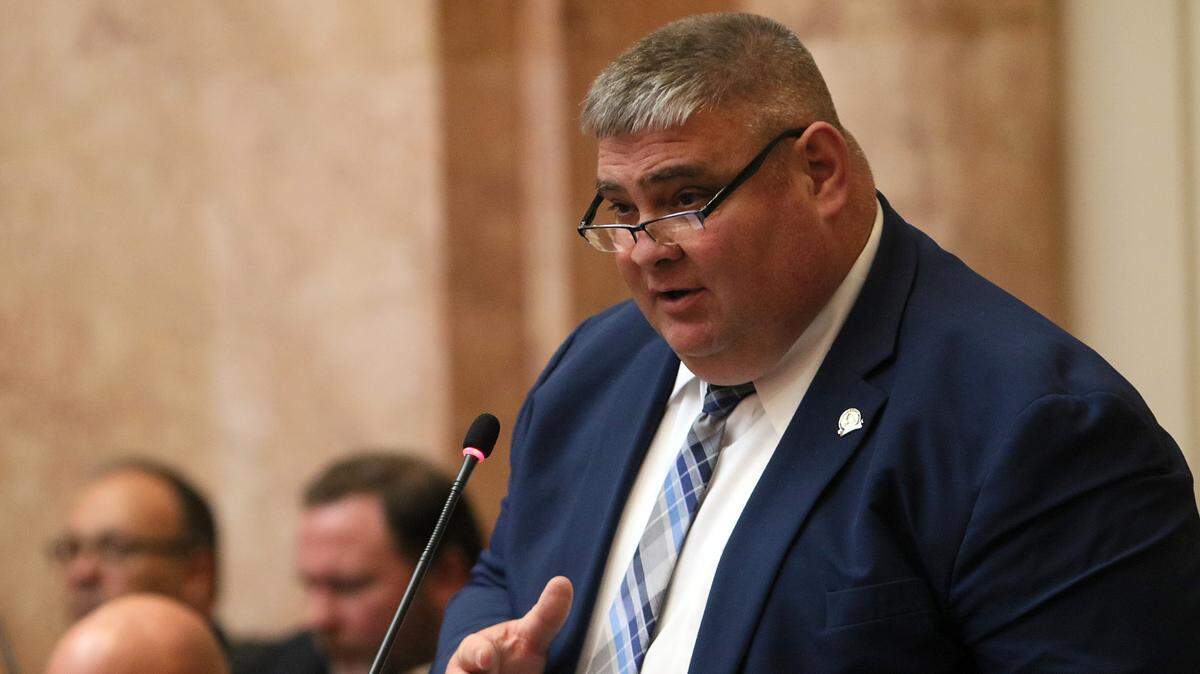
In its original form, House Bill 509 from Rep. John Hodgson, R-Fisherville, would have narrowed the definition of a “public record” accessible to the public to include only documentation that gives “notice to a person outside the public agency of a transaction or final action.”
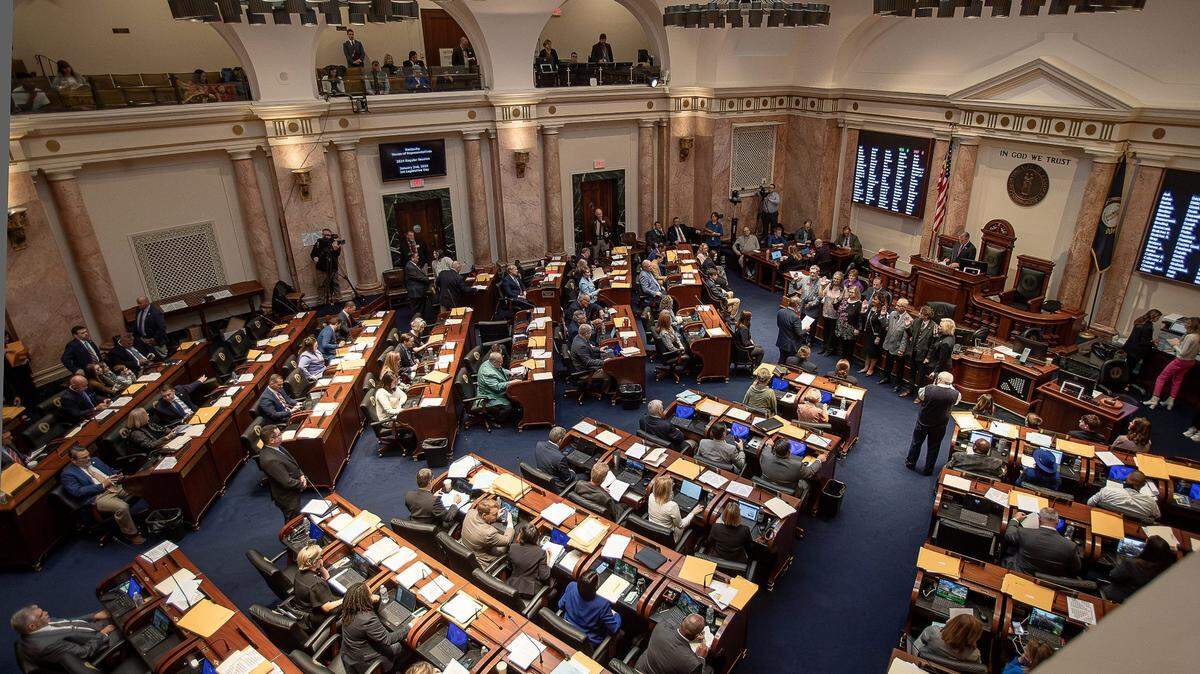
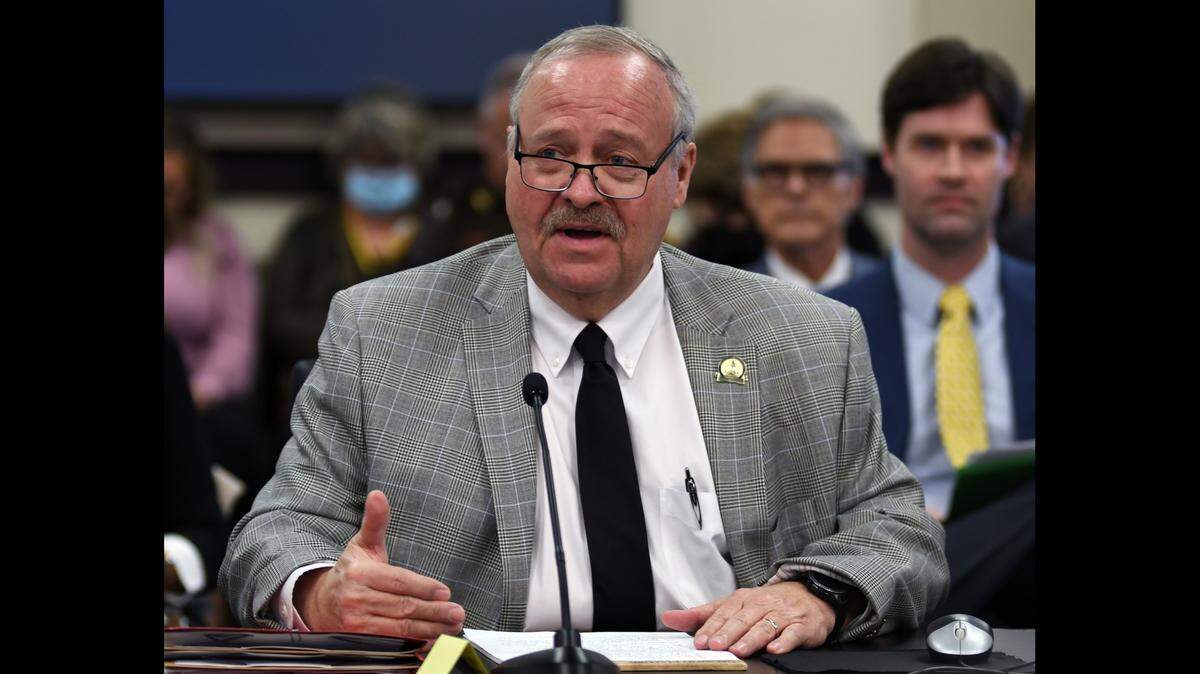
But after backlash from transparency advocates, Hodgson promised to remove those provisions from the bill. A committee substitute introduced at — and approved by — the House State Government committee Thursday did just that.
However, the new version also has issues, according to First Amendment attorneys and Democrats.
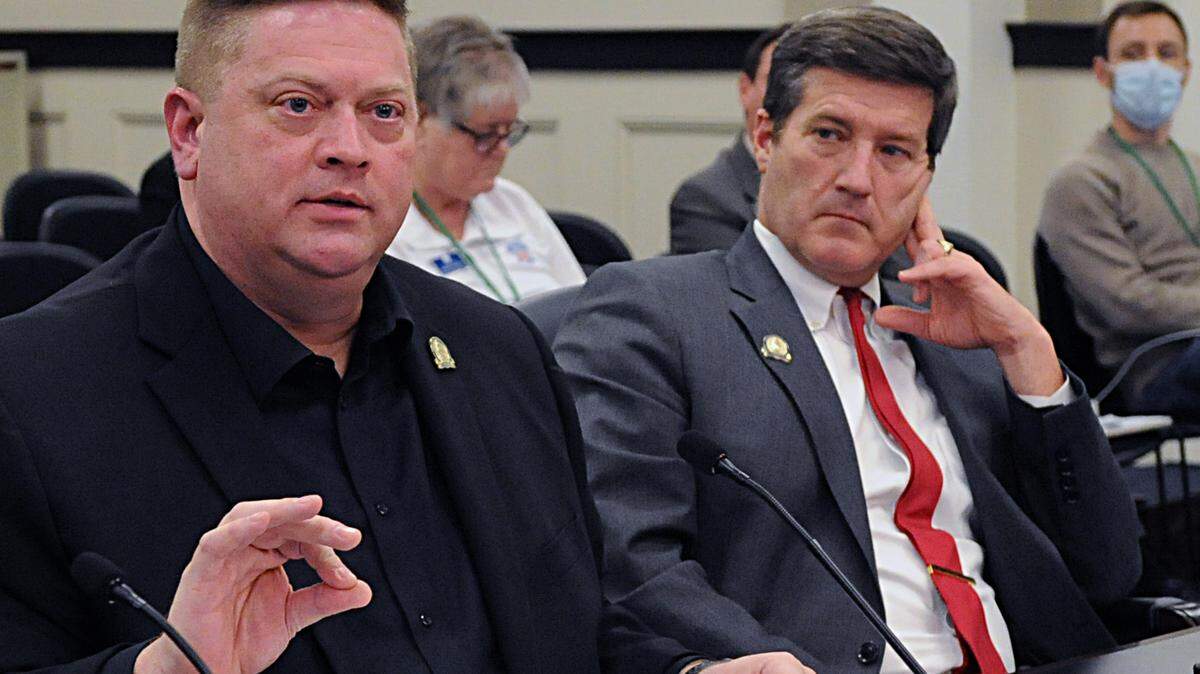
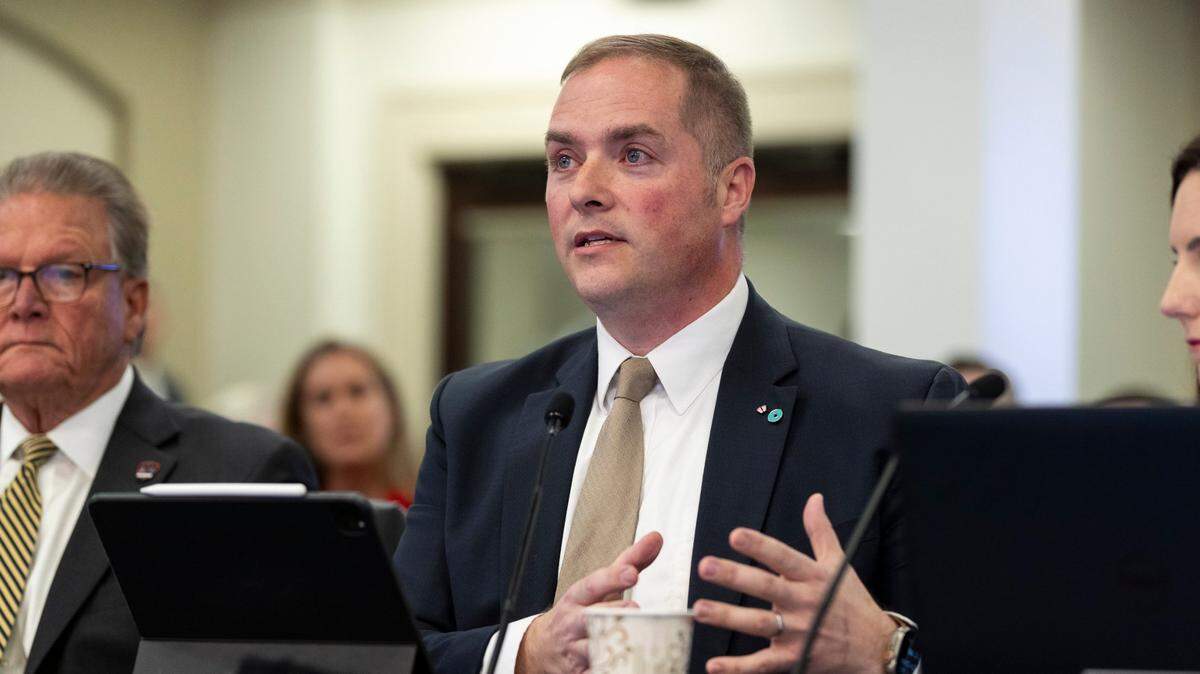
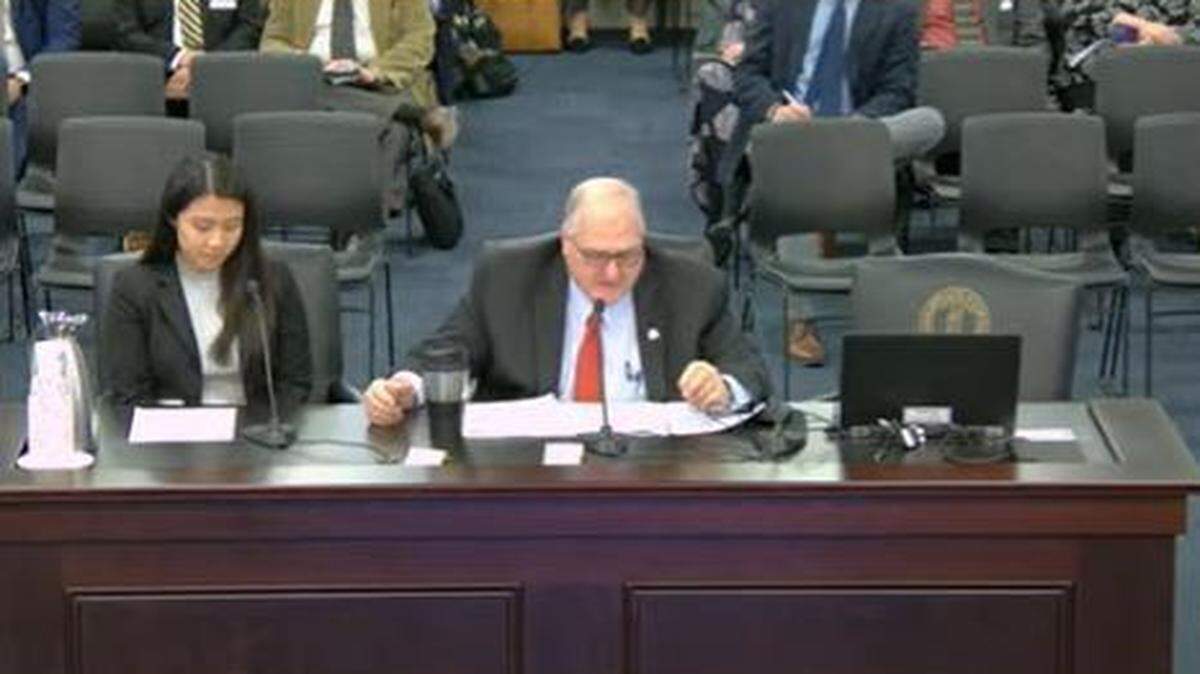
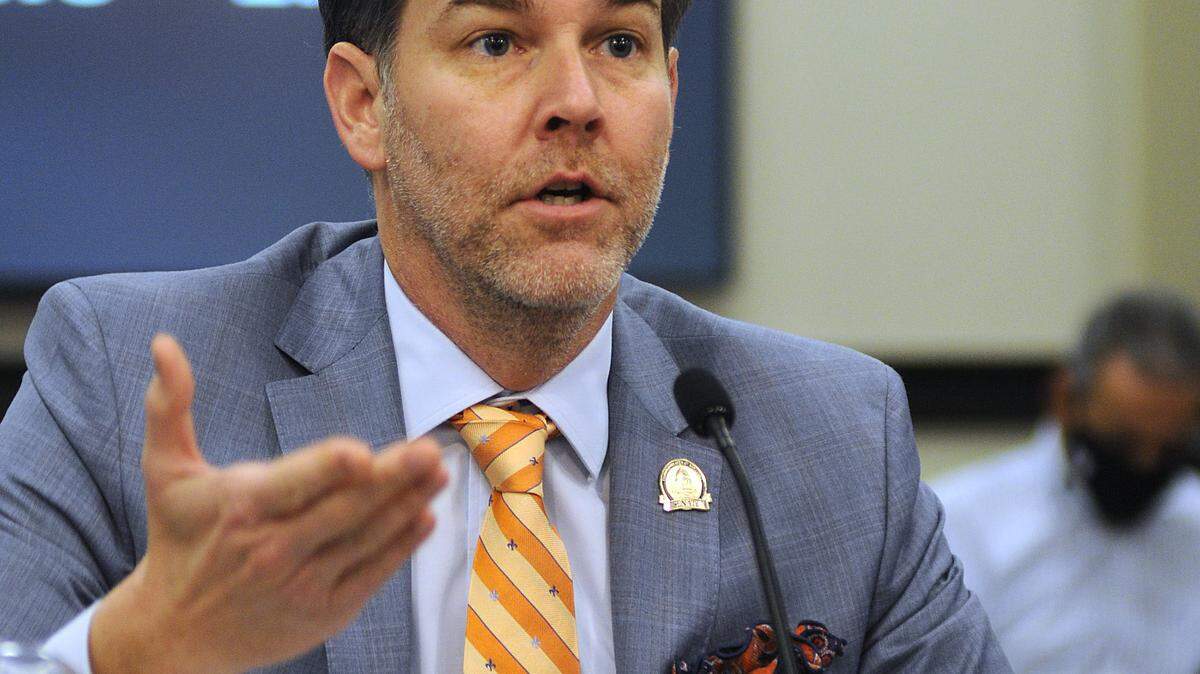
Michael Abate, a Louisville attorney who represents the Kentucky Press Association, told lawmakers the new bill creates a legal loophole that would allow some communications from public officials to escape scrutiny.
“Let me give you an example: We have a number of member organizations who tried to get information out of (Jefferson County Public Schools) about what happened during the epic meltdown of busing in the first few days of the school year,” Abate said. “We requested emails and all records, and they came back and told us, ‘Oh, we only have like two emails.’”
Abate said because the superintendent and other school officials had been communicating via text messages throughout this whole ordeal, the district refused to turn over those messages.
“We want to know what they’re texting. We want to know what was happening. We want to know what’s going on,” Abate said. “JCPS has taken the position those aren’t public records. That’s contrary to court cases; we can deal with that.
“But under this bill, we would not have the right to see what employees were texting each other during the JCPS meltdown. We think that’s a loophole that can be and should be plugged.”
The new version of the bill requires government entities provide “officers, employees, board members, and commission members an agency-furnished email account for the purpose of conducting the business of the public agency.”
Officials “shall not use an email account other than an agency-furnished email account” for public business, it says, and doing otherwise is grounds for discipline.
If a public agency complies with that portion of the law, they only have to provide records that are either contained in an agency-owned device or email account.
That creates the loophole, Abate said.
“I think it’s laudable that this bill says, ‘If you have a public email account, you shouldn’t privately email,’” he said. “However, it doesn’t say you shouldn’t text on a private device about public business, even though it then turns around and exempts the agency from doing so, from searching for those records.”
Hodgson said he’s an advocate for transparency, but he’s also an advocate for personal privacy.
He doesn’t want to create a “situation where you walk in as an employee or as a board member of those organizations and the open records coordinator says I need you to hand me your phone today and all of your social media passwords, your text messages and your email passwords, for this open-ended fishing expedition that could be launched by any of 4 million Kentuckians.”
Abate said that’s not what would happen.
“I just want to be clear because we litigate these cases all the time,” he said. “No one ever thinks somebody’s going to hand over their phone to be forensically examined.
“Our point is just this: If you choose to create a public record on a personal device, you run the risk that if somebody asks you, you’re going to have to screenshot that text and hand it over. That’s it. No one’s asking for intrusive searches of some of these devices.”
In an analysis of the revised bill, Amye Bensenhaver, co-founder of the Kentucky Open Government Coalition and former assistant state attorney general, wrote “no one has ever asked for or expected, much less succeeded in demanding, the surrender of a private cellphone or the password to a private email account to fulfill an open records request” and the claims that this is needed for privacy are “false.”
“Those intent on maintaining secrecy — often with regard to matters of greatest urgency to the public or of greatest embarrassment to the agency — will have an unimpeded path to avoiding the open records law by using their private devices and accounts,” Bensenhaver wrote on the coalition’s website.
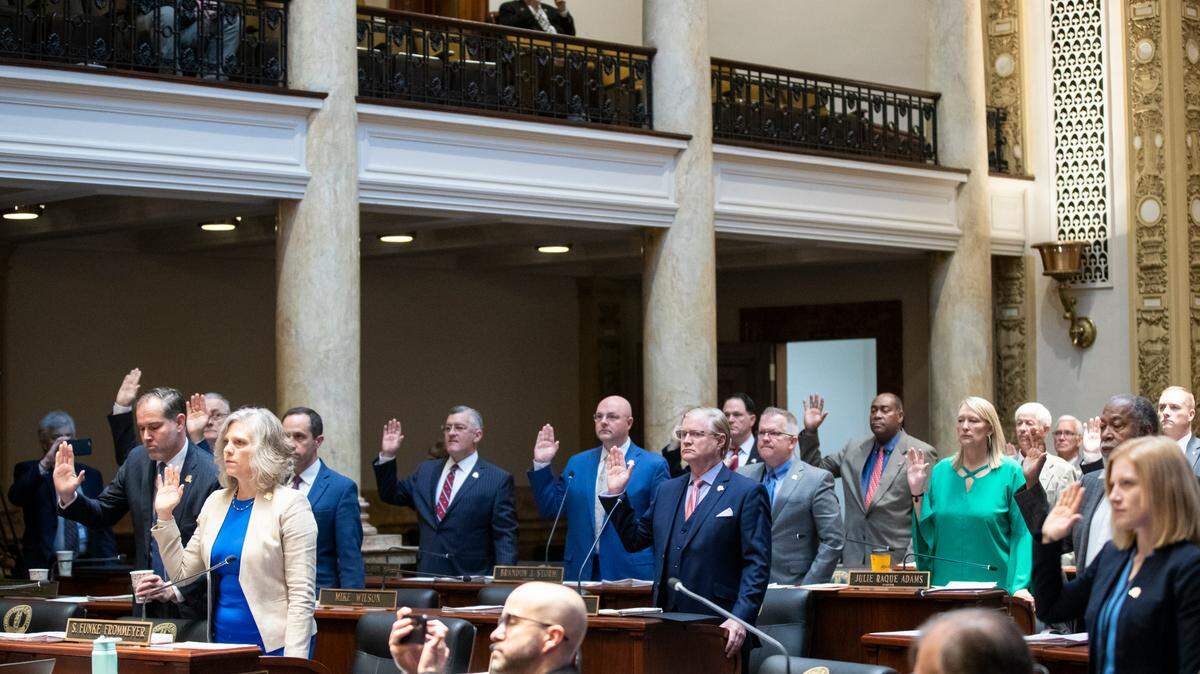
The bill passed committee on a 14-4 vote, with all four Democrats voting no. Two Republicans — Rep. Savannah Maddox and Rep. Steve Rawlings — passed on the vote.
This story was originally published March 8, 2024 at 7:00 AM.






.JPG)






%20-1%20.jpg)

.JPG)






.JPG)