Bill relaxing Kentucky’s child labor restrictions advances
READ MORE
2024 General Assembly
Keep up with the latest out of Kentucky’s 2024 legislative session.
Expand All
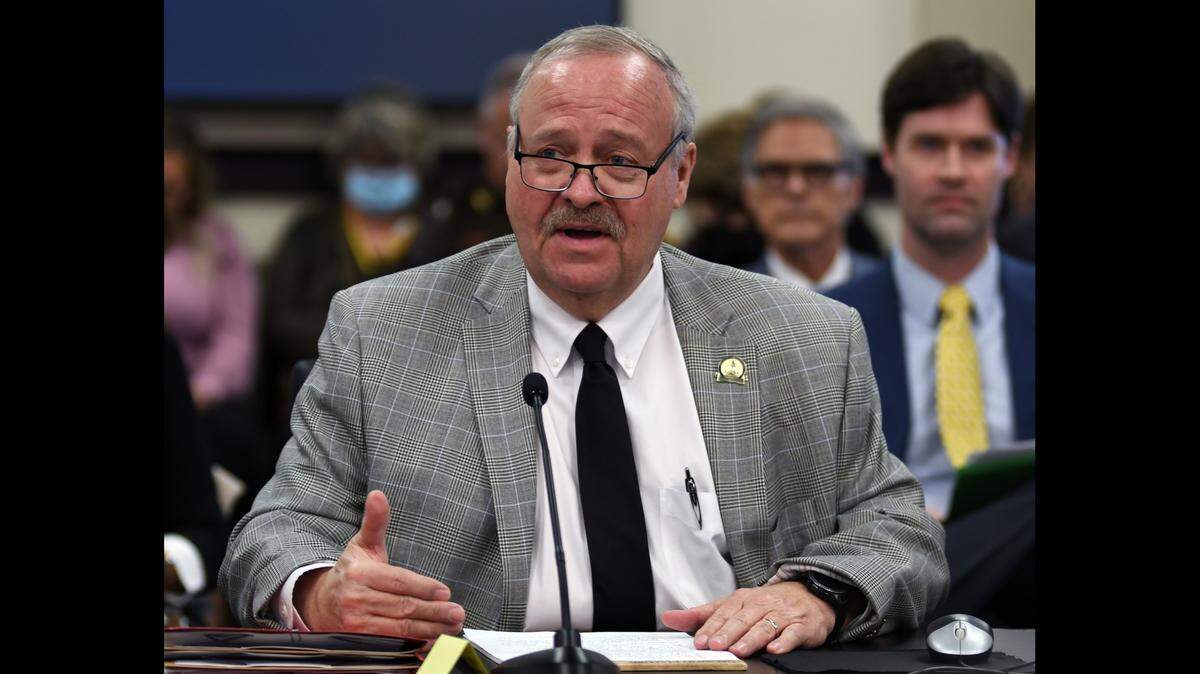
A bill loosening state restrictions on child labor, removing the cap on hours 16- or 17-year-olds can work on school nights, advanced in a Kentucky state legislative committee Thursday.
Kentucky currently limits those children to working six hours a day and 30 hours a week during school weeks. House Bill 255, from Rep. Phillip Pratt, R-Georgetown, repeals those limitations.
Opponents expressed fear that it could hurt the state’s high school graduation rate and potentially increase exploitation of child labor across the state.
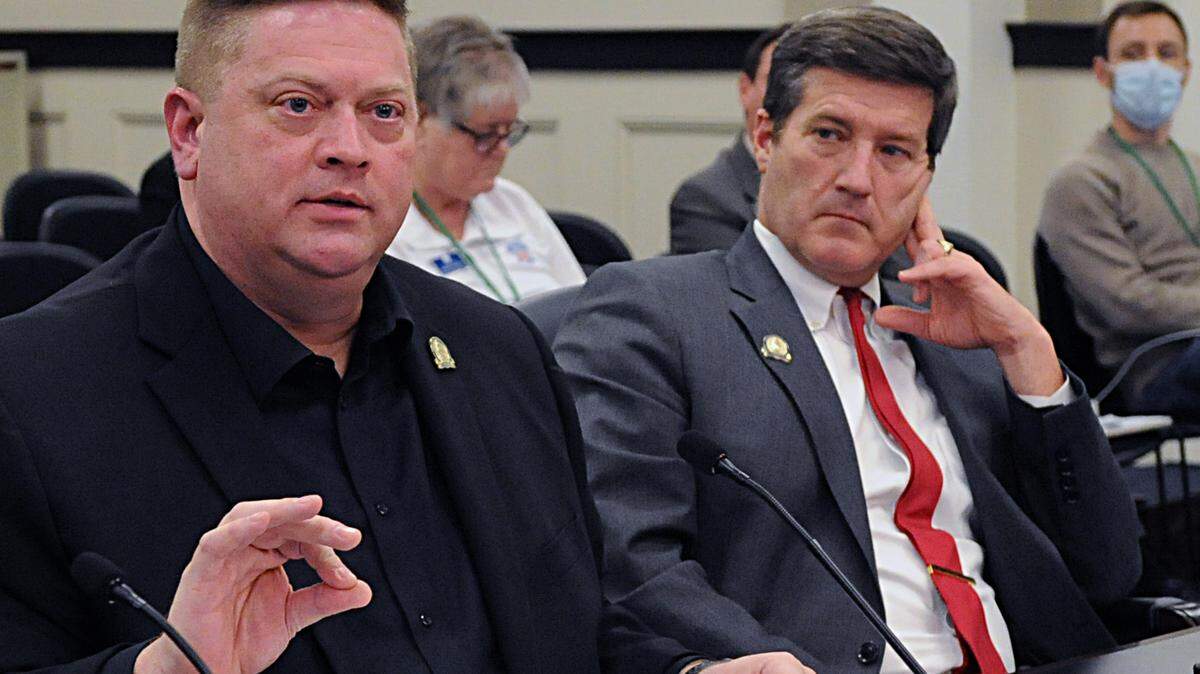
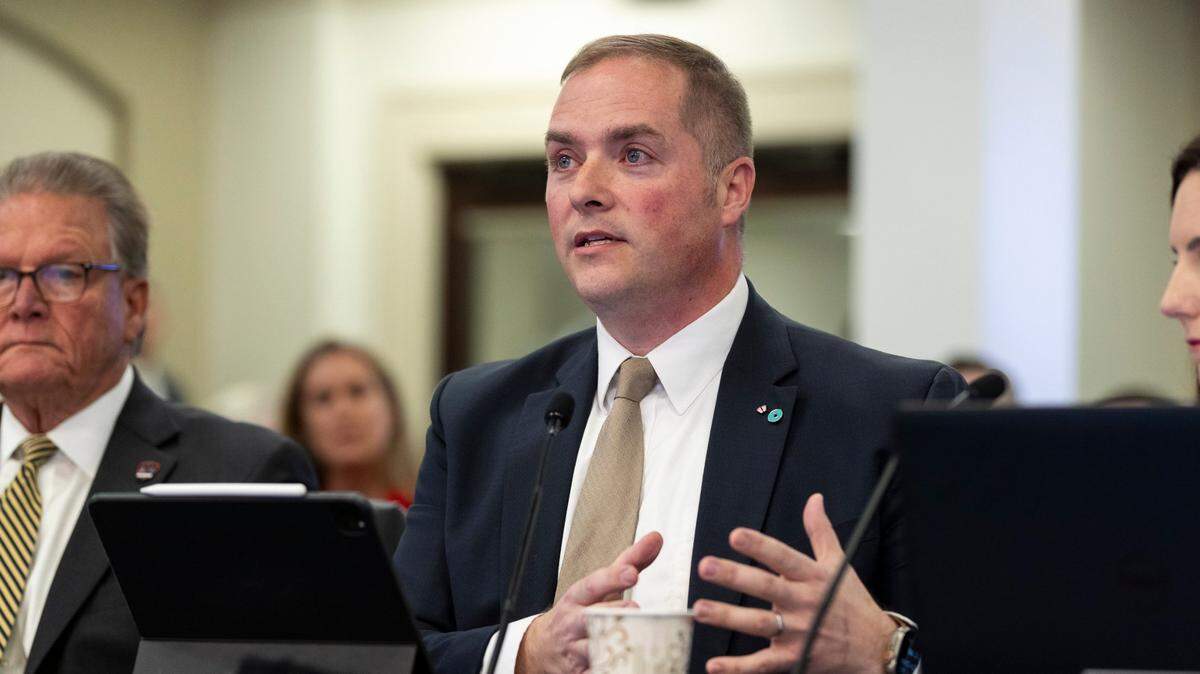
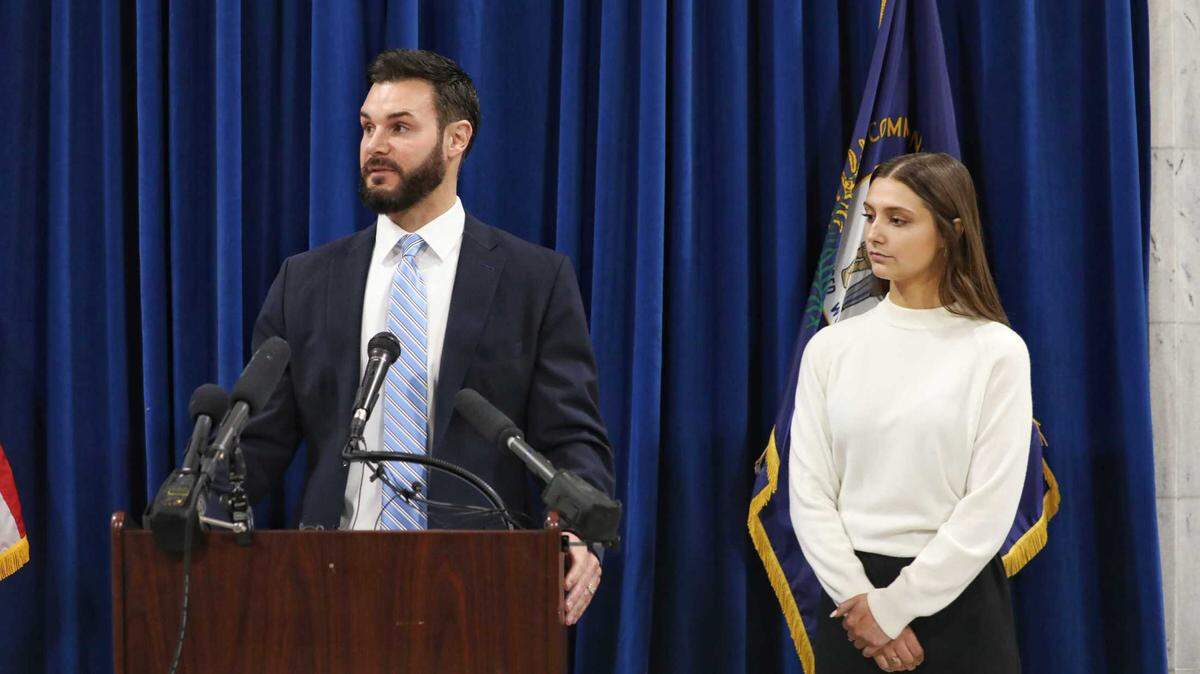
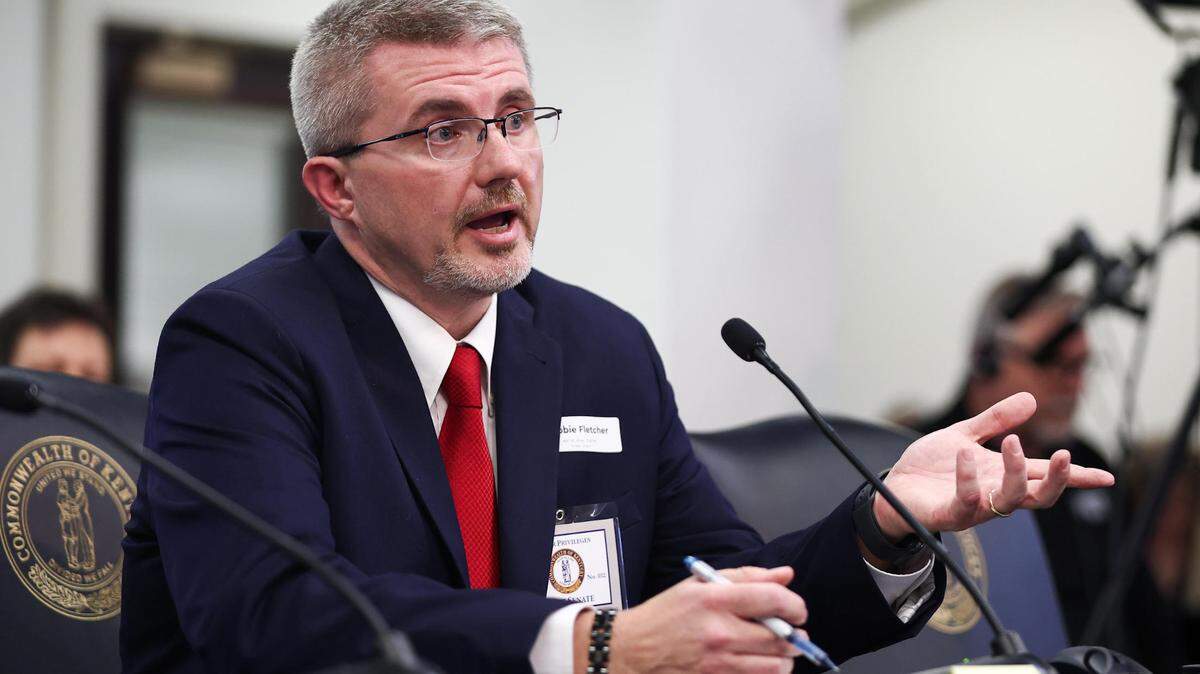
“I support the ability of teenagers and high school students to be able to work. The question is whether or not this bill threatens the safety of our children or threatens their ability to thrive in high school,” said Dustin Pugel, policy director at the Kentucky Center for Economic Policy.
“Already there are 19,000 Kentucky kids ages 16 to 19 who are not in school, and we are concerned that this bill could exacerbate that problem, threatening the progress Kentucky has made in graduation rates in recent decades.”
The bill would also prohibit Kentucky’s top labor officials from setting standards on child labor that exceed minimum federal protections.
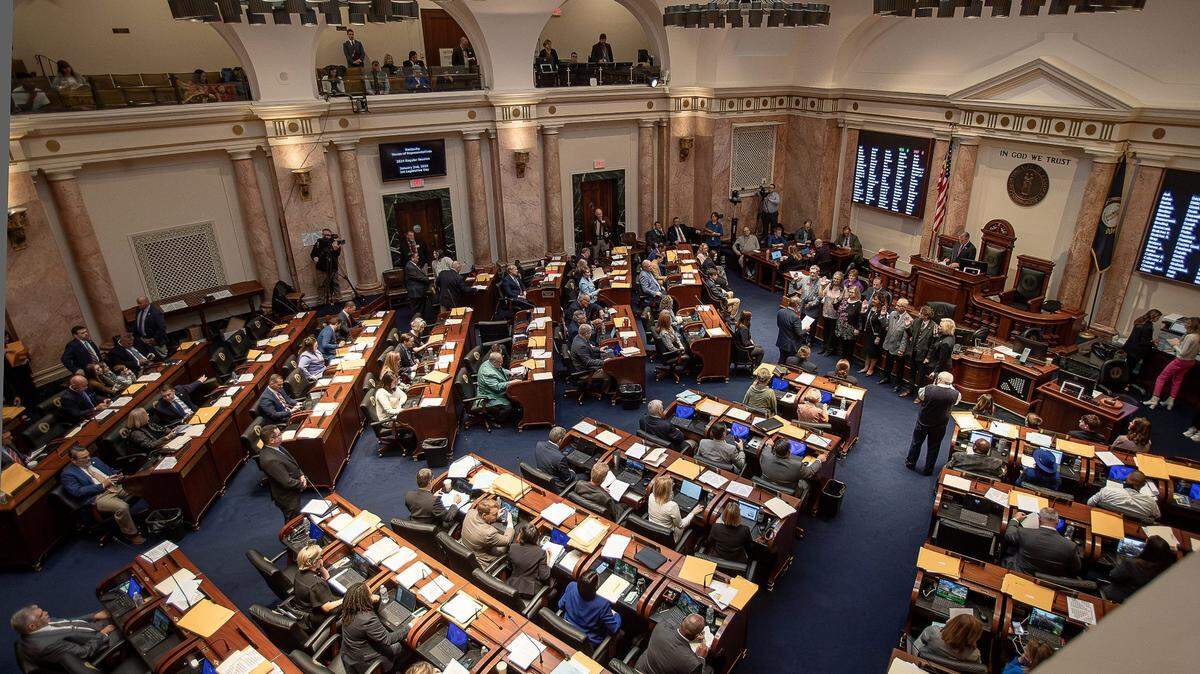
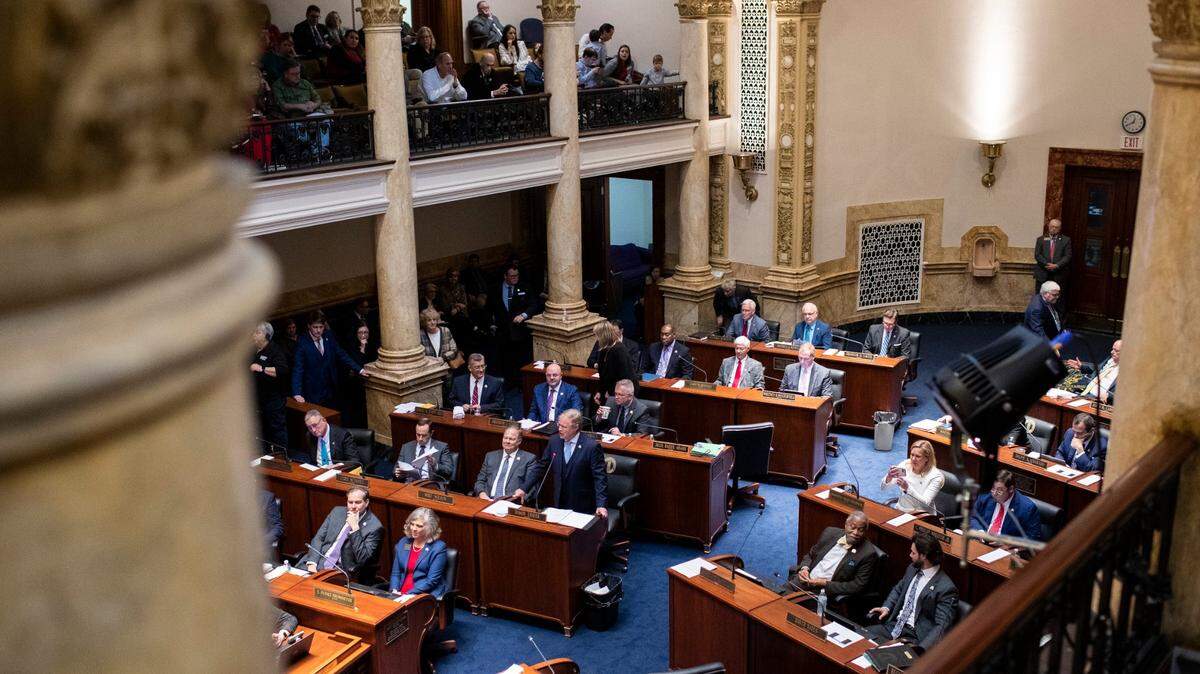
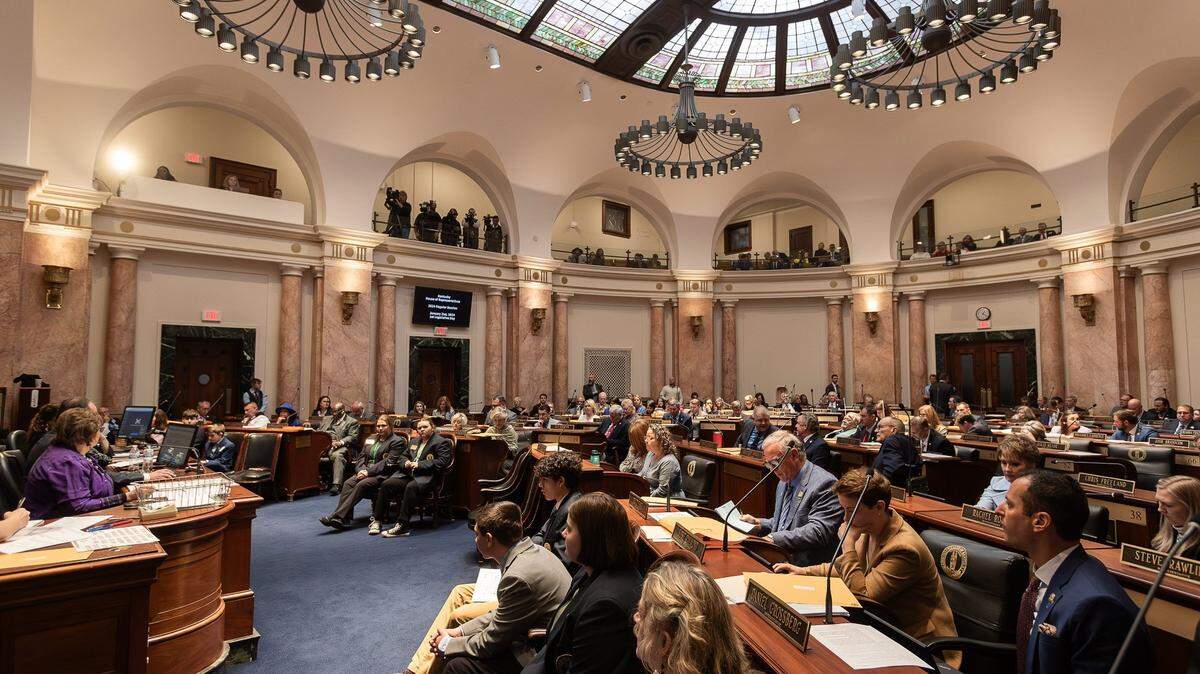
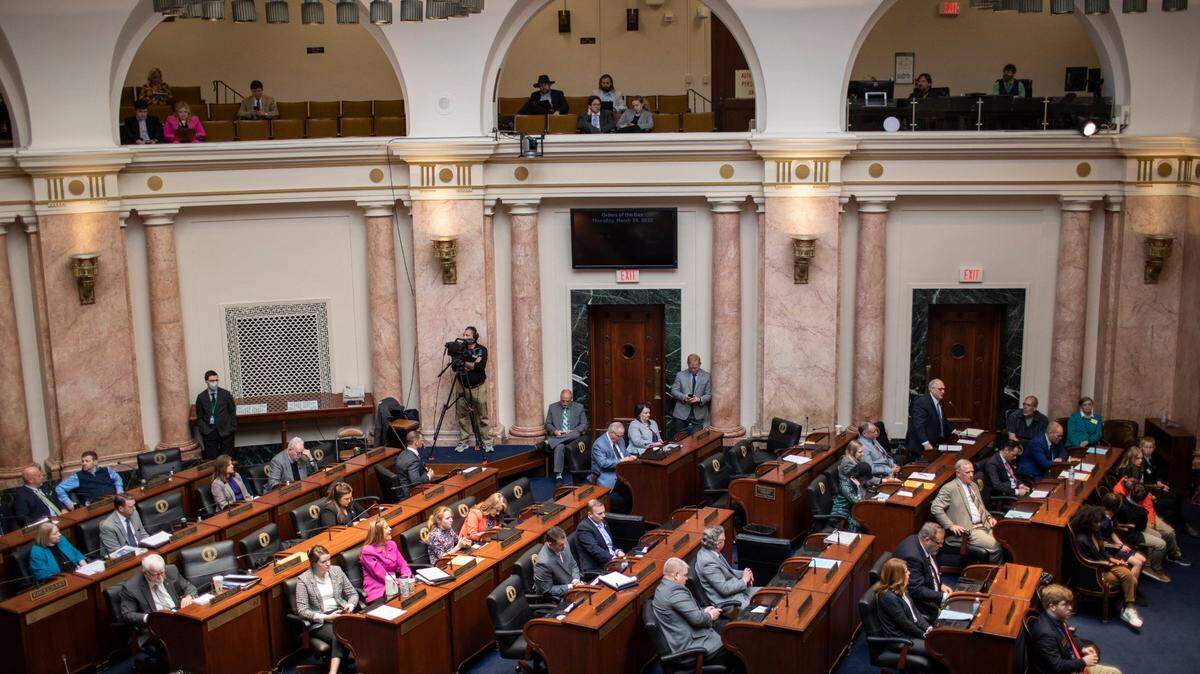
To become law, the bill would need majority approval from the 98-member House and 38-member Senate, where changes could be made.
Supporters, including the sponsor, said the bill largely brings the state’s restrictions on child labor into alignment with federal standards. Current federal standards state that 16- and 17-year-olds may be employed for unlimited hours in any occupation with the exception of jobs deemed hazardous.
They also said it would spur employment in a state whose rate of workforce participation is low.
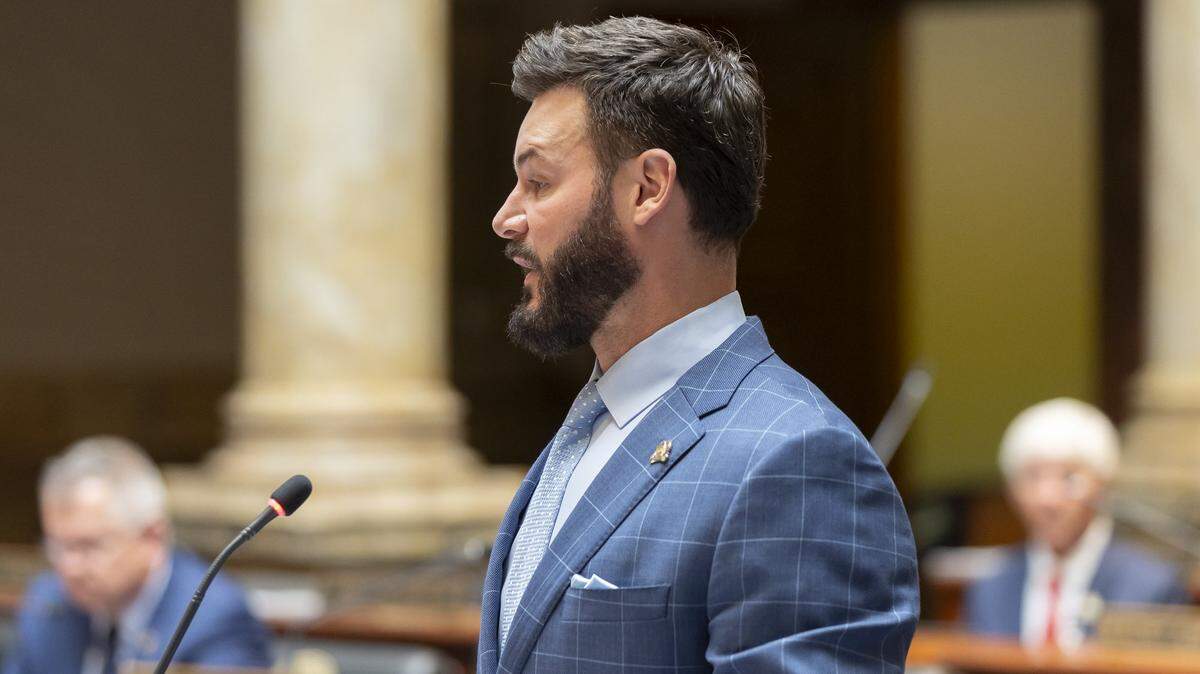
“I think it’s a great bill. I think that when we can begin to get people working, then it’s always a good thing,” Rep. Matt Lockett, R-Nicholasville, said.
Pratt argued that allowing 16 and 17-year-olds to work a potentially unlimited number of hours is “no different” than letting them dedicate a lot of time to sports, student clubs or volunteering. He also said that workforce participation has declined precipitously among those aged 17 to 25, and that House Bill 255 will “hopefully help with that.”
“Get them some work experience and hopefully they’ll get off the couch, quit playing Nintendo games and actually make money. It’s amazing – if you play sports, there’s no restrictions,” Pratt said. “It seems unfair that we don’t want to train people to have a job after they get out of high school, but it’s okay if you play sports 24/7.”
Pratt owns a landscaping company, Pratt Lawn & Landscape. He indicated that he’s previously employed minors.
The current 6-hours-a-day, 30-hours-a-week standard can be extended by 30 minutes each day with parental or guardian permission. The weekly limit can be extended to 40 hours a week with permission from a school administrator certifying that the child maintains at least a 2.0 grade point average.
The caps are extended considerably during weekends or when school isn’t in session.
Those standards were set by a regulation from the Gov. Andy Beshear administration in 2021.
Pratt’s bill would specifically repeal those regulations and the law that gives the state commissioner of workplace standards the power to regulate child labor.
House Bill 255 would also do away with time limits on child labor for 16 and 17-year-olds. Currently, the regulation allows them to work from 6 a.m. to 10:30 p.m. on days preceding a school day and 6 a.m. to 1 a.m. on days not preceding a school day.
The bill drew praise from Republicans who extolled the benefits of child labor and the ability for those children to further provide for their families. Democrats, on the other hand, worried that repealing many of the standards set for child labor would lead to worse outcomes for those children.
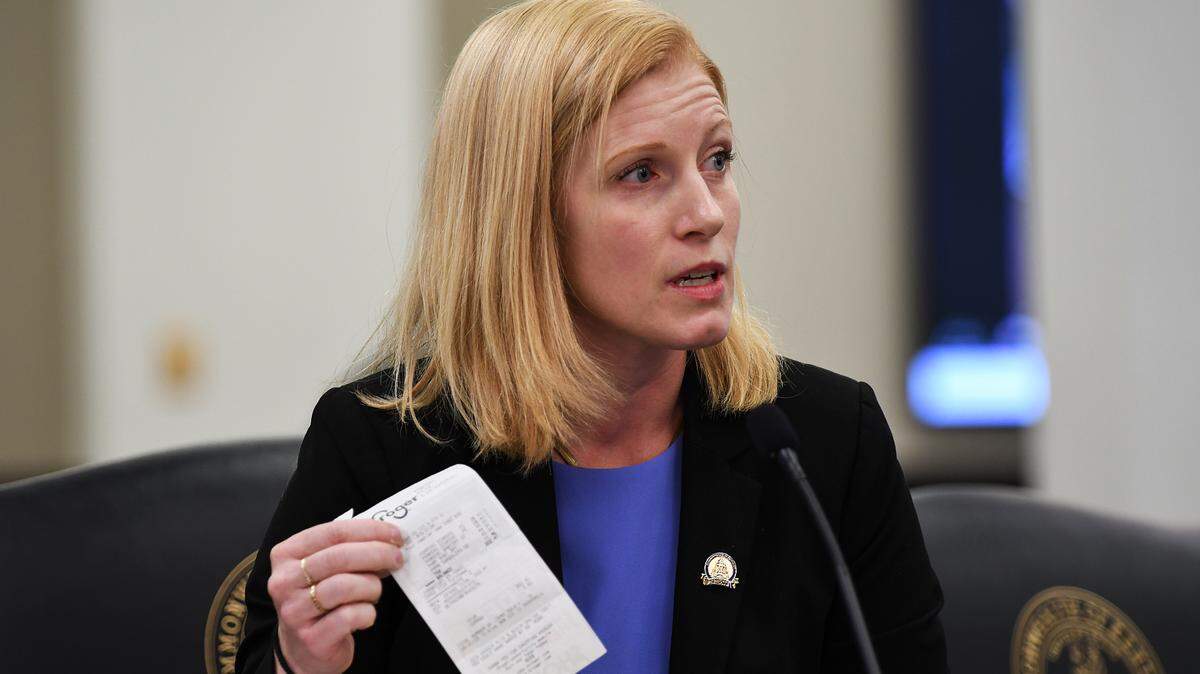
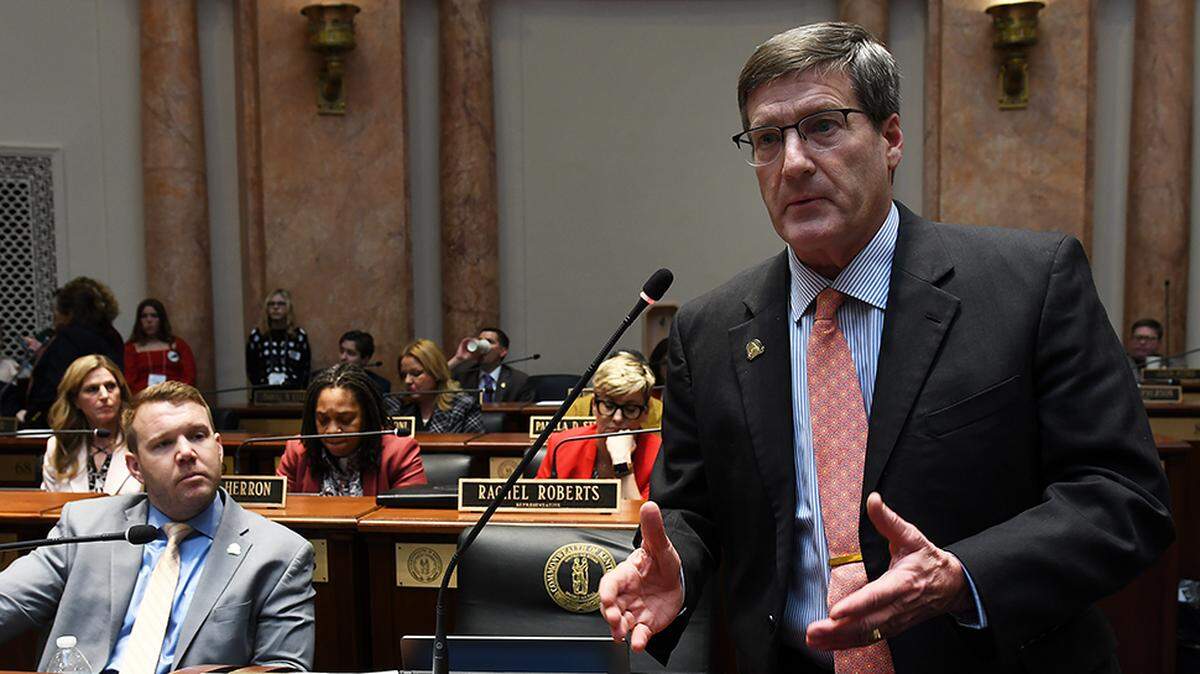
Rep. Al Gentry, D-Louisville, said he’s seen a trend of the Republican-led legislature easing workplace restrictions. Gentry, who lost one arm in a workplace accident, expressed alarm.
“We’ve been on this multi-year trek, so to speak, to relinquish rights as it relates to workplace safety. I mean, we’ve done this with workers compensation, with OSHA, now we’re going into child labor laws,” Gentry said.
“We’re trying to set a precedent of not having restrictions that go beyond federal standards, but a lot of federal acts are produced in somewhat of a general fashion that allow states to apply more restrictive standards in certain situations.”
While Gentry worried that Kentucky was heading towards the “floor” set by federal standards, Pratt framed the bill as a positive thing that “aligned” the state with those federal standards.
“All it does is bring us in line with federal (standards). We are more restrictive on this, but we’re not going past federal standards.”
The bill passed the committee vote overwhelmingly.
This story was originally published February 15, 2024 at 11:01 AM.








.JPG)






%20-1%20.jpg)
.JPG)








.JPG)