Kentucky’s kids and teachers left out in House Republican budget proposal, groups say
READ MORE
2024 General Assembly
Keep up with the latest out of Kentucky’s 2024 legislative session.
Expand All
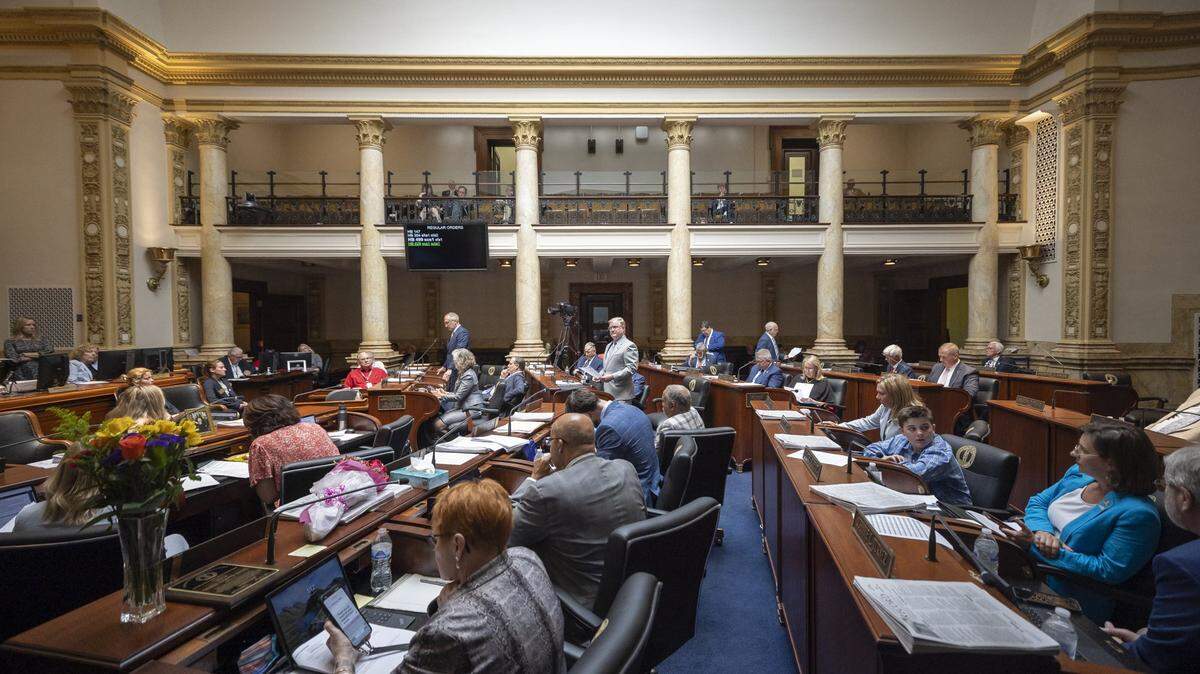
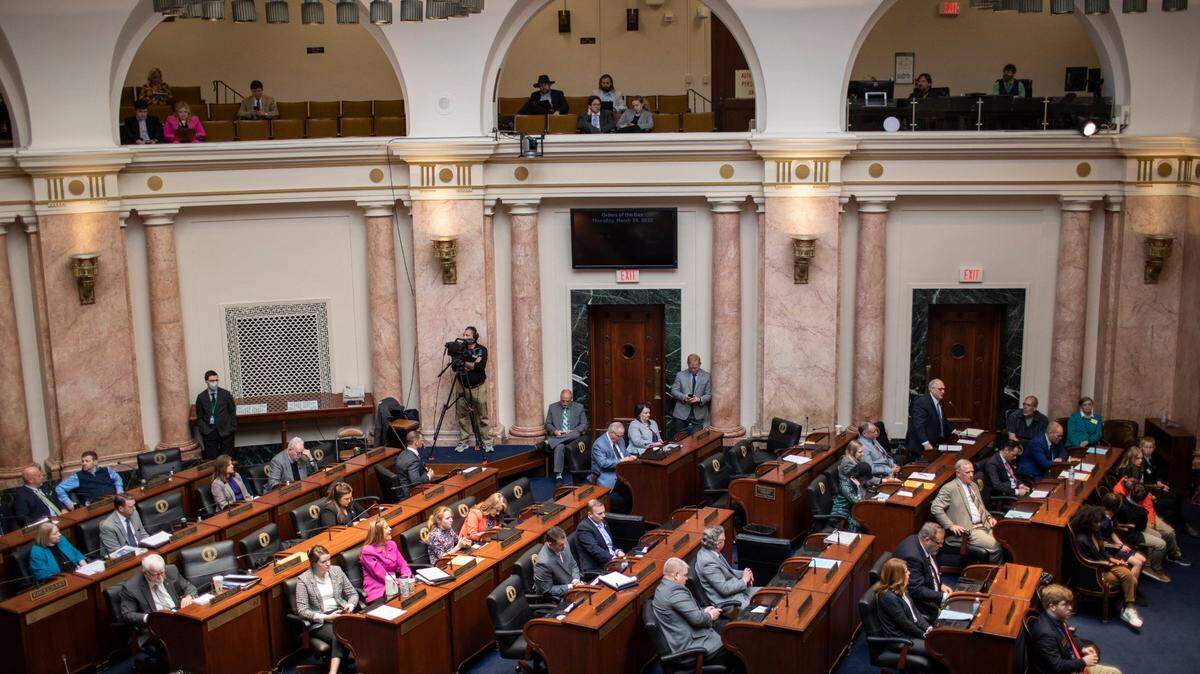
Several Kentucky education and advocacy group officials say they have concerns about the $124.8 billion two-year budget proposal released this week by House Republicans.
The proposal provides too few resources to education and child care, said Kentucky Center for Economic Policy Executive Director, Jason Bailey.
House Bill 6 does not include any funding for universal Pre-K or any requirements for school staff raises, which Kentucky Gov. Andy Beshear has proposed.
“Despite the fact that the legislature has acknowledged the seriousness of the continuing teacher and classified school employee shortage in our state, the glaring omission in the House budget proposal is a dedicated raise for public school educators,” Kentucky Education Association President Eddie Campbell said.
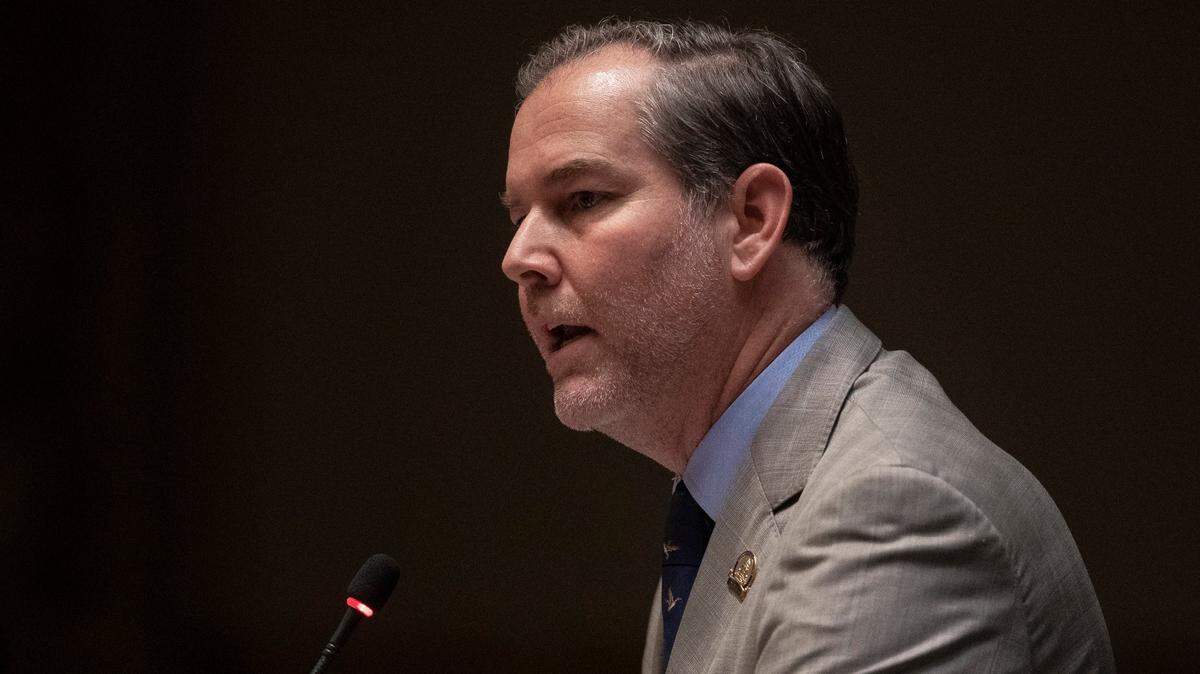
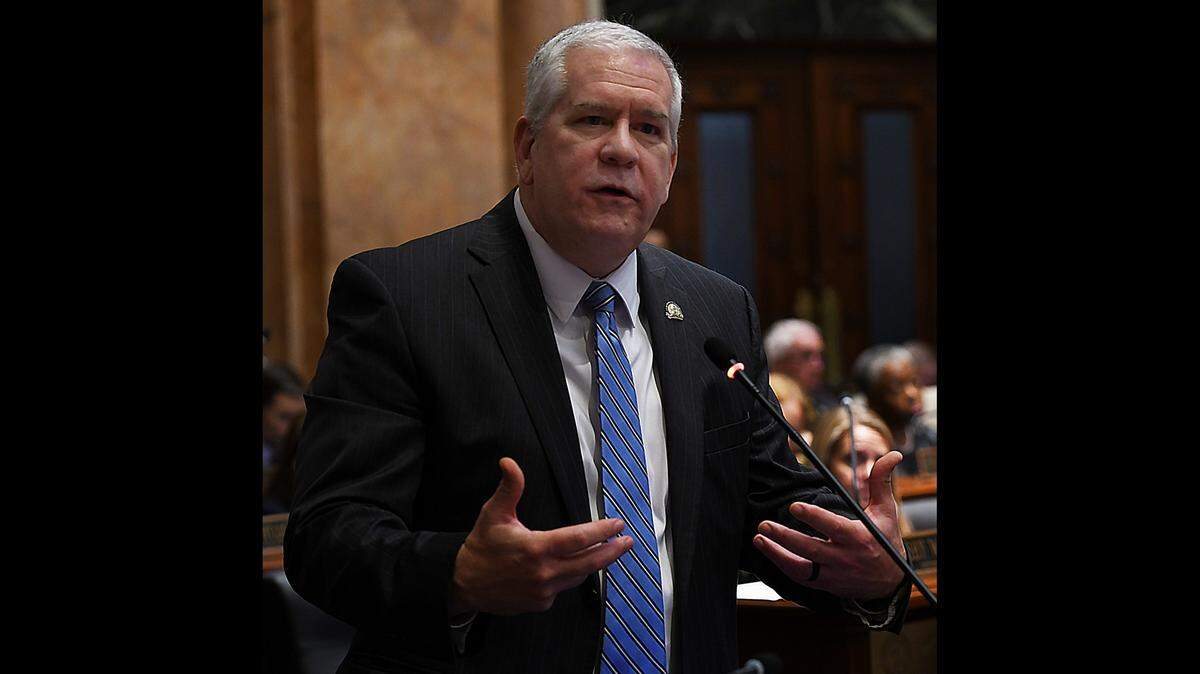
House Bill 6, the Executive Branch budget, was filed Tuesday by Rep. Jason Petrie, R-Elkton, chair of the House Appropriations and Revenue Committee. It allocates $13.7 billion and close to $14.9 billion in General Fund dollars over the next two fiscal years.
“The Prichard Committee commends the steps taken in the House budget to fund full-day kindergarten and higher education; however, we are deeply concerned that Kentucky’s young learners and their families are not receiving the foundational investment they deserve. Early childhood education is the bedrock of lifelong learning and success, and it’s imperative that we act now to bolster early learning programs — the future success of Kentucky depends on it,“ said Brigitte Blom, President/CEO of the Kentucky-based Prichard Committee for Academic Excellence.
Terry Brooks, executive director of Kentucky Youth Advocates, also sounded alarms on that point.
“Without quality, affordable and accessible child care programs, parents cannot maintain stable employment and children can end up in the care of unsafe adults — a reality our lawmakers cannot realistically want for their constituents,” he said.
Instead of a mandated raise, House Bill 6 includes a section directing school boards to consider the actions of other states and the local economy when setting school employee salaries.
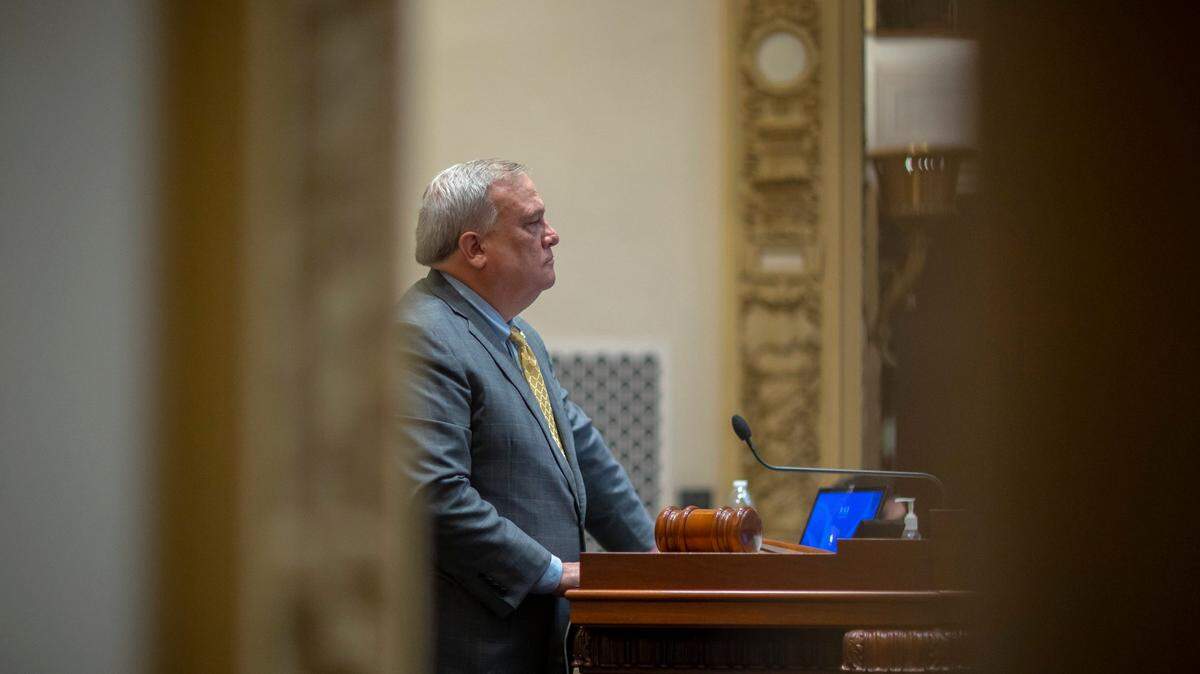
House Speaker David Osborne said at a news conference Wednesday that Kentucky school superintendents want the flexibility to spend dollars where they were most needed.
On another front, Kentucky’s per-pupil funding formula — the Support Education Excellence in Kentucky formula, commonly called SEEK — would be increased to $4,455 by fiscal year 2026. It now stands at $4,200 per student.
Though the per-pupil number is up, the overall investment in SEEK dollars would remain static at an average of $3.2 billion per year. The formula is affected by attendance and local property values.
The bill includes language to encourage school districts to utilize additional SEEK resources to provide raises for certified and classified staff and report salary schedules and compensation increases, a news release from the House Majority caucus said.
Jim Waters, president of the conservative Bluegrass Institute for Public Policy Solutions, praised the proposal. He said increasing SEEK funding but leaving the decisions about how those dollars are allocated to the local districts ensures the needs of teachers and other employees are more directly and effectively met.
“It allows for the impact of inflation on our teachers’ salaries to be addressed locally, which — unlike Gov. Beshear’s top-down approach — is the appropriate policy,” Waters said.
The news release from the House Majority caucus said the bill provides an additional $44.5 million in FY 25 and $84.3 million in FY 26 for pupil transportation.
“Increased transportation funding for schools may not be headline-grabbing but it can have a significant impact for families across the Commonwealth — so, while it is still underfunded, we are glad to see the slight increased commitment in the House budget proposal,” said Brooks of Kentucky Youth Advocates.
Josh Shoulta, director of Communications for the Kentucky School Boards Association, said KSBA has concerns with language in the House budget that challenges school boards to use very limited resources “to make adequate progress in the recruitment and retention of classroom teachers and classified employees” or face disproportionate consequences.
Bill language requiring “local school districts that receive state funding” to prominently publish on their websites student assessment information is troubling, Shoulta said.
“ We also have concerns about proposed requirements for KDE to rank schools and districts by performance on state assessments,” said Shoulta. “While these metrics are an important factor, the results don’t tell the entire story of how effective a school district is in providing education to its students. We believe that, absent broader context, the singling out of a school’s proficiency rates in this manner may sow misinformation and devalue other important factors.”
The Kentucky Department of Education was still reviewing House Bill 6, said spokesperson Joe Ragusa.
This story was originally published January 18, 2024 at 1:00 PM.









.JPG)







%20-1%20.jpg)


.JPG)










.JPG)