‘Assault on transparency.’ Harsh reaction to KY Open Records Act revisions

READ MORE
2024 General Assembly
Keep up with the latest out of Kentucky’s 2024 legislative session.
Expand All
First Amendment advocates say the General Assembly is waging an “assault on transparency” with its continued attempts to rewrite the Kentucky Open Records Act.
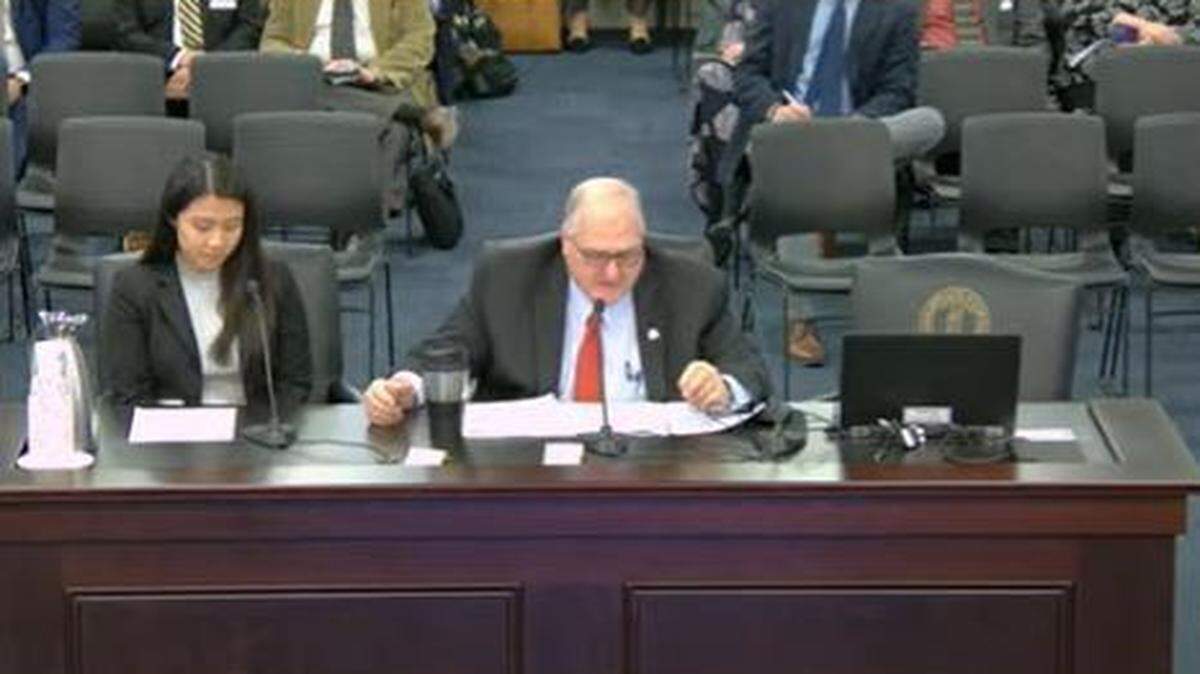
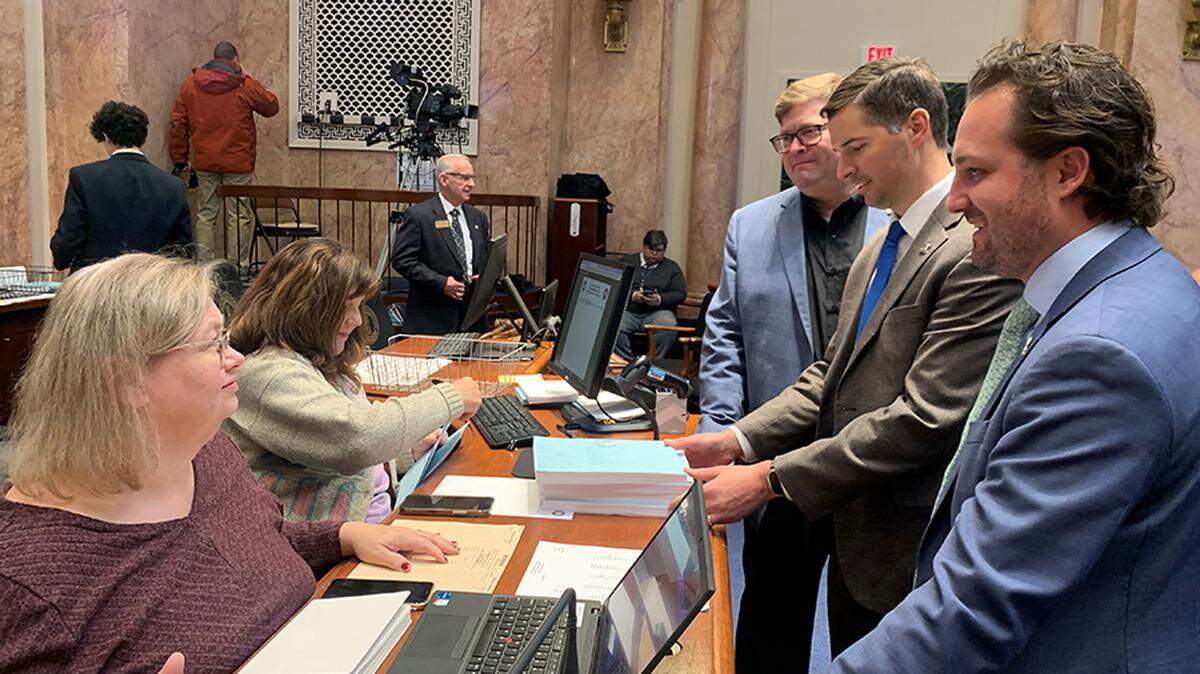
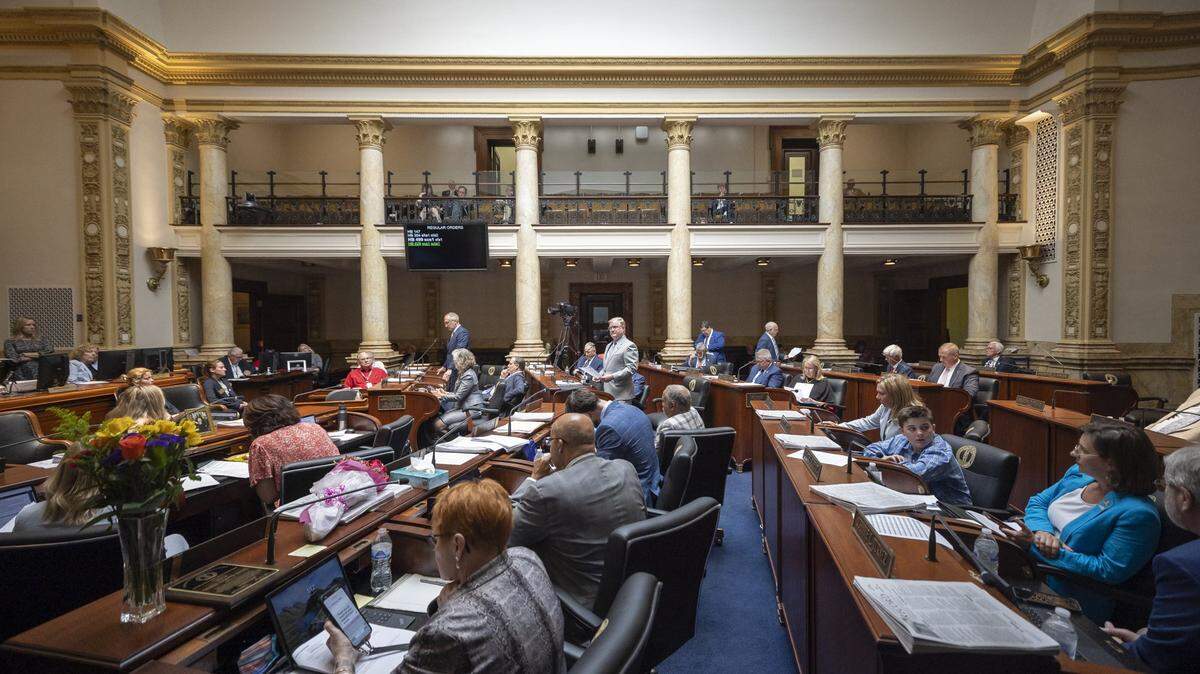
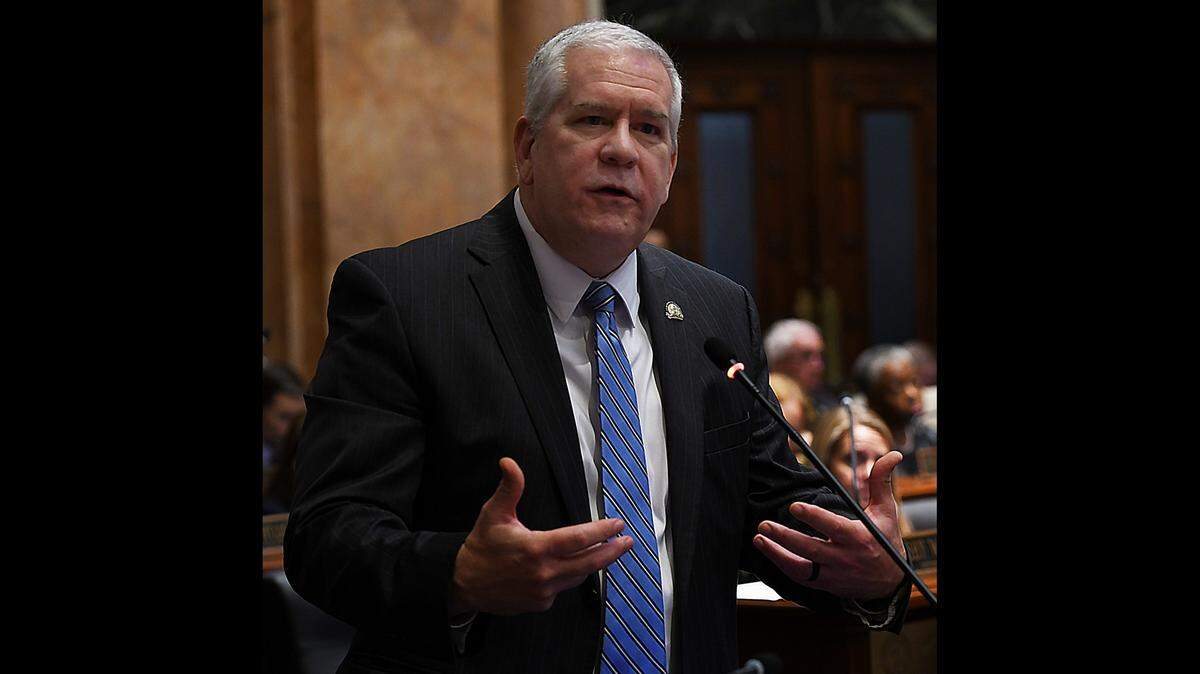
House Bill 509, sponsored by Rep. John Hodgson, R-Fisherville, was heard by the Senate State and Local Government committee Wednesday morning where it gained passage on a 6-3 vote but not without some interesting twists and turns.
After presentation of a more expansive substitute version of the bill — one that redefined what a “public agency” could be considered — lawmakers backtracked to the version of the measure passed by the House on a 61-31 vote earlier this month.
However, transparency advocates say it still leaves a massive loophole open.
The bill would require government entities to provide its employees, board members or other officials with government-issued or agency-furnished email accounts to do government work. These officials “shall not” use any other email account for government work.
If those conditions are met, the agency “shall only be required to search for or produce to a requesting party electronic information or documents” that are in the official email address or government-owned device.
This would allow officials to circumvent the Open Records Act entirely by communicating through other electronic means, like text messages or other apps, opponents of the bill say.
“If this bill passes, that will become the law,” Michael Abate, a First Amendment attorney from Louisville who represents the Kentucky Press Association, said after the committee meeting.
“It creates a giant loophole, and it encourages people to walk right through it. There’s nothing in the bill that just passed the committee that prohibits the use of text messages on personal devices to avoid transparency.
“It says you should use a government email account if you’re given one, but it doesn’t have any prohibition” against using a private device or text messages, he said.
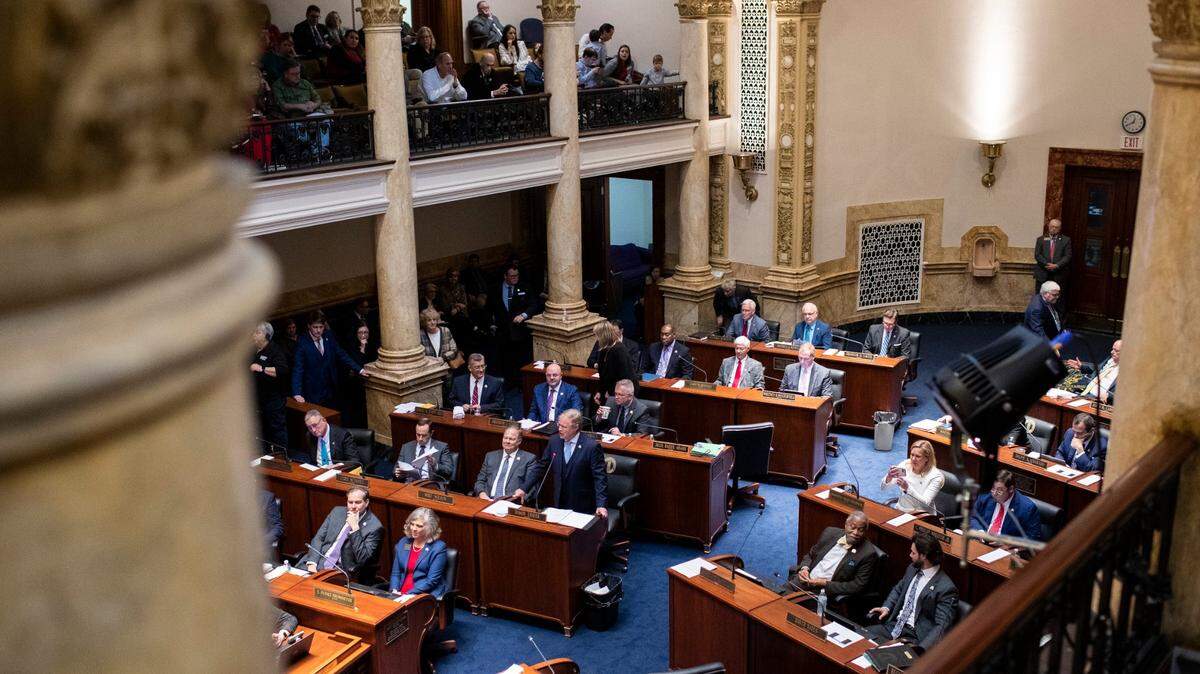
The bill has received two readings in the Senate, so it could get a floor vote as soon as Wednesday evening.
Text messaging ‘loophole’
Gov. Andy Beshear, a Democrat, said at a recent press conference that his office “worked on parts of” the bill and expressed support for at least some provisions of HB 509.
“This isn’t some big loophole where people can hide things,” he said. “It will provide more records, not less.”
Beshear served as Kentucky attorney general for four years. Part of that office’s responsibility is issuing opinions on open records and open meetings appeals.
Beshear’s claim that the bill won’t create a “loophole” is directly contradicted by attorneys who specialize in open records.
Amye Bensenhaver, co-founder of the Kentucky Open Government Coalition and former assistant state attorney general, has been a vocal opponent of the bill.
In a letter to the committee chair, Sen. Robby Mills, R-Henderson, Bensenhaver and coalition co-director Jennifer Brown wrote the governor’s assertion was “born of self-delusion or cynicism.”
“Supporters of House Bill 509 — both legislative and executive — have broken faith with the voters who elected them,” they wrote. “At last they are stripped of all pretense in their joint assault on transparency.”
Gex Williams of Verona was the only Republican to vote against the bill, citing concerns over the text messaging loophole. Sen. Amanda Mays Bledsoe, R-Lexington, cast a pass vote for similar reasons.
Williams said there is a need to strike a balance between privacy and governmental transparency.
“But we haven’t addressed it in a way that really accommodates the necessity for open records, government records, to be available to citizens that are concerned,” he said. “I think there is a way to do this.”
Williams suggested a working group in the interim to look at solutions.
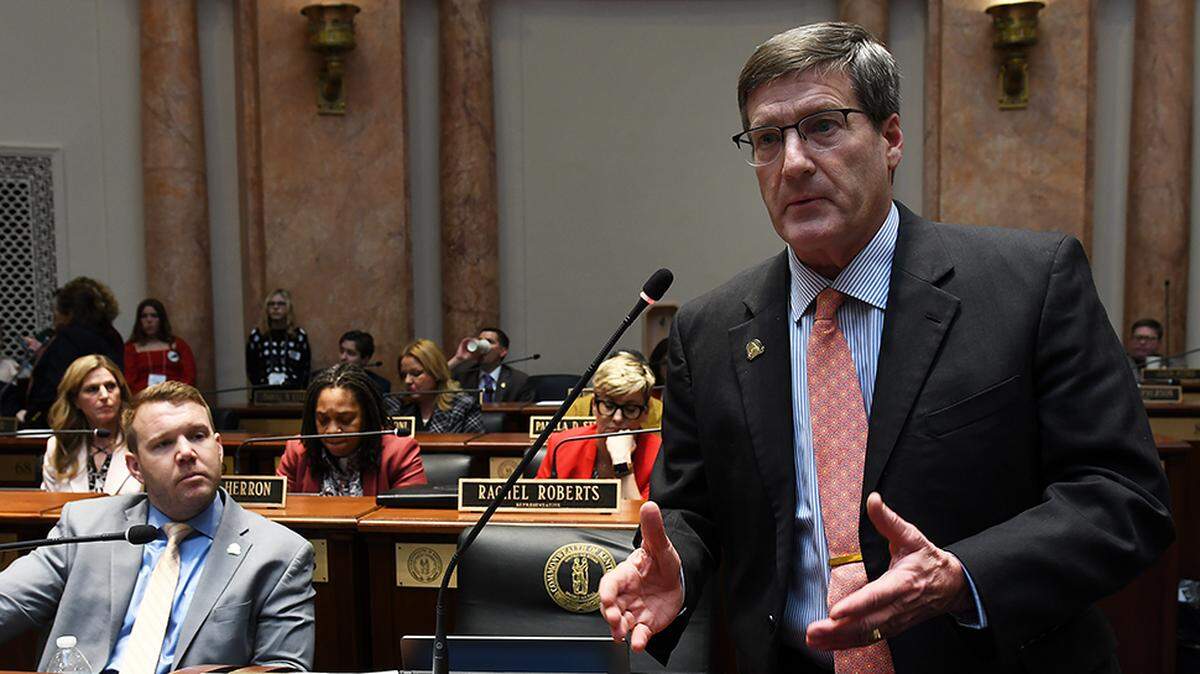
Hodgson said he’d be open to a working group. His bill, he said, sets a floor, not a ceiling, of requiring email address, and there’s nothing in his bill that stops agencies from requiring officials message through a particular app.
‘Made up concern’ of phone searches
Some lawmaker comments about the bill indicated they don’t know how the Open Records Act works.
At the Wednesday committee, Sen. Greg Elkins, said as a public official, he should have “some reasonable expectation of privacy, particularly on my private devices.”
“Is it your stance that that device should be open to scrutiny or open records request?” the Winchester Republican asked.
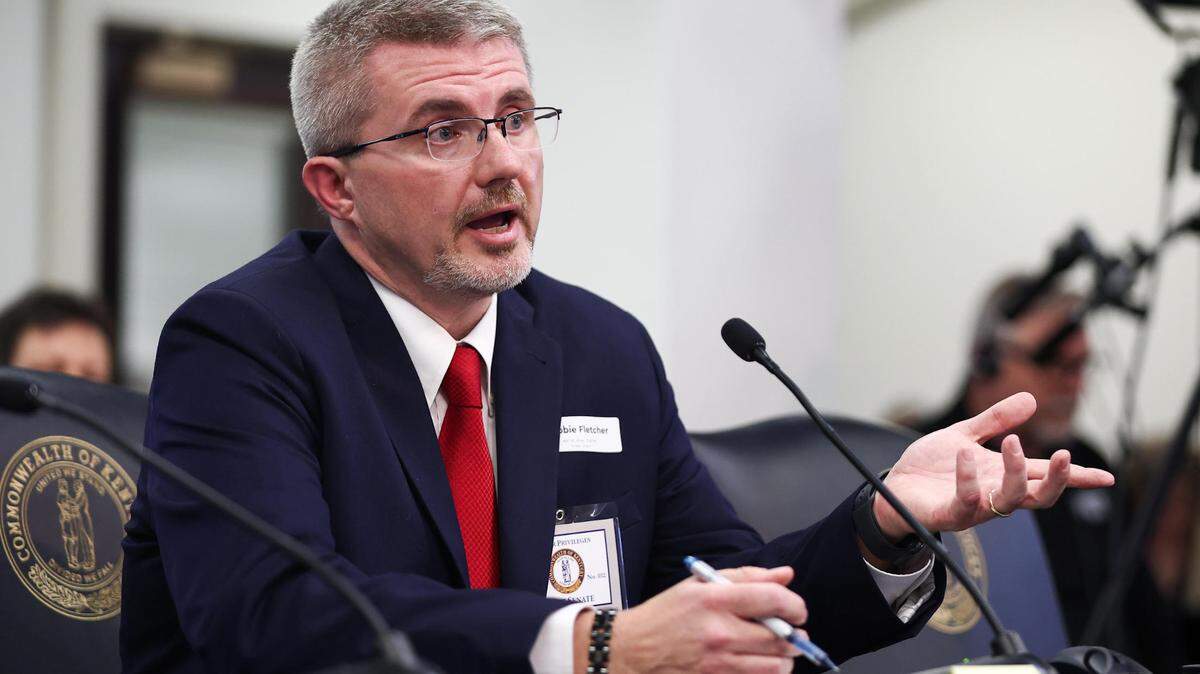
Liam Gallagher, legislative director for the conservative group Americans for Prosperity, said no one is advocating for seizing public officials’ phones. Doing such would raise serious Fourth Amendment concerns, he said.
“It’s our position that we uphold the federal standard, which would be if somebody can prove that you have an open record on that device, they can go to a court and request that record, not your device,” said Gallagher, who testified against the bill.
Furthermore, the legislature has already excluded itself from the Open Records Act. Communications to and between lawmakers cannot be obtained through records requests.
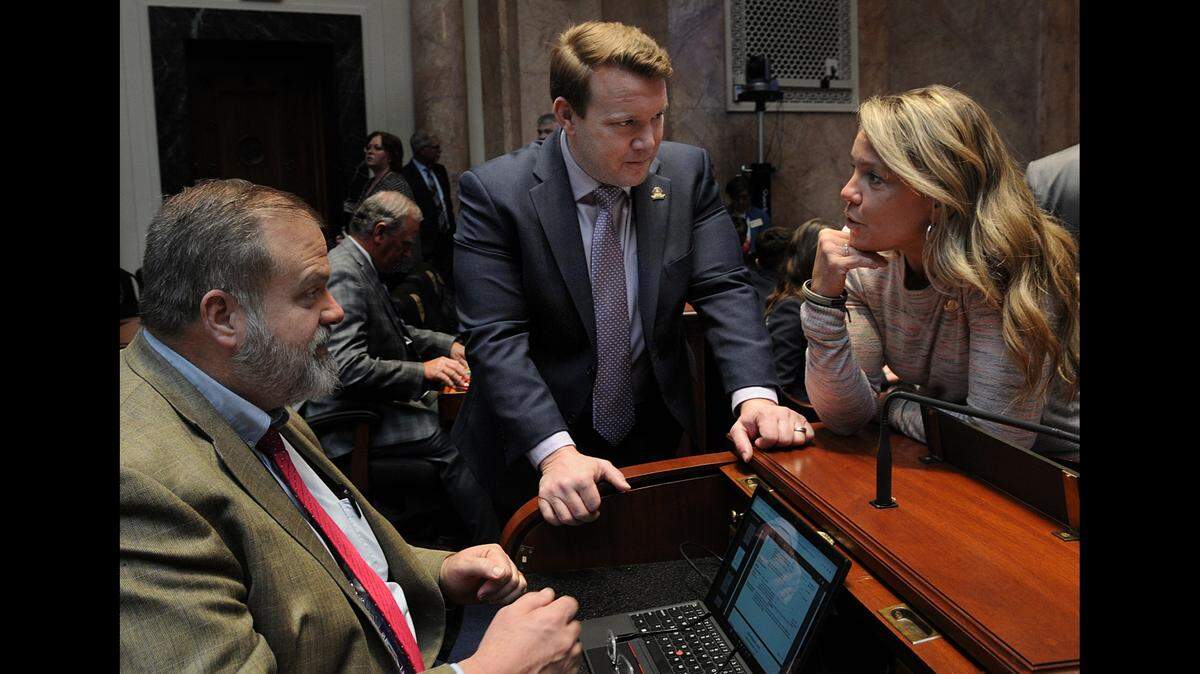
Speaking to reporters Tuesday, Majority Floor Leader Damon Thayer said HB 509 is necessary “to protect personal communications on personal devices,” and he has no concerns about officials conducting public business on private devices.
“I’ve got my private phone,” he said. “I run my businesses, and when I was running my campaign, and all my friends, and I don’t think the public needs to know about those communications.
“Why are you guys so interested in what’s on our personal cell phones?”
Thayer disagreed that it’s valid to be interested in public business being conducted on private devices and accounts.
“I don’t want anyone to have access to my personal cell phone,” he said. “It’s just amazing to me that this becomes a big issue with you guys every session there’s, like, 38 big things still left to do. And you’re asking me about this bill?”
Abate called these types of concerns “completely false.”
No officials’ personal phones would be confiscated for a forensic audit, he said. In cases he has litigated, “all that was required was the judge said, please go ask these individuals if they sent emails on their personal accounts, or if they texted on their personal phones, and asked them to produce copies of what they said.”
“This is a made-up concern being used to hollow out transparency,” Abate said. “The law as it exists protects privacy well enough.”
Hodgson told reporters he was not aware of any public official in Kentucky who has had their personal emails or texts released under the existing records law. He said his bill was being proactive to prevent such a thing from occurring.
What would the committee sub have done?
The committee substitute briefly adopted Wednesday drew the loudest alarm among transparency advocates.
On top of the changes surrounding the ability to search private devices and accounts for public business, the bill redefined what’s considered a “public agency” under the current version of the Kentucky Open Records Act.
That version deleted “every state or local government officer” from the definition of public agency.
Abate argued that the bill exempted individual officers, such as the governor himself, from the Open Records Act.
That revision in particular seemed to have alarmed Republicans on the committee, leading to committee to take the rare position of withdrawing its adoption the Senate committee substitute and going back to the version passed by the House.
The Kentucky Press Association, which counts the Herald-Leader among its dozens of newspaper members across the commonwealth, “strongly opposed” the committee substitute of the bill, calling it an “assault on transparency and the committee substitute makes it even worse.”
David T. Thompson, executive director of the KPA, also said Beshear’s claims about the bill boosting transparency were false.
“Indeed, this change would undo his own rulings as Attorney General, which required agencies to turn over records sent by text and private email,” Thompson wrote on the KPA website.
Thompson pointed to the recent findings of an audit into the Jefferson County Public Schools transportation meltdown at the beginning for the 2023-24 school year, which said district officials “felt encouraged to use cell phone texting instead of district email because it was perceived that texting was less subject to open records requirements.”
“HB 509 would turn that perception into a reality and invite public officials and employees to evade transparency, at the public’s expense,” he wrote.
Louisville Public Media is suing JCPS to obtain those withheld communications. Abate is representing LPM in the suit.
Who’s interested in the bill?
Several groups reported that they were lobbying on House Bill 509 as of February, the last time period for which records are available from the Kentucky Legislative Ethics Commission.
Governmental organizations and their interest groups — many of which are subject to open records requests from the public and press alike — have listed themselves as lobbying on the bill, which is not technically an indication that they are for or against it.
They include:
- Jefferson County Public Schools.
- Louisville Metro Government.
- The Kentucky-Tennessee section of the American Water Works Association, which represents water and wastewater utilities/systems.
- The Kentucky Association of Counties, which represents county governments across Kentucky.
None of the above groups responded to inquiries about whether they were for, against or neutral on House Bill 509.
Groups who confirmed their opposition that have lobbied on the bill as of February include the Kentucky Press Association and the Kentucky Conservation Committee.
The Kentucky Education Association, H&R Agri-Power and the Kentucky Broadcasters association are lobbying on the bill, but did not respond to requests concerning their position on the bill.
LexisNexis, a company that collects data on individuals and produces reports for research purposes, has reported lobbying on House Bill 509. However, officials there told the Herald-Leader that they “currently have no position” on the bill.
U.S. Precedent, an arm of lobbying firm Babbage Cofounder, reported it was lobbying on the bill, but firm executive Bob Babbage told the Herald-Leader they were not involved with the bill.
This story was originally published March 27, 2024 at 6:05 PM.






.JPG)






%20-1%20.jpg)

.JPG)





.JPG)