New bill would undo Kentucky’s gender-affirming health care ban. It faces a big hurdle
READ MORE
2024 General Assembly
Keep up with the latest out of Kentucky’s 2024 legislative session.
Expand All
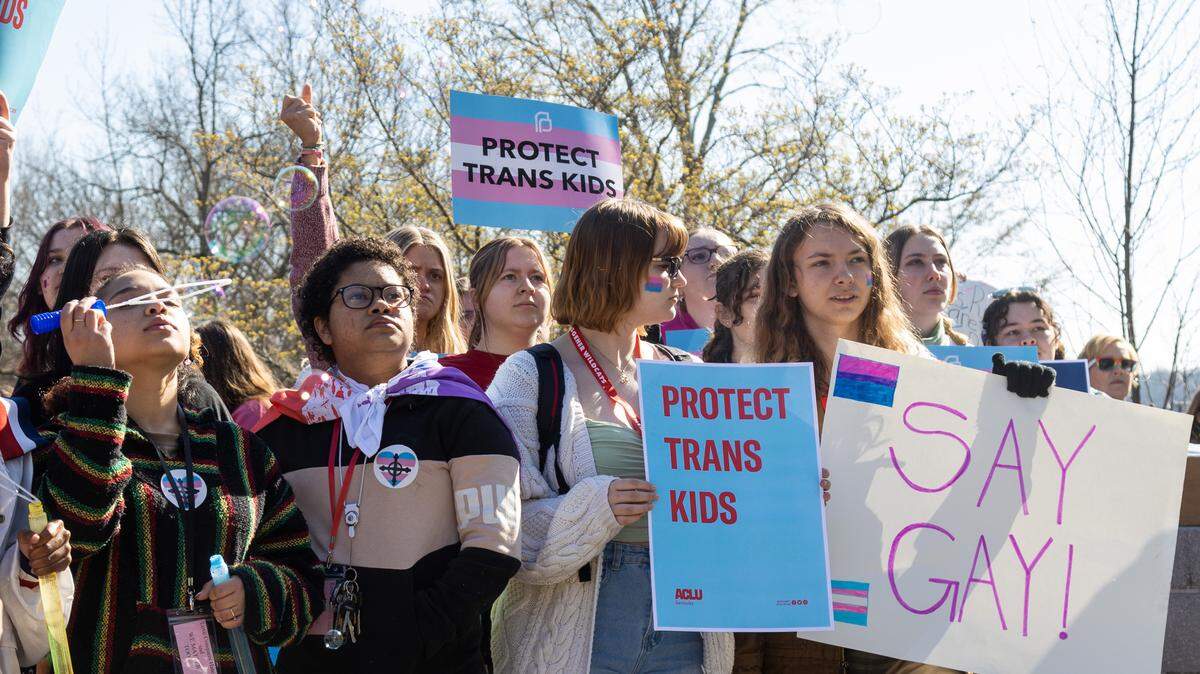
A bill to repeal a law passed last year that bans gender-affirming health care for transgender youth and sets a host of parameters around the treatment of trans kids in public schools was filed on Thursday by two Democrats.
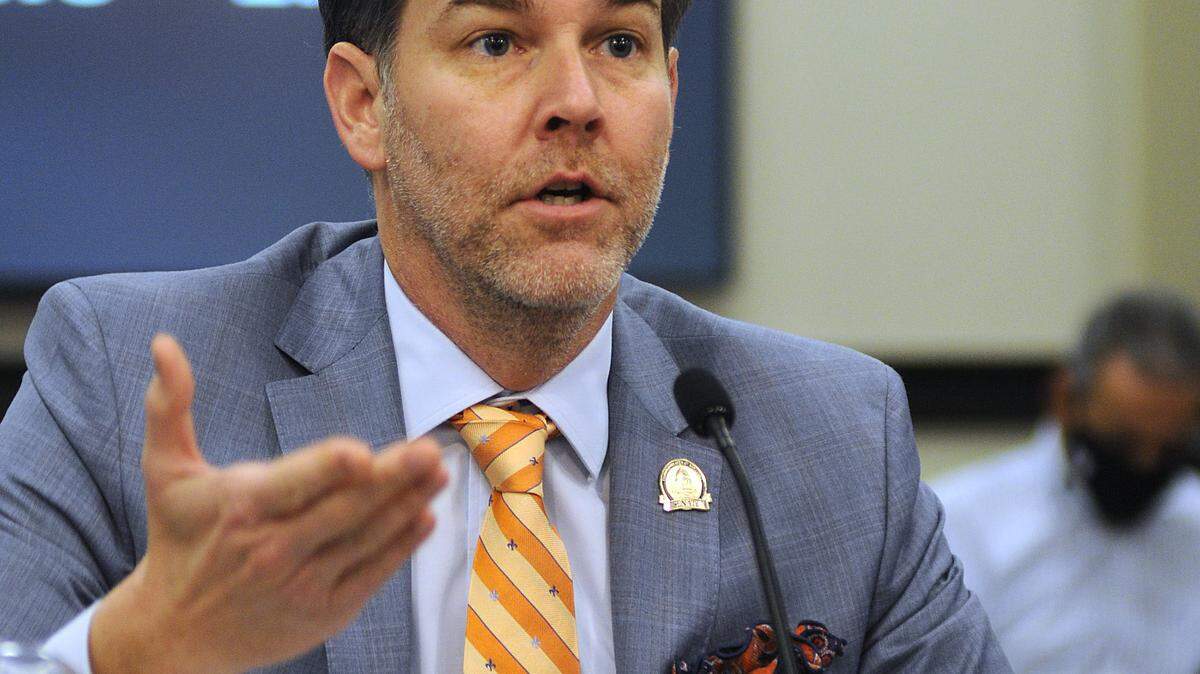
House Bill 376 from Reps. Sarah Stalker, D-Louisville, and Adrielle Camuel, D-Lexington, would repeal the whole of Senate Bill 150 — a largely Republican-backed law passed last legislative session over Gov. Andy Beshear’s veto that LGBTQ advocates called one of the most “anti-trans” policies in the country. Republicans lauded the measure for bolstering parents’ rights in school and medical settings.
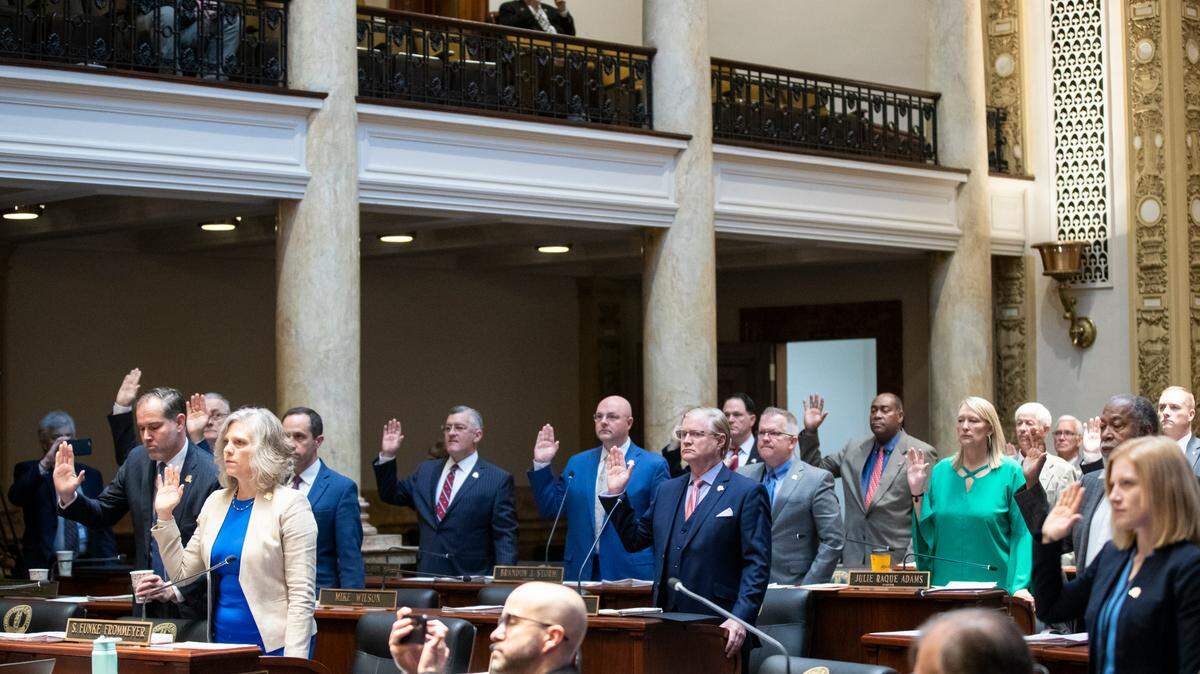
Since Republicans hold supermajorities in both the House and the Senate, and the majority of the GOP caucus supported passage of SB 150 last year, it is highly unlikely HB 376 will have any traction at all. If anything, its filing is more symbolic.
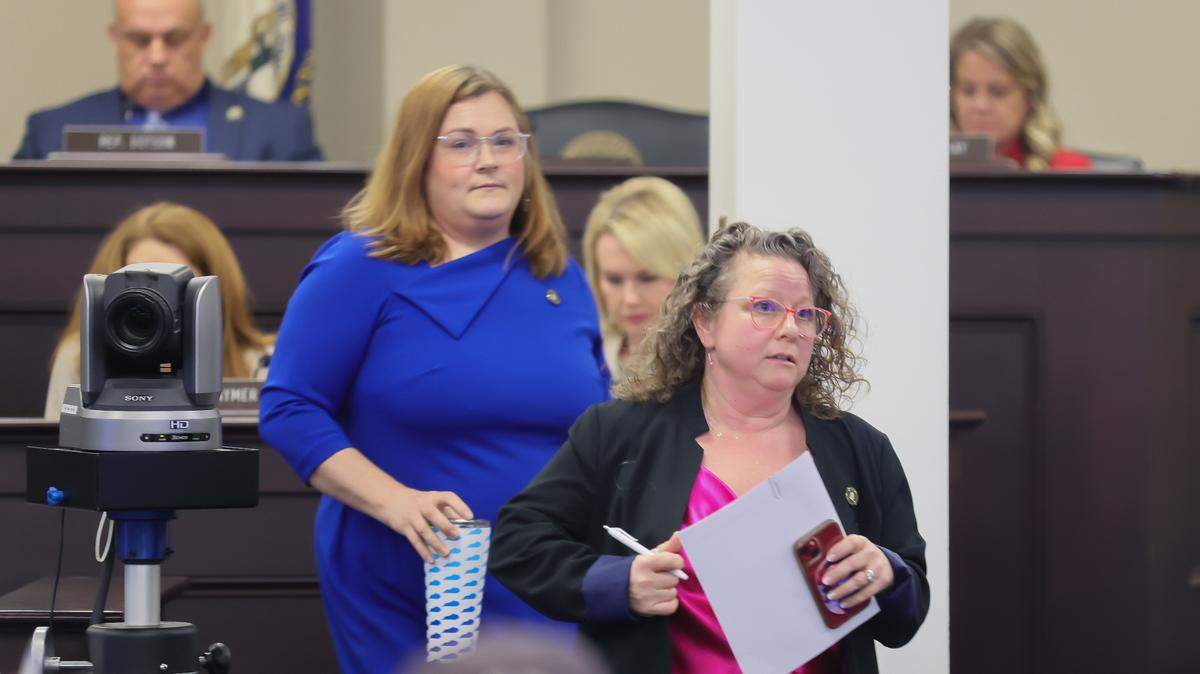
In a statement on Thursday, Rep. Adrielle Camuel, D-Lexington, said, “we are filing this bill to confirm our commitment to LGBTQ causes and to ensure equal rights for all Kentuckians.”
New to Frankfort, Camuel won a special election in November to fill the seat left vacant by Democrat Lamin Swann, who died unexpectedly last year. Vowing during her campaign to repeal SB 150 and restore rights to LGBTQ Kentuckians, Camuel came under fire by some LGBTQ-advocacy groups for a comment she made leading up to her election, in which she said there were “extremes on both sides” of SB 150. Though Camuel apologized, groups including the Fairness Campaign opted against endorsing her campaign. Planned Parenthood issued its endorsement only after Camuel’s apology.
SB 150, which became law last July, outlaws trans minors’ access to gender-affirming health care, which includes doctor-prescribed puberty blockers and hormone therapy. In public school settings, it restricts classroom teaching on gender and sexuality, prevents school districts from requiring faculty to use a trans student’s pronouns, and mandates districts create policies that bar trans students from using restrooms or locker rooms that align with their gender identity.
HB 376 would not just repeal these rules. In some cases, it would require local boards of education to enforce the opposite. For instance, under this bill, when a student submits a request to a principal requesting they be called by different pronouns, faculty and students would have to fulfill that request. Before SB 150, most school districts did not have rules that mandated faculty use trans students’ pronouns, but it was considered best practice.
A school district “shall require school personnel or students to use pronouns for students that do not conform to that particular student’s biological sex when a student submits a request to use such pronouns to the school principal,” the bill reads.
Likewise, when a student asserts a gender different from their biological sex, a school would have to accommodate that expression by allowing them to use the restrooms and locker rooms of their choice.
“No child should have to advocate for not only their basic rights but their very identity,” Stalker said in a statement.
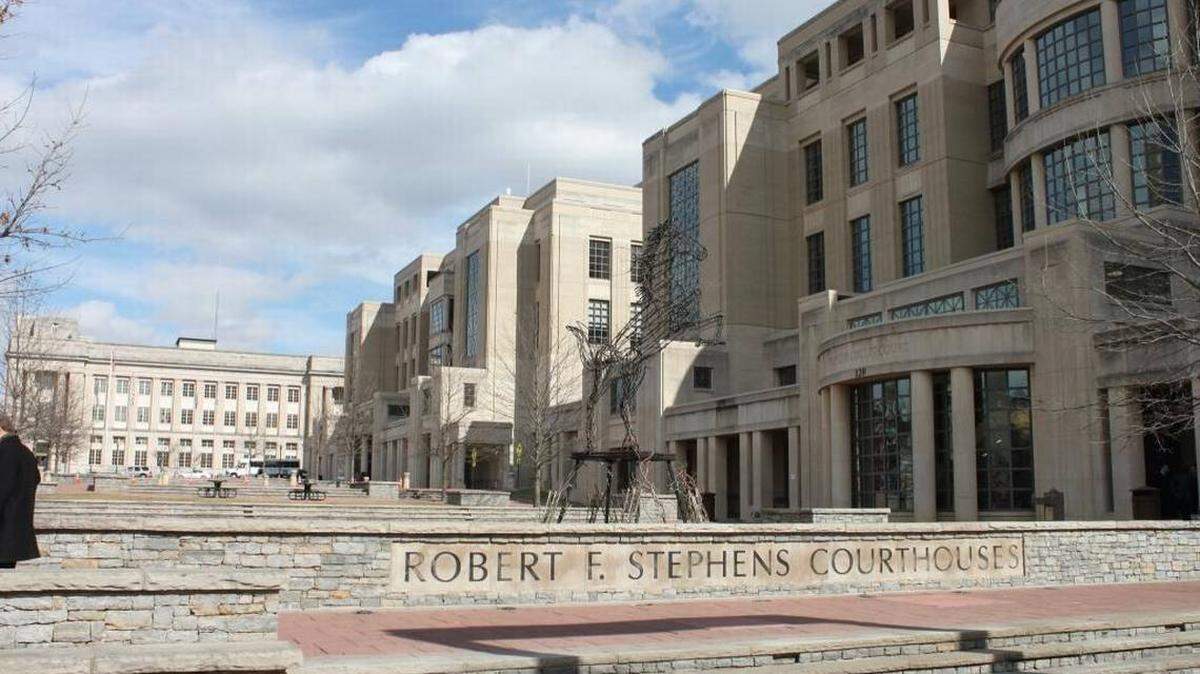
After SB 150 became law last year, a handful of trans youth and their parents filed two separate lawsuits contesting its constitutionality. Seven trans plaintiffs and their parents sued the state last summer over the law’s gender-affirming health care ban, arguing it infringes on their right to equal protection and Due Process. After a ruling from a three-judge panel on the Sixth Circuit Court of Appeals that reinstated the ban this fall, lawyers for the plaintiffs submitted the case to the U.S. Supreme Court. If the high court opts to hear the case, it would be the first time the U.S. Supreme Court has weighed in on such matters.
In September, five families filed a class-action lawsuit against Fayette County Public Schools arguing the educational components of the law violate their fundamental right to public education, privacy, freedom of thought and rights of conscience.
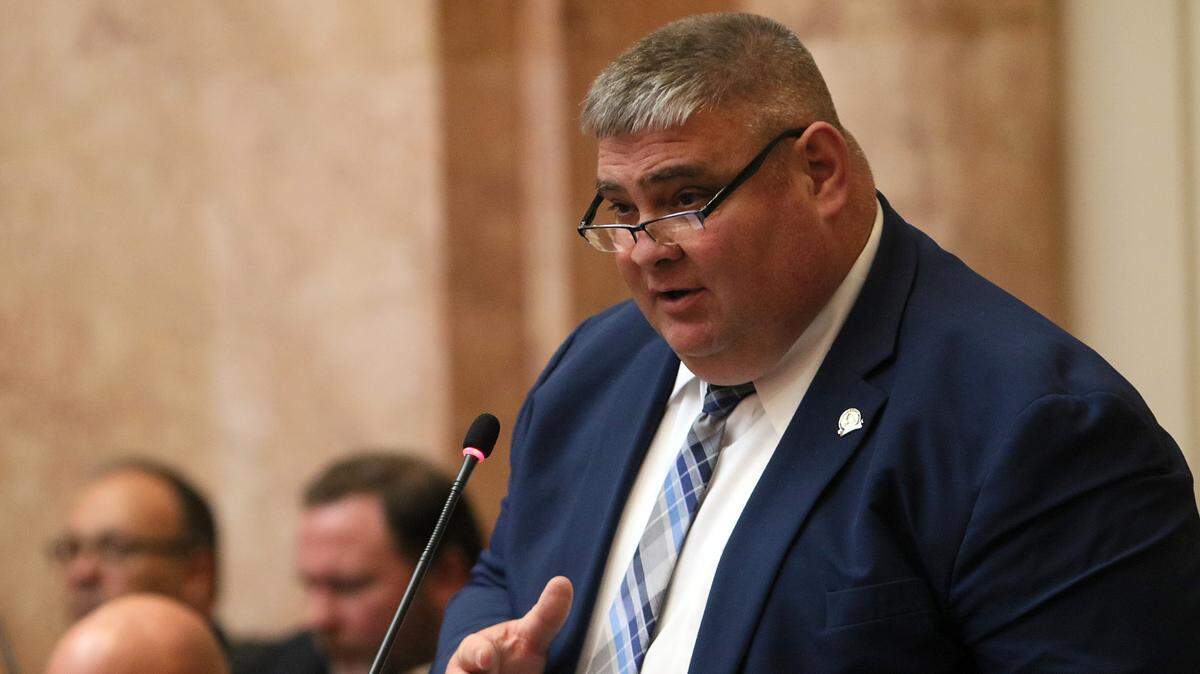
The only other bill related to SB 150 filed so far this legislative session is House Bill 304 from Rep. Shane Baker, R-Somerset. Baker’s bill would take provisions in SB 150 a step further, requiring that schools, for instance, inform parents within two business days if their child comes out as trans to a staff member. And it would protect school employees from being disciplined for not using a trans student’s or fellow staff member’s correct pronouns.
This story was originally published January 25, 2024 at 3:28 PM.










.JPG)






%20-1%20.jpg)


.JPG)






.JPG)