KY university DEI policies are unconstitutional, GOP attorney general says
READ MORE
2024 General Assembly
Keep up with the latest out of Kentucky’s 2024 legislative session.
Expand All
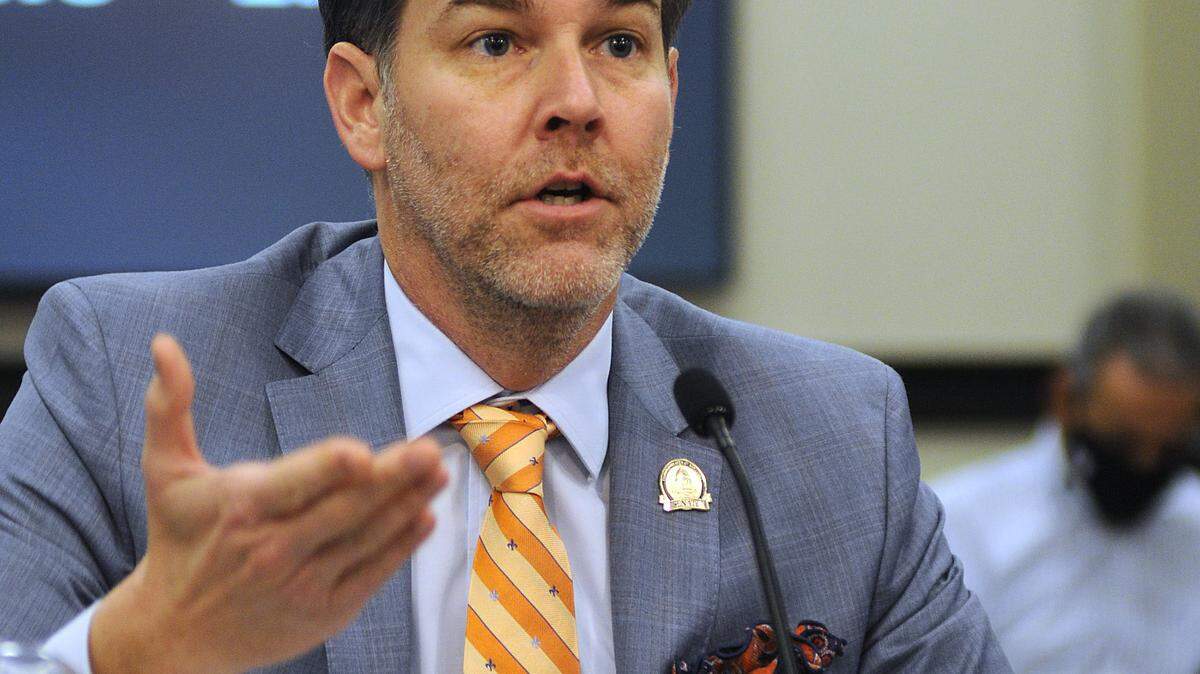
The Kentucky Attorney General said public universities’ use of certain diversity, equity and inclusion policies violates the U.S. Constitution and the Civil Rights Act in an opinion issued Thursday.
Drawing on the U.S. Supreme Court’s decision in Students for Fair Admissions, Inc. v. President & Fellows of Harvard College, the case, which struck down affirmative action last year, Attorney General Russell Coleman said using “underrepresented minorities” as a metric for funding state colleges is unconstitutional.
“The U.S. Supreme Court’s 2023 decision in Students for Fair Admissions makes clear that the (CPE, Council on Postsecondary Education) defining ‘underrepresented minority’ exclusively in terms of race, and accordingly, requiring that Kentucky’s state-funded postsecondary institutions set targets for how many students of a particular race they will enroll, retain, and graduate, violates the U.S. Constitution and the Civil Rights Act,” Coleman, a first-term Republican, wrote.
There is no active court case in Kentucky on this topic. As such, the opinion has no material bearing on university operations other than to signal Coleman’s legal opinion on the matter.
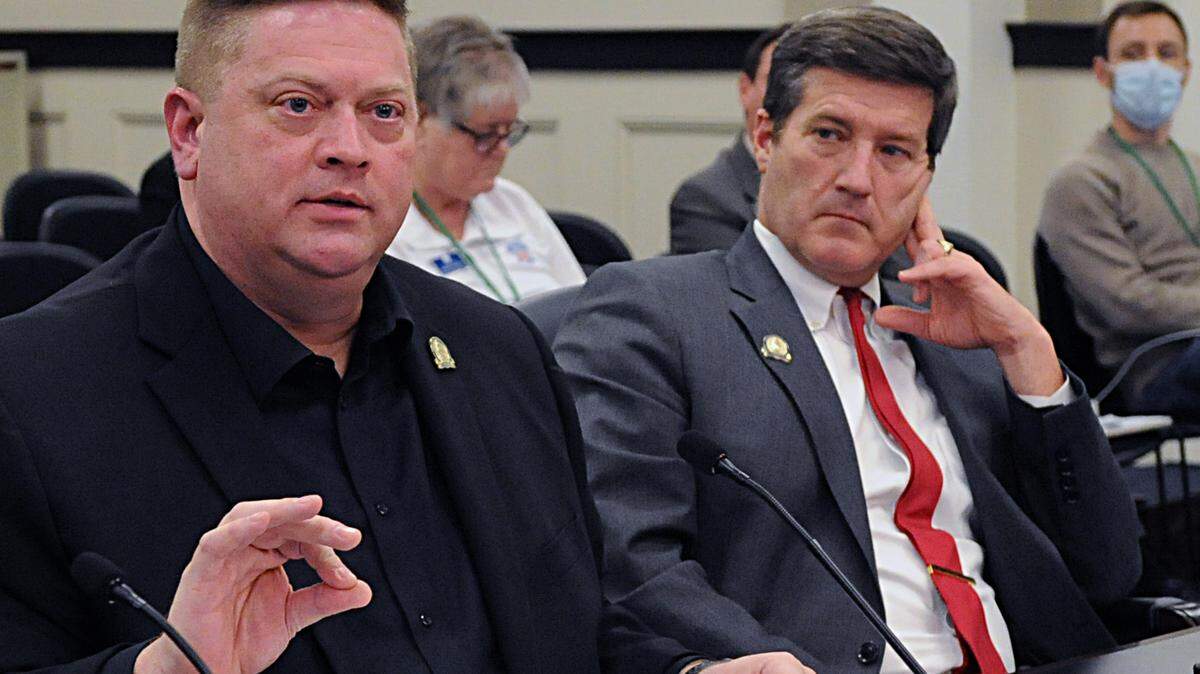
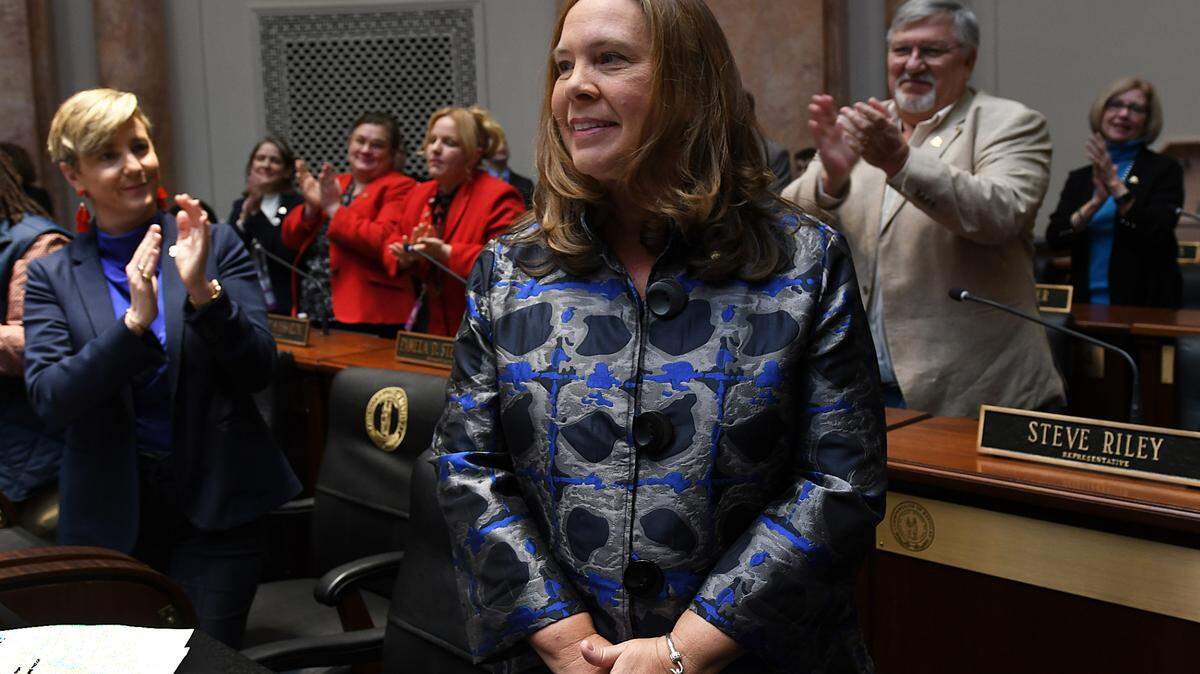
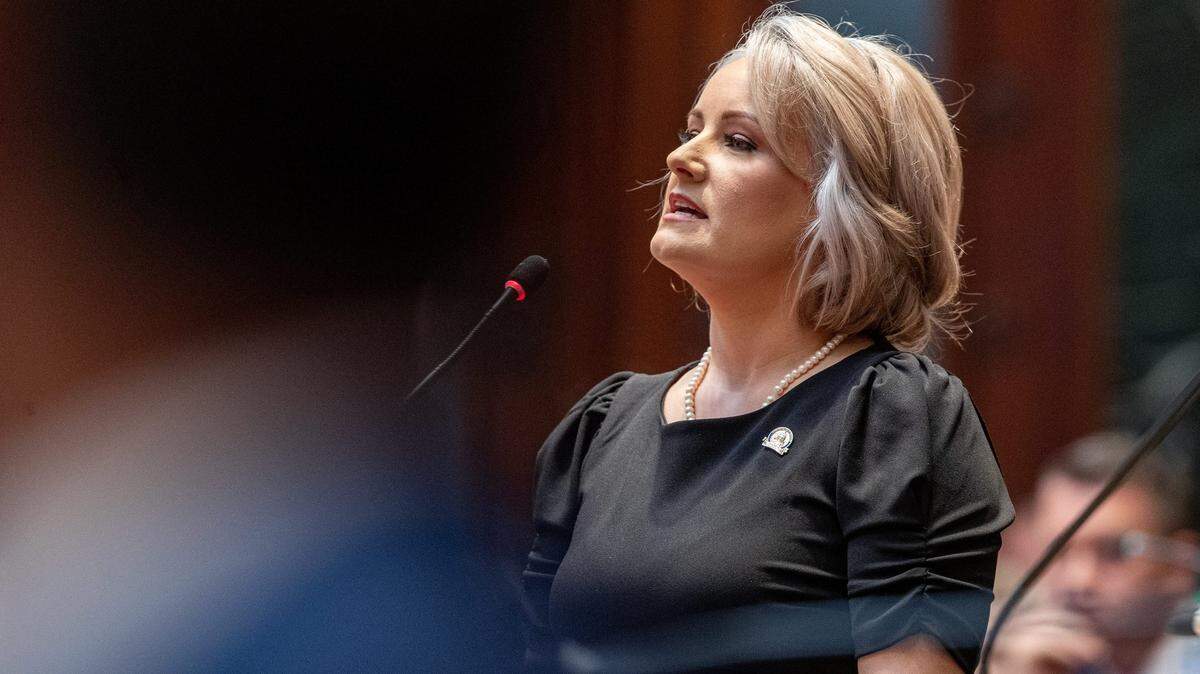
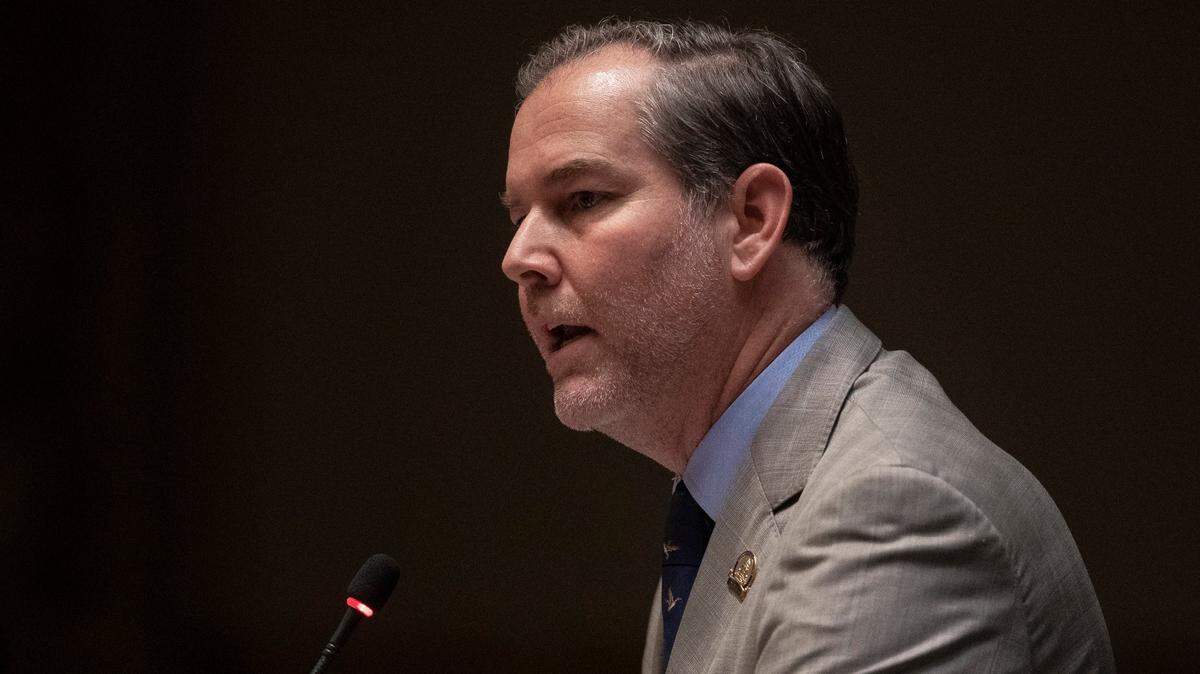
Coleman’s opinion was requested by Rep. Jennifer Decker, R-Waddy, who is the sponsor of one of two bills filed this session that targets DEI on Kentucky college campuses.
Kentucky uses a performance funding model to allocate state funds to public universities and colleges. Certain metrics are used to determine a university’s success and subsequent funding, including the number of degrees earned by minority and low-income students.
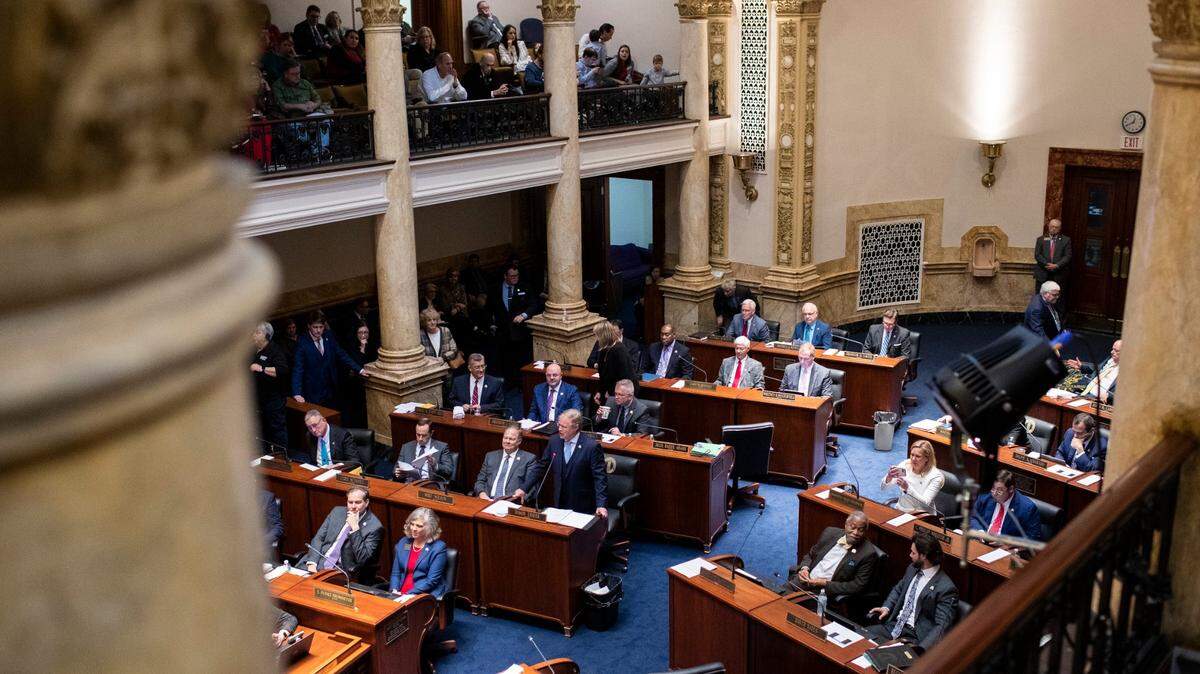
In the latest version of the budget making its way through the legislature this session, the Senate proposed increasing funding through that performance-based model from just under $100 million per fiscal year to $200 million.
Underrepresented minorities are defined as students who identify themselves as Hispanic or Latino, American Indian or Alaska Native, Black or African American, Native Hawaiian or Pacific Islander, or two or more races.
“Equality will not arise out of inequality. Kentucky public postsecondary institutions will not achieve equality by being forced to treat students of different races differently. The CPE must no longer define ‘underrepresented minority’ in race-exclusive terms,” Coleman wrote.
Coleman said that some factors can still be considered in college admissions.
For example, postsecondary institutions may consider factors, such as an applicant’s socioeconomic background, whether an applicant is a first-generation college student, and whether an applicant is from underrepresented geographic areas,” Coleman said.
“So long as ‘the student [is] treated based on his or her experiences as an individual,’ ... these are all tools legally available to promote meaningful diversity while broadening access to educational advancement.”
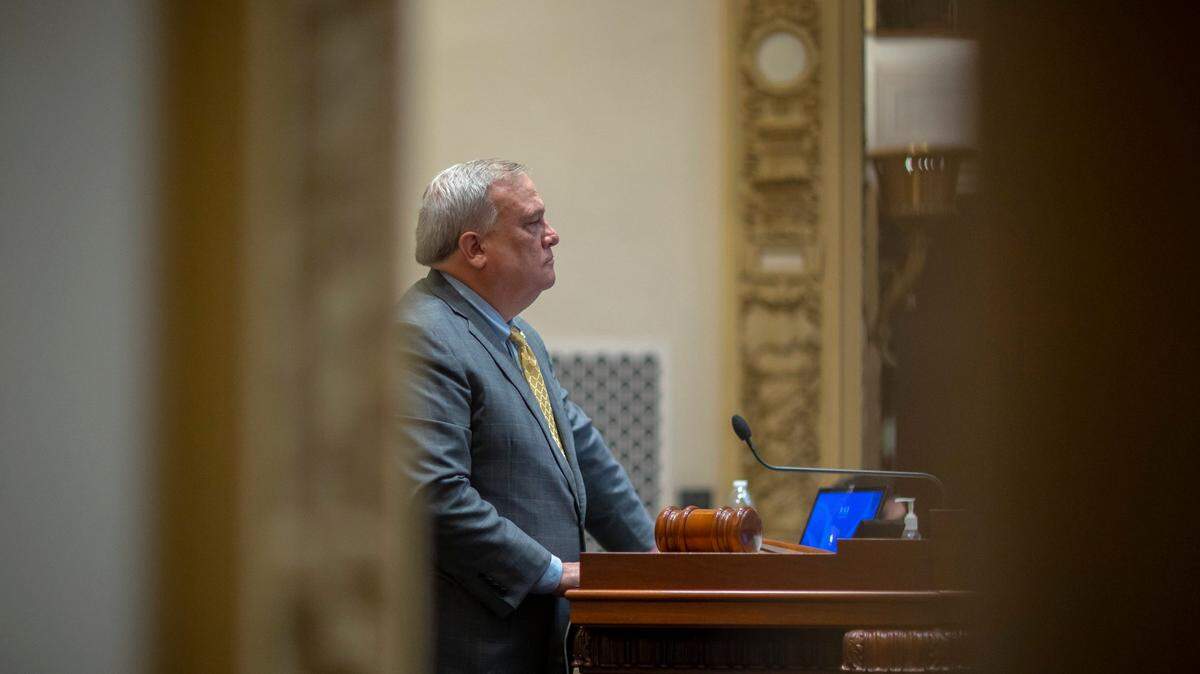
Senate President Pro Tempore David Givens, R-Greensburg, was the architect of the performance-based funding model, which was passed in 2017. Givens told the Herald-Leader Thursday that he had reviewed Coleman’s opinion, but he feels confident the model can be tweaked to “thread the needle” and make everyone happy.
That would include, he indicated, changing the language of the model as it relates to race.
“We can continue to find opportunities for demographics that are challenged to excel in education and (give them) the supports they need to move forward without basing it on race. I’m confident we can find the appropriate resolution to the question and achieve a goal of lifting all Kentuckians educational success,” Givens said.
University of Louisville President Kim Schatzel sent an email out to the university community that she was “reviewing” the opinion and working with the Council on Postsecondary Education to determine its effects on the school.
“UofL’s Strategic Plan commits us to being a university that values diversity, equity and inclusion. The unique backgrounds and contributions of all our faculty, staff, students and alumni make us the strong community we are today,” Schatzel wrote.
Anti-DEI bills filed in Kentucky
The decision came as Kentucky is considering two bills that target DEI at colleges in the state.
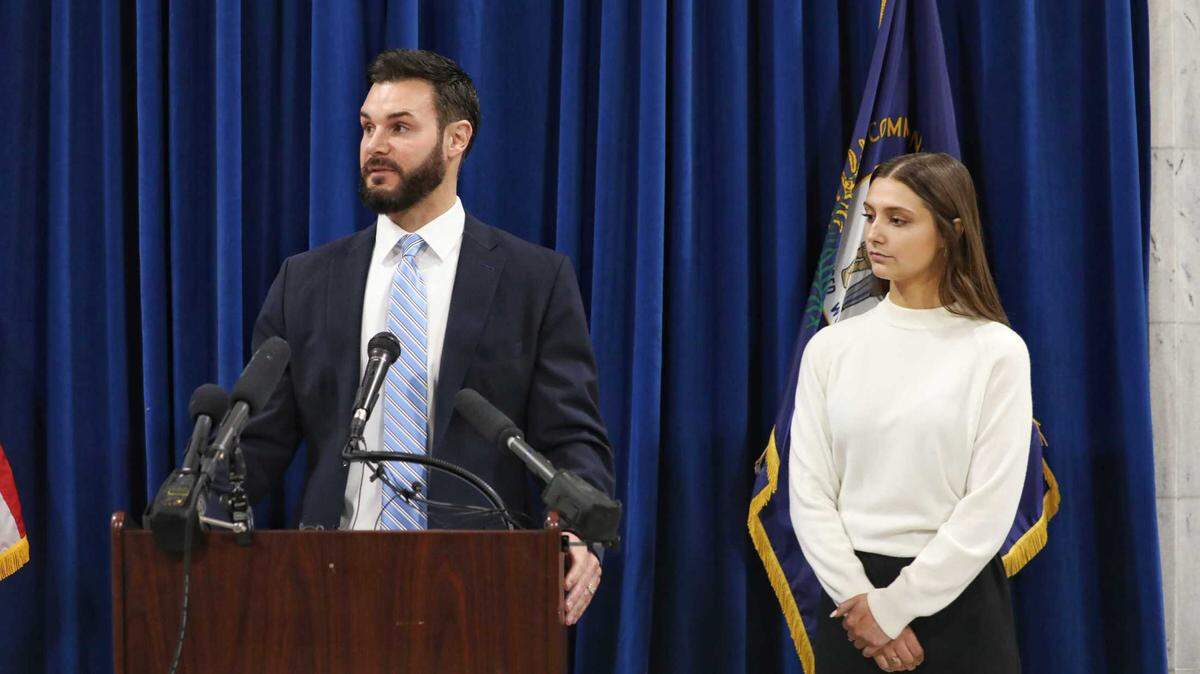
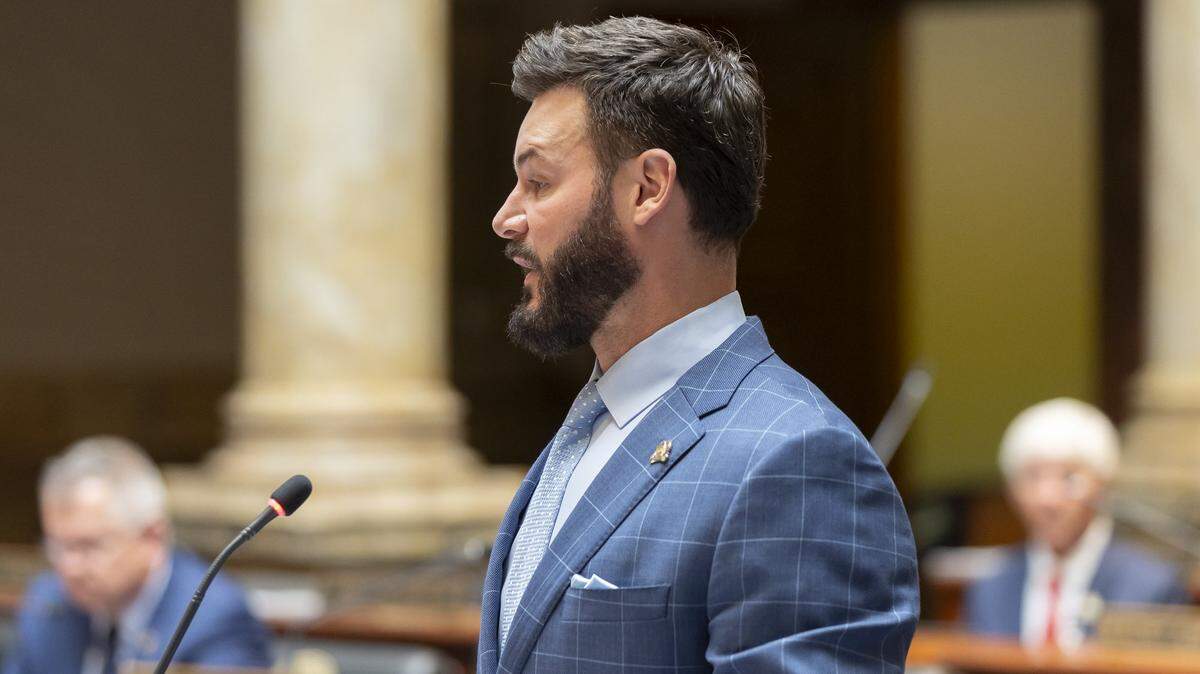
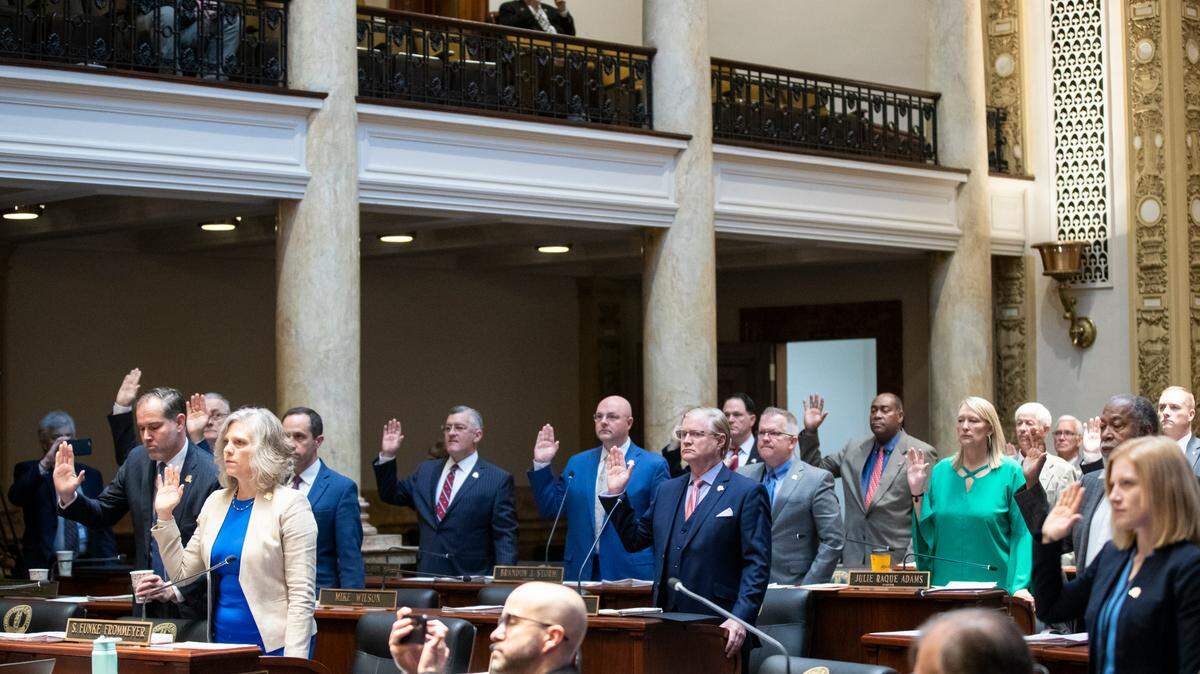
Senate Bill 6 from Senate Majority Whip Mike Wilson, R-Bowling Green, seeks to curtail DEI practices that affect students and staff in a variety of campus settings, including non-credit classes, seminars, workshop, training and orientations. The bill was passed by the Senate and is to be heard in the House Education Committee in a special-called meeting Thursday evening.
House Bill 9 from Decker would bar public post-secondary institutions from providing any “differential” or “preferential” treatment to a student or employee based on race, religion, sex, color or national origin, including through any office, programming or training on DEI.
Universities across the state reaffirmed their commitment to diversity after the bills were filed.
University of Kentucky President Eli Capilouto called the proposed DEI legislation “deeply concerning,” and publicly opposed the bills.
“We don’t have room for threats, intimidation or harassment towards an individual or a group,” he told the Herald-Leader in January. “We cannot interrupt and disrupt someone’s opportunity for an education.
“And at the same time, we’ve got to find a way to have those difficult discussions while understanding our story and the stories that are within other people, such that we can gain knowledge and respect from those interactions.”
Speaking to the Herald-Leader Monday, Capilouto said he had spoken with lawmakers, “expressing what I think are the views of the campus and how those (bills) could potentially impact education.”
This story was originally published March 14, 2024 at 2:13 PM.










.JPG)






%20-1%20.jpg)

.JPG)










.JPG)