These tips could help keep your pipes from freezing as Kentucky sees arctic air this week
READ MORE
Kentucky is hit with significant winter storm
The National Weather Service has issued a winter storm watch for many areas of the state.
Expand All
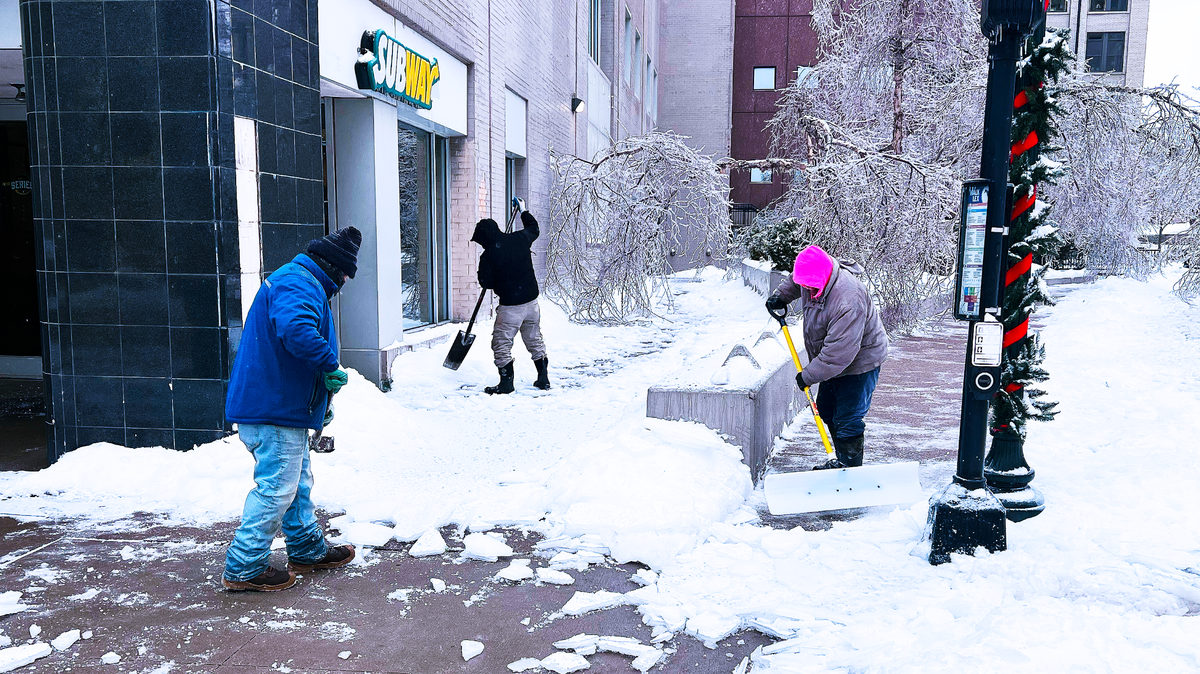
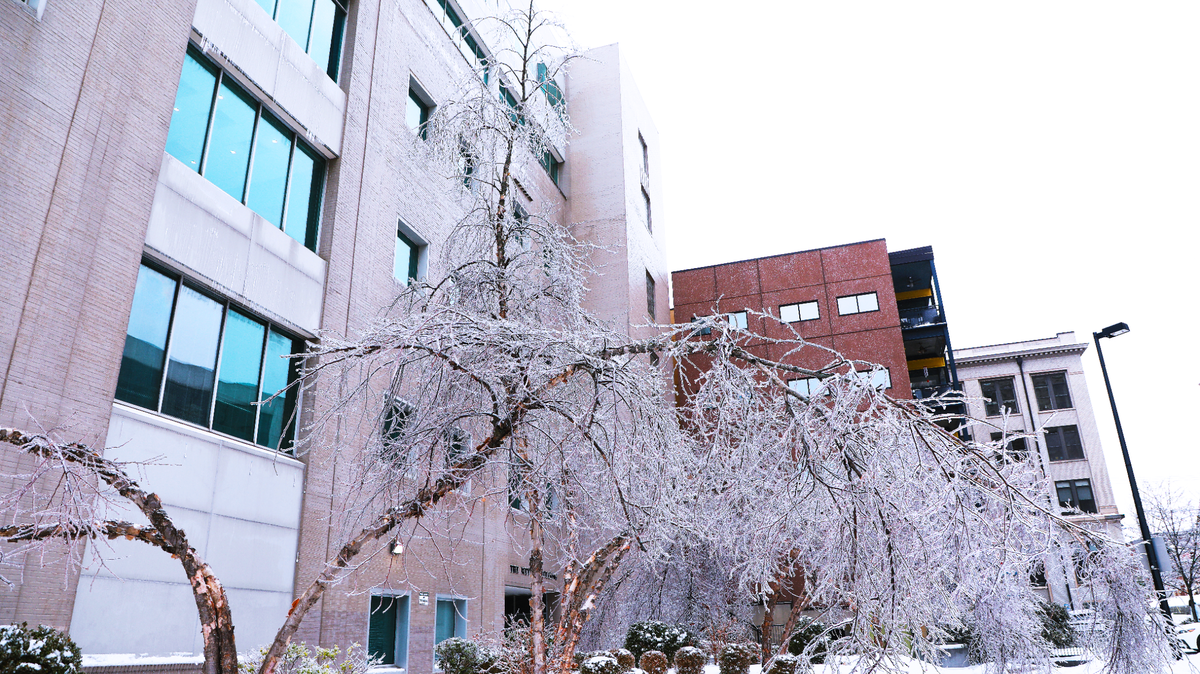
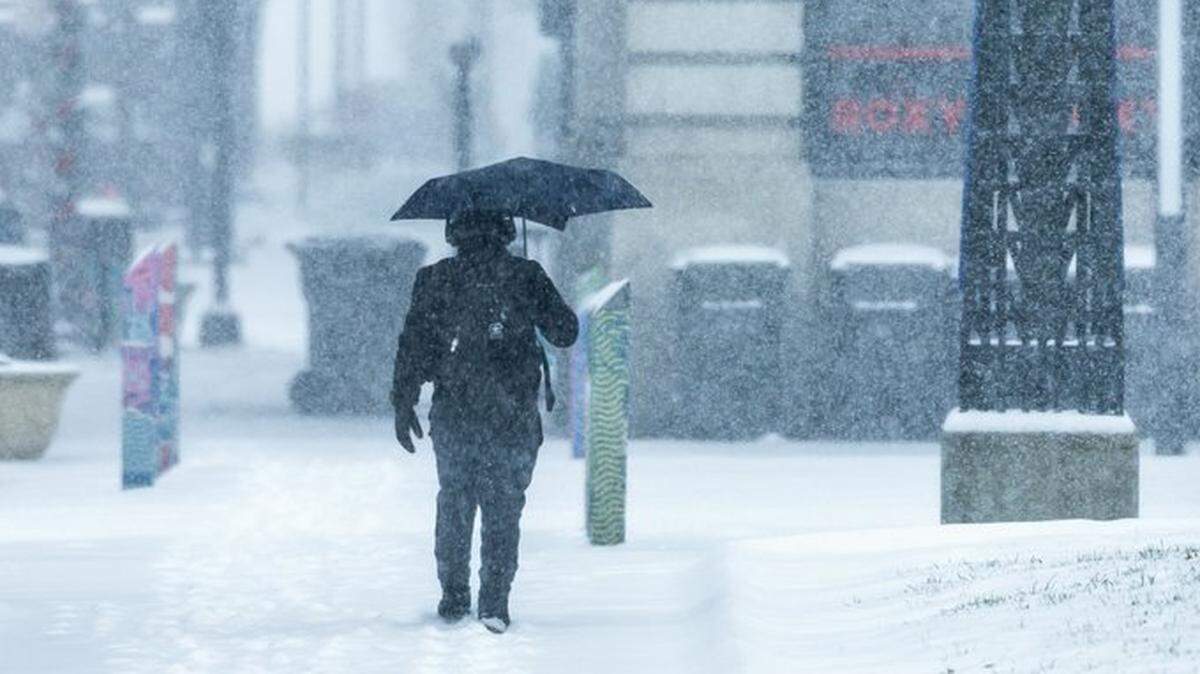
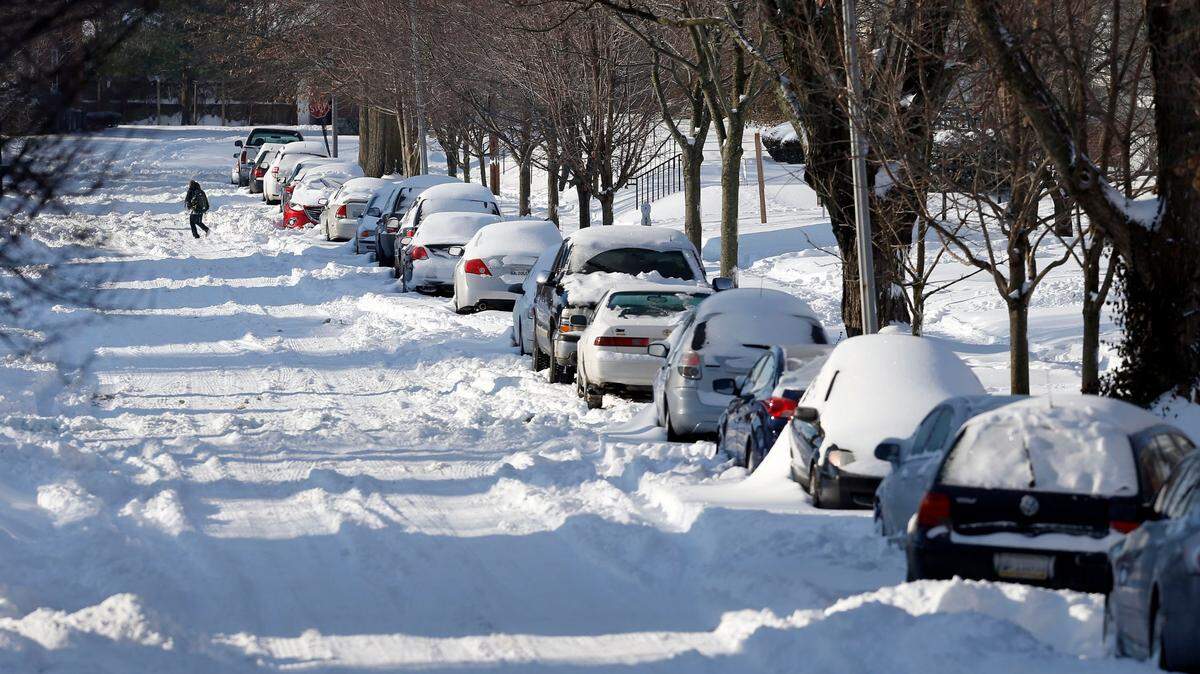
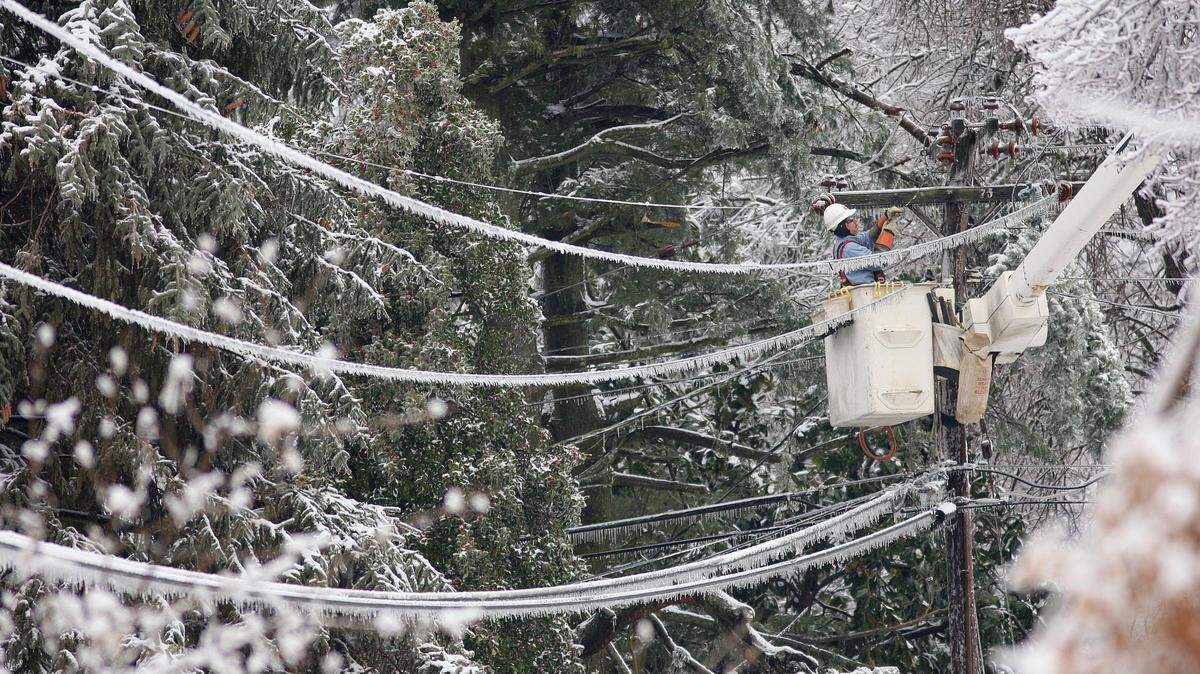
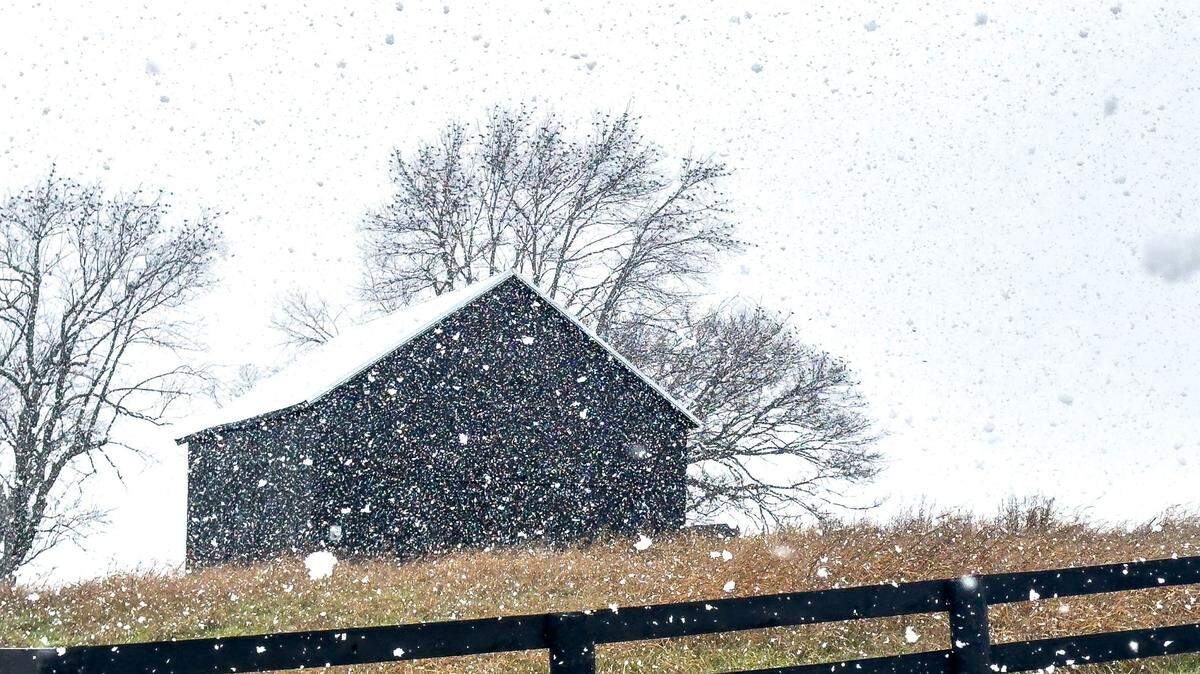
Several Central Kentucky counties are under a winter weather warning from the National Weather Service as thousands of area residents wait for power to be restored to their homes Monday.
The warning is in effect until Monday evening for several counties in the region, with the NWS projecting additional ice and snow accumulations.
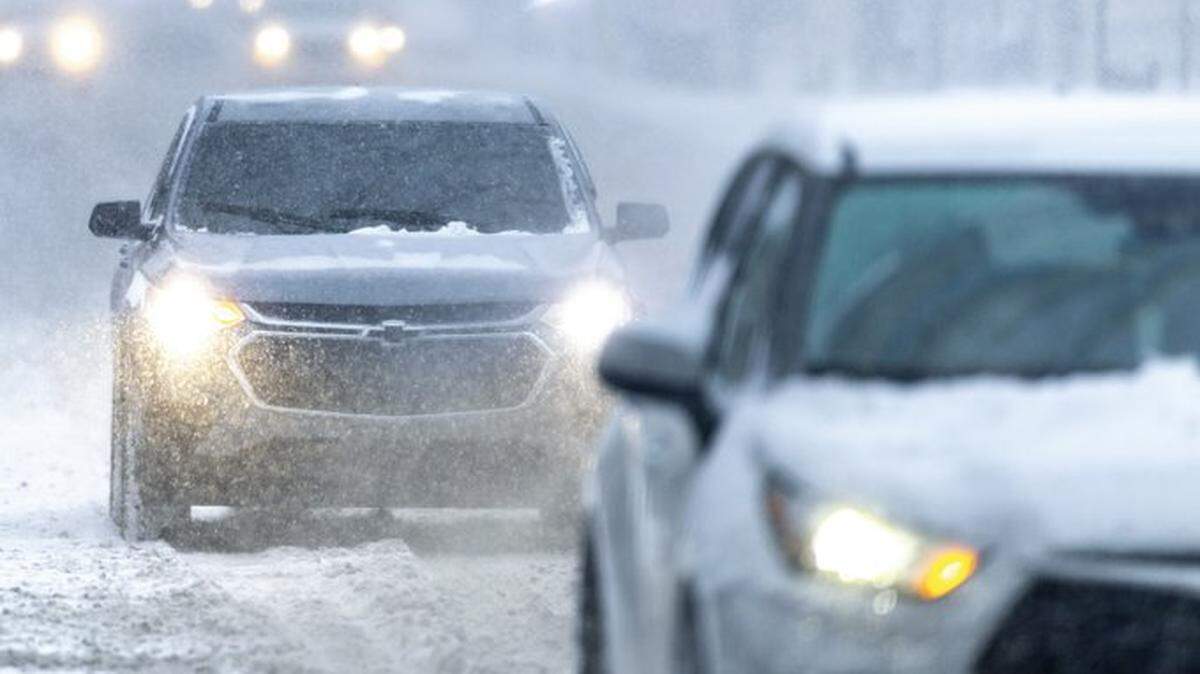
Travel conditions are hazardous, and the NWS forecasts “very cold temperatures will follow the storm Tuesday through Friday.” There’s also a possibility of more snow Friday heading into the weekend. The latest forecast, as of Monday morning, indicates temperatures aren’t expected to get above freezing until Sunday, Jan. 12.
That kind of persistent cold not only threatens those who venture out, but your home, too, if you don’t take the right precautions to protect your pipes. Here are some tips to help prevent frozen pipes and save you a nasty repair bill.
At what temperature do pipes begin to freeze in a house?
There’s no magic temperature, but advice from Consumer Reports, indicates the “temperature alert threshold” is 20 degrees Fahrenheit.
This is especially true if you have uninsulated pipes running through uninsulated spaces, like exposed outdoor pipes.
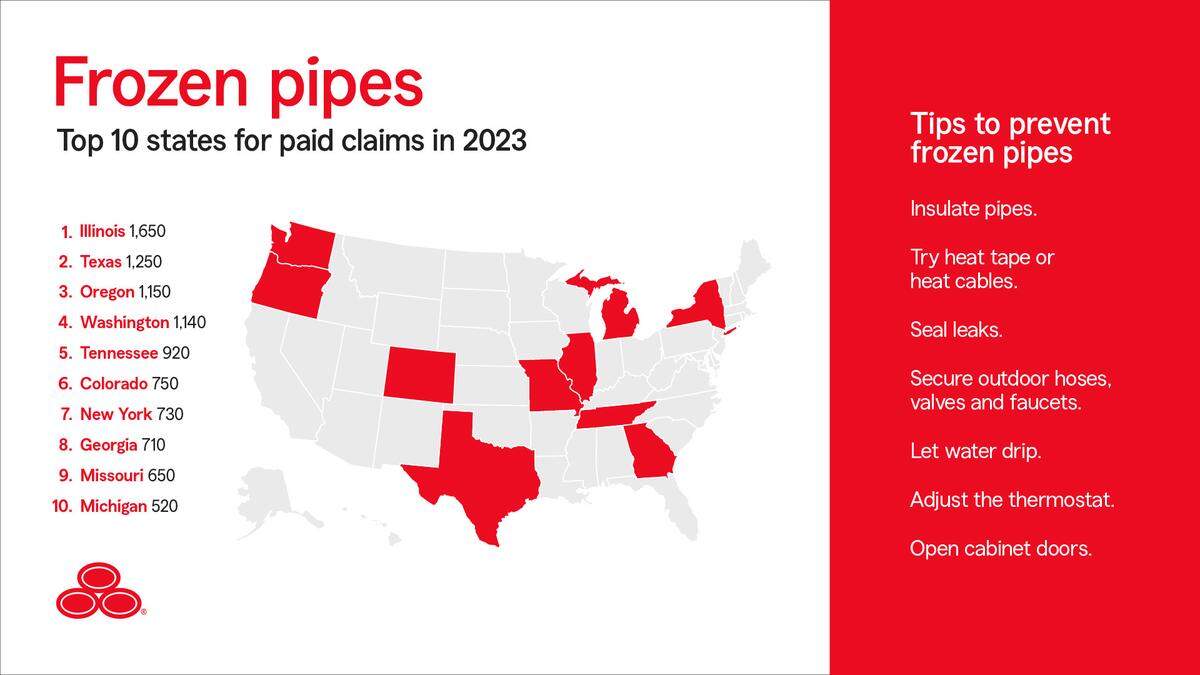
According to a December press release from State Farm, the insurance company saw more than 17,200 claims in 2023 for frozen pipes, with the average claim totaling more than $23,5000. Nearby Tennessee, Illinois and Missouri were all in the top 10 state for most paid claims.
How do I make sure my pipes don’t freeze?
You may have heard several of these tips before, but as a reminder, the American Red Cross recommends:
Open the cabinet doors under your kitchen and bathroom sinks to allow warmer air to circulate around the plumbing. Always make sure you have any harmful cleaning products out of reach of children.
When it comes to your thermostat, set it and forget it. Leave the thermostat tuned to a constant temperature all day and night. You’ll pay a bit more on your electric bill, but it beats losing thousands of dollars to a burst pipe. If you’re away from home, set the thermostat no lower than 55 degrees.
When the temperature drops below 20 degrees, run a drip from all faucets. Even a trickle of cold water can help.
Don’t forget to close your garage door and keep it closed as much as possible.
Other tips you can take now ahead of plummeting temperatures include double checking your weather-stripping and seals (especially around doors and windows), sealing any cracks and covering outdoor hoses, valves and faucets.
Auto club AAA recommends these additional tips to prevent your pipes from bursting, or at least mitigate the fallout from one:
- Find your water shut-off valve and make sure you know how to turn it off in the event of a burst pipe. Make sure everyone in your household knows, as well.
- Insulate pipes in your home’s crawl space and attic.
- Seal gaps around pipes that allow cold air inside. Additionally, look for air leaks around electrical wiring, clothes dryer vents and pipes. It’s recommended to use caulk or insulation to plug up any leaks.
- Don’t forget to disconnect your garden hose before a winter storm or deep freeze hits. If it’s possible, use an indoor valve to shut off and drain water from pipes leading to outside faucets. This reduces the chance that pipes inside your house will freeze.
What do I do if I think I have a frozen pipe?
Should you lose heat at some point and you turn on a faucet only to discover just a trickle comes out, here’s what the Red Cross recommends for dealing with a frozen pipe:
Keep that faucet turned on. Melting water will flow through the pipe as you treat it, in turn melting other ice along the way.
Apply heat to the section of the pipe using an electric heating pad wrapped around the pipe. You could also use a hair dryer or a portable space heater away from flammable material. Even wrapped towels soaked in hot water will do. Just don’t use a blow torch, kerosene, propane, charcoal or other open flames.
Keep applying the heat until you notice full water pressure has been restored. If you can’t locate the frozen pipe (typically against exterior walls or where water service enters your home) call a licensed plumber.
If you have one frozen pipe, make sure to also check the other faucets in your home. Others could be frozen, too.
If you believe you may have a burst pipe, immediately find your water cutoff and stop service until the damage can be assessed.
Do you have a question about inclement weather in Kentucky for our service journalism team? We’d like to hear from you. Fill out our Know Your Kentucky form or email ask@herald-leader.com.
This story was originally published January 3, 2025 at 12:22 PM.