I’ve lived through some of Kentucky’s biggest winter storms. Here’s how to prep now
READ MORE
Kentucky is hit with significant winter storm
The National Weather Service has issued a winter storm watch for many areas of the state.
Expand All
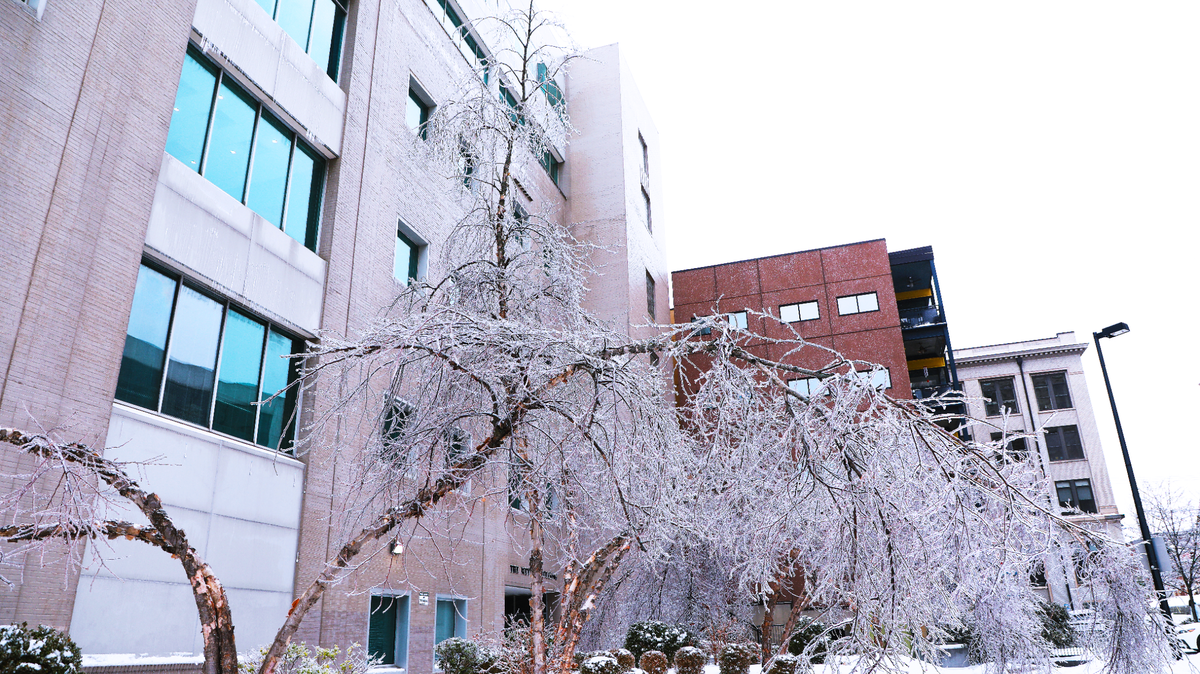
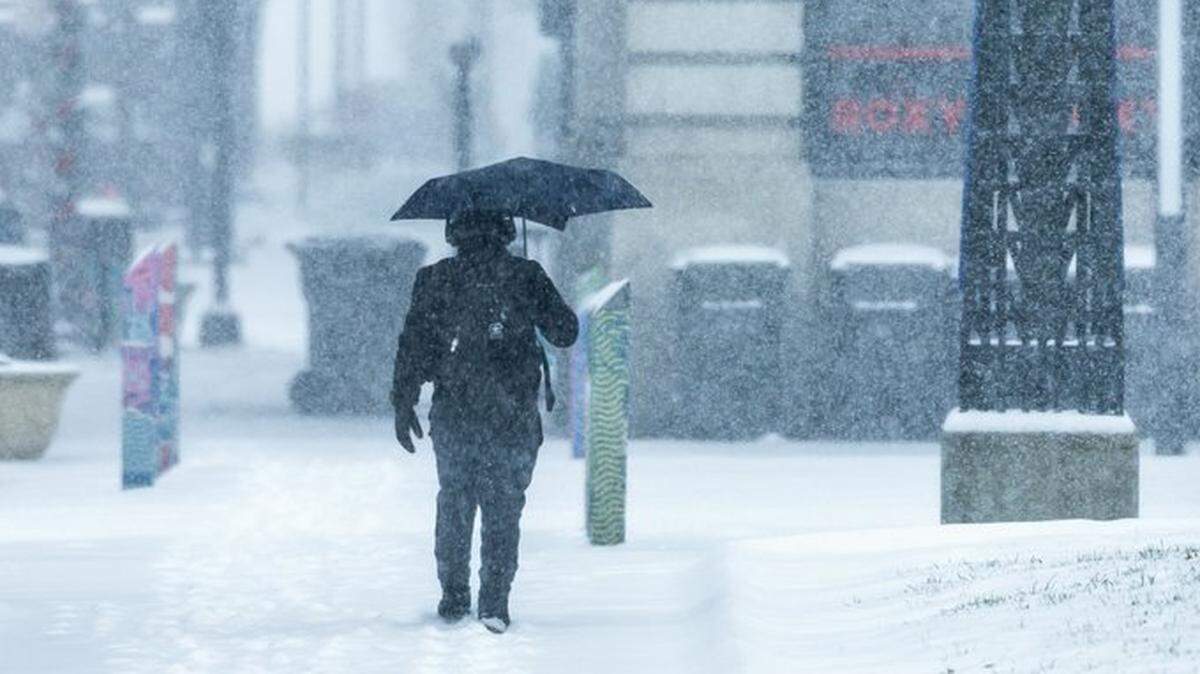
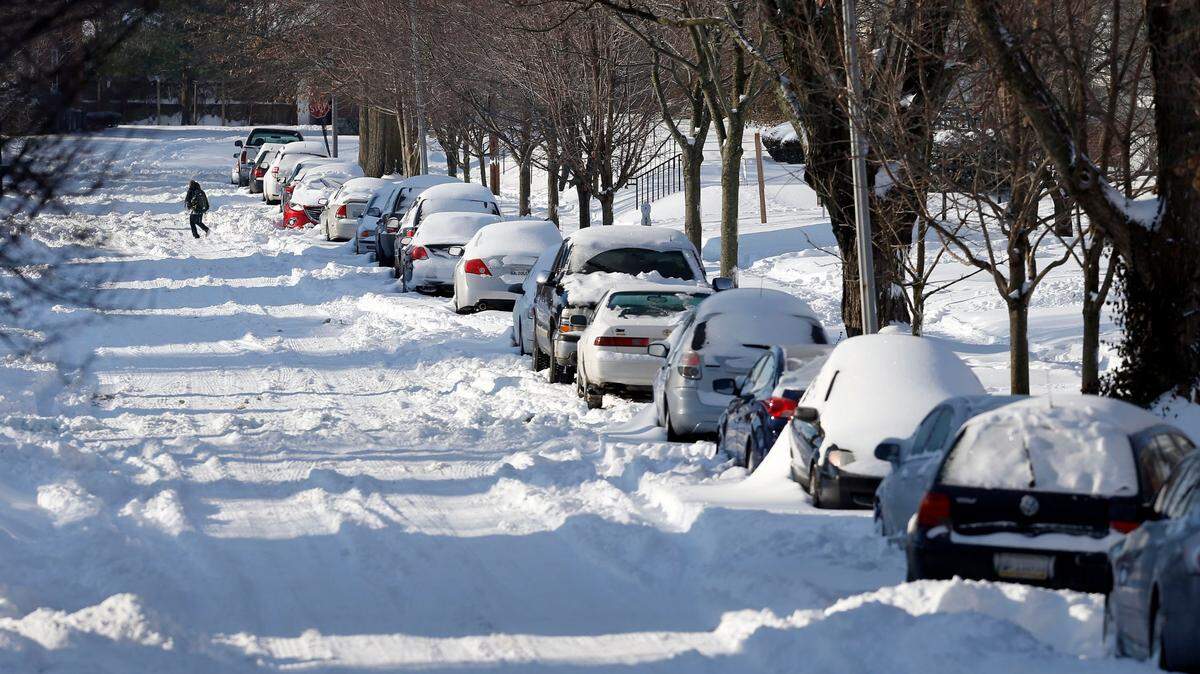
Severe winter weather is closing in on the commonwealth, but there’s still time to prepare. Take it from me, a veteran of 2022, 2021, 2009, 2003 ice storms and the 1994 Kentucky shut down.
No prep work is wasted. You might not end up needing all the extra batteries now, but it’s better than needing and not having.
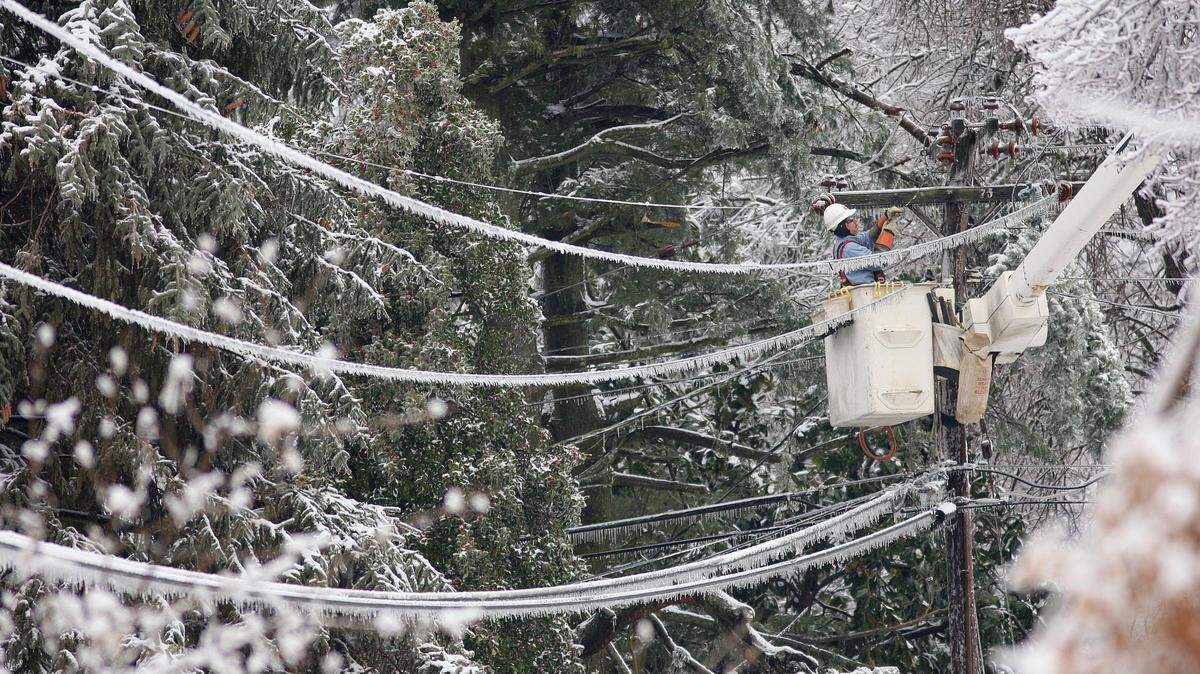
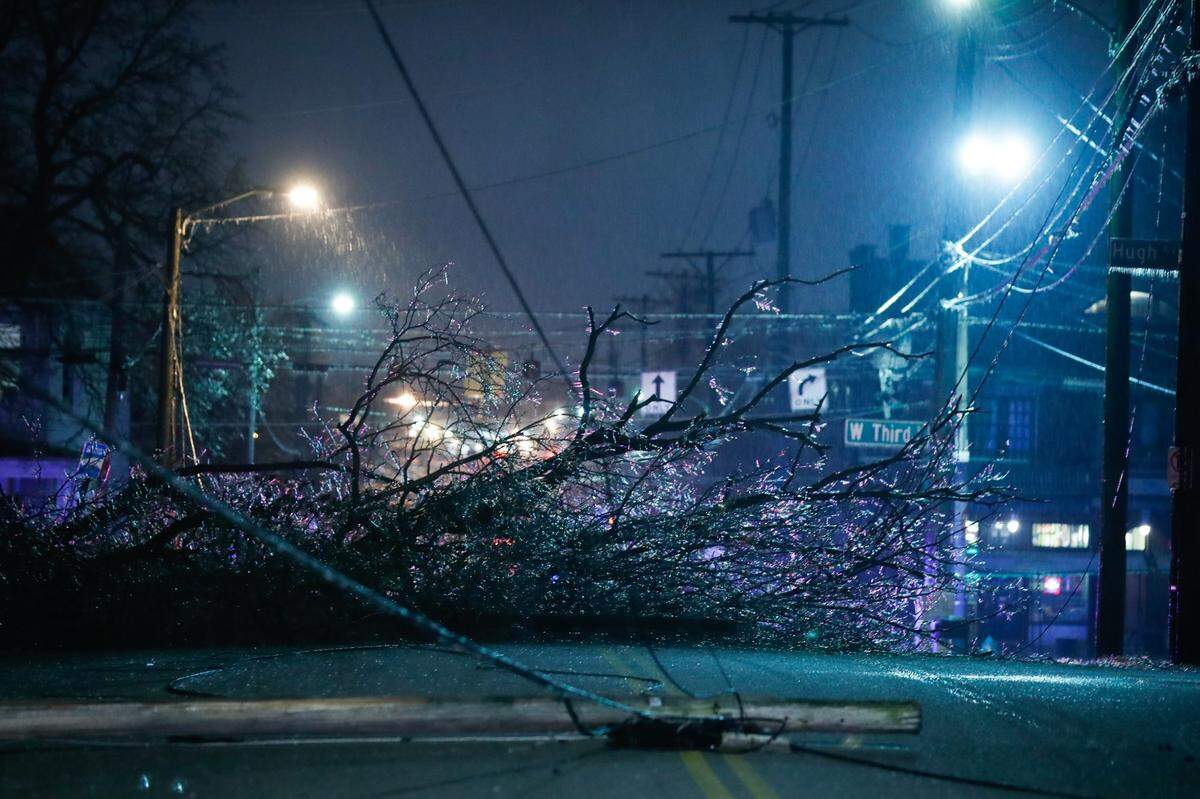
If you lived in Central Kentucky during previous ice storms, then you know power outages can take a week or more to fix. That’s a long time to sit in the dark.
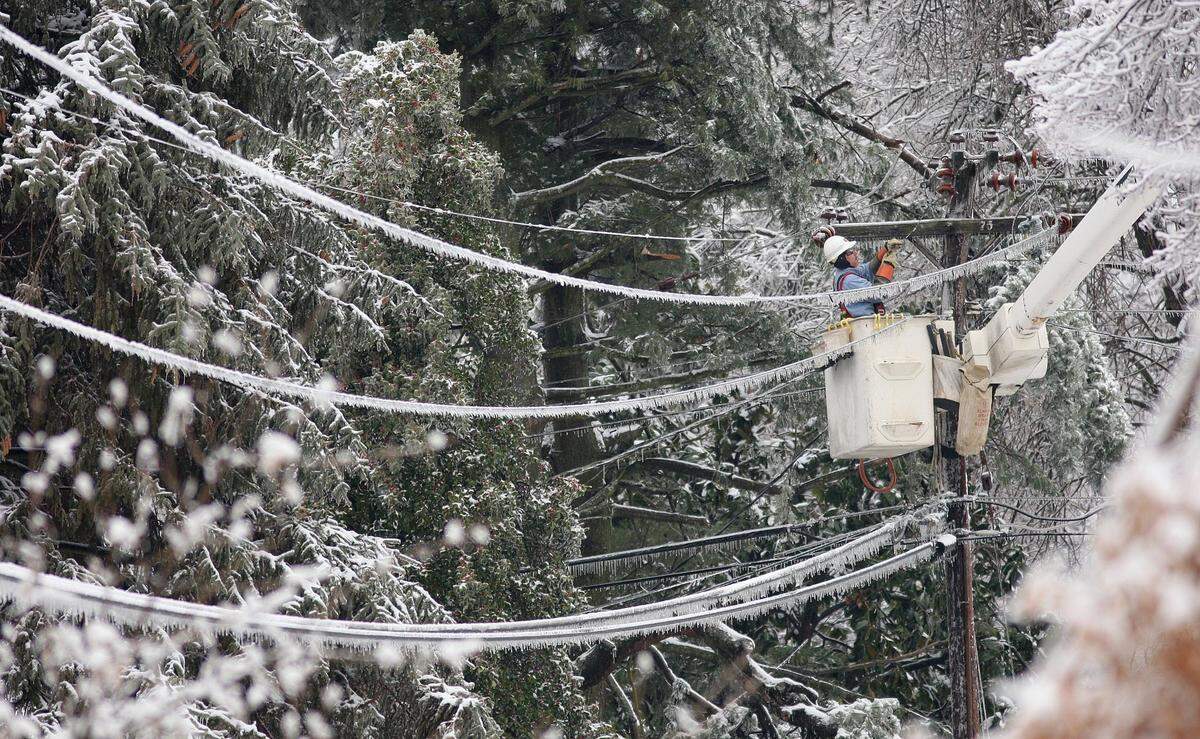
My first ice storm in Lexington I was lucky enough to live in an apartment with a gas stove, a gas hot water heater and a fireplace so I could cook, take hot showers and keep myself and two cats (mostly) warm at night while I waited for the power to be restored. Because this was before the days of Wi-Fi, I walked back and forth to the newspaper’s building on Main Street to work, where we had generator power.
Things have changed a lot: Now my main concern is keeping my children warm, fed and occupied. And figuring out how to stay online as long as possible.
Here are some steps you can take to get you through a power outage and cold weather, based on my own check list and tips crowd-sourced from readers.
Steps to take before the ice starts
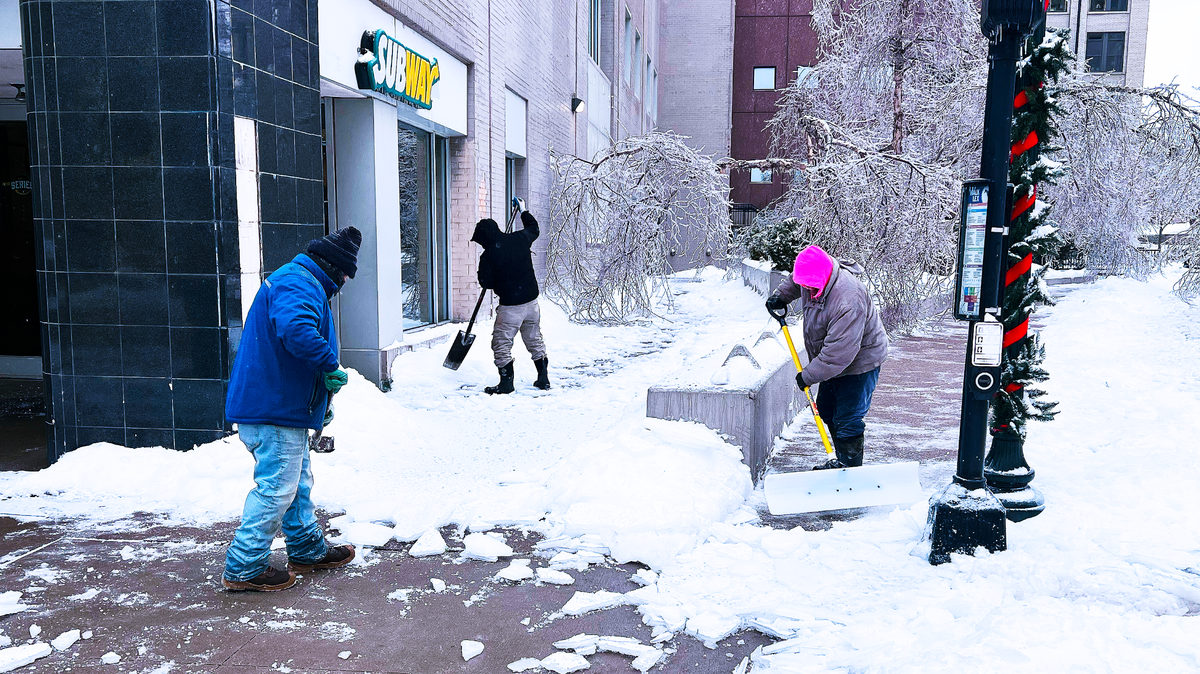
▪ Bring your ice scraper inside. The last place you’ll want it is trapped inside your ice-encased car. Keep your shovel near the door; same for any salt or ice-melting stuff.
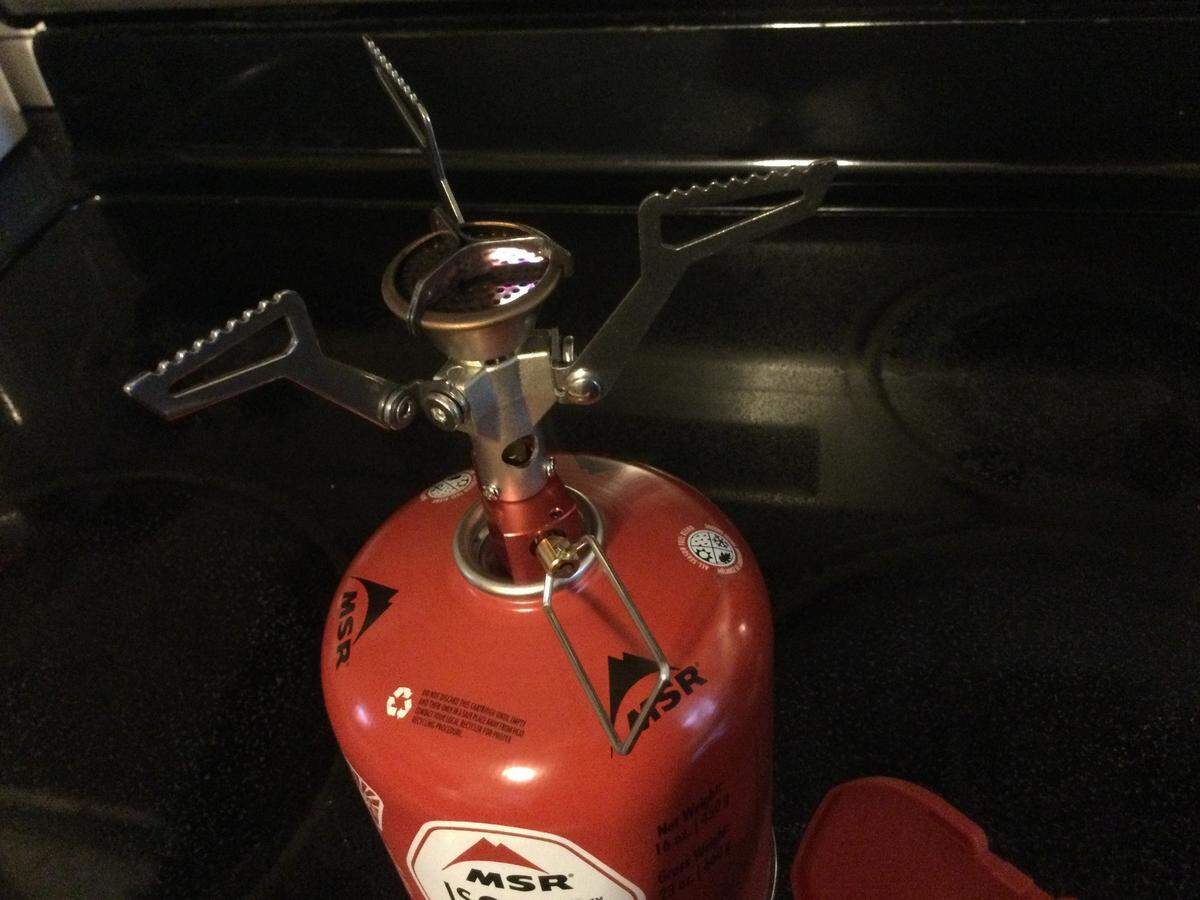
▪ If you’ve got a gas stove, lucky you. If not, break out the camp stove if you’ve got one. A few years ago, I splurged on a PocketRocket mini burner that attaches to a fuel bottle. It’s just the right size to heat up a small pan of water or soup. Just remember to crack open a window to get enough fresh air inside. Any cooking that involves open flames will deplete the oxygen and set your carbon monoxide detector off.
▪ If you still have a chance to get to the grocery store, stock up on items you don’t have to cook, like bread and peanut butter, snacks, bottled water and shelf-stable milk. Instant coffee or sodas might come in handy if you’re desperate for a caffeine fix. Grab extra bags of ice melt and a shovel if you don’t have one. Check the hardware store, they often have them even with the grocery store is out.
▪ If you’ve got a French press pot handy, great. If not, make an extra pot of coffee and store in a thermos before the storm hits. You can drink it cold or heat up a cup if you’ve got that camp stove. I also keep a jar of instant coffee on hand, just in case.
▪ If you’re into soups, make a pot of something that can be reheated easily. If you’re going to rely on canned soups, make sure you can open them without an electric can opener.
What to do before your power goes out
▪ Charge up all your devices, including cellphones, iPads and laptops so you can stay in touch.
▪ Download apps for news, weather and the power company. You’ll need to be able to notify the power company of an outage. And you can take cold comfort in the map that shows how long it will take to restore power.
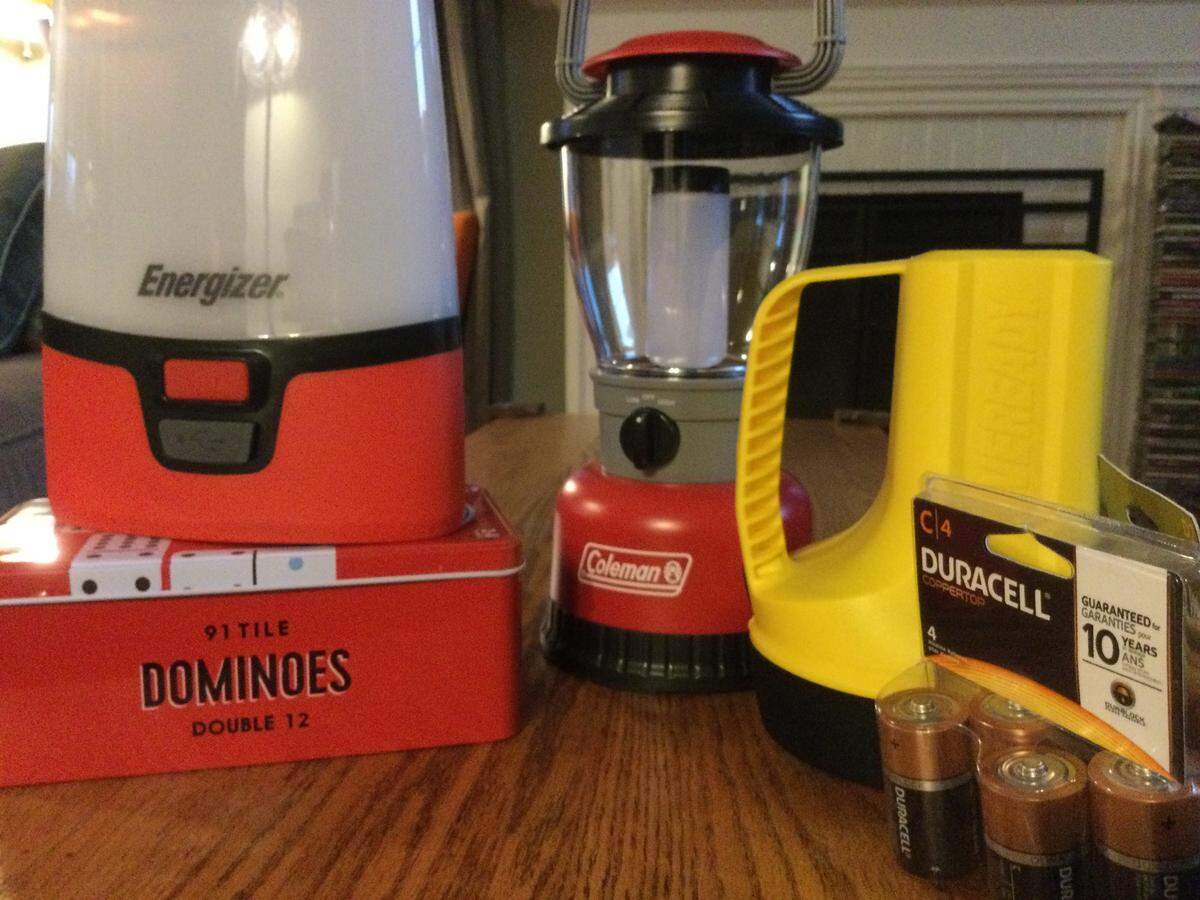
▪ Buy extra batteries for radios, flashlights and battery-powered lanterns. We found an LED lantern that also has a USB port for charging phones. I also recently bought a solar power bank with lights that can power almost anything.
▪ Gas up your cars. Even if you don’t need to drive, you may need to use your car to recharge devices or warm up.
▪ Buy/locate USB chargers for your car’s cigarette lighter if necessary (newer cars have these built in.) I bought one that will also charge up a laptop.
▪ Fill the bathtub and/or some buckets with water. If you do lose power and the temperature plunges, your pipes could freeze. And you might need that extra water for flushing toilets. (Take the cover off the back tank and refill with tub water.)
▪ You can also fill clean empty jugs with water and put them in your freezer if you have space. The ice will help keep food cold once the power goes out and you can drink the water as needed.
▪ If you’re going to be relying on firewood to heat your home, bring some wood inside or at least put it on a porch near the door so it can dry out and be handy. Don’t use your fireplace if you have not had it inspected or cleaned recently. It just isn’t safe.
▪ Don’t use a charcoal grill inside your house, ever. If you’re going to use a grill to cook, you have to be outside where the carbon monoxide fumes won’t build up and kill you.
▪ If you’re planning on using a generator, stock up on the fuel and remember to keep that at least 20 feet away from your house. Never use it in a garage or inside your home; generator fumes are deadly.
▪ If you don’t have a heat source, close off drafts to the outside and get everyone into a room or tent you can enclose. Pretend you’re camping; conserve body heat with extra blankets, layers of clothing, coats, etc. That sleeping bag rated for sub-zero camping? Break it out.
▪ Break out the nonelectronic entertainment. Dominoes, Uno, cards, puzzles and books can keep everyone occupied for a while at least.
If you have to go outside
▪ The best thing I bought before the last ice storm? A set of Yaktrax for me and for my husband at a sporting goods store. They go on over regular shoes or boots and grip the ice so you can get traction.
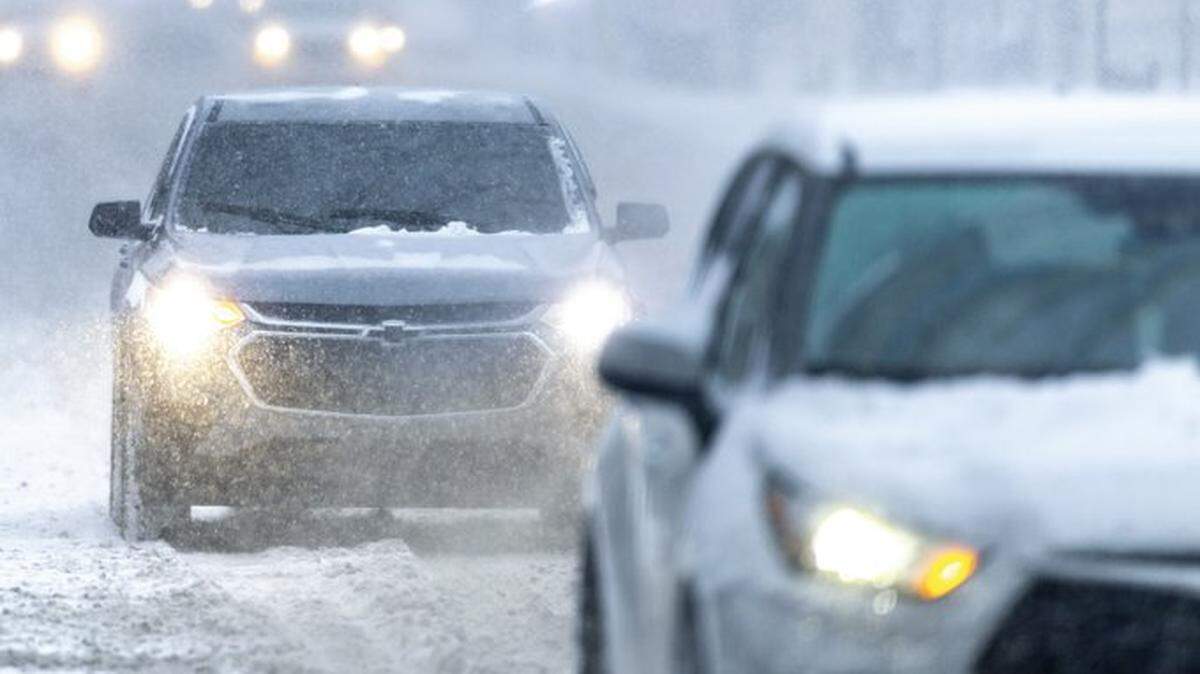
▪ If you do need to drive somewhere, take extra blankets, water and food just in case, even if it’s a short trip. The U.S. Centers for Disease Control and Prevention has a good emergency car kit checklist. Cat litter or sand, along with a shovel and ice scraper, can come in hand for extra traction if you get stuck.
▪ Bereadylexington.com has more ideas, such as: Know how to work the manual release for your garage door so you can get the car out if the power is out.
This story was originally published January 4, 2025 at 7:00 AM.